You rinse and spit, and there it is again: a pink tinge in the sink. If you are asking, "Why do my gums bleed when I brush?" you are not alone, and the answer matters more than most people realize. Bleeding gums are one of the most common oral health complaints, but they are also one of the most frequently dismissed.
When you understand what is actually triggering the bleeding, you can stop the cycle before it becomes something requiring more serious treatment. For some people, a simple change in brushing technique or toothbrush type is enough. For others, the bleeding is an early signal of gum disease that needs professional attention to reverse.
If you are wondering how to stop bleeding gums, getting the right diagnosis is the first step. Dentist of West Covina, your trusted family dentist in West Covina, offers comfort-first dental treatment and practical guidance for every stage of gum health. Keep reading to get the clear answers you need.
What Bleeding Gums Usually Mean
Most cases of bleeding gums trace back to a few specific causes, and knowing which one applies to you changes what you do next. Identifying these causes helps you prevent bleeding gums in the future. Some are easy to fix at home within days, while others require professional cleaning or ongoing periodontic care to fully resolve.
Plaque Buildup And Early Gum Inflammation
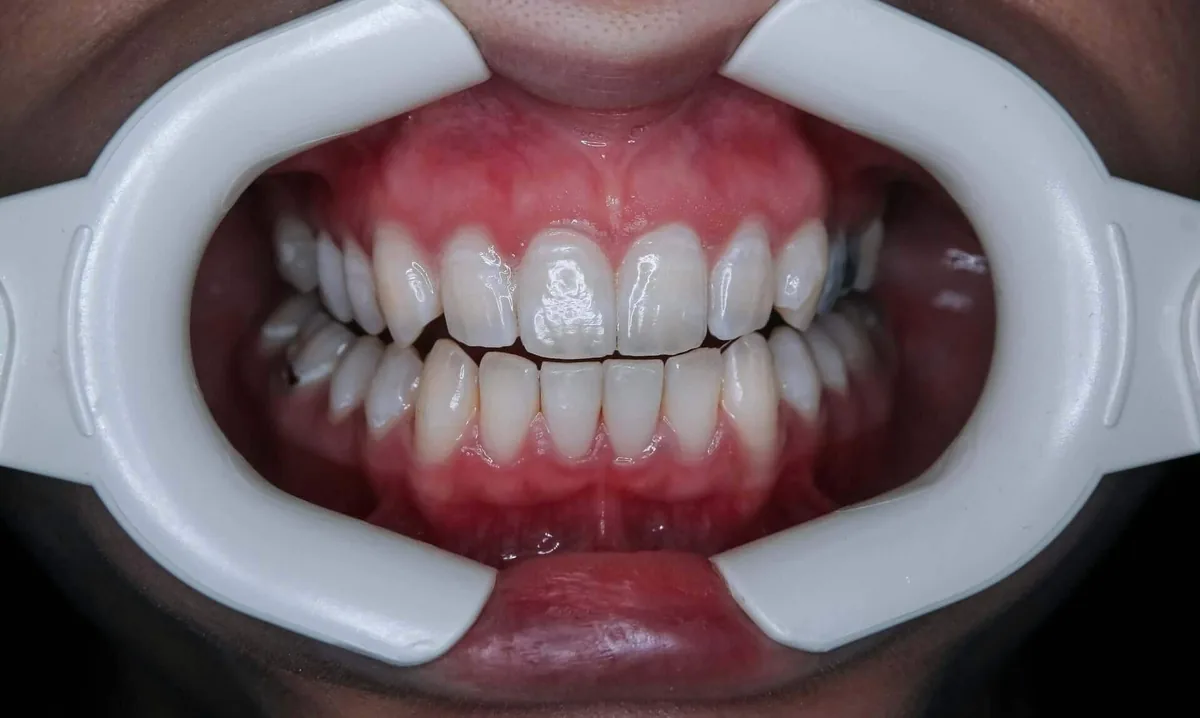
Plaque is a sticky film of bacteria that forms on your teeth every single day. When you do not remove it consistently, it irritates the gum tissue along the gumline, causing inflammation known as gingivitis.
Inflamed gums are fragile. That is why even a gentle toothbrush against irritated tissue can cause bleeding. The good news is that gingivitis at this stage is fully reversible with a professional dental cleaning and a tighter home routine.
If plaque sits on your teeth for too long, it hardens into tartar, which cannot be removed by brushing alone. A dental checkup lets your dentist catch this early, before it progresses. Some women also experience pregnancy gingivitis, where hormonal changes make the gums more sensitive to plaque and prone to bleeding.
Brushing Too Hard Or Using The Wrong Toothbrush
Aggressive brushing does not clean your teeth better. It actually damages the soft gum tissue and wears down enamel over time. Many people use a medium- or hard-bristled brush, thinking it is more effective, but it can cause more harm than a soft-bristled option used with the right technique.
The signs of overbrushing include gum recession, sensitivity near the gumline, and yes, bleeding. Switching to a soft-bristled brush and using gentle circular motions, rather than scrubbing back and forth, can reduce bleeding within 1 to 2 weeks.
Flossing Changes That Can Trigger Temporary Spotting
If you just started flossing after a long gap, your gums may bleed for a few days. This happens because the tissue is inflamed from accumulated plaque between teeth, and it is not yet used to being disturbed.
This type of bleeding typically fades within a week of consistent daily flossing. If bleeding continues beyond two weeks, it is no longer a flossing adjustment issue, and a dental checkup in West Covina is the next best step.
When Bleeding Points To Periodontal Disease
Gingivitis that goes untreated advances into periodontal disease, also known as periodontitis. This is a more serious infection that affects the bone and tissue supporting your teeth. At this stage, brushing and flossing alone are not enough to reverse the damage.
A deep dental cleaning, also called scaling and root planing, removes bacteria and buildup from below the gumline. For more advanced cases, periodontics in West Covina provides specialized treatment to control infection and protect the structures holding your teeth in place.
Signs You Should Not Ignore
Bleeding alone can seem minor, but when it occurs alongside other symptoms, it often signals that an infection or structural damage is already underway. Some combinations of symptoms require prompt care, not a wait-and-see approach.
Swelling, Bad Breath, And Gum Recession
Swollen gums that look puffy or appear darker red than usual are a sign of active infection in the tissue. Healthy gums fit snugly around each tooth; swollen gums pull away from that tight seal, creating pockets where bacteria thrive.
Persistent bad breath that does not go away after brushing is often caused by the same bacterial activity driving gum disease. It is not a hygiene issue you can mask with mouthwash. It is a sign that infection is present and needs to be addressed at the source.
Receding gums are especially serious because the condition is not reversible on its own. Once you notice receding gums or gum recession exposing more of the tooth root, the area becomes more vulnerable to decay and sensitivity.
Loose Teeth Pain Or Pus Near The Gums
If a tooth feels even slightly loose, the bone supporting it may already be compromised. Periodontal disease gradually erodes the jawbone, which is why many people do not notice movement until significant damage has occurred.
Pus near the gumline, or a tooth that throbs with pressure, points to an active abscess. Left untreated, an abscess can spread and may require a root canal in West Covina or, in severe cases, a dental crown in West Covina to restore the tooth after infection is cleared.
Symptoms That Suggest Emergency Dental Care
Some symptoms that suggest emergency dental care should not wait for a scheduled appointment. Severe and sudden pain, a rapidly spreading swelling in the jaw or face, difficulty swallowing, or bleeding that does not slow down on its own are all reasons to contact an emergency dentist in West Covina right away.
An abscess left untreated can develop into a systemic infection. If you experience fever alongside dental pain or jaw swelling, treat it as an urgent situation and seek care the same day.
A Better At-Home Routine Starting Today
Small changes to your daily routine can reduce gum bleeding significantly within one to two weeks when the cause is early inflammation rather than advanced disease. The three areas that make the biggest difference are how you brush, how you floss daily, and how you protect the gumline if you wear braces or aligners. Learning the right flossing technique and brushing habits is essential to stop the cycle.
How To Brush Without Damaging Your Gums
Use a soft-bristled toothbrush and hold it at a 45-degree angle to the gumline. This position lets the bristles reach just under the gum edge where plaque collects without digging into the tissue.
Apply light pressure. If the bristles are splaying out flat within a few weeks, you are pressing too hard. Use small circular strokes rather than a back-and-forth scrubbing motion, and spend at least two minutes covering all surfaces.
Replace your toothbrush every three months, or sooner if the bristles fray. A worn brush is less effective and more likely to irritate the gums.
Flossing Tips For Sensitive Or Inflamed Areas
Your flossing technique matters for recovery. Wrap floss in a C-shape around each tooth and slide it gently just below the gumline, rather than snapping it straight down into the tissue. Snapping floss causes small cuts that contribute to bleeding.
If your gums are very tender, waxed or soft floss picks can feel less abrasive. A water flosser set to low pressure is also a good option for inflamed areas, and it reaches spots that standard floss sometimes misses.
Do not skip flossing just because it causes bleeding. When you floss daily, you remove the bacteria that trigger inflammation in the first place.
Brace-Friendly Habits That Protect The Gumline
Brackets and wires create more surface area for plaque to collect, which is why people in orthodontic treatment are at higher risk for gum inflammation. Using an interdental brush or floss threader to clean around each bracket removes the buildup that a regular toothbrush cannot reach.
Brace-friendly habits like rinsing with an antibacterial mouthwash after meals add an extra layer of protection on days when full brushing is not possible. If you are anxious about dental visits while in treatment, sedation dentistry in West Covina can make checkups and cleanings far more comfortable.
When Dental Treatment Becomes The Next Step
Home care manages early-stage bleeding well, but certain causes of gum problems require professional treatment. There are several ways to treat bleeding gums depending on the severity of the infection. The most common situations that require dental intervention fall into three categories, each with a clear treatment path.
Professional Cleanings And Gum Therapy
A standard dental cleaning removes the tartar and plaque your toothbrush cannot reach, particularly along and below the gumline. Most patients who come in with early gingivitis see a significant reduction in bleeding after one cleaning combined with improved home care.
For more advanced gum disease, scaling and root planing goes deeper, clearing bacteria from the pockets that form between the tooth and gum. This deep cleaning is done in sections and may be spread across two appointments. After treatment, consistent follow-up appointments help maintain the results and catch any regression early.
Fixing Decay Cracks Or Irritating Dental Edges
A cracked tooth or a rough filling edge can create a chronic irritation point that keeps the surrounding gum inflamed. Composite fillings can replace old or broken restorations with a smooth surface that stops that ongoing irritation.
In cases where decay has progressed significantly, a dental crown protects the tooth structure while also eliminating the rough surfaces that trap bacteria. Addressing these issues directly reduces localized gum bleeding that would not improve with better brushing alone.
If a tooth is beyond saving, a tooth extraction or wisdom tooth removal in West Covina removes the source of infection entirely, which protects the surrounding gum and bone tissue.
Replacing Missing Teeth To Support Gum Health
When a tooth is lost and not replaced, the surrounding teeth shift, bite pressure changes, and the gum tissue in that area becomes harder to clean properly. This increases the risk of plaque buildup and gum inflammation in adjacent areas.
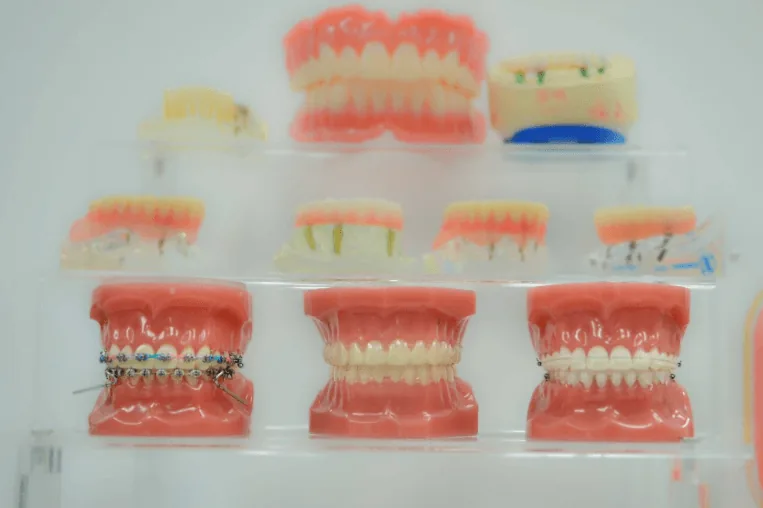
Dental bridges and dentures restore function and reduce the structural strain that comes with missing teeth. For a longer-term solution, dental implants integrate with the jawbone and function like natural teeth, making cleaning much more straightforward.
If you are weighing your options, comparing dental implants vs dentures with your dentist helps you understand which option fits your bite, bone density, and lifestyle. For patients missing multiple teeth, all-on-4 dental implants offer a full-arch restoration on just four anchor points.
How Age, Bite, And Appearance Can Affect Gum Health
Gum health is not just about how you brush today. It is also shaped by when habits start, how your teeth line up, and whether existing dental issues are creating problems that make cleaning harder. Getting ahead of these factors early makes a real difference in long-term gum health.
First Visits For Children And Early Monitoring
A child's first dental clinic appointment for kids should happen by their first birthday or when the first tooth comes in. Starting early gives a pediatric dentist the chance to catch inflammation, improper brushing habits, or early signs of gum problems before they take hold.
Children can develop gingivitis just as adults can, often from the same cause: plaque that is not being removed consistently. A children's dentist can show kids and parents the right brushing technique for each stage of tooth development, building a foundation for healthy gums throughout life.
Early orthodontic treatment for kids can also identify spacing or alignment issues that, if left unaddressed, create hard-to-clean areas that contribute to gum inflammation later on.
Orthodontic Issues That Make Cleaning Harder
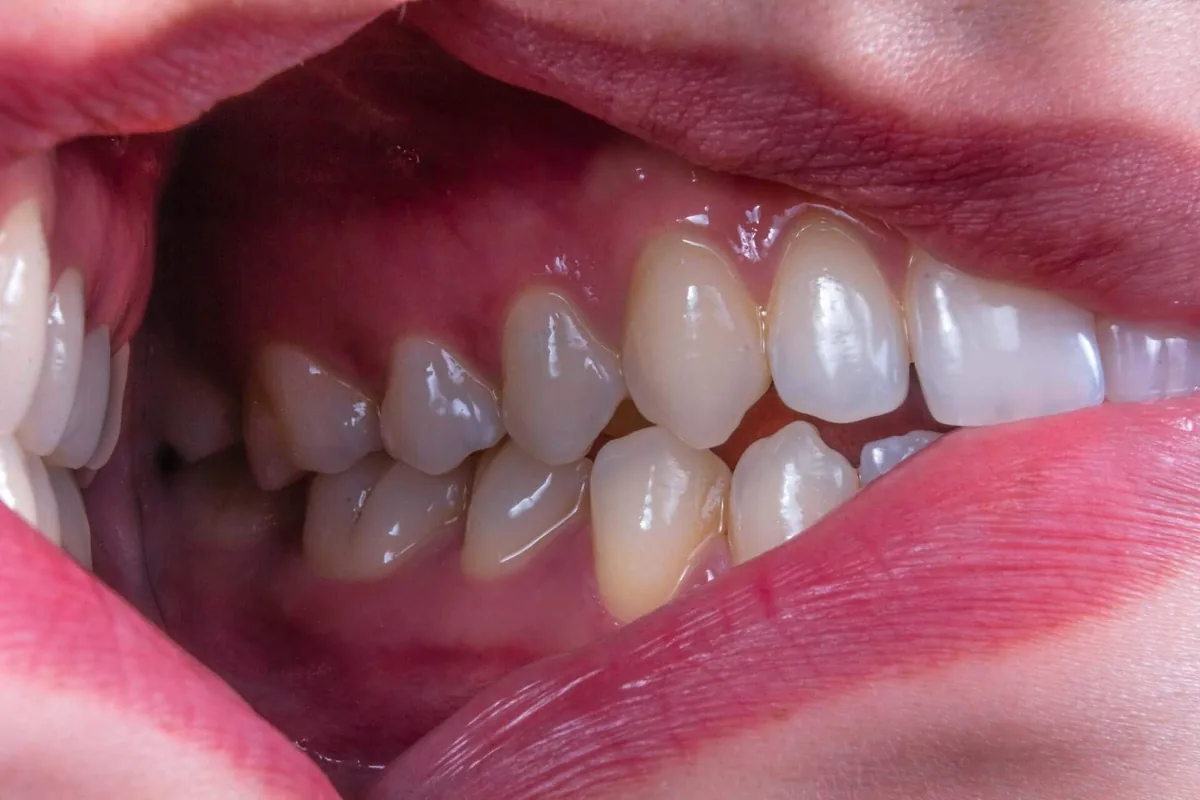
Crowded, overlapping, or rotated teeth create tight spaces where plaque packs in and a toothbrush simply cannot reach. That buildup leads directly to gum irritation and bleeding, regardless of how carefully someone brushes.
Orthodontics addresses alignment concerns that braces can correct, including crowding, gaps, and bite problems that put uneven pressure on specific teeth and the gum tissue around them. How braces improve bite alignment goes beyond aesthetics: a properly aligned bite distributes chewing force evenly, which reduces wear and stress on the supporting gum and bone.
Orthodontic care for long-term function means fewer blind spots in your cleaning routine and a lower lifetime risk of gum disease.
Frequently Asked Questions
Bleeding gums come with a lot of questions, especially when the bleeding seems inconsistent or happens without any pain. These answers address the most common concerns patients raise when they are trying to figure out what is actually going on.
Is it normal for my gums to bleed even if I brush every day?
Daily brushing does not automatically prevent gum bleeding if plaque is still accumulating along the gumline. Technique matters as much as frequency, and if you are using a hard-bristled brush or pressing too firmly, you may be causing the bleeding yourself. A dental checkup can help identify whether the cause is your routine or an underlying gum issue.
What vitamin or mineral deficiencies can cause bleeding gums?
A deficiency in vitamin C is the most well-known cause of gum bleeding unrelated to oral hygiene, as it weakens the connective tissue in the gums. Vitamin K deficiency can also affect how well your blood clots, which makes bleeding more noticeable. If your gums bleed and your oral hygiene is consistent, your dentist may recommend ruling out systemic causes with your primary care provider.
Why am I seeing blood when I brush even though it doesn't hurt?
Early signs of gum disease like gingivitis often cause no pain at all, which is exactly what makes them easy to ignore. The tissue can be significantly inflamed and still feel normal to you. Painless bleeding that persists beyond two weeks is a reason to schedule a dental checkup, not a reason to assume everything is fine.
What can I do to help stop gum bleeding quickly at home?
Switch to a soft-bristled toothbrush, lower your brushing pressure, and start flossing daily if you are not already. Rinsing with warm saltwater two to three times a day can reduce inflammation in the short term. If the bleeding does not improve within two weeks of consistent home care, see a dentist to rule out gum disease.
Why do my gums bleed when I floss?
If you floss infrequently, the gums are likely inflamed from plaque buildup between teeth, and flossing disturbs that tender tissue. This type of bleeding usually stops within five to seven days of daily flossing once the inflammation settles down. If the bleeding continues past two weeks, it points to a more persistent problem that needs professional evaluation.
Could bleeding gums be a sign of something serious like an infection or cancer?
Persistent bleeding, especially when combined with loose teeth, pus, swelling, or unexplained weight loss, should always be evaluated by a dentist or physician. While most bleeding gums trace back to gum disease or mechanical irritation, certain systemic conditions, including blood disorders and, in rare cases, oral cancer, can also present with gum bleeding. Early evaluation gives you a clear answer and, if needed, access to early treatment.
Take the Next Step for Healthier Gums
Bleeding gums are a signal worth paying attention to, not something to brush off along with your toothpaste. Whether the cause is a brushing habit you can change today or an early sign of gum disease that needs professional care, getting a clear answer puts you back in control.
The earlier you act, the simpler the solution tends to be. Gingivitis, when caught early, responds well to a professional cleaning and a few adjustments at home. The same problem left alone for months or years often requires more involved treatment to reverse.
Dentist of West Covina offers comfort-first dental treatment for every stage of gum health, from routine checkups to deep cleaning and periodontic care. Call us today at (626) 386-8380 or book your appointment online to get the answers your gums are asking for.