Living with crooked teeth, bite issues, or jaw discomfort can make everyday things feel frustrating. If you've been searching for a dentist you can trust for orthodontic care, braces can help address alignment concerns over time while supporting a healthier, more balanced smile.
At Dentist of West Covina, we focus on comfort-first care that helps you feel informed and confident throughout treatment. With modern technology, personalized treatment plans, and flexible scheduling, we make it easier to explore braces that fit your needs and lifestyle.
This guide explains how braces help correct common bite and spacing problems, improve jaw function, and support long-term oral health. You'll also learn what to expect during treatment and which orthodontic options may work best for your smile.
Bite Problems Braces Commonly Correct
Bite problems—malocclusion, if you want the technical word—happen when your upper and lower teeth don't come together how they're supposed to. This can make chewing tricky, cause jaw pain, wear down your teeth unevenly, or even mess with your speech.
Overbite and Overjet
An overbite means your upper front teeth overlap your lower front teeth too much when you close your mouth. A little overlap is normal, but a deep overbite can wear down your lower teeth or even cause them to bite into the roof of your mouth.
Overjet's a bit different. It's when your upper teeth jut out horizontally past your lower teeth—some folks call this "buck teeth." Both of these can lead to tooth damage and jaw discomfort over time.
Braces fix overbite and overjet by gradually shifting your teeth into better positions. Orthodontists often use elastics (those little rubber bands) to help guide your jaw into proper alignment.
Underbite
If your lower teeth sit in front of your upper teeth, that's an underbite. Chewing can get awkward, and your jaw joints might start to feel the strain.
Braces can usually correct mild underbites by moving the teeth into place. For more severe cases, your orthodontist might suggest extra appliances or even jaw surgery, depending on what's going on.
Crossbite
A crossbite happens when some upper teeth sit inside your lower teeth instead of outside. This can show up on one side or both.
If you leave a crossbite alone, it can cause uneven tooth wear, gum issues, and even bone loss around certain teeth. Braces, sometimes with a palatal expander, can tackle this problem pretty well.
Open Bite
With an open bite, your front (or sometimes back) teeth don't touch when you close your mouth. Biting into foods like apples or sandwiches? Not so easy.
Open bites often start from habits like thumb-sucking or tongue-thrusting. Braces can close the gap by moving the teeth into contact, and for younger patients, your orthodontist might recommend habit-breaking appliances.
Spacing, Crowding, and Tooth Position Issues
Braces aren't just about fixing your bite—they also straighten out how individual teeth are lined up. Crowded teeth, gaps, and crooked teeth can all lead to more than just cosmetic concerns. Think tooth decay, gum disease, and uneven wear.
Crowded and Crooked Teeth
Crowded teeth happen when your jaw doesn't have enough space for all your teeth to fit the way they should. Teeth might overlap, twist, or push up against each other.
It's not just about looks. Crowded teeth make brushing and flossing a pain, and food and plaque get trapped, raising your risk for cavities and gum disease.
Braces gently guide crowded teeth apart and into alignment. Sometimes, your orthodontist may suggest removing a tooth to make room before starting.
Spacing Issues and Missing Teeth
Gaps between teeth can be genetic, or maybe your teeth are just a bit too small for your jaw. Missing teeth can also cause neighbors to drift into the empty space, creating more alignment headaches.
Braces can close those unwanted gaps and even out the spacing across your smile. If you're missing a tooth, your orthodontist might use braces to make space for a future implant or bridge.
Misaligned Teeth and Uneven Wear
Even if your teeth aren't super crowded or gapped, they can still be tilted or rotated in ways that cause problems. Misaligned teeth don't share chewing forces equally, so some teeth end up doing extra work.
That can mean uneven wear, chipping, or sensitivity over time. Braces help distribute your bite force more evenly, protecting your teeth for the long haul.
How Braces Improve Jaw Function Over Time
Braces do more than just straighten your teeth. By moving your teeth, you also affect how your upper and lower jaws fit together, which can actually relieve pain and make chewing and speaking easier.
Jaw Misalignment and Everyday Symptoms
If your jaw's out of whack, you might notice symptoms that don't seem tooth-related at all. These can include:
Jaw pain or soreness, especially when you wake up
Trouble chewing or biting down evenly
Frequent headaches
Teeth grinding (bruxism)
Clicking or popping in your jaw joint
A misaligned jaw makes your muscles and joints work harder than they should. Braces help by shifting your teeth, so your bite comes together more naturally, taking pressure off your jaw.
Jaw Growth and Growth Modification
For younger patients, orthodontic care can actually help guide jaw growth. Appliances like headgear or functional devices work with braces to encourage the jaw to grow in a better direction.
That's one reason orthodontists recommend an evaluation by age seven. Catching jaw growth issues early gives you more options for less invasive treatment.
In adults, the jaw has stopped growing, so treatment focuses on moving teeth within the existing bone. You can still see big changes, but early intervention just gives you more flexibility.
When TMJ Symptoms May Be Part of the Picture
The temporomandibular joint (TMJ) connects your jawbone to your skull. TMJ disorders can bring pain, stiffness, or limited jaw movement.
Braces aren't a guaranteed fix for TMJ problems, but correcting your bite can take some pressure off the joint. Many people notice less jaw pain and fewer headaches once their teeth and bite line up better.
Your orthodontist will factor in your TMJ health when creating your treatment plan. If your symptoms are severe, they might team up with other specialists.
Treatment Options an Orthodontist May Recommend
There's no one-size-fits-all solution. Your orthodontist will recommend a treatment plan based on your specific needs, how complex your case is, and what you're comfortable with.
Traditional Metal and Ceramic Braces
Traditional metal braces are still one of the most effective ways to straighten teeth. They use metal brackets bonded to your teeth, connected by a wire that gently moves everything into place.
Metal braces can tackle everything from mild crowding to serious bite issues. They're durable, reliable, and usually the most budget-friendly option.
Ceramic braces work the same way but use tooth-colored or clear brackets. They're less noticeable, which is nice if you're self-conscious about your smile. They can be a bit more fragile, so you'll need to be careful.
Lingual Braces and Clear Aligners
Lingual braces go on the back side of your teeth, so nobody sees them when you smile. They're great for a lot of alignment issues, though they take some getting used to and can be trickier to clean.
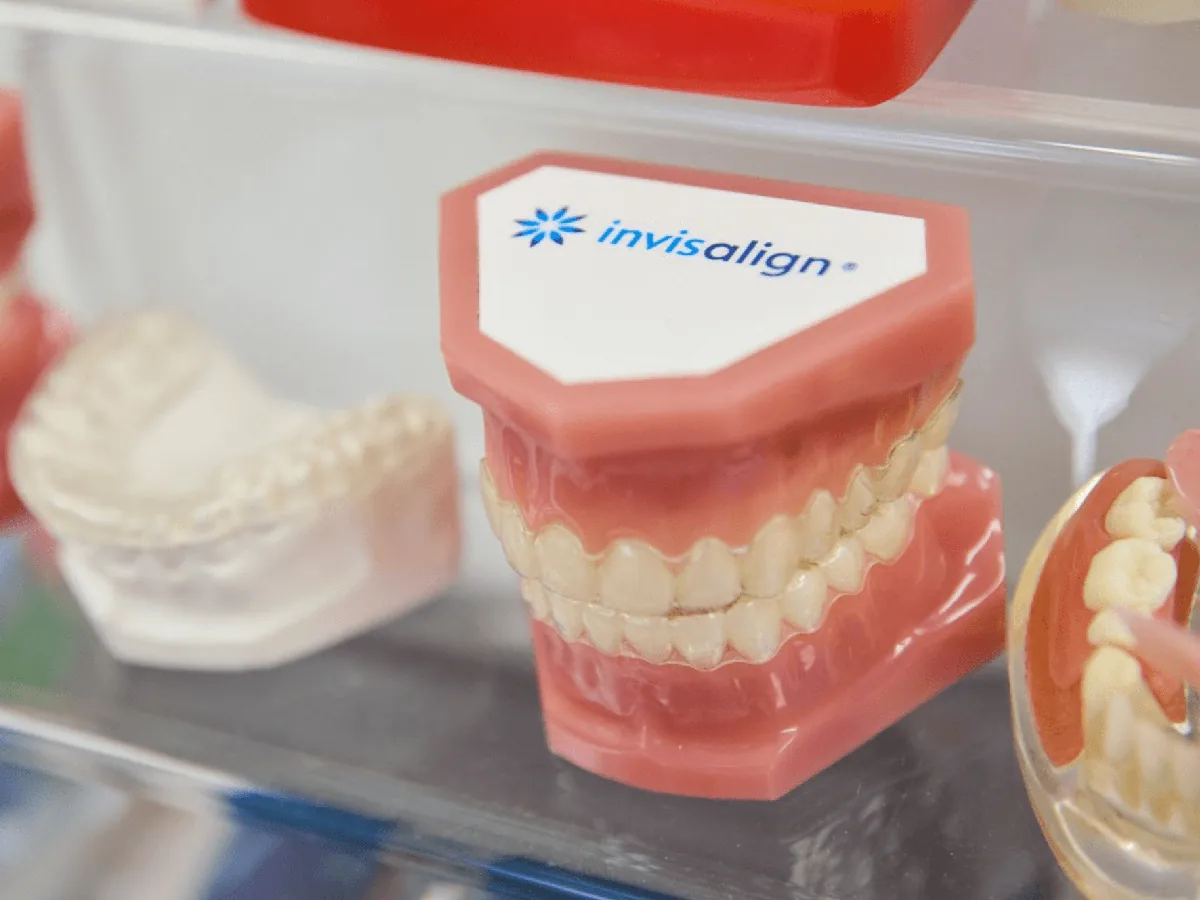
Clear aligners (like Invisalign®) use a series of custom, removable trays to shift your teeth gradually. They're best for mild to moderate alignment problems and are super convenient since you can take them out to eat and brush.
Not every case is right for aligners, though. Your orthodontist will let you know if you're a candidate.
Expanders, Elastics, and Headgear
Sometimes braces need backup. Your orthodontist might add other appliances to the mix:
Palatal expander: Widens your upper jaw to fix crossbites or make room for crowded teeth
Elastics (rubber bands): Stretch between upper and lower brackets to help line up your bite
Headgear: Worn outside your mouth to guide jaw growth or hold teeth in place
These tools are often used alongside braces and can make a big difference.
When Orthognathic Surgery Is Considered
If your jaw itself is way out of position, braces alone might not cut it. Orthognathic (jaw) surgery repositions your upper jaw, lower jaw, or both.
Surgery is usually for severe skeletal misalignment that can't be fixed with appliances alone. Braces are worn before and after surgery to fine-tune your bite.
Your orthodontist and an oral surgeon will coordinate if surgery is on the table. It's a bigger commitment, but sometimes it's the only way to get a truly functional bite.
What to Expect During and After Treatment
Knowing what's coming at each stage can make the whole process less intimidating. From your first consult to wearing your retainer years later, every step matters.
Evaluation, Digital Scans, and 3D Imaging
Everything starts with an evaluation at your orthodontist's office. They'll check your teeth, your bite, and how your jaws line up.
Most places use digital scans and 3D imaging now instead of those goopy impressions. These tools create a super-detailed map of your teeth and jaws, so your orthodontist can plan your treatment precisely.
Your Treatment Plan and Treatment Duration
After the evaluation, your orthodontist will lay out a treatment plan tailored to you. This will cover what needs fixing, what appliances you'll use, and how long it should all take.
Treatment time really depends on the complexity. Mild cases might be done in 12 months, while tougher ones can take two or three years. Most people fall somewhere in the middle.
Many orthodontic offices offer payment plans or work with insurance to make things more manageable.
Regular Adjustments and the Retention Phase
Once your braces are on, you'll visit your orthodontist for regular adjustments. These check-ins, usually every four to eight weeks, involve tightening wires or swapping out aligners to keep your teeth moving as planned.
You might feel a little sore after adjustments—totally normal, and it fades in a few days. Over-the-counter pain meds and soft foods help.
The retention phase kicks in after your braces come off. This stage is just as important as the active treatment phase.
Retainers, Oral Hygiene, and Long-Term Stability
After your braces come off, you'll need to wear a retainer to help your teeth stay put. Teeth really want to drift back, so sticking to your retainer routine is pretty important.
Some folks wear retainers all day at first, then switch to just at night. Your orthodontist will lay out exactly how and when to wear it.
Good oral hygiene matters a lot during treatment and after. Brush after you eat, floss every day (even if it's a hassle), and try not to skip those regular dental checkups.
Taking care of your teeth during and after orthodontic treatment isn't just about looks—it helps protect the time and money you've put in. And honestly, who wants to go through all that effort just to let things slide?
Your Healthier Smile Can Improve Over Time
Correcting alignment concerns does more than straighten your teeth. Braces can improve how your bite fits together, make cleaning your teeth easier, and help reduce uneven wear that affects long-term oral health.
At Dentist of West Covina, we create personalized orthodontic treatment plans designed around your comfort, goals, and daily routine. Whether you're dealing with crowding, spacing, or bite concerns, we use modern technology to help you feel confident throughout the process.
A straighter, healthier smile takes time, but steady progress can make a meaningful difference in how your teeth look and function. Request an appointment to learn which braces or alignment options may fit your needs and lifestyle.
Frequently Asked Questions
How do braces help correct alignment concerns over time?
Braces apply gentle, steady pressure that gradually moves your teeth and bite into healthier positions. Over time, this process can improve crowding, spacing, crooked teeth, and bite alignment while also supporting better oral health and jaw function.
Can adults get braces for bite and spacing problems?
Yes, adults can benefit from braces at almost any age. Many adults choose orthodontic treatment to improve crowded teeth, correct bite issues, or create a smile that feels more comfortable and easier to maintain.
How long does orthodontic treatment usually take?
Treatment time depends on how complex your alignment concerns are and which type of braces you use. Some mild cases may take about a year, while more advanced bite corrections can take two to three years to complete.
What bite problems can braces correct?
Braces can help correct several common bite concerns, including overbites, underbites, crossbites, open bites, and overjets. Improving your bite alignment can make chewing more comfortable and help reduce uneven pressure on your teeth.
Do braces help with jaw discomfort or TMJ symptoms?
Braces may help reduce jaw strain by improving how your upper and lower teeth fit together. Some people notice less jaw tension, fewer headaches, and improved comfort after their bite becomes more balanced.
Are clear aligners as effective as traditional braces?
Clear aligners work well for many mild to moderate alignment concerns and offer a more discreet treatment option. Traditional braces often work better for more complex bite problems or significant tooth movement.
What happens after braces come off?
After treatment, you'll wear a retainer to help keep your teeth in their new positions. Wearing your retainer as directed and keeping up with good oral hygiene can help protect your long-term results. If you want to learn more about braces or alignment treatment, Schedule Your Visit Online for guidance tailored to your smile goals.