If you are interested in Invisalign® but worried about soreness, hassle, or keeping everything clean, you are not alone. Good Invisalign® dental care habits can make treatment feel simpler and more comfortable.
At Dentist of West Covina, we plan your aligners carefully and explain what to expect in plain language. You will also get practical tips to protect your teeth and gums from day one.
Below, you will learn how Invisalign® works, how to care for aligners daily, and what to expect before and after treatment. If you feel anxious about discomfort or maintenance, this guide will help you feel more prepared.
What Is Invisalign®?
Invisalign® is a teeth-straightening system that uses clear, removable plastic aligners instead of braces. The aligners are custom-made to fit your teeth and gradually shift them into position.
How Invisalign® Works
Your treatment starts with a visit to a dental provider who creates a 3D scan of your teeth. This scan helps design a series of custom aligners made from a flexible plastic material called SmartTrack.
You wear each set of aligners for about 1 to 2 weeks before switching to the next set. Each aligner is slightly different and moves your teeth a small amount.
You need to wear aligners 20 to 22 hours per day for the best results. You can remove them when you eat, drink, brush, or floss.
Regular checkups with your dental provider happen every 6 to 8 weeks. These visits track progress and confirm your treatment is working as planned.
Comparison With Traditional Braces
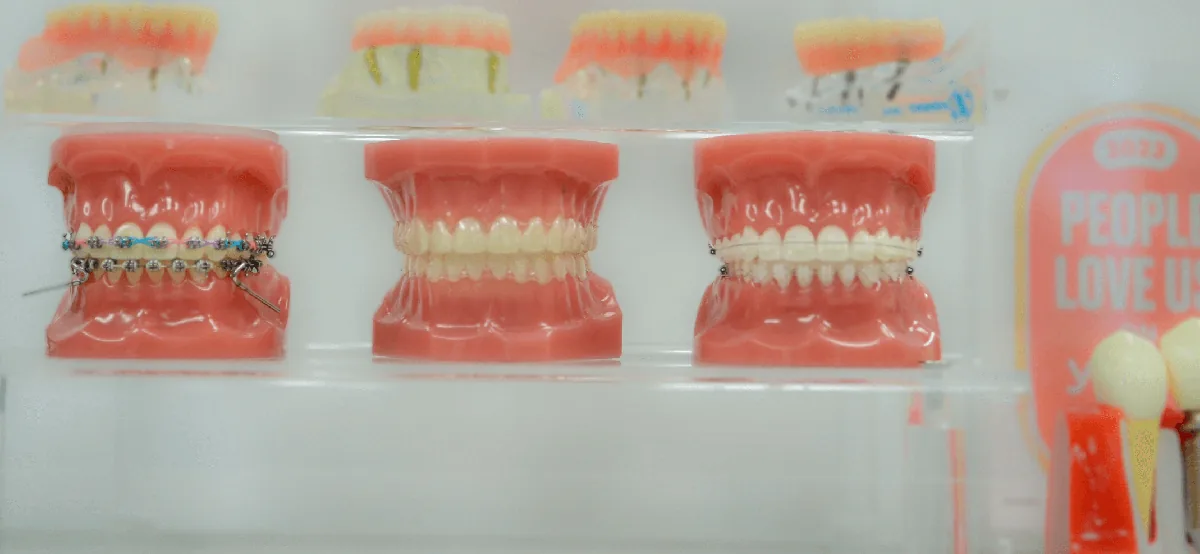
Appearance: Invisalign® aligners are clear and nearly invisible. Traditional braces use metal brackets and wires that are easy to see.
Comfort: Smooth plastic aligners have no sharp edges or protrusions. Metal braces can irritate cheeks and gums, especially after adjustments.
Removability: You can remove Invisalign® aligners for meals and cleaning. Braces stay fixed to your teeth throughout treatment.
Food Restrictions: With Invisalign®, you can eat whatever you want since you remove your aligners. Braces often require avoiding hard, sticky, or chewy foods.
Cleaning: You can brush and floss normally with Invisalign® since aligners come out. Braces make cleaning harder and may require special tools.
Suitable Candidates For Invisalign®
Invisalign® can address crowded teeth, gaps, overbites, underbites, and crossbites. It can work well for teenagers and adults who want to straighten their teeth.
You may be a good candidate if you have mild to moderate alignment issues. Severe bite concerns or complex tooth movements may still need traditional braces.
Your commitment matters. You must wear aligners at least 20 hours daily and follow instructions closely to stay on track.
You also need healthy gums and enough enamel to support treatment. Your dental provider will examine your teeth and discuss goals to confirm if Invisalign® fits your needs.
Benefits Of Invisalign® Treatment
Invisalign® clear aligners offer practical advantages that can make straightening teeth feel more manageable. Benefits include appearance, comfort, and flexibility in daily routines.
Aesthetic Advantages
Clear aligners are nearly invisible when worn. People often do not notice them unless they look closely. This makes Invisalign® popular with adults and teens who want a subtle option. You can feel more confident in photos and social settings.
Aligners typically do not show in pictures or draw attention during conversations. This can help if you are often in professional or social environments. The transparent design supports steady progress without making you feel self-conscious. Your smile improves gradually while treatment stays low profile.
Comfort And Convenience
Invisalign® aligners are made from smooth plastic without brackets or wires. That means fewer mouth irritations from sharp edges. Aligners fit snugly over your teeth and can be removed when needed. Take them out for eating, brushing, and flossing.
Treatment typically takes 12 to 18 months, and many patients have fewer adjustment visits. Most checkups are every 6 to 8 weeks instead of monthly.
Fewer Dietary Restrictions
You can eat what you want with Invisalign® because you remove aligners before meals. There are no off-limits foods due to brackets or wires.
With braces, sticky, hard, and chewy foods can damage equipment. With Invisalign®, you remove the aligners, eat, brush, and put them back in.
This flexibility can make it easier to stay consistent with wear time and daily life. It also supports stronger routines for successful Invisalign® dental care.
Dental Care During Invisalign®
Keeping your mouth healthy during Invisalign® requires consistent brushing and flossing. It also means cleaning aligners properly and making smart choices to reduce the risk of cavities and gum disease.
Daily Oral Hygiene Tips
Brush your teeth after every meal before reinserting aligners. Food and bacteria can get trapped, raising the risk of cavities and gum irritation.
Brush for at least two minutes with a soft-bristle toothbrush and fluoride toothpaste. Clean all tooth surfaces, including along the gumline.
Floss at least once per day to remove plaque between teeth. If you cannot brush right away, rinse with water before putting the ligers back in.
Keep a travel toothbrush kit so your routine stays easy away from home. Consider an antibacterial mouthwash once daily to reduce bacteria and help protect gums.
Cleaning And Maintaining Aligners
Clean aligners each time you brush using a soft toothbrush and clear antibacterial soap. Use the cleaning solution recommended by your dentist when appropriate.
Avoid toothpaste on aligners, as it can scratch the plastic and make the trays look cloudy. Rinse with lukewarm water only, not hot water. Soak aligners once per day using cleaning crystals or a denture cleaner.
Store trays in their case whenever they are out of your mouth. A case helps prevent loss, damage, and bacterial contamination on surfaces. This is a simple step that supports Invisalign® dental care hygiene.
Preventing Tooth Decay And Gum Issues
Remove aligners whenever you eat or drink anything other than water. Sugary drinks and foods can trap acids against teeth under the trays.
Watch for swollen gums, bleeding with brushing, or white spots on teeth. These can be early signs of gum inflammation or enamel weakening.
Contact your dentist if you notice these changes. Limit snacking because each snack means removing aligners, cleaning teeth, and reinserting trays. Frequent snacking can reduce the time spent in aligners. Less wear time may extend treatment length and affect results.
Preparing For Invisalign®
Getting ready for Invisalign® includes meeting with your dentist and creating a plan based on your goals. These steps help set clear expectations and support smoother treatment.
Initial Consultation Process
The first appointment sets the foundation for treatment. Your dentist examines your teeth and takes photos and X-rays. They also create digital scans or impressions to evaluate alignment. This is the right time to ask questions and talk through concerns.
Discuss possible treatment length, expected changes, and costs. Share your dental history and daily habits to help plan more accurately.
If you are worried about discomfort or speech changes, say so. A calm plan and clear coaching can make starting feel easier.
Customizing Your Treatment Plan
After the consultation, your dentist uses software to create a 3D model of your teeth. This shows how teeth may move over time. You can usually see a preview of the projected outcome. Your dentist also estimates how many aligner sets you may need.
Many people need 20 to 30 sets, though it depends on the case. Each set is worn for about one to two weeks before switching.
Some plans include attachments on certain teeth. These small, tooth-colored bumps help aligners grip and guide specific movements.
Aftercare And Long-Term Results
Your Invisalign® journey continues after the last aligner. Aftercare, including retainer wear, helps keep teeth in their new positions long term.
Retainers And Post-Treatment Care
You will need to wear retainers after Invisalign® finishes. Without retainers, teeth can shift, reducing the stability of your result.
Many people wear retainers full-time for the first 3 to 6 months. After that, they often transition to night-only wear.
Common retainer types include:
Fixed retainers: A thin wire bonded behind teeth that stays in place
Removable retainers: Clear trays or wire retainers you remove to eat and brush
Your dentist will schedule follow-up appointments to confirm that the retainers fit well. These visits help protect results and support ongoing Invisalign® dental care habits.
Maintaining Your New Smile
Clean retainers daily with a soft toothbrush and mild soap or denture cleaner. Avoid hot water since it can warp plastic. Brush at least twice per day and floss once daily. Good hygiene helps prevent cavities and gum disease that can affect alignment.
Visit your dentist every six months for cleanings and checkups. Store retainers in their case when you are not wearing them.
Avoid biting hard foods or chewing pens and pencils. If you grind at night, ask your dentist about a night guard for added protection.
Feel More Comfortable And Confident With Invisalign®
Invisalign® can be a smooth experience when you know what to expect. With consistent wear and simple hygiene habits, discomfort is usually brief and manageable.
At Dentist of West Covina, we focus on gentle techniques, clear instructions, and modern planning. Our goal is to reduce stress while helping you protect your smile throughout treatment.
If you have concerns about soreness, maintenance, or staying on track, support matters. Request an appointment or call our West Covina Office to talk through your options in a calm, pressure-free way.
Frequently Asked Questions
Does Invisalign® Hurt?
Most patients feel mild pressure or soreness for a day or two when starting a new set of aligners. This is normal and usually fades quickly as your teeth adjust.
How Do I Reduce Discomfort With Invisalign®?
Wearing aligners as directed helps your mouth adjust faster. Good dental care Invisalign® habits, like brushing before reinserting trays, can also reduce irritation.
How Often Should I Clean My Aligners?
Aligners should be cleaned every day, ideally each time you brush your teeth. This helps prevent odor, staining, and bacterial buildup.
Can I Eat Or Drink With Invisalign® Aligners?
You should remove aligners before eating or drinking anything except water. This protects your teeth and keeps aligners from warping or staining.
What Happens If I Forget To Wear My Aligners Long Enough?
Not wearing aligners for the recommended 20 to 22 hours can slow progress and increase discomfort later. Consistency keeps treatment smoother and more predictable.
Will Invisalign® Affect My Speech?
Some people notice a slight lisp at first. This usually goes away within a few days as your tongue adjusts to the aligners.
How Do I Know If Something Is Wrong During Treatment?
Swollen gums, bleeding, or new white spots on teeth are signs to call your dentist. Early guidance can prevent bigger issues during Invisalign® care.