Finding the right pediatric dentistry provider can be stressful, especially if your child feels anxious or afraid of dental visits.
At Dentist of West Covina, care is designed to be gentle, reassuring, and age-appropriate, helping children feel safe from their very first appointment.
This guide explains pediatric dentistry, why early care matters, what services children need, and how to make dental visits easier for your family.
What Is Pediatric Dentistry?
Pediatric dentistry is a specialized branch of dental care that focuses on the oral health of children from birth through adolescence. This field addresses the unique dental needs of young patients, including those with special healthcare requirements.
Differences From General Dentistry
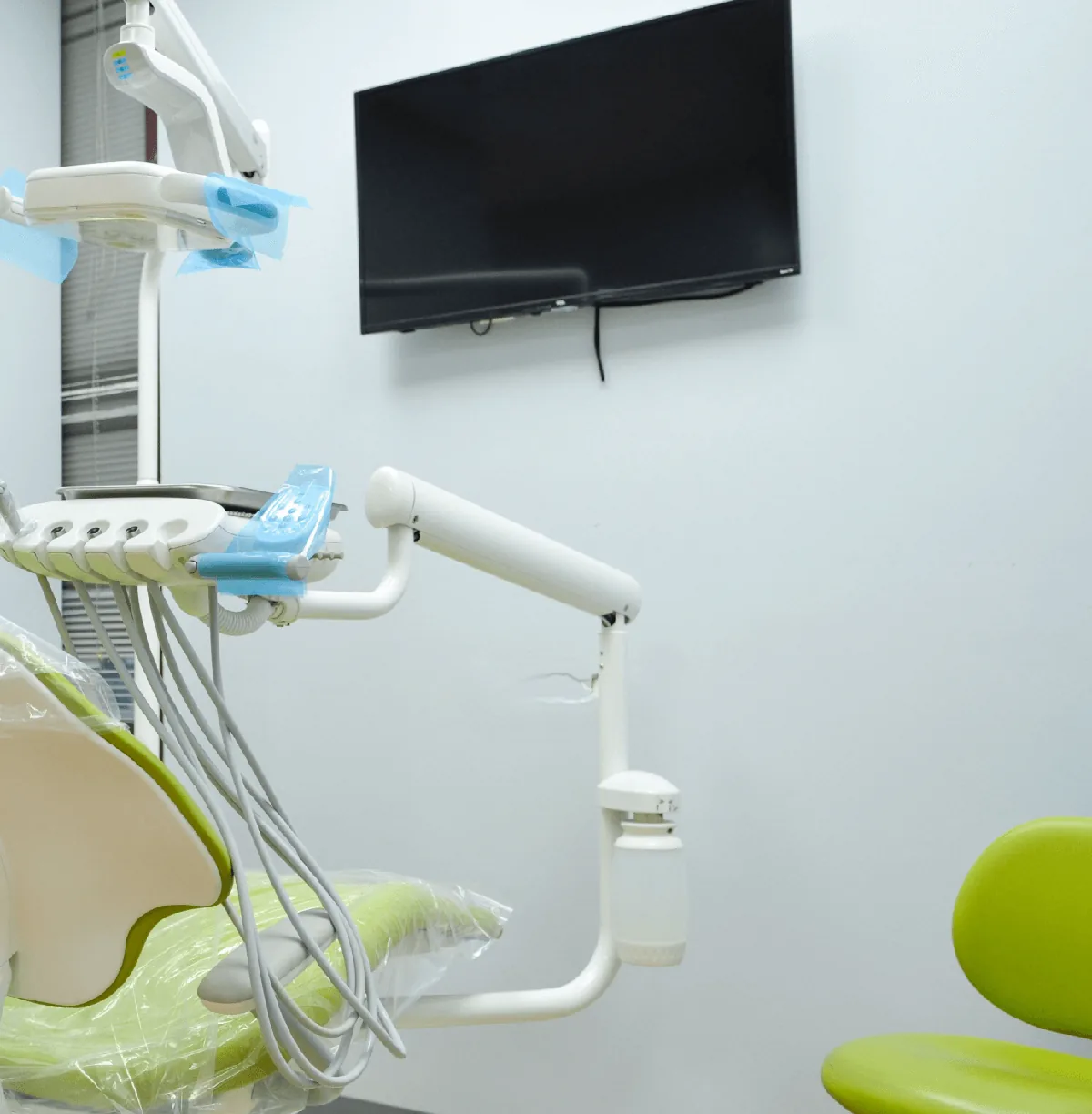
Pediatric dentists focus exclusively on treating children, while general dentists care for patients of all ages. The offices are designed with kids in mind, with child-friendly equipment, colorful decor, and a welcoming vibe that helps reduce dental anxiety.
The treatment approach is different, too. Pediatric dentists understand child development and behavior, so they can communicate with kids in ways that make sense to them.
They use age-appropriate explanations and techniques, which help make dental visits less intimidating and even a little educational. Pediatric dentists also treat conditions specific to growing children, such as monitoring tooth development, managing thumb-sucking, and addressing early orthodontic issues.
They track how your child's teeth and jaw develop over time, catching potential problems before they get serious. Early intervention can make a big difference.
Age Range Covered By Pediatric Dentists
Pediatric dentists provide care from infancy through adolescence, typically until age 18 or 21. Your child's first visit should happen when their first tooth appears or by their first birthday.
During infancy, the focus is on teething care and starting good oral hygiene habits. As your child grows into toddler and preschool years, the dentist monitors primary teeth and teaches proper brushing techniques.
School-age children get care as they lose baby teeth and permanent teeth come in. Teenagers benefit from continued monitoring of their developing teeth and jaw.
This age group often needs advice about wisdom teeth, orthodontic treatment, and the effects of diet on dental health. It’s a lot to keep track of, honestly.
Specialized Training For Pediatric Dentists
Pediatric dentists complete four years of dental school just like everyone else. After earning their dental degree, they go through an extra two to three years of specialized residency training focused entirely on children's dental care.
This advanced training covers child psychology, growth and development, and special techniques for treating young patients. Pediatric dentists learn to manage dental injuries common in children, handle both primary and permanent teeth, and care for children with special healthcare needs.
They also get trained in sedation methods designed specifically for pediatric patients, making sure anxious or very young children get safe and comfortable treatment.
Common Pediatric Dental Services
Pediatric dentists offer specific treatments designed for children's developing teeth and gums. These services focus on preventing problems before they start and treating common childhood dental issues in ways that keep kids comfortable.
Preventive Care And Cleanings
Regular dental checkups form the foundation of your child's oral health. During these visits, the dentist examines your child's teeth, gums, and jaw to catch any problems early.
Professional cleanings remove plaque and tartar that regular home brushing can't eliminate. The dental hygienist uses special tools to gently clean every surface of your child's teeth.
Kids should visit the dentist every six months for routine care. These appointments let the dentist track how your child's teeth are growing and developing.
The dentist can spot issues like crowding or bite problems before they become serious. During each visit, you'll get guidance on proper brushing and flossing techniques for your child's age.
The dental team can answer your questions about teething, thumb sucking, and diet choices that affect tooth health.
Dental Sealants And Fluoride Treatments
Dental sealants are thin plastic coatings painted onto the chewing surfaces of back teeth. These sealants fill in the grooves where food and bacteria often get trapped.
They create a smooth, protective barrier that makes teeth easier to clean. Most children get sealants on their permanent molars as soon as these teeth come in.
The application is quick, painless, and can prevent cavities for several years. Fluoride treatments strengthen tooth enamel and help prevent decay.
The dentist applies a fluoride gel, foam, or varnish directly to your child's teeth. This concentrated fluoride works better than toothpaste alone at protecting teeth from acid and bacteria.
Kids at higher risk for cavities might need fluoride treatments every three to six months. The dentist will recommend the right schedule for your child.
Cavity Fillings For Children
Cavities in baby teeth need treatment just like cavities in adult teeth. These primary teeth hold space for permanent teeth and help your child chew and speak properly.
The dentist removes the decayed part of the tooth and fills the space with a safe material. Common filling materials for children include tooth-colored composite resin or silver amalgam.
Composite fillings blend in with natural teeth and work well for front teeth, where appearance matters. The procedure usually requires local anesthesia to keep your child comfortable.
Some dental offices offer sedation options for children who feel anxious about dental work. After getting a filling, your child can usually eat and drink normally within a few hours.
Preparing Kids For Their Dental Visit
Getting your child ready for the dentist starts with creating a calm, positive experience from the very beginning. Children should visit a dentist by their first birthday or within six months of their first tooth coming in. Proper preparation helps reduce anxiety while building good habits that last a lifetime.
Tips For Parents
Use simple, age-appropriate language when talking to your child about the dentist. Avoid scary words like "pain," "shot," or "hurt."
Instead, focus on positive terms like "clean," "strong," and "healthy." Read books or watch videos about dental visits together before the appointment.
This helps your child know what to expect in a fun, relaxed way. Keep these approaches in mind:
Stay calm and positive yourself, as children pick up on parental anxiety.
Avoid bribing with treats or making promises about what will or won't happen.
Schedule the appointment when your child is well-rested and alert.
Bring a favorite toy or comfort item to the visit.
Choose a pediatric dentist who specializes in working with children. These professionals have training in child comfort and create office environments designed to make kids feel safe.
What Happens During The First Appointment
The first visit focuses on making your child comfortable with the dentist and the office setting. The dentist will gently examine your child's teeth and gums, checking for cavities, growth patterns, and overall oral health.
They’ll count your child's teeth and look at how they're developing. They may clean the teeth if your child is comfortable with it.
The staff will show your child the tools and equipment in a non-threatening way. You'll receive guidance on proper brushing techniques, fluoride use, and dietary choices that affect dental health.
The dentist will also discuss teething, pacifier use, and thumb-sucking habits if relevant to your child's age. Most first visits last 30 to 45 minutes. Your child may sit in your lap during the exam if that helps them feel more secure.
Importance Of Early Dental Visits
Starting dental care by age one helps prevent problems before they develop. Baby teeth matter more than many parents realize because they hold space for permanent teeth and help with proper speech development.
Early visits help your child become familiar with the dental office environment. This familiarity reduces fear and anxiety about future appointments.
Dentists can spot potential issues like tooth decay, bite problems, or developmental concerns early. Early detection means simpler, less expensive treatment options.
These visits teach you and your child proper oral care habits. You'll learn the right way to brush your child's teeth, when to start flossing, and how diet impacts dental health.
Oral Health Tips For Children
Good dental habits start early and set the stage for a lifetime of healthy teeth and gums. Teaching your child proper brushing techniques, understanding tooth development, and choosing the right foods all play important roles in preventing cavities and other dental problems.
Brushing And Flossing Guidance
Start cleaning your child's mouth even before the first tooth appears. Wipe your baby's gums with a soft, damp cloth after feedings to remove bacteria.
Once the first tooth comes in, use a soft-bristle infant toothbrush. Apply a thin smear of fluoride toothpaste, about the size of a grain of rice.
When your child turns three, you can use a pea-sized amount. Brush your child's teeth twice a day, especially before bedtime. Make sure to brush all surfaces of the teeth, including the backs and along the gum line. Most kids don't have the skills to brush well on their own until they're about six to eight years old.
Start flossing as soon as two teeth touch each other. This removes food and plaque from between teeth where a toothbrush can't reach. Help your child floss daily until they can do it independently.
Dealing With Teething And Tooth Eruption
Teething usually begins around six months old, though timing varies for each child. Your baby might drool more, want to chew on objects, or seem fussier than usual during this time.
You can help soothe teething discomfort by gently rubbing your baby's gums with a clean finger or a cool, wet washcloth. Teething rings chilled in the refrigerator can also provide relief.
Avoid teething gels that contain benzocaine, as they can be harmful to young children. Baby teeth typically fall out between the ages of 6 and 12 to make room for permanent teeth.
Encourage your child to wiggle loose teeth gently with their tongue or clean fingers. If a tooth seems stuck or causes pain, your dentist can help.
Healthy Diet Habits
What your child eats directly affects their dental health. Sugary foods and drinks feed the bacteria in the mouth that cause cavities.
Limit juice, soda, and sugary snacks between meals. When your child does have sweets, offer them during mealtimes rather than as snacks throughout the day.
This reduces the frequency with which teeth are exposed to sugar. Foods that support healthy teeth:
Cheese and yogurt
Crunchy vegetables like carrots and celery
Fresh fruits
Whole grains
Water and milk
Never put your baby to bed with a bottle of milk, formula, or juice. The sugars sit on teeth during sleep and can cause severe tooth decay. If your child needs comfort at bedtime, offer a bottle of plain water instead.
Finding The Right Pediatric Dentist
A good pediatric dentist needs proper training and a way of working with kids that makes them feel safe. Asking the right questions during your first visit helps you understand if the practice is right for your family.
Qualities Of A Great Pediatric Dentist
Board certification indicates that a dentist has completed additional years of training beyond dental school. This specialized education covers child development, behavior management, and treatments specific to the development of teeth and jaws.
Look for a dentist who communicates with your child at their level. They should explain procedures in simple terms that don't scare kids.
Watch how they interact during the consultation. The office environment matters just as much as credentials.
Child-friendly spaces with bright colors, toys, and age-appropriate books help kids feel comfortable. Some practices have TVs or tablets to distract during procedures. Experience with anxious children is vital. Great pediatric dentists use positive reinforcement instead of force.
They move at your child's pace and never rush through appointments. Check if the practice offers emergency care or has clear protocols for urgent situations. You need to know who to call if your child has a dental emergency after hours.
Questions To Ask During A Consultation
Ask about their approach to behavior management. How do they handle scared or uncooperative children? Their answer gives you a sense of whether their style fits with your parenting.
Key questions to cover:
What are your office hours and emergency procedures?
Do you accept our insurance plan?
How do you help children feel less anxious?
What technology and techniques do you use?
How do you involve parents during treatment?
Ask if parents can stay in the treatment room. Some dentists want parents in the waiting area, while others let you stay with your child. There’s really no right or wrong here, but you should feel okay with their policy.
Find out how they balance preventive care and treatment. Good pediatric dentists focus on prevention: education, fluoride treatments, and sealants. They should also teach your child how to brush and floss properly.
Helping Your Child Feel Safe At The Dentist
Dental visits don’t have to be scary for kids. With the right pediatric dental care, children can feel calm, supported, and confident as they build healthy habits that last.
Comfort-first techniques, clear explanations, and preventive care all help reduce fear and protect your child’s smile as they grow. Early, gentle visits often lead to fewer problems and less stress over time.
At Dentist of West Covina, we focus on patient care, modern practices, and kid-friendly experiences. If your child feels nervous or needs extra reassurance, request an appointment or call our West Covina Office to talk through next steps.
Frequently Asked Questions
When Should My Child First See A Pediatric Dentist?
Children should see a pediatric dentist when their first tooth appears or by their first birthday. Early visits help prevent problems and make dental care feel familiar and safe.
What Makes Pediatric Dentistry Different From General Dentistry?
Pediatric dentistry focuses only on children. Pediatric dentists receive extra training in child development, behavior, and comfort-focused care for growing smiles.
How Do Pediatric Dentists Help With Dental Anxiety?
Pediatric dentists use calm language, gentle techniques, and age-appropriate explanations. Offices are designed to feel welcoming, which helps children feel relaxed.
Are Baby Teeth Really That Important?
Yes. Baby teeth help with chewing, speech development, and holding space for adult teeth. Keeping them healthy supports proper dental development.
How Often Should My Child Have Dental Checkups?
Most children should visit the dentist every six months. Some children may need more frequent visits based on cavity risk or dental development.
What Services Are Included In Pediatric Dental Care?
Pediatric dental care includes exams, cleanings, fluoride treatments, sealants, cavity fillings, and monitoring tooth and jaw growth over time.
How Can I Prepare My Child For A Dental Visit?
Talk positively about the dentist, avoid scary words, and schedule visits when your child is rested. Bringing a favorite comfort item can also help.
What Can I Do At Home To Protect My Child’s Teeth?
Brush twice daily with fluoride toothpaste, floss once teeth touch, limit sugary snacks, and encourage drinking water. Parents should help with brushing until kids have good control.