When your teeth feel crowded, your bite feels off, or gaps start to show in photos, it can be hard to feel confident about your smile. These are often early indicators that you may benefit from Invisalign®, and they can also make everyday things like chewing and cleaning your teeth more difficult.
At Dentist of West Covina, we use Invisalign to gently correct these issues with clear, removable aligners that fit into your routine. This approach can ease discomfort, protect your teeth and gums, and help you feel more at ease when you smile.
In this guide, you will learn what signs to watch for, how Invisalign helps with alignment and bite problems, and what to expect during an evaluation. If you are unsure whether your concerns are “bad enough,” this page can help you decide if it is time to talk with a dentist about Invisalign.
Common Signs You May Need Invisalign
If your teeth aren’t sitting quite right, you might notice a few everyday signs that Invisalign could help. Even small changes in how your teeth look or feel can impact your oral health and confidence.
Crooked or Misaligned Teeth
When your teeth crowd or tilt in odd directions, Invisalign might be a good option. Crooked teeth can make chewing uncomfortable, and sometimes you just get self-conscious about your smile.
Misalignment can mess with your bite, causing jaw discomfort or headaches in the long run. Invisalign’s clear aligners gently guide your teeth back into place, improving both how things look and feel, without the hassle of traditional braces.
Mild to Moderate Overcrowding
Overcrowding pops up when your teeth don’t have enough room to line up. Some teeth might push forward or backward, making cleaning a bit of a chore.
You might notice overlapping teeth or feel uneven surfaces when biting. With mild to moderate overcrowding, Invisalign gradually creates the space your teeth need, making it easier to clean and reducing the risk of cavities or gum issues.
Minor Gaps Between Teeth
Small gaps between your teeth can stand out when you smile or talk. For a lot of people, gaps affect overall confidence.
Besides cosmetic stuff, gaps may trap food, leading to plaque buildup and swelling. Invisalign can close these spaces, helping both your smile and your oral hygiene.
Difficulty Cleaning Teeth Properly
If brushing or flossing is a hassle, Invisalign might help. Crooked, overcrowded, or gapped teeth can make cleaning tough, leading to plaque and raising your risk for cavities or gum disease.
When teeth line up better, cleaning gets a whole lot easier. That means a healthier mouth over time. That is something we all want, right?
Bite Issues Addressed by Invisalign
If your teeth don’t meet right, it can cause discomfort or wear down your teeth. Invisalign helps fix common bite problems by gently moving your teeth and jaw into better alignment.
Overbite or Underbite
An overbite happens when your upper teeth stick out over your lower teeth too much. That can make chewing tough or wear down your front teeth.
If you notice your upper teeth cover your lower teeth more than half the time, Invisalign might help. An underbite is the opposite. The lower teeth jut out in front of the uppers, making eating or speaking harder and sometimes causing jaw pain.
Invisalign applies gentle pressure to guide your bite into a proper fit, improving function and appearance. It’s honestly less hassle than you might think.
Crossbite Concerns
A crossbite means some upper teeth sit inside the lower teeth when you bite down. This can cause uneven tooth wear or jaw discomfort and sometimes lead to gum problems.
If you spot upper teeth biting behind the lowers on either side, Invisalign can correct this by gently moving teeth into the right spots. Fixing a crossbite often protects your teeth and keeps your jaw feeling balanced.
Open Bite Symptoms
An open bite happens when your upper and lower front teeth don’t touch when you close your mouth. Biting into foods can be tricky, and speech might be affected.
You might notice a gap between your front teeth even with your jaws closed. Invisalign slowly guides your teeth down to close that gap, improving your bite and your smile.
Aesthetic and Lifestyle Considerations
Choosing Invisalign mostly comes down to how it fits your daily life and how you want to look during treatment. Maybe you want a less visible option, or you just like being able to pop your aligners out when needed.
These choices really can make a difference in comfort and confidence. Nobody wants to deal with a mouth full of metal if they don’t have to, right?
Desire for a Discreet Solution
If you want to straighten your teeth without everyone noticing, Invisalign’s clear aligners are hard to spot. Unlike metal braces, they blend in with your natural smile.
Adults and teens love that they can avoid obvious wires and brackets. You can feel more confident at work or out with friends since the aligners don’t change your appearance much.
Preference for Removable Aligners
Invisalign aligners come out when you eat, brush, or floss. That means you don’t have to change your diet or oral hygiene habits, which can be a big deal.
Being able to remove them lets you clean your teeth thoroughly every day. If your lifestyle is hectic or you just want more control, Invisalign’s removable design is a huge plus.
Oral Health Benefits of Early Invisalign Treatment
Starting Invisalign early can help protect your teeth and gums. It gently adjusts your teeth, making cleaning easier and lowering the chances of common dental issues.
Reducing Risk of Tooth Decay
Crooked or crowded teeth trap food and plaque in those hard-to-reach spots. This buildup can cause tooth decay, or cavities, which is no fun at all.
Invisalign straightens your teeth, so you can clean them better each day. Since the aligners come out, you can brush and floss normally, which means plaque has less chance to stick around and harm your enamel.
Early treatment can also prevent bigger problems like painful cavities or infections down the road.
Supporting Gum Health
Misaligned teeth put extra pressure on your gums, making them swollen or prone to bleeding. That can lead to gum disease, which damages the tissue keeping your teeth in place.
Invisalign spaces your teeth more evenly, reducing gum stress and making it easier to clean along the gum line. Healthier gums mean less inflammation and a lower risk of issues like gingivitis.
By starting Invisalign early, you give your gums the best shot at staying strong. Your dentist will guide you through each step to ensure your gum health improves as your smile changes.
Next Steps: Assessing Your Suitability
If you notice early signs that Invisalign might help, the next move is figuring out if it’s right for you. If you recognize these early indicators, you may benefit from Invisalign. Start by scheduling a consultation with your dentist.
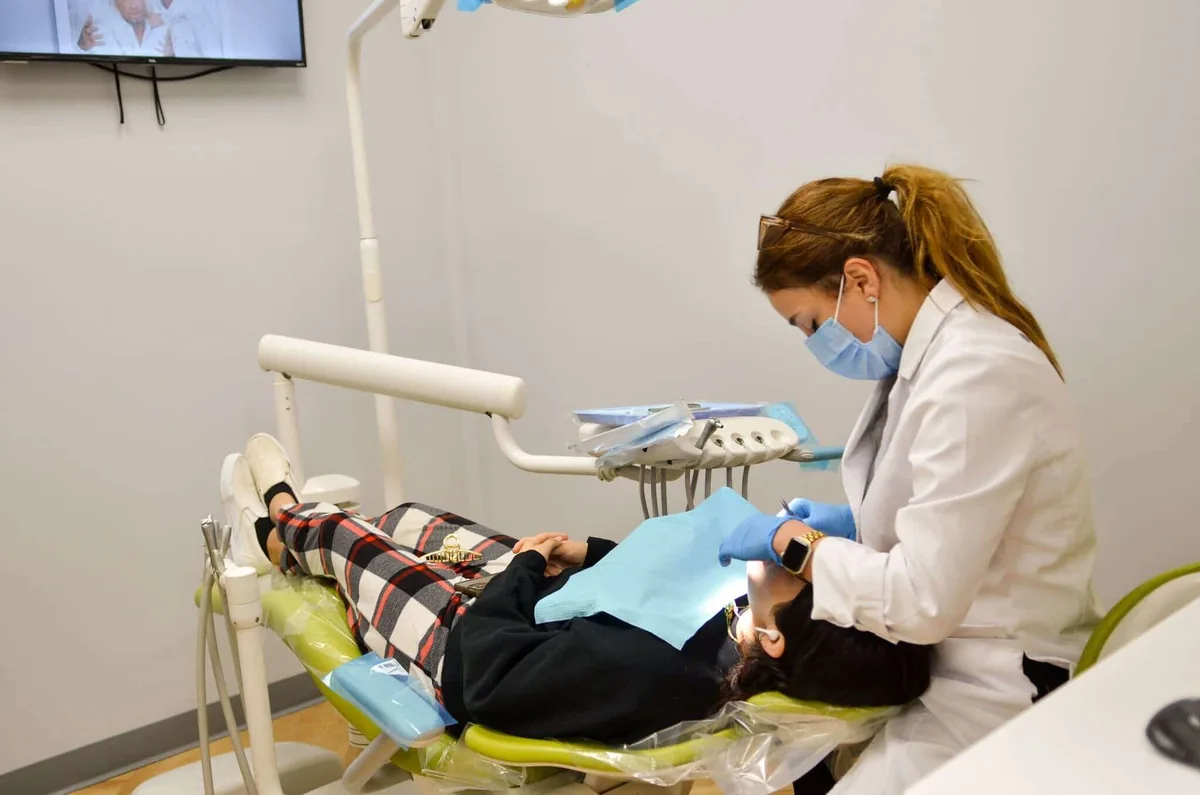
During your visit, your dentist will ask about your goals and review your dental history. They’ll check how your teeth align and whether Invisalign can address your specific needs.
This helps create a treatment plan tailored just for you. Here’s what you can expect during your evaluation:
Step | What Happens |
Oral Exam | Teeth and gums are checked for health |
Digital Scans | Precise 3D images of your teeth are taken |
Discussion of Goals | You share your smile goals and concerns |
Treatment Options | Dentist explains if Invisalign fits you |
You might find Invisalign is a good call for mild to moderate alignment issues. More complex cases may need a different approach. There is no shame in that.
Your comfort and confidence come first, so your dentist will guide you with clear, gentle advice. If Invisalign works for your smile, you’ll be able to start with flexible appointments that fit your schedule.
Choosing Comfortable, Clear Support For Your Smile
Noticing crowding, gaps, or a bite that feels off can be frustrating and even a little worrying. Understanding these early indicators gives you a clear path forward, so you can protect your teeth, ease daily discomfort, and feel better about your smile.
With Invisalign at Dentist of West Covina, many patients find they can straighten their teeth without drawing extra attention or disrupting their routines. Clear, removable aligners make it easier to eat, speak, and clean your teeth while your smile gently shifts into better alignment.
If you see these signs in your own smile, you do not have to wait until things feel “bad enough.” You can request an appointment or call our West Covina office to talk through your options in a calm, pressure-free visit and find out whether Invisalign is a good fit for your goals.
Frequently Asked Questions
What are the signs that Invisalign is right for my teeth alignment issues?
If your teeth are slightly crowded, have gaps, or your bite feels uneven, Invisalign could help. Mild to moderate misalignment often responds well to clear aligners.
How can I identify if I'm a good candidate for Invisalign treatment?
Consider Invisalign if you want a nearly invisible way to straighten your teeth. Good candidates also have healthy gums and no severe bite problems.
What symptoms suggest Invisalign could be an effective solution for me?
Issues like difficulty chewing, discomfort from crooked teeth, or frequent bite shifts may improve with Invisalign. Early signs include noticing your teeth shift out of place over time.
Can you list early indications that Invisalign might improve my dental health?
If you catch crowding, gaps, or mild bite troubles early, Invisalign might prevent more serious problems. Regular checking by your dentist can spot these signs before they worsen.
Are there specific dental concerns that Invisalign is particularly suitable for?
Invisalign works well for mild overbite, underbite, crossbite, and open bite cases. It also suits people wanting to fix spacing without traditional braces.
What common dental problems do Invisalign treatments typically address?
Invisalign usually tackles crooked teeth, tooth gaps, and crowded teeth. It also helps with bite alignment issues.