Worried your dental implants might not last as long as you hoped? Small issues like sore gums, bad breath, or lingering plaque can make you question whether you’re doing enough to protect your investment. Many patients feel unsure about the daily habits that support long-lasting dental implants.
At Dentist of West Covina, we help you cut through the confusion with simple, clear guidance you can actually follow every day. Your routine does not have to be complicated to keep your implants comfortable, stable, and looking great.
This article walks you through what to do at home, what to avoid, and when to call your dentist so you can worry less about problems and focus more on enjoying a strong, confident smile.
Essential Daily Oral Hygiene For Dental Implants
Taking care of your dental implants means more than just regular brushing. You’ll need specific techniques, the right tools, and targeted cleaning habits to keep your implants healthy and lasting.
These daily habits that support long-lasting dental implants focus on gentle brushing, effective flossing, and choosing products that support implant care.
Brushing Techniques For Implant Health
When brushing dental implants, use a soft-bristled toothbrush to avoid damaging the implant area or gums. Hold your brush at a 45-degree angle to the gums and use gentle, circular motions instead of hard scrubbing.
Brushing too hard can cause irritation or loosen your implants. Spend at least two minutes brushing twice a day.
Make sure to clean all surfaces of your implants: the front, back, and chewing surfaces. Take special care around the gum line to remove plaque without causing injury. Your brushing should feel thorough but comfortable.
Choosing The Right Toothpaste And Brushes
Use a fluoride toothpaste that’s low-abrasive and non-whitening to protect the implant surfaces. Abrasive pastes can scratch implants and lead to buildup or discoloration over time.
Avoid toothpaste with harsh ingredients like baking soda or charcoal. Select a soft or extra-soft toothbrush, either manual or electric.
Electric toothbrushes with small, round heads can clean implant areas more efficiently. Replace your brush or brush head every 3 months or sooner if the bristles are frayed. Always rinse your equipment well after use to keep it clean.
Interdental Cleaning And Flossing Methods
Cleaning between your implants is just as important as brushing. Use floss designed for implants, such as implant-specific floss or unwaxed tape.
Regular floss can sometimes shred or get stuck around implant parts. You can also use interdental brushes with soft bristles sized to fit gently between teeth and implants.
These help clear plaque where your toothbrush cannot reach. Be gentle and avoid forcing anything between tight spaces to protect your gums. Daily flossing or interdental cleaning reduces the risk of gum inflammation or infection. Aim to clean all implant and natural tooth gaps carefully.
Proper Use Of Antibacterial Mouthwash
Rinsing with an alcohol-free antibacterial mouthwash can reduce bacteria and help prevent gum disease around implants. Avoid mouthwashes with alcohol, which can irritate the gums and dry out your mouth.
Use mouthwash once or twice a day, ideally after brushing and flossing. Swish gently for about 30 seconds, then spit it out.
This helps keep your mouth fresh and cleaner between brushings. Always choose a mouthwash recommended by your dentist to match your specific implant care needs.
Diet And Nutrition Choices For Implant Longevity
What you eat affects how well your dental implants last over time. Choosing the right foods helps keep your gums strong and reduces risks that can harm your implants.
Staying hydrated and avoiding too many sugary or acidic snacks also play big roles in protecting your smile and supporting daily habits that support long-lasting dental implants.
Foods That Promote Healthy Gums
Eating foods rich in vitamins and minerals promotes healthy gums, which support your implants. Foods high in vitamin C, like oranges, strawberries, and bell peppers, help your body repair tissue and reduce inflammation.
Leafy greens such as spinach and kale provide important nutrients like folate and calcium. Protein is also important because it helps your body heal.
Include lean meats, eggs, and beans in your meals. Dairy products like yogurt and cheese provide calcium and phosphorus, which strengthen your jawbone where implants are placed.
Limiting Sugary And Acidic Snacks
Sugary and acidic foods can harm your gums and the bone supporting your implants. Sugar feeds harmful bacteria that cause gum disease and damage tissue.
Acidic foods and drinks, like soda and citrus juices, can erode enamel and irritate gums. Try to limit sweets, candies, and soda between meals.
If you enjoy these snacks, rinse your mouth with water afterward or chew sugar-free gum to reduce acid and bacteria. Avoid snacking constantly, as this keeps harmful bacteria active longer.
Hydration And Its Impact On Oral Health
Drinking enough water plays a key role in oral health. Water cleans your mouth by washing away food particles and bacteria that can harm gums and implants.
It also helps keep saliva flowing, which neutralizes acids and strengthens teeth and gums. Aim to drink at least 8 cups of water daily.
If you have dry mouth, which increases the risk of gum problems, ask your dentist for advice. Avoid sugary drinks and limit caffeine because they can dry out your mouth.
Lifestyle Habits That Safeguard Dental Implants
Taking good care of your dental implants means more than just brushing and flossing. How you live daily impacts the health and strength of your implants.
Certain daily habits that support long-lasting dental implants can protect your investment and keep your smile lasting for years.
Tobacco And Implant Failure Risks
Smoking or using tobacco greatly increases the risk of dental implant failure. Tobacco reduces blood flow in your gums, which slows healing after implant surgery.
It also raises the chance of infections around the implant. When infections happen, the implant can loosen or even fail completely.
If you use tobacco, quitting is the best way to protect your implants. Without tobacco, you allow your gums and bone to heal and stay healthy around the implant.
Alcohol Consumption And Healing
Drinking alcohol in large amounts can harm the healing process after your implant surgery. Alcohol can cause inflammation in your gums and slow down recovery by weakening your immune system.
It can also reduce the body’s ability to fight infection, which is important for the success of dental implants. To help your implants heal properly, limit your alcohol intake during the recovery period.
Drinking in moderation or avoiding alcohol altogether can help your gums stay strong and reduce the chance of implant complications.
Managing Stress For Better Oral Health
Stress can affect your oral health, including the health of your dental implants. High stress may cause you to grind or clench your teeth, putting extra pressure on implants and surrounding bone.
This can lead to implant damage or failure over time. Stress can also weaken your immune system, making it harder for your gums to fight infections.
Taking time for relaxation, exercise, or activities you enjoy can lower stress levels and protect your oral health.
Protecting Dental Implants During Daily Activities
Caring for your dental implants means keeping them safe during everyday actions and activities. Simple habits can prevent damage and help your implants last a long time.
Using the right protection and avoiding harmful behaviors are key steps.
Using Mouthguards For Sports And Sleep
If you play sports, wearing a mouthguard protects your implants from impacts. Mouthguards cushion your teeth and implants, lowering the chance of chips or breaks.
You can get custom-fitted guards from your dentist that feel comfortable and stay in place. Grinding your teeth at night can also harm implants.
A nightguard acts as a barrier between your upper and lower teeth, preventing pressure on your implants. Wearing one can keep implants safe and reduce jaw pain.
Talk to your dentist about getting a mouthguard designed just for you.
Avoiding Harmful Oral Habits
Certain habits put extra strain on implants and can cause damage. Avoid biting ice or hard candies, as these can crack the implants or surrounding teeth.
Do not use your teeth to open packages, since this can loosen or break the implant. Nail-biting and chewing on pens also increase wear and tear.
Taking care not to clench your jaw during stressful moments helps prevent implant stress. If you notice any discomfort or changes, visit your dentist promptly.
Developing healthy daily habits protects your implants and keeps your smile strong and comfortable for years.
Partnering With Your Dental Care Team
Working closely with your dental care team helps keep your implants healthy for years. Your dentist and hygienist can spot problems early and guide you on the best steps to protect your smile.
Regular Professional Cleanings And Checkups
Visiting your dentist regularly is key for implant care. Professional cleanings remove plaque and buildup that daily brushing might miss.
This prevents gum disease, which can affect your implants. During checkups, your dentist will check the implant’s stability and surrounding tissue.
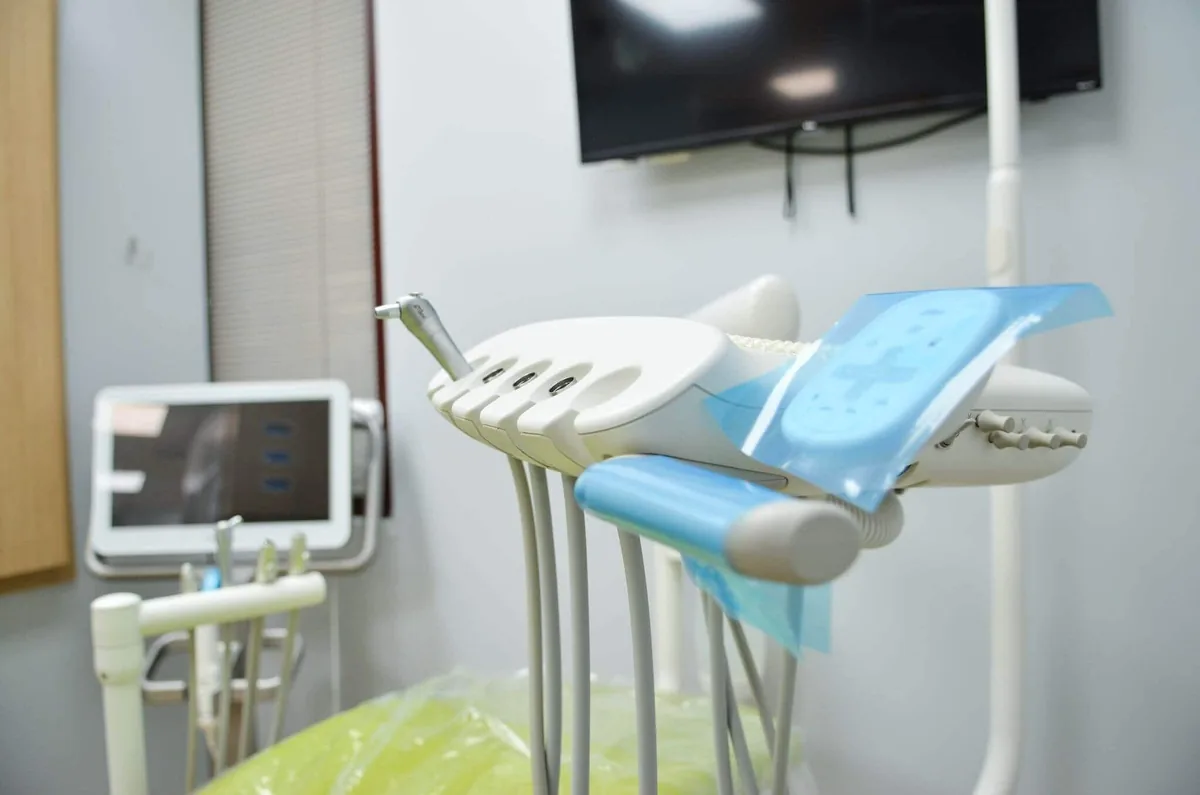
Digital tools can make these exams quick and comfortable. Scheduling visits every 3 to 6 months is typical, but your dentist may suggest what fits your needs best.
Recognizing Early Warning Signs
Knowing warning signs can help you protect your implants. Watch for redness, swelling, or bleeding around the implant site.
Pain or discomfort that lasts more than a day is also a signal to schedule a visit. Loose implants or changes in how your bite feels deserve prompt attention. If you notice any pus or bad taste, call your dentist right away. Early detection means quicker, simpler treatment.
Feel Confident Caring For Your Implants
Living with dental implants should not feel stressful or confusing. When you follow simple daily habits that support long-lasting dental implants, you lower the risk of soreness, infection, and implant failure while protecting your comfort and confidence.
At Dentist of West Covina, your care team focuses on gentle techniques, modern tools, and flexible visit times so you never feel rushed or left guessing about your home routine. You get clear steps that fit your lifestyle and support long-term implant health.
If you are worried about tenderness, bleeding, or how well you are caring for your implants, reach out for help. You can request an appointment or call our West Covina office to get personalized guidance and feel more secure about your smile.
Frequently Asked Questions
How Can I Properly Care For My Full Dental Implants To Ensure Their Longevity?
Brush your implants twice a day with a soft-bristle toothbrush. Use non-abrasive toothpaste to protect the implant surface. Floss daily using floss designed for implants or a water flosser to remove plaque around the implant.
What Are The Recommended Practices For Dental Cleaning After Getting An Implant?
Wait to clean the implant area gently for a few days after surgery. Once healed, visit your dentist for professional cleanings every 3 to 6 months. Use an antimicrobial mouthwash if your dentist suggests it to reduce bacteria.
What Steps Should I Take To Prevent Gum Disease Around My Dental Implants?
Keep your gums healthy by brushing and flossing daily. Avoid tobacco and eat a balanced diet to support healing. Watch for redness, swelling, or bleeding near the implant, and call your dentist if you notice these signs.
How Can I Manage A Periodontal Pocket Around An Implant Effectively?
Periodontal pockets can really put your implant at risk. It is crucial to keep up with good oral hygiene: brush, floss, and do not skip those regular checkups. Your dentist might suggest special cleanings or other treatments if the pockets start getting worse. Staying on top of these recommendations makes a difference.
Can You Tell Me About The Necessary Maintenance For Dental Implants?
Regular dental visits matter, no way around it. The dentist checks if your implants are stable and cleans those tricky spots you cannot always reach. Try to avoid crunching down on hard foods; they can affect the implant or even nearby teeth. It is honestly not worth the risk.
What Hygiene Practices Are Crucial For The Health Of My Dental Implants?
Use a soft toothbrush and floss every day. Some people use interdental brushes or water flossers for getting between implants, and it makes sense. If your dentist suggests it, rinse with a gentle antibacterial mouthwash. Just do not go overboard; sometimes less is more.