You notice a small chip on your front tooth every time you smile. Maybe you have a gap that catches your eye in photos, or one tooth sits slightly shorter than the rest. These are exactly the kinds of concerns that lead people to ask what composite bonding is and whether it could fix what bothers them most about their smile.
When the problem is minor, but the frustration is real, composite bonding often closes that gap between where your smile is now and where you want it to be. It is one of the most accessible cosmetic dental options available, partly because it can usually be completed in a single visit without drilling or anesthesia.
This article walks you through how the procedure works, who is the best candidate, how it compares to other options, and when a different treatment will serve you better. The team at Dentist of West Covina takes a comfort-first approach to dental treatment, helping you make this decision with confidence rather than guesswork. Keep reading to find out whether bonding fits your situation.
How Composite Bonding Works
Composite bonding uses a tooth-colored resin that your dentist applies directly to the tooth surface, shapes by hand, and hardens in place during a single appointment. Knowing exactly what goes into the material and the composite bonding procedure helps you walk in with realistic expectations and zero surprises.
What Dentists Use To Reshape And Repair Teeth
The material is a composite resin, the same type used in composite fillings patients receive for cavity repairs. It comes in a range of shades so your dentist can match it closely to your natural tooth color.
The resin is soft and moldable when first applied, which is what makes freehand sculpting possible. Your dentist shapes it directly on the tooth rather than sending it to a lab, which is a key reason the whole process stays affordable and fast.
What Happens During A Bonding Visit
Your dentist starts by lightly etching the tooth surface with a conditioning gel. That slight roughening gives the resin something to grip, which is how a strong bond forms without removing healthy enamel.
The resin goes on in thin layers. Each layer gets hardened with a curing light before the next one is added. Once the full shape is built, your dentist polishes it until it blends naturally with the surrounding teeth. This efficient composite bonding procedure takes 30 to 60 minutes per tooth.
When A Pediatric Dentist Evaluation Might Matter
If your child has a chipped or discolored tooth, a children's dentist can assess whether bonding is appropriate based on the child's age and tooth development. A first dental clinic appointment for kids gives you that baseline picture before any cosmetic work is considered.
For younger patients, a pediatric dentist evaluation also checks whether a chip is purely cosmetic or connected to a bite issue. Sedation dentistry West Covina offices offer can make the appointment easier for children who feel anxious about dental visits.
Who Usually Benefits Most
Composite bonding works well for a specific range of cosmetic concerns, and knowing where it excels helps you avoid spending money on a treatment that is not the right match. The decision often comes down to the size of the problem, the source of the discoloration, and whether the teeth are properly aligned to begin with.
Small Chips, Gaps, And Uneven Edges
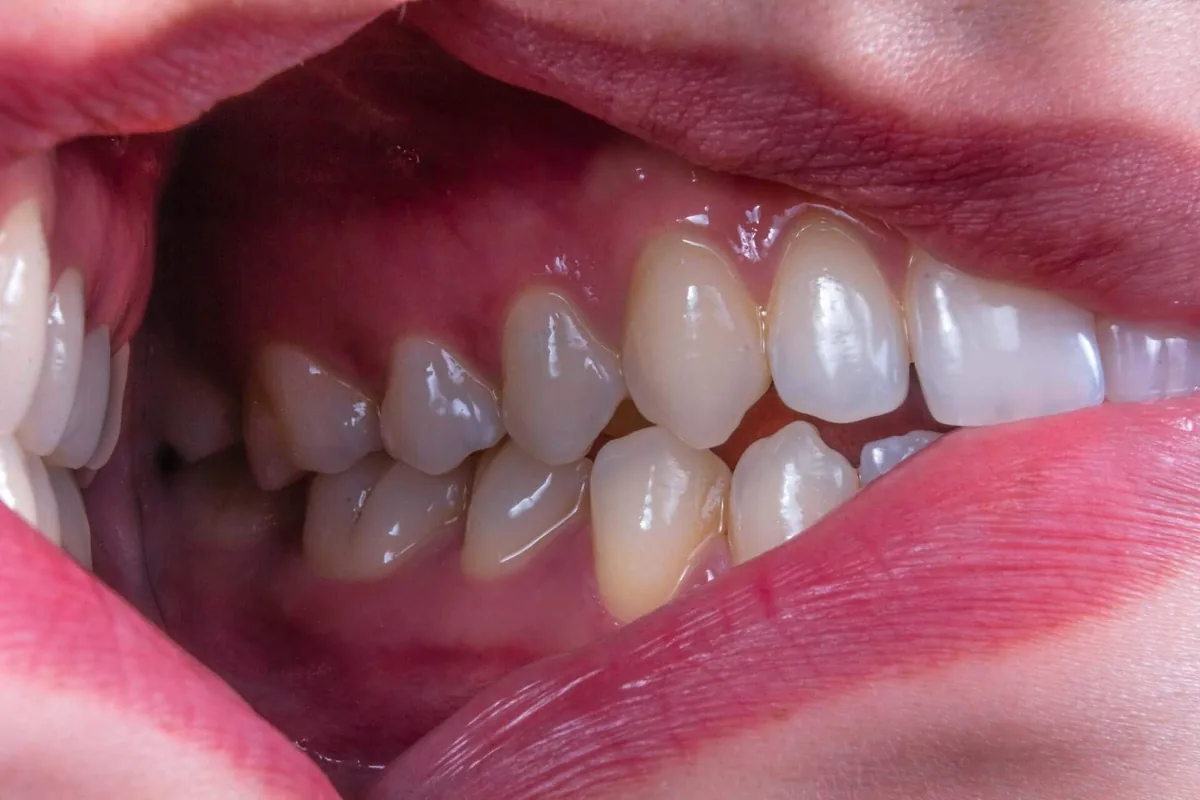
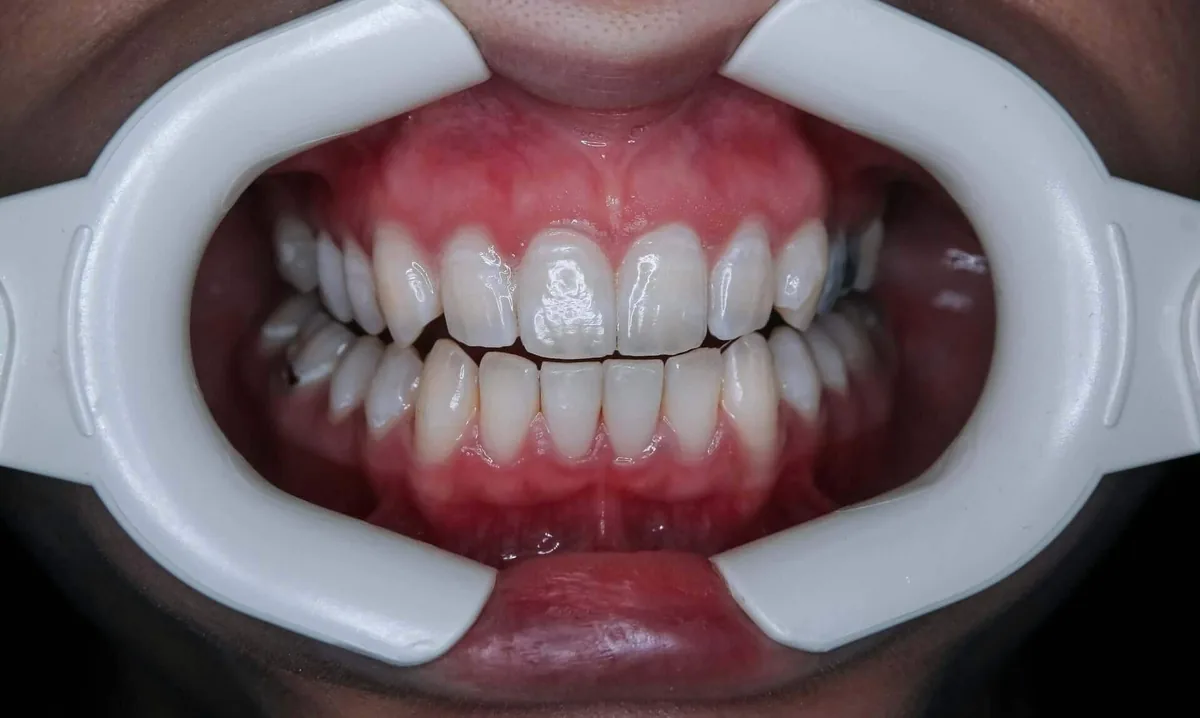
Cosmetic dentistry for chipped or uneven teeth is where bonding consistently performs best. A single chipped corner, a small gap between the front teeth, or one tooth that looks slightly shorter than its neighbor are all scenarios in which bonding delivers visible results with minimal preparation.
The aesthetic improvements and confidence boost from fixing even a small flaw can be significant. Patients often report that correcting one chip makes them far more comfortable smiling in photos and social situations.
Bonding works less predictably when the flaw covers a large surface area or when multiple teeth have significant size differences. For those cases, a broader cosmetic plan may produce a more balanced result.
Stains That Whitening May Not Fix
Teeth whitening works by lifting surface stains from enamel. It does not change the color of composite resin, crowns, or certain deep stains caused by tetracycline antibiotics or fluorosis.
If your discoloration falls into that category, bonding can mask the stain by covering the affected area with a matched resin layer. Your dentist would assess whether the stain is superficial enough to whiten first, or whether bonding over it makes more practical sense.
One important note: if you plan to whiten your natural teeth, do it before bonding so your dentist can match the resin to your post-whitening shade rather than your current one.
When Bite Problems Need Orthodontic Help Instead
Bonding reshapes the appearance of individual teeth but does not move them. If your teeth are crowded, rotated, or creating a poor bite, early orthodontic treatment for kids or adults relies on addressing the structural cause rather than just the surface result.
Orthodontic care for long-term function matters because how braces improve bite alignment goes beyond looks. Alignment concerns braces can correct, such as overbites and crossbites, affect chewing, jaw comfort, and even speech. Bonding layered over misaligned teeth can look good briefly but tends to wear unevenly when the bite is off.
Brace-friendly habits and proper alignment lay a better foundation for cosmetic work, like bonding, to last as long as it should.
How It Compares With Other Smile Options
Dental bonding West Covina patients consider falls between simple whitening and more permanent restorations like porcelain veneers West Covina or dental crowns West Covina. The right choice depends on your budget, how much tooth structure is involved, and how long you want the result to last.
Bonding Vs Porcelain Veneers
Porcelain veneers are thin ceramic shells custom-made in a lab and bonded permanently to the front of the tooth. They last longer than composite bonding, typically 10 to 15 years or more, and resist staining better because porcelain is non-porous.
The dental bonding cost that West Covina patients pay is significantly lower per tooth, usually in the range of $300 to $800, compared to $1,000 or more for a single porcelain veneer. Bonding also requires little to no removal of tooth enamel, while veneers usually require a small amount of prep work.
If you want a durable, stain-resistant result for multiple front teeth, veneers are worth the investment. If you want to fix one chipped tooth quickly and affordably, bonding is the more practical option.
Bonding Vs Crowns For Damaged Teeth
Dental crowns cover the entire visible portion of a tooth and are designed for teeth that are heavily decayed, cracked, or structurally weakened. A crown protects what remains of the tooth structure from further damage.
Bonding only covers the surface and cannot reinforce a compromised tooth. Applying bonding to a tooth that needs a crown is not a long-term fix and can mask damage that continues to worsen beneath the surface.
Your dentist can identify the difference during an examination. If the tooth is mostly intact and the issue is cosmetic, bonding is appropriate. If the tooth has lost significant structure, a crown is the right choice.
When Whitening Or Reshaping Is Enough
Teeth whitening is a faster and less costly starting point if your main concern is surface discoloration on otherwise healthy, well-shaped teeth. Professional whitening can brighten multiple teeth in one session and costs less than bonding a single tooth.
Minor contouring, which involves smoothing or reshaping enamel slightly without adding material, can also fix small irregularities without any resin at all. Bonding makes sense when you need to add material or change shape, not just lighten color.
Durability, Cost, And Upkeep
Composite bonding typically lasts 5 to 7 years before it needs a touch-up or replacement, and how long your specific results hold depends heavily on the daily habits you keep around it. Regular dental cleaning and dental checkup appointments in West Covina play a direct role in catching early signs of wear before they become bigger problems.
How Long Results Usually Last
Most bonded teeth hold up well for 5 to 7 years with consistent care. Teeth that take more direct force, like front teeth used for biting into hard foods, tend to chip or wear at the edges sooner than teeth in lower-impact positions.
Bonding does not last as long as porcelain veneers or crowns, which is part of the trade-off for the lower dental bonding cost and simpler procedure. Some patients choose to re-bond every few years rather than invest in more permanent options upfront, which can make financial sense for younger patients whose smile goals are still evolving.
Daily Habits That Help Bonding Stay Looking Good
Avoid biting your nails, chewing on pens, or using your teeth to tear open packaging
Limit coffee, tea, red wine, and dark-colored foods, since composite resin stains more easily than porcelain
Use a non-abrasive toothpaste, as gritty whitening formulas can dull the surface finish over time
Wear a nightguard if you grind your teeth, since grinding puts significant pressure on bonded edges
Keeping up with your dental cleaning schedule every six months lets your hygienist monitor the bonding and polish it as needed. A dental checkup West Covina also gives your dentist a chance to spot early separation or micro-cracks before they become full breaks.
What A Repair Or Touch Up May Involve
Small chips in the bonding can usually be repaired at a short follow-up appointment using the same resin. Your dentist re-etches the area, applies a new layer, and re-polishes the surface. The repair is rarely noticeable when done well.
If gum recession has developed around a bonded tooth, periodontics specialists can address the tissue issue before bonding is redone. Deep dental cleaning West Covina removes the buildup below the gumline that can contribute to recession, giving the bonding a healthier foundation before any repair work starts.
When Bonding Is Not The Right Fix
Composite bonding is a surface-level solution, and certain dental problems go well below the surface. Several situations call for restorative treatments that address structure, infection, or complete tooth loss rather than cosmetic repair.
Missing Teeth And Larger Restorative Needs
Bonding cannot replace a missing tooth. If you have a gap from a lost or extracted tooth, dental implants, dental bridges, or dentures are the appropriate replacements, depending on your health, bone density, and budget.
When comparing dental implants vs dentures, implants function more like natural teeth and support jawbone health over time. Dental implant costs in West Covina vary, but all-on-4 dental implants offer a full-arch solution for patients who have lost most of their teeth. Long-term maintenance for dental implants is relatively low once they integrate fully into the bone.
Dental bridges are a middle-ground option that anchor to neighboring teeth and do not require surgery, though they do involve reshaping the adjacent teeth as support.
Structural Damage, Infection, Or Advanced Decay
A tooth with deep decay, a crack extending into the root, or an active infection requires restorative care before any cosmetic treatment is considered. Applying bonding over those problems delays proper treatment and can worsen outcomes.
Root canal treatment removes infected pulp and preserves the tooth structure, allowing it to support a crown or, in some cases, a bonding afterward. Tooth extraction is necessary when a tooth cannot be saved, and wisdom tooth removal is often the right call when an impacted tooth puts pressure on, or causes decay in neighboring teeth.
Urgent Symptoms That Should Not Wait
Symptoms that suggest emergency dental care include severe or sudden tooth pain, swelling in the jaw or gums, a tooth that has been knocked loose, or a broken tooth with exposed nerve. These are not bonding candidates and should be treated as dental emergencies.
An emergency dentist can stabilize the problem the same day and then guide you toward the right restorative path once the acute issue is resolved. Waiting on symptoms like these can turn a manageable problem into a much more complex one.
Frequently Asked Questions
Patients ask similar questions about bonding before committing to the procedure, and the answers are more straightforward than most expect. Cost, longevity, and safety come up most often.
How much does dental bonding usually cost?
In California, composite bonding typically costs between $300 and $800 per tooth. The final price depends on how much resin is needed, which tooth is being treated, and your specific dentist's fees. The cost of dental bonding makes it the most affordable option among cosmetic dental procedures.
How long does dental bonding typically last?
Composite bonding usually lasts 5 to 7 years before it needs repair or replacement. That range depends on where the bonding is placed, how much bite pressure it receives, and how well you maintain it. Teeth that avoid hard foods and grinding tend to hold their bonding longer.
What can I expect from dental bonding before-and-after results?
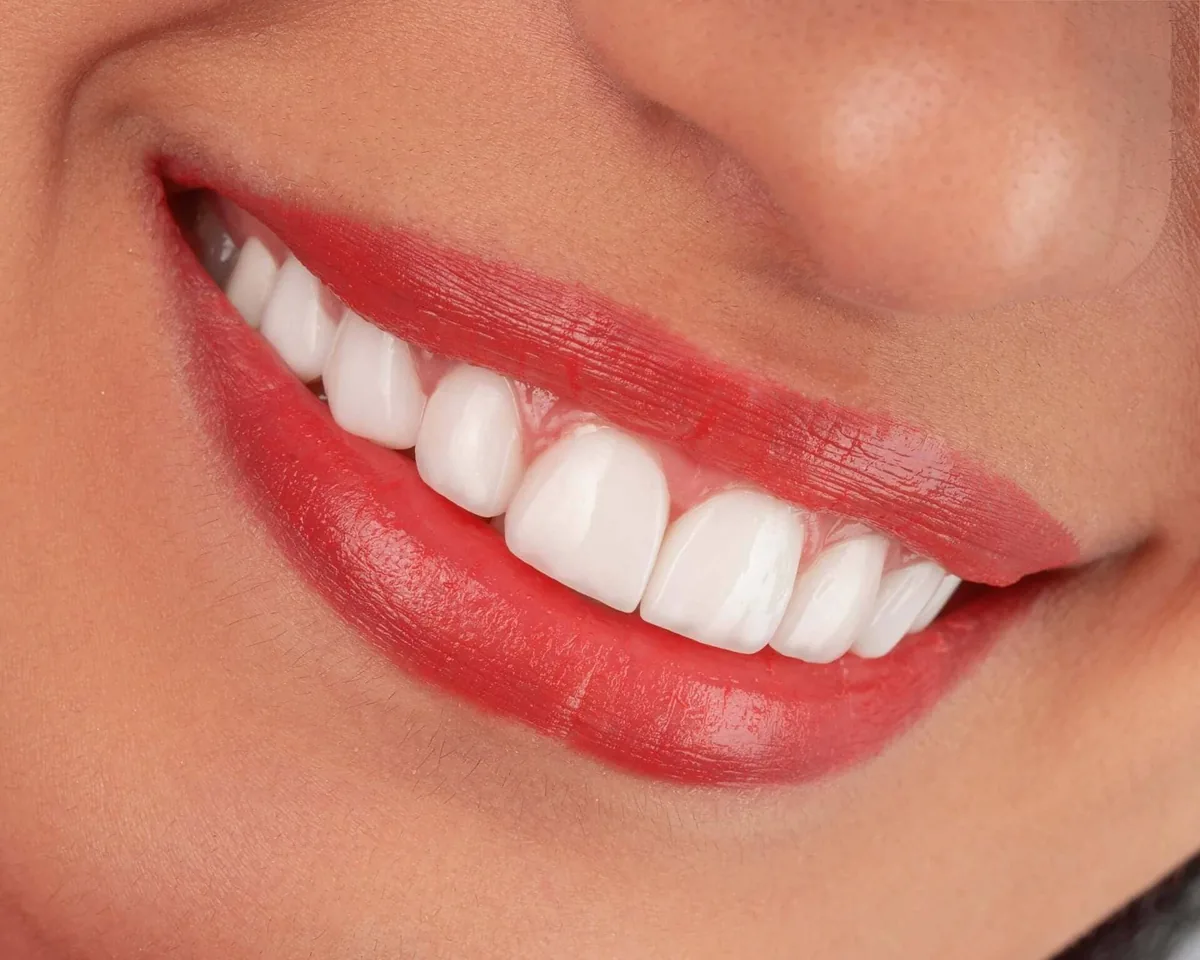
Most patients see an immediate, noticeable improvement in the shape, color, or symmetry of the treated tooth. Before-and-after results are most dramatic for chipped edges, small gaps, and surface stains that whitening could not fix. The resin is color-matched to your natural teeth, so the result blends naturally rather than standing out.
Is dental bonding covered by dental insurance?
Dental insurance rarely covers cosmetic bonding when it is done purely for appearance. If the bonding repairs a chipped tooth caused by an injury or restores a tooth damaged by decay, your plan may cover a portion of the cost. Check your specific plan details and ask your dental office to submit a pre-authorization before your appointment.
How does dental bonding compare to veneers?
Bonding costs less, requires no lab work, and preserves more natural tooth structure than porcelain veneers. Veneers last longer and resist staining better because porcelain is non-porous. Bonding suits minor repairs and budget-conscious patients; veneers suit patients who want a longer-lasting, highly polished result across multiple front teeth.
Can dental bonding damage or ruin my teeth?
Composite bonding does not damage healthy teeth when it is applied correctly. The preparation involves only a light surface etch, not removal of significant enamel. Problems arise when bonding is placed over untreated decay or structural issues that needed a crown, which is why a thorough examination before treatment matters.
Is Composite Bonding Worth It For You?
Composite bonding earns its reputation as one of the most practical cosmetic options available because it solves a specific category of problems quickly and affordably. It works best for chips, gaps, uneven edges, and stains that whitening cannot reach. When those are your concerns and your underlying dental health is solid, bonding is absolutely worth considering.
The procedure is not a catch-all solution. Missing teeth, deep decay, infections, and alignment issues call for a different plan. Knowing the difference saves you time and money and protects your long-term dental health.
The team at Dentist of West Covina is here to help you figure out exactly which option fits your smile and your life. Call us today at (626) 506-2331 or book your appointment online to get a clear, pressure-free answer about whether composite bonding is right for you.