Changes in your child's teeth or bite can leave you wondering whether their smile is developing properly. Understanding the pediatric dentist evaluation signs for developing smiles can help you recognize small concerns early and feel more confident about your child's oral health in West Covina.
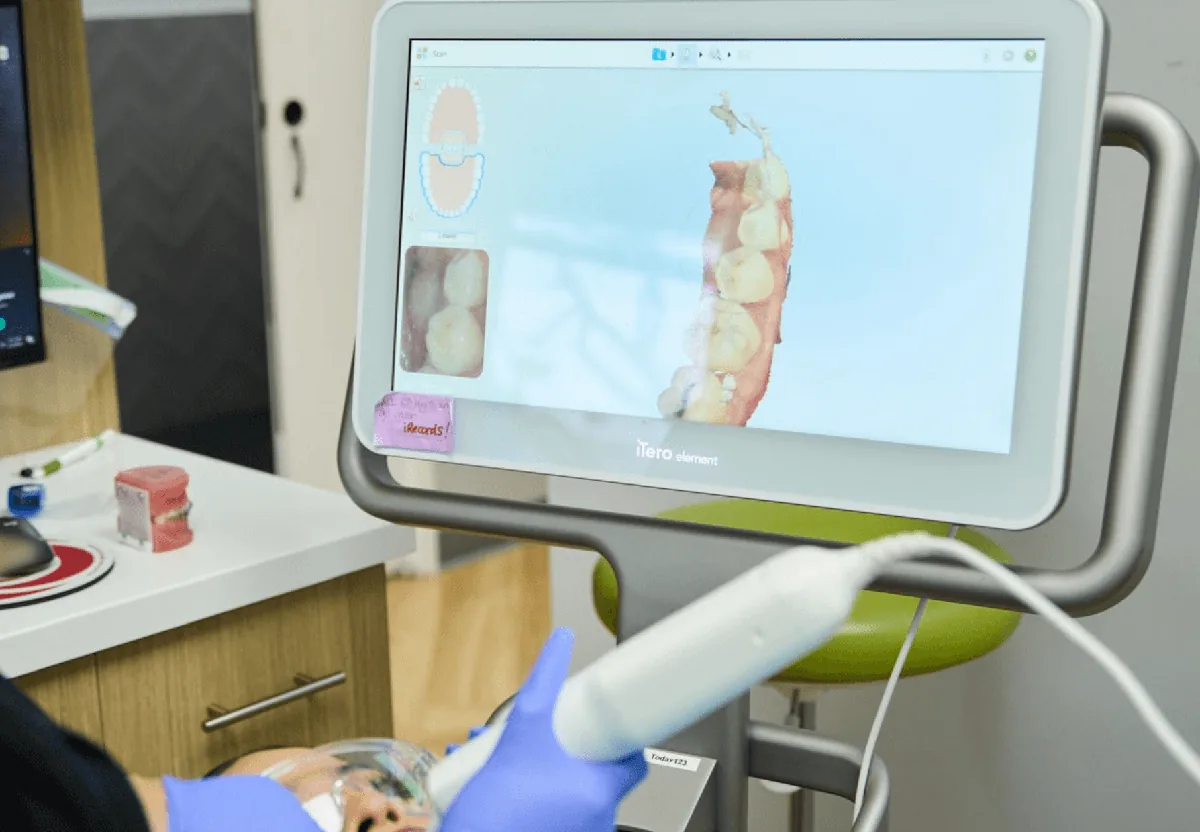
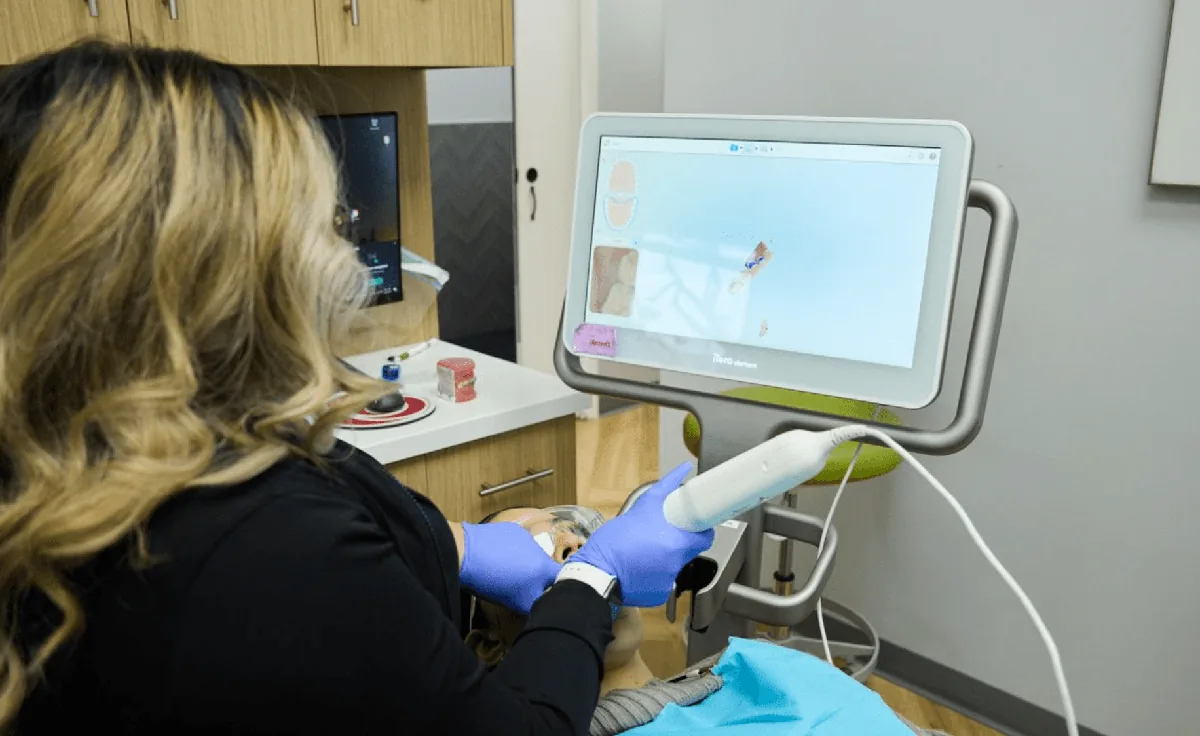
At Dentist of West Covina, we focus on gentle, comfort-first care that helps children feel relaxed during every visit. We use personalized treatment plans and modern technology to monitor how your child's teeth, jaws, and bite develop as they grow.
This guide explains the most common signs parents notice at home, including crowded teeth, changes in bite alignment, and jaw growth. You'll also learn how early evaluations can support healthier development and make future dental care easier for your child.
Pediatric Dentist Evaluation Signs Parents May Notice at Home
You spend more time with your child than anyone else, so you often notice when something seems off. Small clues during meals, sleep, or even when your child smiles can indicate bite alignment concerns or other developmental changes.
Difficulty Chewing or Biting
If your child avoids certain foods, chews on one side, or struggles to bite into foods like apples, that difficulty may point to a bite problem. These habits often develop gradually, which makes them easy to overlook.
Kids rarely complain about discomfort. Instead, they adapt to it. Watch for signs like tearing food with their hands instead of biting or avoiding crunchy foods altogether.
Mouth Breathing and Sleep-Related Clues
Mouth breathing, especially during sleep, does more than seem like a harmless habit. Over time, it can affect how the jaws and dental arches develop.
Look for these signs:
Sleeping with the mouth open
Snoring or restless sleep
Dry or chapped lips in the morning
Daytime fatigue
Children who breathe through their mouths may develop narrower arches, improper tongue posture, and changes in facial growth. If you notice these patterns, mention them during your child's next dental visit.
Crowded or Overlapping Teeth
When teeth grow too close together or overlap, the jaw may not have enough space for proper alignment. Crowded teeth also make brushing harder and can increase the risk of cavities.
You may notice teeth twisting, sitting behind neighboring teeth, or pushing against one another. This issue is one of the most common reasons for early orthodontic screenings.
Bite Problems Like Overbite, Underbite, and Crossbite
Bite alignment affects how your child eats, speaks, and how their face develops over time. Here are some common bite concerns to watch for:
Bite Type | What You May See |
Overbite | Upper front teeth cover too much of the lower teeth |
Underbite | Lower teeth sit in front of the upper teeth |
Crossbite | Upper and lower teeth do not line up side to side |
Even mild bite misalignment can worsen as your child grows. If your child's bite looks uneven, discuss it at the next checkup.
When Tooth Loss and Eruption Patterns Look Off
The timing of baby teeth falling out and adult teeth coming in reveals a lot about your child's dental development. Losing teeth too early or too late, or noticing unusual eruption patterns, may signal that development is not following its usual course.
Early or Late Loss of Baby Teeth
Most children begin losing baby teeth around age six, and the process usually continues until age twelve. If your child loses a tooth much earlier because of decay or injury, nearby teeth can drift into the space and block permanent teeth from erupting properly.
If a baby tooth remains far past its expected timeline, the permanent tooth may be missing, delayed, or growing in the wrong position.
How Baby Teeth Guide Adult Teeth
Baby teeth do more than hold space. They guide permanent teeth into position and support healthy jaw development.
When a child loses a baby tooth too early, surrounding teeth can shift into the empty space. This movement may lead to crowding, overlapping teeth, or impacted permanent teeth. Dentists sometimes use space maintainers to help keep development on track.
Tooth Eruption and Development Red Flags
Pay attention to unusual changes in the order or timing of tooth eruption. Signs to watch for include:
A permanent tooth erupting behind a baby tooth that has not fallen out
Teeth erupting far out of order
One side of the mouth developing faster than the other
A tooth missing from the mouth six months or longer past its expected arrival
A dental professional tracks these patterns during routine visits and can let you know if closer monitoring is needed.
How Habits and Growth Affect a Child's Smile
Every day habits and growth patterns both influence how your child's teeth and jaws develop. Some habits seem harmless at first, but can create long-term changes in bite alignment and jaw shape if they continue too long.
Prolonged Pacifier Use and Thumb-Sucking
Sucking habits are normal during infancy and toddler years. They usually become a concern when they continue beyond age three or four. Extended pacifier use and thumb-sucking can push front teeth forward, create an open bite, or narrow the upper jaw.
If your child still uses a pacifier or sucks their thumb past preschool age, talk with a dental professional. Gentle approaches and habit-breaking appliances may help your child stop the habit with less stress.
Tongue Thrusting and Oral Function
Tongue thrusting happens when a child pushes the tongue against or between the front teeth while swallowing or speaking. Over time, this repeated pressure can move teeth out of alignment.
You may notice your child's tongue pressing forward while talking or swallowing. Some children also develop a lisp because of this habit. A dentist or speech therapist can identify the issue and recommend exercises or appliances that help correct it.
Jaw Growth, Jaw Development, and Facial Changes
Jaw growth continues through the teen years, and growth does not always happen evenly. Sometimes the lower jaw grows faster or slower than the upper jaw, or one side of the face develops differently from the other.
Signs of jaw development concerns include:
A receding or protruding chin
Facial asymmetry
Difficulty closing the lips comfortably at rest
Mouth breathing may also influence jaw growth by encouraging downward jaw development instead of forward growth. Addressing these concerns during growth spurts can support more balanced development.
What Happens During an Early Orthodontic Check
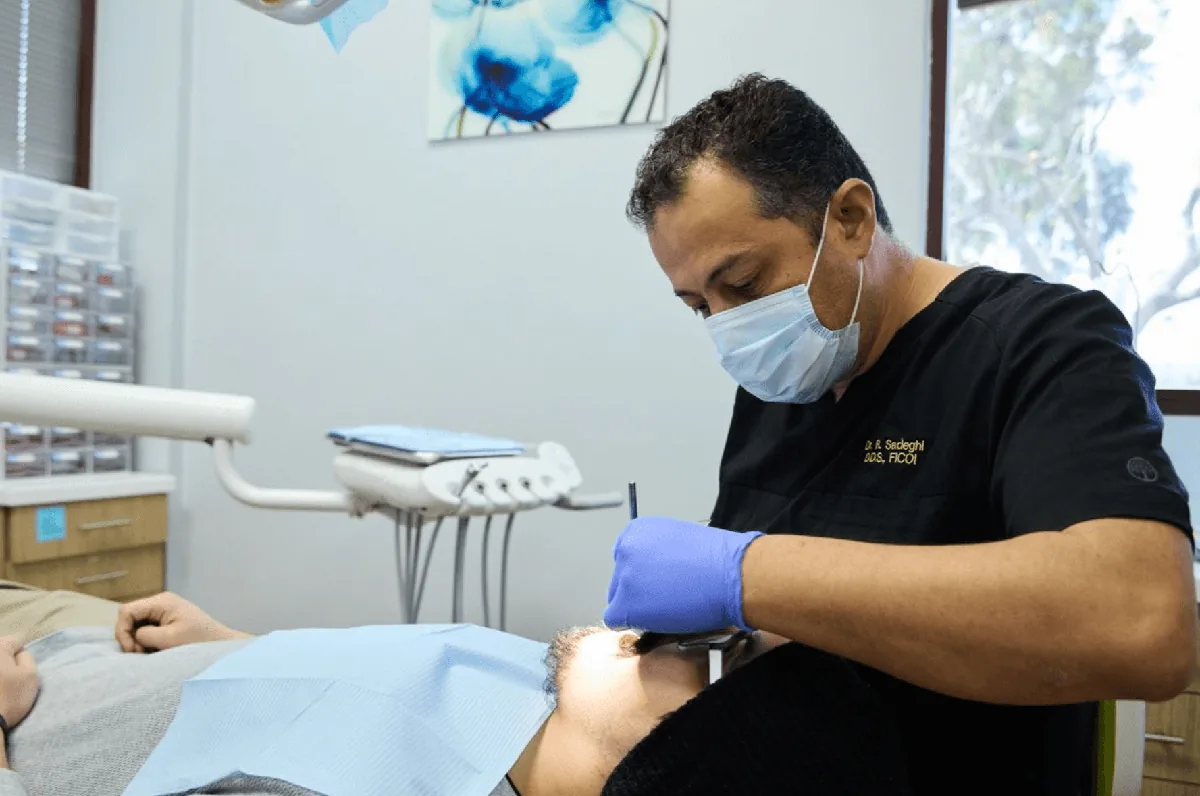
An early orthodontic evaluation gives the dentist a chance to examine how your child's teeth, bite, and jaws develop. It does not automatically mean your child needs braces. In many cases, the dentist simply establishes a baseline and monitors changes over time.
Why Early Orthodontic Evaluation Is Recommended
Most dental professionals recommend an orthodontic evaluation around age seven. At this age, children usually have a mix of baby and permanent teeth, which allows the dentist to evaluate growth patterns and identify possible concerns.
Early orthodontic care focuses on timing. When a dentist identifies concerns while the jaw is still growing, treatment often becomes simpler and more effective.
What a Pediatric Dentist May Notice First
During the evaluation, the dentist looks for details you may not notice at home:
Tooth alignment and spacing
Bite relationship between the upper and lower jaws
Jaw symmetry and function
Eruption patterns of incoming teeth
Oral habits that may affect development
These observations help determine whether development looks normal or whether your child may benefit from closer monitoring.
When Monitoring Is Enough and When Treatment Starts
Most children evaluated around age seven do not need immediate treatment. Dentists often recommend follow-up visits every six to twelve months to track growth and development.
Early orthodontic treatment usually focuses on concerns such as:
A crossbite causing the jaw to shift
Severe crowding that blocks permanent teeth
An underbite that worsens during growth
When early treatment becomes necessary, the goal is to guide development rather than complete final corrections. Appliances like palatal expanders, space maintainers, or limited braces can support healthy growth while the jaw still develops.
How Early Action Can Support Long-Term Oral Health
Taking action during childhood can make a meaningful difference in your child's long-term dental health. When dentists monitor bite alignment, jaw growth, and tooth eruption early, many concerns become easier to manage or even prevent.
Creating Space for Permanent Teeth
One major benefit of early orthodontic care is preserving or creating space for permanent teeth. If a child loses baby teeth too early or the jaw develops too narrowly, permanent teeth may erupt crooked or become trapped beneath the gums.
Space maintainers and palatal expanders help preserve room for incoming adult teeth. These tools work alongside your child's natural growth to support healthier alignment.
Supporting Better Bite Function as Kids Grow
A balanced bite helps your child chew, speak, and breathe more comfortably. Early orthodontic care can correct jaw development concerns before they begin affecting everyday function.
Children with balanced bites also tend to experience less tooth wear and fewer jaw-related discomforts as they grow. Supporting healthy bite function early can encourage greater long-term comfort.
Reducing the Need for More Complex Care Later
Early orthodontic treatment does not always eliminate the need for braces later in life. However, it can make future treatment shorter and less complicated.
When you address jaw growth concerns, crowding, or bite problems early, you give your child an important advantage. Early care often reduces the amount of correction needed later and helps support a healthier, more stable smile.
Your Child's Smile Deserves Careful Attention
Watching your child's smile develop can feel exciting and sometimes uncertain. Paying attention to the pediatric dentist evaluation signs for developing smiles can help you recognize concerns early and support healthier long-term growth.
At Dentist of West Covina, we focus on comfort-first care, personalized treatment plans, and gentle evaluations designed for growing smiles. We help you understand what is considered normal development and when your child may benefit from closer monitoring.
Request an appointment to support your child's developing smile with compassionate care and guidance.
Frequently Asked Questions
What are the early signs that my child may need an orthodontic evaluation?
Early signs can include crowded teeth, difficulty chewing, mouth breathing, speech changes, or bite problems like an overbite or crossbite. Many parents also notice teeth coming in unevenly or shifting out of place as permanent teeth erupt. Watching for these pediatric dentist evaluation signs for developing smiles can help you identify concerns early.
At what age should a child have an orthodontic evaluation?
Most dental professionals recommend an orthodontic evaluation around age seven. At this stage, children usually have a mix of baby and permanent teeth, which allows the dentist to evaluate jaw growth and bite development more accurately. Early evaluations help monitor growth even if treatment is not needed right away.
Is mouth breathing harmful to my child's dental development?
Mouth breathing can affect how the jaws, teeth, and facial structures develop over time. Children who breathe through their mouths may develop narrower dental arches, bite alignment concerns, or changes in facial growth. If your child frequently sleeps with an open mouth or snores, mention it during a dental visit.
Why do crowded teeth develop in children?
Crowded teeth usually develop when the jaw does not have enough space for permanent teeth to erupt properly. Genetics, early tooth loss, and jaw growth patterns can all contribute to crowding. Early monitoring can help dentists determine whether your child may benefit from orthodontic guidance later on.
What happens if baby teeth fall out too early?
When baby teeth fall out too early, nearby teeth may shift into the empty space before permanent teeth erupt. This movement can block adult teeth from coming in correctly and may increase the risk of crowding or bite problems. Dentists sometimes recommend space maintainers to help preserve proper spacing.
Can thumb-sucking and pacifier use affect my child's smile?
Thumb-sucking and prolonged pacifier use can change how the teeth and jaws develop if the habits continue beyond the toddler years. These habits may push front teeth forward, create an open bite, or narrow the upper jaw. Gentle support and early guidance can help children break these habits successfully.
Does every child who gets an early orthodontic evaluation need braces?
No, many children who receive early evaluations do not need braces right away. Dentists often recommend monitoring growth and checking development every few months to see how the teeth and jaws change over time. If you notice changes in your child's smile, Schedule Your Visit Online to learn how early evaluations can support healthy dental development.