Bite problems can make everyday things feel harder than they should. If you have trouble chewing, jaw discomfort, or uneven tooth wear, learning how braces help improve bite alignment for teens and adults can help you understand your treatment options and feel more confident about your smile.
At Dentist of West Covina, we focus on personalized orthodontic care that supports comfort, function, and long-term oral health. Modern braces and aligners give teens and adults more flexible treatment choices while helping improve bite alignment in a steady, predictable way.
This article explains the most common bite problems braces can correct, how treatment works, and what you can expect throughout the process. You will also learn how improving your bite can lead to greater comfort, cleaner teeth, and a healthier smile over time.
What Bite Alignment Problems Braces Can Correct
Braces can correct many bite issues, from overlapping teeth to misaligned jaws. Common concerns include overbites, underbites, crossbites, open bites, crowding, and crooked teeth. Many people also experience jaw pain, teeth grinding, or TMJ disorders linked to bite misalignment.
Overbite, Underbite, Crossbite, and Open Bite
An overbite happens when your upper front teeth extend too far over your lower teeth. A small overlap is normal, but too much pressure can wear down enamel and irritate your gums.
An underbite places your lower teeth in front of your upper teeth. This can make chewing uncomfortable and strain your jaw over time.
A crossbite occurs when some upper teeth close inside the lower teeth instead of outside. Without treatment, crossbites may lead to uneven tooth wear, gum recession, or bone loss.
An open bite means your front teeth do not touch when your mouth closes. This can affect speech and make biting into food more difficult.
Crowding, Crooked Teeth, and Misaligned Teeth
Crowded teeth develop when your jaw does not have enough room for every tooth. Teeth may overlap, twist, or shift forward.
Crowding also makes brushing and flossing harder, which increases your risk of cavities and gum disease.
Crooked and misaligned teeth affect more than appearance. They can change how your bite functions and place extra pressure on certain teeth.
Signs of Malocclusion, Jaw Pain, and Bite Issues
You may have a bite problem, also called malocclusion, without realizing it. Common signs include:
Jaw pain or clicking while chewing.
Frequent headaches or earaches.
Teeth grinding, especially at night.
Uneven tooth wear.
Difficulty chewing certain foods.
Speech changes, such as a lisp.
Facial asymmetry.
TMJ disorders affect the jaw joint near your ear and are often connected to bite misalignment. If these symptoms sound familiar, an orthodontic evaluation can help identify the cause.
How Braces Move Teeth and Improve the Bite
Braces apply controlled pressure that gradually shifts your teeth into healthier positions. As your teeth move, the bone around them changes shape to support the new alignment. This process relies on brackets, archwires, ligatures, and elastics working together.
How Brackets, Archwires, and Wires Apply Pressure
Each bracket bonds directly to the surface of a tooth and acts like a small anchor. An archwire connects the brackets and creates the force that moves your teeth. During adjustment visits, your orthodontist tightens or changes the wire to guide teeth in specific directions.
Ligatures, which are small elastic ties, hold the wire in place. The archwire follows the ideal shape of your dental arch, helping your bite improve over time.
The Role of Elastics, Elastic Bands, and Rubber Bands
Rubber bands, also called elastics, play an important role in bite correction. They connect brackets on the upper and lower teeth to guide your jaw into better alignment.
For example:
Bite Problem | Elastic Placement |
Overbite | Upper front to lower back teeth |
Underbite | Lower front to upper back teeth |
Midline shift | Side-to-side configuration |
Wearing elastics as instructed helps keep treatment on track and supports faster progress.
Bone Remodeling, Tooth Movement, and Jaw Alignment
Below the surface, braces trigger a process called bone remodeling. Pressure causes the bone on one side of the tooth root to break down while new bone forms on the other side.
This gradual process takes time because your body safely rebuilds bone tissue as teeth shift.
Braces can improve both tooth position and jaw alignment, especially in teens whose bones still grow and change. Adults can still achieve excellent results, though treatment may take longer because mature bone is denser.
Which Orthodontic Options Work Best for Different Cases
Not every type of braces works for every bite problem. Your orthodontist will recommend treatment based on your age, lifestyle, goals, and the complexity of your case.
Common options include traditional metal braces, ceramic braces, lingual braces, self-ligating braces, and clear aligners such as Invisalign®.
Traditional Metal Braces for Complex Corrections
Traditional metal braces remain one of the most effective choices for severe bite problems. They can correct serious overbites, underbites, crossbites, and major crowding.
Metal brackets provide precise control over tooth movement, which makes them a reliable option for complex treatment plans. Many teens also enjoy customizing their braces with colored bands. Metal braces typically cost less than other orthodontic options.
Ceramic, Lingual, and Self-Ligating Braces
Ceramic braces use tooth-colored brackets that blend in with your smile. They work like metal braces but appear less noticeable.
Adults and older teens often choose ceramic braces for a more subtle appearance.
Lingual braces attach behind the teeth, making them nearly invisible from the front. They can treat complex bite problems, though they may feel unusual at first.
Self-ligating braces use a built-in clip instead of elastic ties to hold the archwire. This design may reduce friction and shorten adjustment visits.
Clear Aligners and Invisalign® for Mild to Moderate Cases
Clear aligners use removable trays custom-made for your teeth. You switch to a new set every one to two weeks as your teeth gradually shift.
Aligners often work best for mild to moderate bite concerns, including minor crowding and small gaps. You need to wear them 20 to 22 hours each day for effective results.
Many adults prefer aligners because they are nearly invisible and allow you to eat without restrictions. Your orthodontist can help determine whether aligners meet your bite-correction needs.
What Teens and Adults Can Expect During Treatment
Orthodontic treatment follows a clear process from your first visit through the retention phase. Knowing what to expect can help you feel more comfortable throughout treatment. Most cases take between 12 and 36 months, depending on the severity of the bite issue.
Orthodontic Consultation, X-Rays, and Treatment Planning
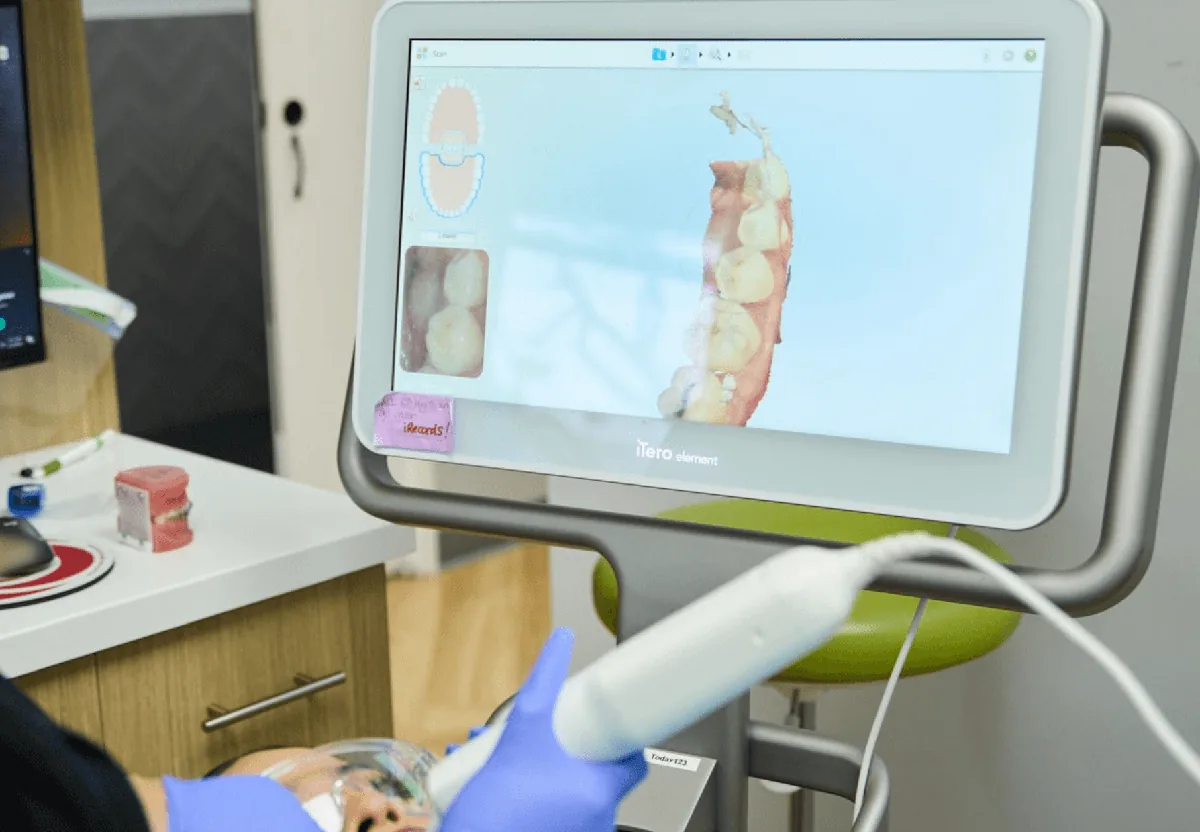
During your consultation, the orthodontist examines your teeth, jaw, and bite. They also take X-rays, photos, and digital scans or impressions.
These records help identify tooth root positions and jaw structure so your orthodontist can create a personalized treatment plan.
You will learn which braces or aligners fit your needs, how long treatment may take, and what costs to expect.
Orthodontic Visits, Adjustments, and Treatment Duration
After your braces are placed, you will visit your orthodontist every four to eight weeks for adjustments. During these visits, they may tighten the archwire or replace elastics.
Mild soreness after adjustments is normal and usually fades within a few days. Soft foods and over-the-counter pain relief can help during that time.
Treatment length depends on the complexity of your case:
Mild cases: 12 to 18 months.
Moderate cases: 18 to 24 months.
Complex cases: 24 to 36 months.
Adults may need slightly longer treatment because their bones are fully developed.
The Retention Phase and Why Retainers Matter
When your braces come off, you begin the retention phase. Your orthodontist will provide a retainer to keep your teeth from shifting back.
Retainers play a critical role in protecting your results. Without them, your teeth may slowly move out of alignment again.
Many orthodontists recommend full-time retainer wear at first, followed by nighttime-only wear. Some patients receive a permanent retainer bonded behind the front teeth, while others use removable retainers.
Benefits Beyond Straighter Teeth
Braces do more than straighten your smile. Improving your bite can support daily comfort, speech, and long-term oral health. A balanced bite also makes it easier to keep your teeth clean and healthy.
Better Chewing, Speech, and Everyday Comfort
When your teeth fit together correctly, chewing becomes easier and more efficient. Your teeth can distribute pressure evenly, which lowers the risk of cracks and uneven wear.
Some bite problems also affect speech patterns. Many people notice clearer speech after orthodontic treatment improves their bite alignment. As your bite improves, jaw tension and facial discomfort may decrease as well.
Jaw Health, Bite Correction, and TMJ-Related Relief
A misaligned bite forces your jaw muscles and joints to work harder than they should. Over time, that strain may contribute to TMJ disorders, headaches, and jaw discomfort.
Braces help distribute pressure more evenly across your teeth and jaw. This can reduce stress on the jaw joint and improve overall comfort. Some people also notice subtle improvements in facial balance after treatment.
Cleaner Teeth, Better Oral Hygiene, and Long-Term Oral Health
Crooked and crowded teeth create tight spaces where plaque and food particles collect easily. Even careful brushing may miss those hard-to-reach areas.
Once your teeth align properly, brushing and flossing become simpler and more effective. This lowers your risk of cavities and gum disease. Improving bite alignment today can also reduce the need for future dental work and support better long-term oral health.
How to Care for Braces and Protect Your Results
Taking care of your braces helps protect your teeth and keeps treatment moving smoothly. A consistent routine makes a big difference throughout orthodontic care. Focus on brushing, flossing, using helpful tools, and choosing foods carefully.
Brushing and Flossing Around Brackets
Brush your teeth after every meal instead of only twice a day. Brackets and wires create extra places where food and plaque can build up.
Use a soft-bristled toothbrush and angle it toward your gum line. Clean above and below each bracket carefully.
Flossing with braces takes more time, but a floss threader can help you guide floss beneath the archwire. Aim to floss at least once each day.
Helpful Tools Like a Water Flosser and Interdental Brush
Several tools can make oral hygiene easier during treatment:
Water flosser: Removes food particles around brackets and beneath wires.
Interdental brush: Cleans between brackets and tight spaces more effectively.
Fluoride mouthwash: Strengthens enamel and helps lower cavity risk.
These tools can improve comfort and make cleaning more manageable throughout treatment.
Food, Comfort Tips, and Orthodontic Wax
Some foods can damage brackets or get stuck in your wires. Hard foods such as popcorn kernels, nuts, and ice can increase the risk of broken brackets.
Sticky foods like caramel or taffy may pull brackets loose and interrupt treatment progress. After adjustments, softer foods such as yogurt, pasta, smoothies, and steamed vegetables can help reduce discomfort.
If a bracket or wire irritates your cheek or lip, orthodontic wax creates a smooth barrier that protects the area. Keeping wax nearby during the first few weeks of treatment can make daily life much more comfortable.
A Healthier Bite Can Improve More Than Your Smile
Improving your bite can make everyday activities feel easier and more comfortable. Better alignment helps your teeth work together properly, supports long-term oral health, and can reduce extra strain on your jaw over time.
At Dentist of West Covina, we create personalized orthodontic treatment plans designed around your needs, lifestyle, and comfort level. Whether you are considering traditional braces or clear aligners, modern treatment options can help teens and adults improve bite alignment with confidence.
Taking the first step toward a healthier bite does not have to feel overwhelming. Request an appointment to learn which orthodontic option may work best for your smile and daily comfort.
Frequently Asked Questions
How do braces help improve bite alignment for teens and adults?
Braces use gentle, consistent pressure to move teeth and guide the bite into better alignment over time. They can correct issues like overbites, underbites, crowding, and crooked teeth in both teens and adults. As the teeth shift, the jaw and surrounding bone adapt to support a healthier bite.
Can adults still improve their bite with braces?
Yes, adults can successfully improve bite alignment with braces or clear aligners. While treatment may take slightly longer because adult bone is denser, many adults achieve excellent results with modern orthodontic care. Treatment can also improve comfort, chewing, and oral hygiene.
What bite problems can braces correct?
Braces can treat several types of bite problems, including overbites, underbites, crossbites, open bites, and crowded teeth. They also help align crooked teeth and improve how the upper and lower teeth fit together. Correcting these issues can reduce uneven tooth wear and jaw strain.
How long does it take for braces to improve bite alignment?
Treatment time depends on how complex the bite problem is. Mild cases may take 12 to 18 months, while moderate to complex cases can take between 18 and 36 months. Your orthodontist will create a treatment timeline based on your specific needs.
Are clear aligners as effective as braces for bite correction?
Clear aligners can work well for mild to moderate bite problems, including small gaps and minor crowding. Traditional braces often work better for severe bite issues or more complex tooth movement. Your orthodontist can recommend the best option based on your bite alignment needs.
Do braces help with jaw pain and TMJ symptoms?
Braces may help reduce jaw discomfort caused by bite misalignment. When your teeth fit together more evenly, your jaw muscles and joints often experience less strain during chewing and speaking. Some patients also notice fewer headaches and less tension around the jaw.
What happens after braces come off?
After braces come off, you will wear a retainer to help keep your teeth in their new positions. Retainers prevent teeth from slowly shifting back over time and help protect your bite alignment results. If you want to learn more about orthodontic treatment options, Schedule Your Visit Online to explore the right solution for your smile.