Taking your child to the dentist for the first time can bring up a lot of questions. If you're wondering what to expect at your child's first dental appointment, you probably want to help your child feel calm, comfortable, and ready for the visit.
At Dentist of West Covina, we focus on creating a relaxed experience that helps children feel safe from the moment they walk in. Our team uses a comfort-first approach, modern technology, and personalized care to support both children and parents during early dental visits.
Your child's first appointment is usually simple, gentle, and educational for the whole family. This guide walks you through each step of the visit so you can feel more prepared, confident, and ready to support healthy habits from the start.
When to Schedule Your Child's First Dental Clinic Appointment
Timing matters more than most parents expect. Early dental visits help spot potential issues and give you a head start on good oral habits.
The Age and Timing Most Dentists Recommend
The American Academy of Pediatric Dentistry says to schedule your child's first dental visit by their first birthday or within six months after the first tooth pops up—whichever comes first. Most babies get their first tooth around six months, so aiming for age one is a safe bet.
This catches a lot of parents off guard. Many think they can wait until age three or four, but earlier is better for comfort and catching problems while they're small.
Why Early Dental Visits Matter
Baby teeth do more than just look cute. They help your child speak clearly and guide permanent teeth into place.
Problems in baby teeth, like decay or infection, can actually mess with the adult teeth forming underneath. Early visits also give the dentist a chance to show you how to care for your child's teeth at home.
Catching cavities early—or avoiding them entirely—is so much easier than dealing with big problems later.
Signs Your Child Should Be Seen Sooner
Sometimes you shouldn't wait for that first birthday. Book an earlier appointment if you notice:
White or brown spots on teeth
Red, swollen, or bleeding gums
Trouble eating or mouth pain
A tooth that looks chipped or damaged
Trust your gut. If something seems off, a quick checkup can bring peace of mind.
How to Get Your Child Ready Before the Appointment
A little prep can make a world of difference for your child's first dental appointment. Picking the right dentist, talking about the visit, and packing a few essentials all help.
How to Talk About the Visit in a Positive Way
Keep it simple and upbeat. Maybe say, "The dentist is going to count your teeth!" Skip words like "pain," "shot," or "hurt," even if you're trying to be reassuring.
Reading a picture book about going to the dentist can help. Let your child ask questions, and answer honestly—but don't overdo the details. Try not to share your own dental anxieties, as kids pick up on that stuff fast.
What Parents Should Bring to the Office
Having a few things ready makes check-in easier. Bring:
Your child's insurance card and ID
Any medical or dental history records
A list of medications
A comfort item (favorite toy or blanket)
A bottle or sippy cup, just in case
Tips for Choosing a Pediatric Dentist or Family Dentist
You can take your child to your family dentist or a pediatric dentist. Both know how to care for young children.
Pediatric dentists have extra training focused on kids, and their offices are usually designed to feel welcoming for little ones.
If your child has developmental concerns or special needs, a pediatric dentist might be the better fit. If you're not sure where to start, ask your pediatrician for a recommendation.
What Happens During the Appointment
The first dental checkup is designed to be gentle and quick. Most visits last about 30 minutes and focus on helping your child get used to the dental office, checking out their mouth, and teaching you how to keep those tiny teeth healthy.
Check-In, Paperwork, and Medical History Review
When you arrive, you'll fill out forms about your child's health history, including allergies, medications, and any past medical issues.
The front desk might also ask about your child's eating habits and how you care for their teeth at home. It's a good time to mention any concerns, like a tooth that looks weird or trouble with feeding.
The Oral Exam for Teeth, Gums, and Jaw Development
The dentist will gently examine your child's mouth. For very young kids, you might sit in the dental chair and hold your child on your lap.
The dentist will check for:
Tooth decay
Gum health
Jaw alignment and bite
Any issues with oral tissues
This part goes quickly—usually just a few minutes.
Possible Cleaning, Fluoride, and X-Rays
Depending on your child's age and how many teeth they have, the dentist might do a light cleaning and apply fluoride. X-rays aren't typical at a first visit for very young children.
Most kids won't need X-rays until around age five or six, unless the dentist sees something concerning. If your child's at higher risk for decay, such as with baby bottle tooth decay, X-rays might be needed earlier.
How the Visit May Differ by Your Child's Age and Comfort Level
A one-year-old's visit looks pretty different from a four-year-old's. Babies and young toddlers usually have a quick exam, maybe entirely on a parent's lap.
Older toddlers and preschoolers might sit in the dental chair and get a more thorough cleaning. The dental team adapts to your child's comfort level.
If your child is upset or uncooperative, the dentist can adjust the plan. Sometimes, just sitting in the chair and looking around is enough for a first visit.
Topics the Dentist Will Usually Discuss With Parents
Your child's first dental visit is also about giving you info. Expect the dentist to spend a few minutes talking about oral health topics that fit your child's age and needs.
Brushing, Flossing, and Daily Home Care
The dentist will show you how to brush your child's teeth properly. For babies, use a soft-bristled brush with a tiny smear of fluoride toothpaste—about the size of a grain of rice.
For kids over three, a pea-sized dab does the trick. Flossing should start once two teeth touch. The dentist can show you how to make flossing less of a wrestling match with a wiggly kid.
Feeding Habits, Sugary Drinks, and Baby Bottle Tooth Decay
Baby bottle tooth decay comes up a lot at the first visit. It happens when sugary liquids like milk or juice hang out on teeth for too long, especially if your child falls asleep with a bottle.
Your dentist may suggest:
Switching from a bottle to a cup around 12 to 18 months
Not giving juice in bottles
Avoiding bedtime bottles of milk or formula
Limiting sugary snacks and drinks during the day
Thumb Sucking, Pacifiers, Teething, and Developmental Habits
The dentist will ask about thumb sucking and pacifier use. Both are normal for babies, but going too long can affect how teeth and jaws grow.
Most dentists recommend weaning off a pacifier by age one. Thumb sucking that sticks around past age three or four might need some extra attention.
If your child is teething, the dentist can suggest safe ways to soothe sore gums, like chilled teething rings or a gentle gum massage.
How to Make the Experience Easier for an Anxious Child
Some nerves are totally normal, especially for a first dental visit. A few simple tricks can help your child feel a lot safer and more willing to cooperate.
Best Appointment Timing for Mood and Cooperation
Schedule the appointment when your child is usually well-rested and fed. For most toddlers, mid-morning is a sweet spot.
Try not to book right before nap time or during a cranky part of the day. Arriving a bit early helps your child settle in without feeling rushed.
Comfort Items, Role Play, and Other Simple Prep Strategies
Bring a favorite stuffed animal or blanket for comfort. At home, you can play "dentist" with your child—count their teeth with a toothbrush or let them check a doll's teeth. Keep it light and fun. The goal is to make the idea of a dental visit feel familiar, not scary.
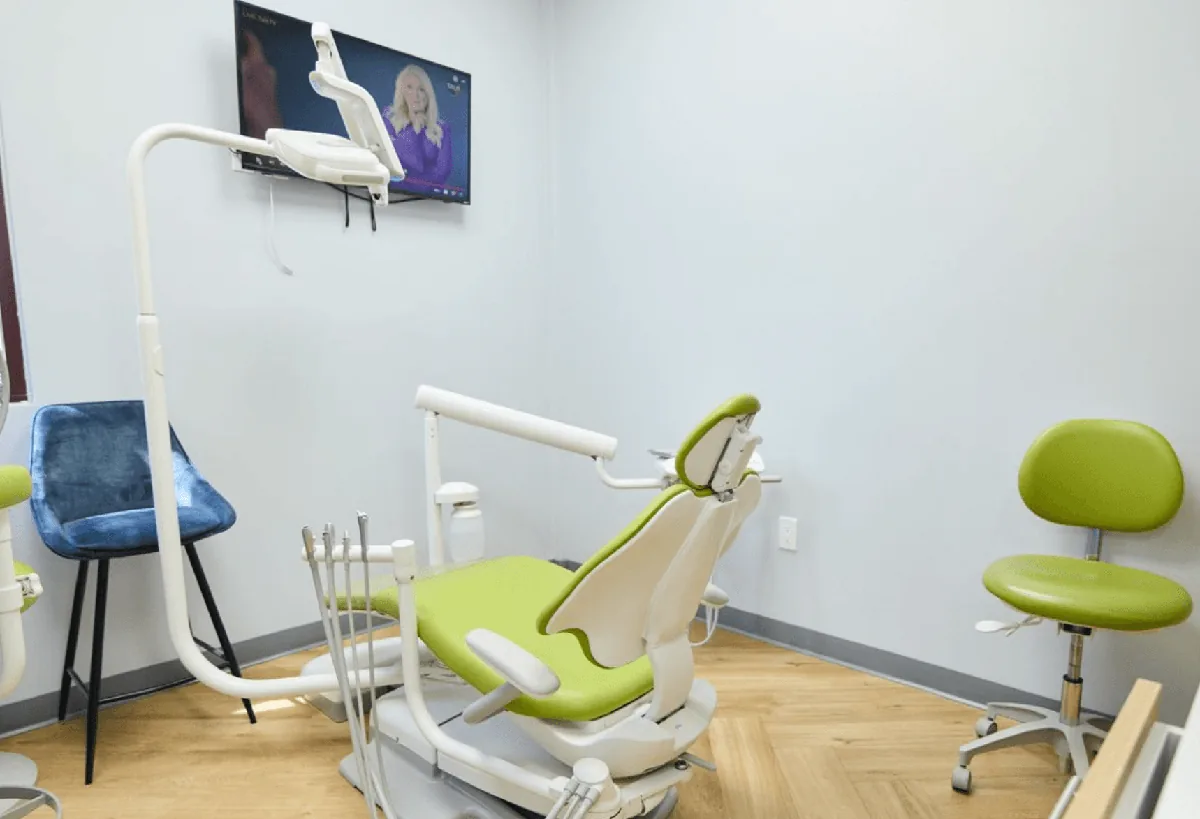
Some pediatric dental offices have toys, bright decorations, and even TVs in the exam rooms. Those little touches can make a big difference for an anxious kid.
What to Do If Your Child Cries or Refuses the Exam
Crying at the dentist? Totally common, especially for kids under three, so don't feel embarrassed.
Dental teams who work with kids have seen it all and know how to handle it calmly. If your child won't open their mouth, the dentist might try again after a short break or just let them look around.
Sometimes, sitting in the chair is a win for the first visit. Stay calm and positive, as your child will pick up on your vibe.
What Comes Next After the First Checkup
The first dental checkup is just the start. What you do afterward matters just as much.
How Often Children Usually Return
Most dentists recommend coming back every six months after the first visit. These regular checkups help the dentist keep an eye on tooth development and catch any problems early.
Consistent visits also help your child get more comfortable with the dental office over time.
How Early Preventive Care Helps Avoid Future Problems
Kids who start dental care early are less likely to get cavities or other dental problems later. Prevention's a lot easier—and less expensive—than treatment.
Early visits give you the info and tools you need to keep your child's teeth healthy between appointments. Little things, like good brushing and limiting sugar, can save you a lot of hassle down the road.
Questions to Ask Before You Leave
Before heading home, pause for a minute and ask the dentist any questions that popped up during the visit. Honestly, it's easy to forget what you wanted to ask in the moment.
Some helpful ones might be:
Is my child's tooth development on track?
Are there any areas of concern I should watch?
What toothpaste and toothbrush should I be using?
When should I schedule the next appointment?
Does my child need fluoride supplements?
Jot down the answers so you can check them later if you need to. It's a team effort when it comes to your child's dental health, so don't be shy about asking whatever's on your mind.
Helping Your Child Feel Comfortable With Dental Visits in West Covina
Your child's first dental visit can set the tone for healthy habits and positive experiences for years to come. When you know what to expect at your child's first dental clinic appointment, it becomes easier to help your child feel calm, supported, and confident during each visit.
At Dentist of West Covina, we create a welcoming environment for children and parents with gentle care, flexible scheduling, and personalized guidance for every stage of development. Our goal is to help your child build comfort and trust while supporting long-term oral health in a relaxed setting.
A simple first visit can make future appointments feel more familiar and less stressful for your child. Request an appointment to schedule a visit that supports your child's comfort and healthy smile.
Frequently Asked Questions
What happens during your child's first dental clinic appointment?
Your child's first dental clinic appointment usually includes a gentle exam, a quick look at the teeth and gums, and a conversation about home care habits. The dentist may also talk with you about brushing, feeding habits, teething, and what to expect as your child grows. Most first visits are short and focus on helping your child feel comfortable in the dental office.
At what age should a child first go to the dentist?
Most dentists recommend scheduling your child's first dental visit by age one or within six months after the first tooth appears. Early visits help monitor tooth development and give you guidance on healthy habits before problems start. Starting early also helps your child become more familiar with dental visits over time.
How can I prepare my child for their first dental visit?
You can prepare your child by keeping the conversation simple, positive, and calm. Reading books about dental visits, practicing opening their mouth at home, and bringing a favorite comfort item can help your child feel more relaxed. Try to avoid using words that may sound scary or stressful before the appointment.
Will my child get X-rays at the first dental appointment?
Most young children do not need X-rays during their first dental clinic appointment. The dentist usually waits until children are older unless they notice signs of decay, injury, or other concerns that need a closer look. The first visit typically focuses more on a visual exam and helping your child feel comfortable.
How long does a child's first dental appointment take?
A child's first dental appointment usually lasts about 30 minutes. The visit often includes check-in, a gentle oral exam, and time for parents to ask questions about brushing, feeding, and dental development. Some visits may be shorter if your child feels nervous or needs extra time to adjust.
What should I bring to my child's first dental appointment?
Bring your child's insurance information, medical history, medication list, and any dental records you already have. Many parents also bring a favorite toy, blanket, or snack to help their child feel more comfortable during the visit. Having everything ready ahead of time can make check-in smoother and less stressful.
What if my child cries during the dental appointment?
It's very common for young children to cry or feel unsure during their first dental visit. Dental teams who work with children know how to respond calmly and adjust the visit to match your child's comfort level. If you have questions about preparing your child for future visits, schedule your visit online to learn how early dental care can support healthy habits and more positive experiences.