If you have been wondering when an orthodontist recommends early treatment, you are not alone. Many parents in West Covina assume orthodontic care starts during the teen years, but some bite and jaw concerns respond better when children are still growing.
At Dentist of West Covina, we focus on comfort-first care and personalized treatment plans that help you understand every step of your child's orthodontic development. Early evaluations can identify concerns before they become more difficult to manage later.
This guide explains the signs orthodontists look for, why age 7 matters, and how early treatment may support healthier jaw growth and tooth alignment. Understanding the timing behind early orthodontic care can help you feel more confident about your child's future smile.
When An Orthodontist Recommends Early Treatment
The best time for an early orthodontic check depends on your child's development, but there are some clear guidelines that help parents.
The American Association of Orthodontists says every child should have an orthodontic evaluation by age 7. That first exam usually shows whether it is best to monitor things or take action.
Why Age 7 Is an Important Checkpoint
By age 7, most kids have a mix of baby teeth and permanent teeth, which is called mixed dentition. This stage gives an orthodontist enough information to spot issues with jaw growth, tooth alignment, and bite development.
At this age, the first molars and front teeth have usually come in, which lets the orthodontist check how the upper and lower jaws fit together. Many treatment plans begin with this first visit, even if no work is needed right away.
No referral is necessary. Many offices offer a complimentary consultation, so you do not have to worry about the cost just to get checked out.
The Three Possible Outcomes of an Early Evaluation
After the initial exam, the orthodontist typically shares one of three outcomes:
No treatment is needed. Everything is on track.
Monitoring is recommended. Something is worth watching, so there will be periodic check-ups.
Early treatment is recommended. The orthodontist found a problem that benefits from acting now instead of later.
Most kids end up in the monitoring group. That is completely normal and often a good sign because orthodontists focus on proper timing instead of rushing into treatment.
How Orthodontists Decide Between Monitoring and Action
Orthodontists do not suggest early treatment for every small issue. They consider how severe the problem is, how quickly it might get worse, and whether your child's growth can help correct it.
For example, a mild spacing issue might improve as more adult teeth come in. A crossbite that shifts the jaw, however, usually needs attention sooner. The decision often comes down to whether waiting would make treatment harder or more expensive later.
Signs a Child May Benefit From Treatment Sooner
Some dental and facial signs during childhood stand out and signal that it is time for a closer look. These signs usually fall into three categories: bite and jaw concerns, eruption and spacing problems, and habits or symptoms that affect development.
Jaw and Bite Changes That Should Not Wait
Some bite problems are easier to correct while a child is still growing. A crossbite, where upper teeth sit inside the lower teeth, can affect jaw growth if you ignore it. An underbite, where the lower jaw sits in front of the upper jaw, also benefits from early care.
Other bite issues to watch for include:
Upper and lower teeth not meeting when the mouth closes.
A deep bite where the top teeth completely cover the bottom teeth.
The lower jaw shifting to one side when biting down.
These issues can affect chewing, speech, and even breathing.
Tooth Eruption and Spacing Problems
Pay attention if your child loses baby teeth late or if adult teeth seem to come in out of order. Severe crowding, especially in the front teeth, is a common reason to visit an orthodontist early.
Protruding front teeth are not only a cosmetic concern but also more likely to be injured during sports or play. Extra or missing teeth, along with teeth trapped beneath the gums, also signal the need for early attention.
Habits and Functional Symptoms That Raise Concern
Long-term thumb or finger sucking can push teeth out of place and even change the shape of the palate. Tongue thrust, where the tongue pushes against the front teeth during swallowing, can cause similar problems over time.
Watch for these functional concerns:
Trouble chewing or biting into food.
Mouth breathing, especially at night.
Speech issues that do not improve with age.
If you notice any of these concerns, mention them during your child's first orthodontic visit.
What Early Treatment Is Designed to Accomplish
Early orthodontic care does not focus on creating a perfect smile at age eight. Instead, it focuses on addressing structural concerns while your child's body is still growing and changing.
The main benefits include guiding jaw development, creating space for adult teeth, and lowering the chances of needing more complex care later.
Guiding Jaw Development While Growth Is Active
One of the biggest benefits of treating kids early is the ability to guide jaw growth. Between ages 7 and 10, the bones in the face and jaw continue developing. An orthodontist can use that growth to widen a narrow upper jaw, improve how the jaws fit together, or correct uneven jaw growth.
Once growth finishes, these changes become much harder and sometimes require surgery. Timing matters more than many parents realize.
Creating Space for Incoming Adult Teeth
When there is not enough room for adult teeth, they may come in crooked, overlap, or remain trapped under the gums. Early treatment can create room by expanding the arch or managing the transition from baby teeth to adult teeth.
Sometimes, this means removing a baby tooth at the right time. In other cases, an appliance holds space open after a baby tooth is lost too early.
Reducing the Risk of More Invasive Care Later
A major goal of early orthodontic care is to reduce the need for tooth extractions or surgery during the teen years. By addressing jaw concerns and severe crowding early, your child may still need braces later, but treatment is often shorter and easier.
Early care does not guarantee your child will avoid a second phase of treatment, but it can make future treatment much simpler.
Common Appliances Used in Phase One Care
Phase one treatment uses several appliances designed for growing kids. The type your orthodontist recommends depends on the issue, your child's age, and how much growth remains.
Palatal Expanders and Space-Gaining Approaches
Palatal expanders are one of the most common devices used in early treatment. They fit across the roof of the mouth and gently widen the upper jaw over several weeks. These devices work especially well for crossbites or narrow arches that do not have enough room for incoming teeth.
A space maintainer works differently. If your child loses a baby tooth too soon, this small device keeps the space open so the adult tooth can come in without nearby teeth shifting into the gap. Both appliances are straightforward to use, and most kids adjust to them well.
Functional Appliances for Growth and Bite Correction
Functional appliances help guide jaw growth. Orthodontists often use them when the upper and lower jaws do not line up properly, such as when the lower jaw sits too far back.
These devices may be fixed or removable. They use your child's natural growth and muscle movement to encourage a healthier jaw position. Treatment usually lasts several months to one year.
When Braces or Aligners Are Part of Early Care
Sometimes, phase one care includes braces on only a few teeth, which many people call partial braces. Orthodontists usually focus on the front teeth or specific problem areas instead of the entire mouth.
Clear aligners may work for certain cases, although they are more common in older kids and teens. Your orthodontist can explain which option best fits your child's needs.
What Parents Can Expect After the First Visit
The first orthodontic visit sets the tone for everything that follows. Whether your child needs care now or only periodic check-ins, understanding the process can help you feel more comfortable.
Records, Monitoring, and Timing of Follow-Ups
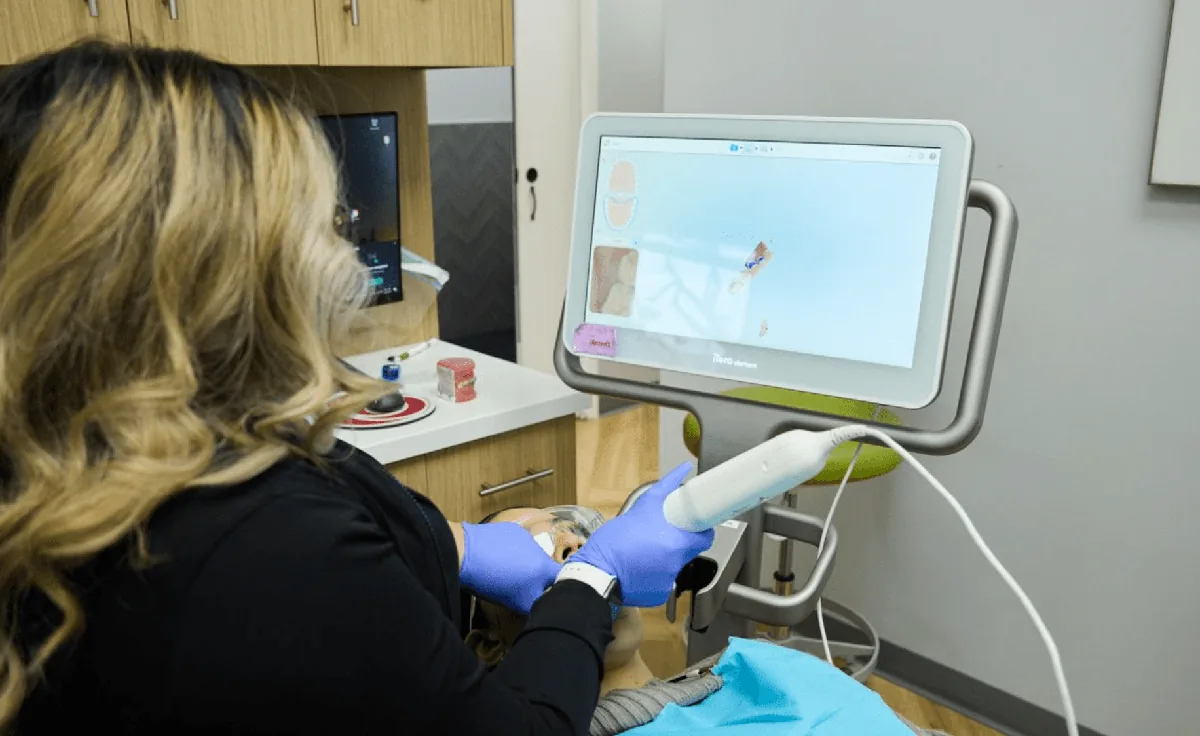
During the initial consultation, the orthodontist may take X-rays, photos, and impressions or digital scans. These records help track changes over time.
If your child does not need treatment right away, expect follow-up visits every 6 to 12 months. These appointments are usually quick and give the orthodontist a chance to monitor tooth eruption and jaw growth.
How Two-Phase Care May Unfold Over Time
Phase one treatment often begins between ages 7 and 10 and may last between 6 and 18 months. After that, your child enters a resting period while the remaining adult teeth erupt.
A second phase, often involving full braces or aligners, may follow once most adult teeth have come in. This phase usually feels shorter and less involved when phase one treatment has already addressed the larger structural concerns. Not every child who completes phase one treatment needs a second round, but many do.
Questions to Ask Before Starting Treatment
Before starting early treatment, make sure you feel confident about the plan.
Here are some questions worth asking during your child's orthodontic evaluation:
What specific problem are we treating, and what happens if we wait?
How long will phase one treatment last?
What type of appliance will be used, and how should we care for it?
Will my child likely need a second phase of treatment?
What is the total estimated cost, and what payment options are available?
Getting answers up front helps you make informed decisions for your child and avoid surprises later.
Supporting Healthy Smiles With the Right Timing
Understanding when an orthodontist recommends early treatment can help you make informed decisions about your child's long-term dental health. In many cases, early care gives growing teeth and jaws the support they need while treatment options remain simpler and more flexible.
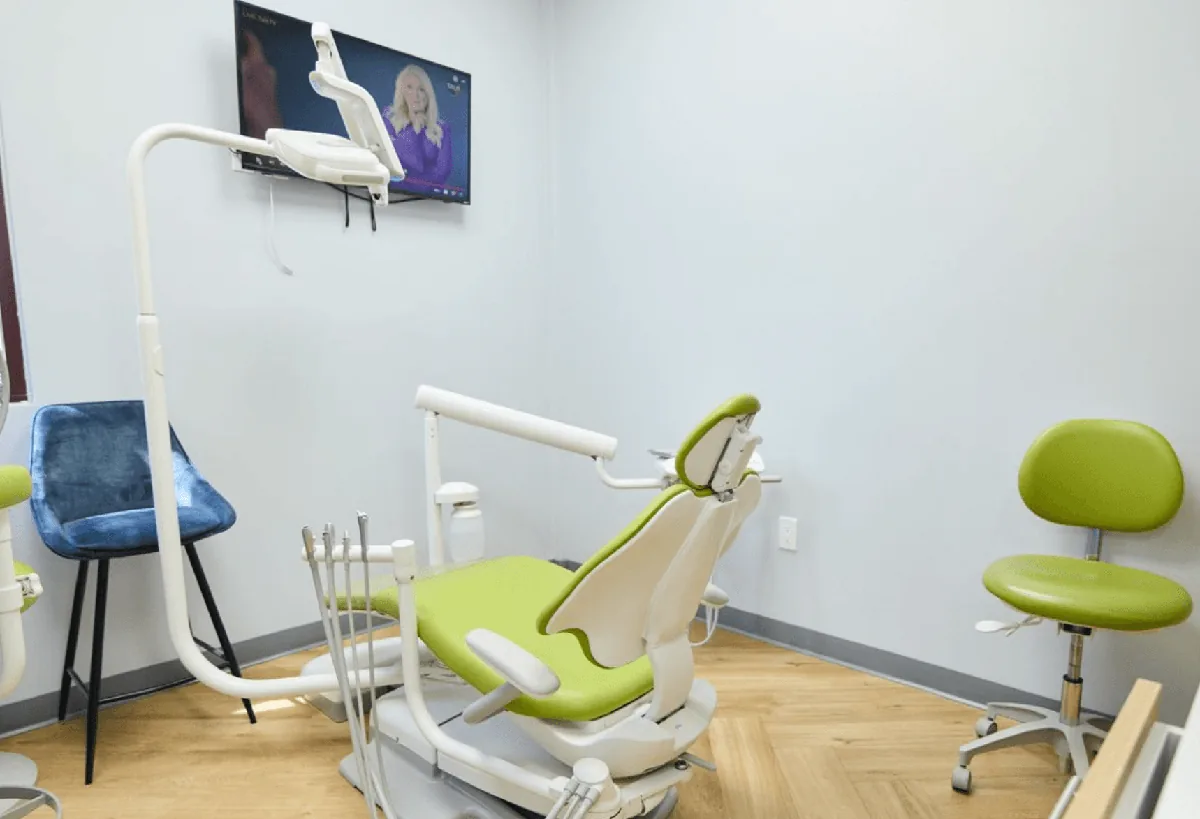
At Dentist of West Covina, we use modern technology and personalized evaluations to help families feel comfortable and informed throughout the orthodontic process. Whether your child needs treatment now or simple monitoring, early guidance can make future care easier to manage.
Every child develops differently, and the right timing matters. Request an appointment to learn whether an early orthodontic evaluation could benefit your child's smile and overall comfort.
Frequently Asked Questions
At what age should a child see an orthodontist for the first time?
Most orthodontists recommend scheduling a first evaluation around age 7. At this stage, children usually have a mix of baby teeth and permanent teeth, which helps identify concerns with jaw growth, bite alignment, and tooth spacing early.
When does an orthodontist recommend early treatment?
An orthodontist may recommend early treatment when a child shows signs of bite problems, jaw misalignment, severe crowding, or harmful oral habits. Early care works best when growth and development can still help guide the teeth and jaws into healthier positions.
Does every child who gets an early orthodontic evaluation need treatment?
No, many children only need monitoring after their first orthodontic visit. Some concerns improve naturally as adult teeth come in, while others benefit from treatment at a later stage instead of immediate care.
What problems can early orthodontic treatment help correct?
Early orthodontic treatment can help correct crossbites, underbites, crowding, spacing issues, and jaw growth concerns. It may also improve chewing, speech development, and the way the upper and lower teeth fit together.
Can early orthodontic treatment reduce the need for braces later?
Early treatment may reduce the complexity of future orthodontic care by creating space for adult teeth and guiding jaw growth. Many children still need braces later, but treatment is often shorter and less involved after phase one care.
What appliances are commonly used during early orthodontic treatment?
Orthodontists often use palatal expanders, space maintainers, partial braces, and functional appliances during phase one treatment. The right appliance depends on your child's age, dental development, and specific orthodontic concerns.
How do I know if my child should have an orthodontic evaluation?
Signs such as crowding, bite changes, mouth breathing, delayed tooth eruption, or difficulty chewing may signal the need for an orthodontic evaluation. If you notice these concerns, schedule your visit online to learn whether early orthodontic care may benefit your child's developing smile.