Searching for a “pediatric dentist close to me” can feel stressful when your child is nervous, your schedule is packed, and you just want a nearby office you can trust.
At Dentist of West Covina, we focus on comfort-first visits, modern technology, and personalized treatment plans that help kids feel safe and understood.
Below, you’ll learn what a pediatric dentist does, why proximity matters, what to expect at the first visit, and how to keep your child’s smile healthy between appointments.
What Does A Pediatric Dentist Do?
Pediatric dentists focus on oral health care specifically for infants, children, and teenagers. They complete additional training beyond their dental school training to understand how young mouths grow and develop.
Specialized Dental Care For Children
Pediatric dentists receive two to three years of additional training after dental school. This training teaches them how to handle the unique dental needs of growing children. They learn about child psychology and how to make kids feel comfortable during appointments. Your child's mouth changes a lot as they grow.
Baby teeth come in, fall out, and permanent teeth replace them. A pediatric dentist knows how to spot problems early during these stages.
These dentists also know how to work with children who feel scared or anxious. They use special techniques to help kids relax and stay calm.
Many pediatric dental offices have fun decorations and toys to make visits feel less scary. That little extra effort goes a long way.
Difference Between Pediatric And General Dentists
General dentists treat patients of all ages. Pediatric dentists only work with children and teens. This focus means they better understand kid-specific dental issues. The training makes a big difference.
Pediatric dentists study how baby teeth affect permanent teeth. They learn about growth patterns in young jaws and faces.
Pediatric dental offices look different, too. They're designed to feel welcoming for kids. The staff knows how to talk to children in ways they understand. They can explain procedures without using scary words.
Common Treatments Provided
Pediatric dentists offer many services to keep your child's teeth healthy. Regular cleanings and checkups happen every six months.
These visits help catch cavities and other problems early. Common treatments include:
Fluoride treatments to strengthen tooth enamel
Dental sealants to protect back teeth from cavities
Filling cavities in baby teeth and permanent teeth
Treating gum disease in children
Fixing chipped or broken teeth
Pulling teeth when necessary
They also teach kids how to brush and floss correctly. Good habits start young and last a lifetime. Your child learns why taking care of their teeth matters. Sometimes, it's the little reminders from someone other than a parent that really stick.
Benefits Of Choosing A Pediatric Dentist Close To Me
Finding a pediatric dentist near your home or your child's school makes dental care easier to manage and less stressful for your whole family. Local pediatric dentists understand the specific needs of your community and can respond quickly to dental emergencies.
Convenience For Busy Families
A nearby pediatric dentist saves you time and reduces stress when scheduling appointments. You won't need to spend hours driving across town or fighting traffic to get your child to their checkup.
Shorter travel times mean less time away from work and school. Your child won't miss as much class time, and you can fit appointments into your lunch break or right after school lets out.
When your dentist is close by, you're more likely to keep regular appointments. Missing checkups becomes less common because it's easy to stop in without major planning.
This consistency helps your child build better oral health habits over time. You can also handle multiple children's appointments more easily. If you have siblings who need dental care, a location near home lets you schedule back-to-back visits without the stress of long commutes between appointments.
Familiarity With Local Community Needs
Local pediatric dentists often understand the specific challenges families face in your area. They know about the water quality in your community, which affects fluoride levels and tooth health.
If your area has low fluoride in the water, your dentist can recommend the right supplements. These dentists also connect with local schools and community programs.
They may offer school visits or participate in health fairs where your child already goes. This involvement creates trust and familiarity for young patients.
Your local pediatric dentist often accepts insurance plans common in your area. They understand which providers serve your community and can work with your coverage more effectively.
You'll spend less time dealing with insurance confusion and more time focusing on your child's care.
Emergency Dental Services For Kids
Dental emergencies don't follow a schedule. When your child chips a tooth or has severe mouth pain, you need help fast. A pediatric dentist near you can see your child quickly in emergencies. You won't waste time driving long distances while your child is in pain or distress.
Many local practices reserve slots for urgent cases and can fit you in the same day. Your dentist already knows your child's dental history, so when emergencies happen.
They have records on file and understand any special needs or previous treatments. This familiarity speeds up care and ensures the right treatment approach.
How To Find A Pediatric Dentist In My Area
You can find a qualified pediatric dentist close to you through online directories, personal recommendations, and by asking the right questions during your search. These methods help you locate dentists who accept your insurance and meet your child's specific needs.
Using Online Search Tools And Directories
Online directories make it easy to find pediatric dentists in your area by entering your ZIP code. The American Academy of Pediatric Dentistry offers a free search tool that lets you set a preferred distance radius to see all available options nearby.
The American Board of Pediatric Dentistry maintains a roster of board-certified pediatric dentists that you can search by location. This certification indicates that a dentist has completed additional training and testing beyond dental school.
Your dental insurance provider's website also has a search feature to find in-network dentists, which helps you save money on visits. Most online tools include maps, office hours, and contact information.
Some show photos of the office and list special services like sedation dentistry or care for children with special needs.
Recommendations From Friends And Pediatricians
Your child's pediatrician can refer you to trusted pediatric dentists they work with regularly. These doctors often know which dentists are gentle with nervous children and have experience handling various dental issues.
Ask other parents at your child's school or daycare about their experiences. Friends and family members can tell you about wait times, staff friendliness, and how well the dentist explains procedures to kids.
Parent groups on social media often share recommendations for local pediatric dentists. You can post questions and get multiple responses from families in your community. Local parenting forums and neighborhood apps are also good places to find honest reviews from parents in your area.
Questions To Ask When Evaluating Dentists
Call the dental office to ask whether they accept your insurance plan and what you can expect for routine visits. Ask about their payment options if you need to pay out of pocket or have a high deductible.
Find out the dentist's experience with children of your child's age and whether they have training in behavior management. You should also ask about emergency appointment availability and what happens if your child has urgent dental needs after hours.
Request information about office policies, including how they handle anxious children and whether parents can stay in the room during treatment. Ask if they offer a free consultation or tour so your child can meet the staff before their first appointment.
Learn about their approach to preventive care and how they communicate treatment plans to parents.
What To Expect During Your First Visit
Your child's first dental visit typically happens around their first birthday or within six months of their first tooth appearing. The appointment usually lasts 30 to 45 minutes and focuses on making your child comfortable while checking their teeth and gums.
Initial Consultation Process
The dentist will start by getting to know you and your child. They'll ask about your child's medical history, teething patterns, and any concerns you might have about their oral health.
During the exam, the dentist will gently look at your child's teeth, jaws, bite, gums, and mouth tissues. This helps them check how everything is growing and developing.
They might count teeth, look for cavities, and check if the teeth are coming in properly. You'll also get helpful advice about brushing techniques, fluoride use, and diet tips for healthy teeth.
The dentist may show you the best ways to clean your baby's teeth at home. They'll talk about thumb sucking, pacifier use, and how these habits affect dental health. The visit is mainly educational. It helps you understand how to care for your child's teeth and sets up a dental home for all their future needs.
Child-Friendly Office Environment
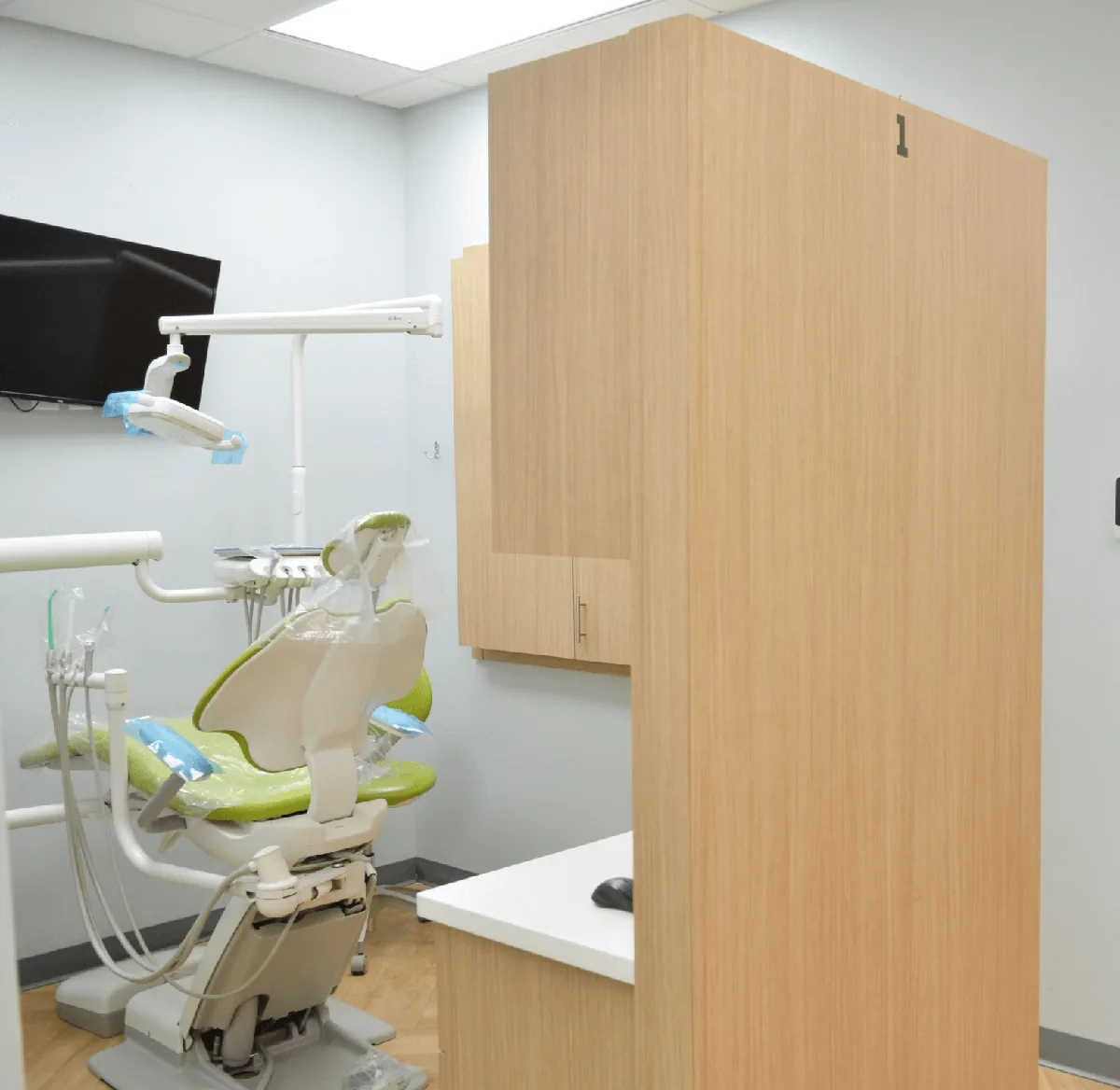
Pediatric dental offices are designed to make kids feel safe and happy. You'll find bright colors, fun decorations, and toys in the waiting area.
Many offices have TVs playing cartoons or games to keep children entertained. The dental chairs and tools are often smaller and less scary than adult versions.
Some dentists let kids hold mirrors so they can watch what's happening during the exam. The staff knows how to talk to children in ways they understand.
They use simple, friendly words instead of scary dental terms. Your dentist might call the tooth counter a "tooth mirror" or refer to the cleaning as "giving teeth a bath."
Preparing Your Child For The Appointment
Talk to your child about the visit in a positive way a few days before. Keep it simple and avoid words like "pain," "shot," or "hurt."
Tell them the dentist will count their teeth and make sure they're growing strong. Read books about going to the dentist or watch kid-friendly videos together.
Let your child ask questions and answer them honestly without adding worry. Bring a favorite toy or blanket to help your child feel secure.
Schedule the appointment when your child is usually well-rested and in a good mood, like mid-morning. Avoid times when they're typically hungry or tired.
Stay calm and positive. Kids pick up on your feelings, so if you're relaxed, they're more likely to be relaxed too.
Tips For Maintaining Your Child's Oral Health
Good oral health starts with daily brushing and flossing, regular visits to your pediatric dentist, and smart food choices that protect your child's teeth from cavities.
At-Home Dental Care Habits
Brushing your child's teeth twice a day is the foundation of good oral health. Use a soft-bristle toothbrush and a pea-sized amount of fluoride toothpaste for children over three years old.
For younger children, use just a smear of toothpaste about the size of a grain of rice. Make sure your child brushes for two full minutes each time.
Many kids rush through brushing, so setting a timer or playing a two-minute song can help them brush long enough. Flossing is just as important as brushing.
Start flossing your child's teeth as soon as two teeth touch each other. This removes food particles and plaque that a toothbrush can't reach between the teeth.
Help your child brush and floss until they're around 7 or 8 years old. Even after they can do it themselves, check their work to make sure they're cleaning all surfaces of their teeth properly.
Importance Of Regular Dental Checkups
Your child should visit a pediatric dentist every six months for routine checkups and cleanings. These visits help catch problems early before they become painful or expensive to fix.
During checkups, the dentist examines your child's teeth for cavities, checks their gums for signs of disease, and looks at how their teeth are developing. Professional cleanings remove hardened plaque that brushing alone can't remove.
Fluoride varnish applied at these visits strengthens tooth enamel and helps prevent cavities. Many pediatric dentists administer this treatment every 3 to 6 months, and some pediatricians also offer it during well-child visits.
Regular dental visits also help your child feel comfortable at the dentist's office. This reduces anxiety and builds trust, making future appointments easier.
Nutrition For Strong Teeth
What your child eats has a real impact on their dental health. Try to limit sugary snacks and drinks, such as candy, cookies, soda, and fruit juice.
Bacteria in the mouth love sugar and churn out acid that breaks down tooth enamel. It’s not exactly a fair fight for those little teeth.
Offer your child water instead of sugary drinks throughout the day. Water actually helps rinse away food bits and keeps their mouth hydrated, all without bathing teeth in sugar or acid.
Foods that promote strong teeth include:
Cheese and yogurt (calcium strengthens enamel)
Crunchy veggies like carrots and celery (they clean teeth naturally)
Apples (great for saliva production)
Nuts (full of minerals that protect teeth)
If your child does have something sweet, serve it with a meal instead of as a random snack. Saliva production ramps up during meals, helping neutralize acids and wash away sugar more efficiently.
Comfortable Care Starts Close To Home
Finding a pediatric dentist close to you helps reduce stress, save time, and make dental visits feel more manageable for busy families. When care is nearby, it’s easier to stay consistent and address concerns early.
At Dentist of West Covina, gentle techniques, clear communication, and modern care help children feel comfortable while parents feel informed and confident.
If your child needs a dental home that fits your schedule and supports their comfort, take the next step when you’re ready. Request an appointment or call our West Covina Office to get started.
Frequently Asked Questions
What Is A Pediatric Dentist Close To Me?
A pediatric dentist close to you is a dental professional who specializes in caring for children and is located conveniently near your home, school, or workplace. Proximity makes it easier to keep regular visits and manage unexpected dental needs.
When Should My Child First See A Pediatric Dentist?
Most children should see a pediatric dentist by their first birthday or within six months of their first tooth appearing. Early visits help prevent problems and make dental care feel normal and comfortable from the start.
Why Not Use A General Dentist For My Child?
General dentists treat all ages, while pediatric dentists receive extra training focused only on children. This includes child development, behavior guidance, and techniques that help anxious kids feel at ease during visits.
How Often Should Children Visit The Dentist?
Children typically need dental checkups every six months. Regular visits allow the dentist to monitor growth, prevent cavities, and address small issues before they become bigger concerns.
How Do Pediatric Dentists Help Nervous Or Anxious Kids?
Pediatric dentists use kid-friendly language, gentle techniques, and calm explanations to reduce fear. Offices are designed to feel welcoming, and appointments move at a pace that helps children stay relaxed.
What Should I Bring To My Child’s First Dental Visit?
Bring your child’s insurance information, any medical history details, and a list of questions or concerns. A favorite toy or comfort item can also help your child feel more secure.
What Counts As A Dental Emergency For Kids?
Dental emergencies can include severe tooth pain, chipped or broken teeth, knocked-out teeth, or injuries to the mouth. Having a pediatric dentist close to you helps ensure faster care when these situations happen.
How Can I Help My Child Avoid Cavities At Home?
Daily brushing and flossing, limiting sugary snacks, drinking water, and keeping regular dental visits all play a role. A pediatric dentist can also recommend treatments like fluoride or sealants for added protection.