Taking your child to a pediatric dentist for the first time can bring a lot of questions. You may worry about fear, tears, or whether the visit will be uncomfortable.
A kids-focused office like Dentist of West Covina is built to reduce stress with gentle communication, modern tools, and care plans that match your child’s age and needs.
Below, you’ll learn what a pediatric dentist does, when to book the first visit, and what to expect. You’ll also find simple tips and FAQs to help your child feel confident coming back.
What Is A Pediatric Dentist?
A pediatric dentist is a dental specialist who focuses on children’s oral health from birth through adolescence. These dentists complete extra training beyond dental school to understand how teeth, gums, and jaws develop as kids grow.
Education And Training
Pediatric dentists follow a longer path to become specialists than regular dentists. After four years of dental school, they complete an extra two to three years of specialized training in pediatric dentistry.
During this training, they learn about child development and behavior management. They study how to treat babies, young children, and teens in age-appropriate ways.
The training also covers working with children who have special healthcare needs. This specialized education teaches them about the unique dental issues children face.
They learn to spot problems early, like cavities in baby teeth or jaw alignment issues. Pediatric dentists also learn techniques that help anxious children feel comfortable during dental visits.
Difference From General Dentists
General dentists treat patients of all ages, including children. A pediatric dentist focuses on young patients from infancy through adolescence.
The main difference is specialized knowledge of child development. Pediatric dentists understand how baby teeth transition to adult teeth and when certain teeth should appear.
They can identify delays or problems. Many pediatric dental offices use equipment sized for smaller mouths and bodies.
The environment often includes child-friendly décor and activities to reduce anxiety. Pediatric dentists also use communication styles designed for kids.
They explain procedures using simple words that children understand. They’re trained to manage fearful or uncooperative behavior in ways that build trust.
This specialized approach helps children develop positive attitudes about dental care that last into adulthood. It’s not just about teeth. It’s also about building confidence.
Services Provided By Pediatric Dentists
A pediatric dentist offers treatments designed for children’s growing teeth and mouths. These services range from regular checkups to fixing cavities and handling urgent problems.
Preventive Dental Care
Preventive care helps keep your child’s teeth healthy and stops problems before they start. Regular dental cleanings remove plaque and tartar that brushing at home might miss.
Your pediatric dentist will examine your child’s teeth and gums to catch issues early. Fluoride treatments strengthen tooth enamel and protect against cavities.
These treatments take just a few minutes and give your child’s teeth extra protection. Dental sealants are thin coatings applied to the chewing surfaces of back teeth.
They fill in grooves where food and bacteria often get trapped. This simple treatment can prevent cavities in molars for several years.
Your pediatric dentist will also teach your child proper brushing and flossing techniques. They provide guidance on diet and habits that affect oral health.
Restorative Treatments
Sometimes teeth need repair, even with good care. Fillings treat cavities by removing decay and filling the space with safe materials.
Pediatric dentists often use tooth-colored fillings that blend with natural teeth. Crowns cover and protect damaged or weakened teeth.
Your child might need a crown after a large cavity or injury. These caps help save the tooth until it falls out naturally.
Space maintainers hold open gaps when baby teeth fall out too early. They keep permanent teeth from shifting into the wrong spots.
Root canals for baby teeth can save infected teeth that would otherwise need removal. Tooth extractions become necessary when teeth are too damaged to be saved or cause crowding issues.
Your pediatric dentist works to keep your child comfortable during the procedure. No one loves extractions, but sometimes they’re necessary.
Emergency Dental Services
Dental emergencies can happen during play, sports, or accidents. Pediatric dentists treat knocked-out, chipped, or broken teeth.
Quick action often saves injured teeth or prevents further damage. Your child’s dentist can address severe toothaches caused by infection or decay.
They provide relief and treatment to fix the underlying problem. Injuries to lips, gums, or tongue may need professional care.
Pediatric dentists handle these soft tissue injuries and determine if stitches or other treatment is needed. Many practices offer same-day appointments or after-hours care for urgent situations.
First Dental Visit For Children
Your child’s first dental visit sets the foundation for a lifetime of good oral health. Experts recommend scheduling this appointment by age one or within six months after the first tooth appears.
When To Schedule The First Appointment
The American Academy of Pediatric Dentistry recommends booking your child’s first dental appointment by their first birthday. If your baby’s first tooth comes in earlier, schedule the visit within six months of that tooth erupting.
This early timing might seem surprising to many parents. However, starting dental care this young helps prevent problems before they develop.
Baby teeth can get cavities, and early visits allow the dentist to catch issues when they’re easier to treat. During this first appointment, you’ll also learn important information about caring for your child’s teeth.
The dentist can discuss topics like baby bottle tooth decay, proper feeding practices, and how to clean your baby’s mouth. Getting this guidance early helps you avoid common mistakes that could affect developing teeth.
Preparing Your Child For The Dentist
Talk to your child about the dentist visit in simple, positive terms. Explain that the dentist is a friendly person who helps keep teeth healthy and strong.
Read children’s books about dentist visits together. These stories help kids know what to expect and can make the experience feel less scary.
Avoid using words like “pain,” “hurt,” or “shot” when discussing the appointment. Let your child bring a favorite toy or comfort item to the appointment.
This familiar object can help them feel more secure in a new environment. Some parents find it helpful to schedule the appointment when their child is usually well-rested and in a good mood.
What To Expect During The Visit
The first visit focuses on building trust and making your child comfortable. The dentist will examine your child’s mouth, checking for proper tooth growth and early signs of decay.
This examination is quick and gentle. The dentist may:
Count your child’s teeth
Check for cavities or other problems
Look at gum health
Examine bite alignment
Clean the teeth gently
The dental team uses kid-friendly language and moves at your child’s pace. Many pediatric dental offices have cheerful décor and toys to help children feel welcome.
You’ll typically stay in the room with your child during the entire visit. The dentist will also provide guidance on brushing techniques, fluoride use, and healthy eating habits.
Don’t hesitate to ask questions about your child’s oral health or development. Even if your child feels nervous or resistant, that’s normal, and the dental team is experienced in supporting anxious young patients.
Oral Health Tips For Kids
Good dental habits start early and make a big difference in your child’s health. Brushing twice daily, choosing tooth-friendly foods, and knowing how to prevent cavities will help keep your child’s smile bright.
Daily Dental Care Routines
You should help your child brush their teeth at least twice a day, once in the morning and once before bed. Use a soft-bristled toothbrush that fits comfortably in your child’s mouth.
Apply a rice-sized amount of fluoride toothpaste for children under three years old, and a pea-sized amount for kids three and older.
Flossing is just as important as brushing. You need to floss your child’s teeth once a day to remove food and plaque between teeth where toothbrushes can’t reach.
Start flossing as soon as two teeth touch each other. Make brushing fun by letting your child pick their own toothbrush or playing their favorite song for two minutes while they brush.
Replace toothbrushes every three to four months or sooner if the bristles look worn. Your child will need help brushing until they’re about seven or eight years old. It’s a long haul, but it’s worth it.
Managing Tooth Decay And Cavities
Tooth decay happens when bacteria in the mouth create acid that attacks tooth enamel. You can prevent most cavities by keeping your child’s teeth clean and limiting sugary foods and drinks.
Regular dental checkups help catch problems early before they become serious. Fluoride strengthens tooth enamel and helps prevent decay.
Your child gets fluoride from toothpaste, drinking water, and treatments at the dentist’s office. Ask your dentist if your child needs fluoride varnish applications, which provide extra protection.
Watch for signs of cavities, such as white or brown spots on teeth, sensitivity to hot or cold foods, or tooth pain. Take your child to the dentist right away if you notice these symptoms.
Dental sealants are thin coatings that protect back teeth from decay and work well for kids who are prone to cavities. It’s a simple step that can make a big difference.
Dietary Advice For Healthy Teeth
Sugary and starchy foods feed the bacteria that cause tooth decay. Limit candy, cookies, chips, and soda in your child’s diet.
When your child does eat sweets, serve them with meals rather than as snacks between meals. Choose tooth-friendly foods like:
Cheese and yogurt: contain calcium that strengthens teeth
Crunchy vegetables: help clean teeth naturally
Water: rinses away food particles and bacteria
Nuts and seeds: provide nutrients for healthy gums
Avoid sticky foods like gummy candies and dried fruit that cling to teeth. Your child should drink water or milk instead of juice or sports drinks.
If your child drinks juice, limit it to four ounces per day and serve it only at mealtimes. Moderation is key.
Choosing The Right Pediatric Dentist
Finding the right pediatric dentist for your child means looking at training, comfort, and how the team supports kids and parents.
Qualities To Look For
Board certification is the first thing to check. Pediatric dentists complete two to three years of additional training beyond dental school, focusing on children’s dental needs from infancy through adolescence.
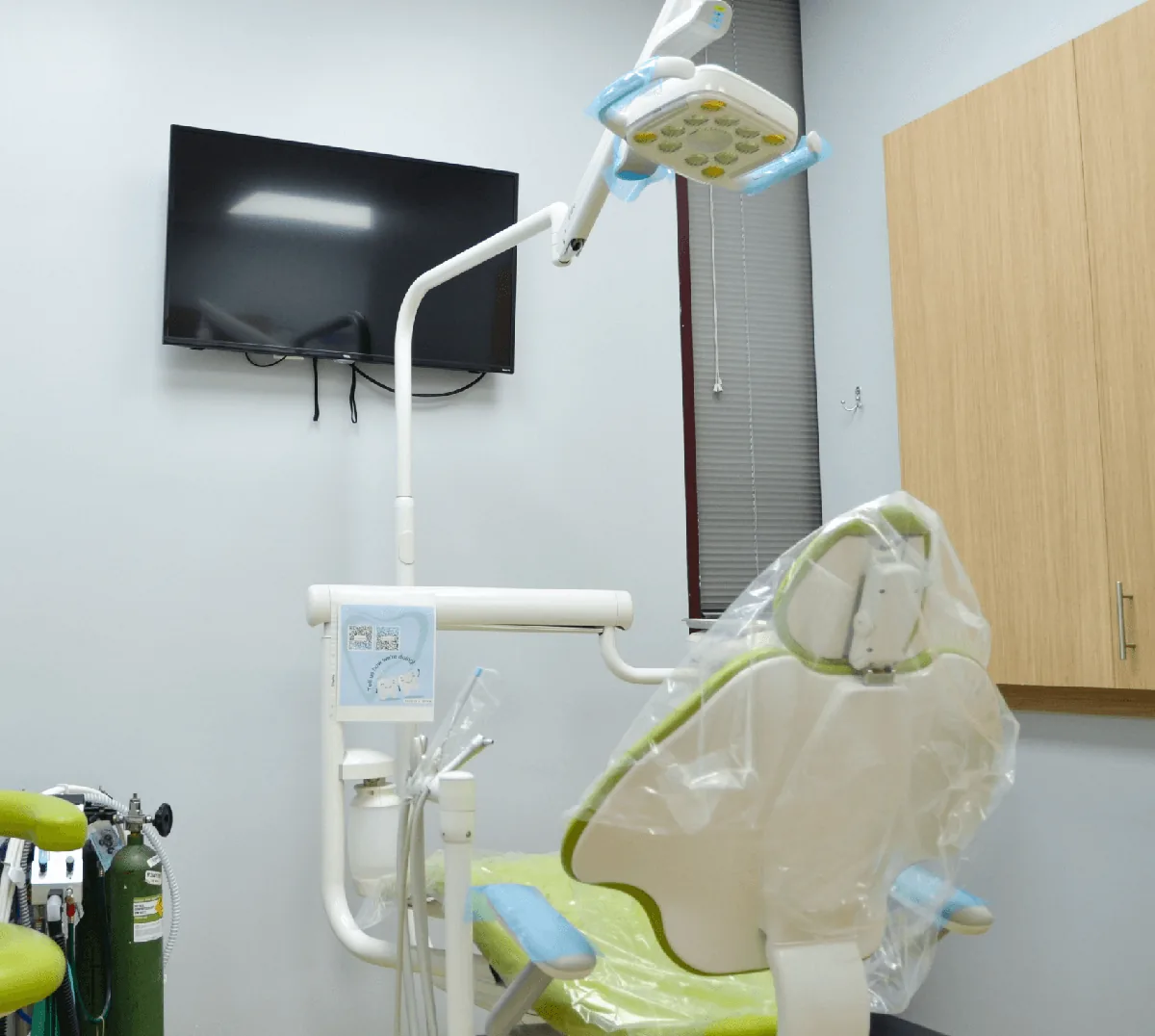
Look for a child-friendly office environment. The waiting room may have toys, books, or games that help kids feel comfortable.
Exam rooms with bright colors and fun decorations can make visits feel less scary for young patients. Behavior management skills matter tremendously.
Your dentist should know how to communicate with children at their developmental level. They need patience to work with anxious or fearful kids and techniques to build trust over time.
Check their emergency care availability. Dental emergencies happen, and you need to know if the practice handles urgent situations or provides after-hours contact options.
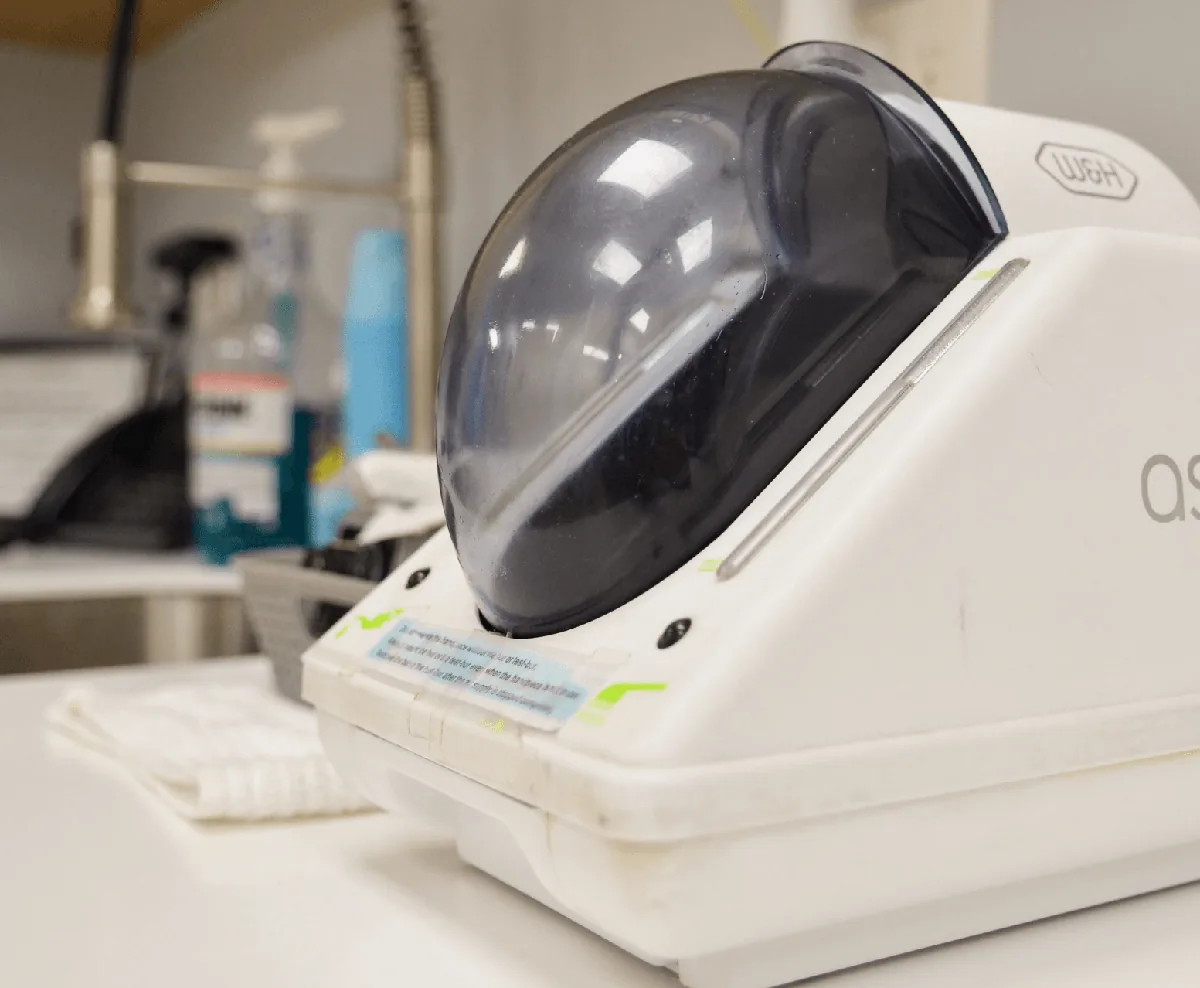
Modern equipment and techniques show the practice stays current. Digital X-rays reduce radiation exposure, and newer cavity detection tools can spot problems earlier.
Questions To Ask At The First Visit
Ask, “What is your approach to treating anxious children?” This reveals their methods for keeping kids calm during procedures.
Find out, “How do you handle dental emergencies?” You need clear answers about after-hours contact, weekend availability, and what they recommend for more serious cases.
Ask “What preventive services do you offer?” A strong pediatric dentistry plan includes fluoride treatments, sealants, and nutrition guidance tailored to kids.
Also ask, “How do you involve parents during appointments?” Some offices prefer parents in the room, while others don’t.
Understanding their policy helps you prepare your child and yourself. Inquire, “What age do you recommend for the first visit?” The answer should be around the first birthday or when the first tooth appears, according to current guidelines.
A Calmer Dental Experience For Your Child
Choosing a pediatric dentist helps reduce fear, discomfort, and stress during dental visits. Gentle techniques and kid-focused care can make a lasting difference in how your child feels about dentistry.
At Dentist of West Covina, care is designed around patient comfort, clear communication, and patient-centered care. Each visit is tailored to your child’s age, needs, and personality.
If your child feels nervous or it’s time for their first visit, you’re not alone. When you’re ready, request an appointment or call our West Covina Office to get started in a calm, supportive way.
Frequently Asked Questions
What Makes A Pediatric Dentist Different From A General Dentist?
A pediatric dentist has extra training focused on children’s dental growth, behavior, and comfort. This helps them care for kids in a way that feels calmer and more age-appropriate.
Is A Pediatric Dentist Better For Anxious Or Nervous Children?
Yes. Pediatric dentists are trained to work with children who feel nervous, scared, or overwhelmed. They use gentle language, patience, and techniques designed to reduce fear.
When Should My Child First See A Pediatric Dentist?
Most children should see a pediatric dentist by their first birthday or within six months of their first tooth appearing. Early visits help prevent problems and build comfort.
How Often Should Children Visit A Pediatric Dentist?
Children typically need dental checkups every six months. Some kids may need visits more often, depending on their oral health and risk for cavities.
Do Pediatric Dentists Treat Baby Teeth Even Though They Fall Out?
Yes. Baby teeth are important for eating, speaking, and holding space for adult teeth. Treating problems early helps prevent pain and future dental issues.
Can A Pediatric Dentist Help With Dental Emergencies?
Pediatric dentists treat common childhood dental emergencies like toothaches, broken teeth, and dental injuries. Quick care can reduce pain and protect your child’s smile.
What Can Parents Do To Prepare A Child For A Dental Visit?
Talk positively about the visit and avoid scary words. Reading books about the dentist and bringing a comfort item can help your child feel more relaxed.
Do Pediatric Dentists Treat Children With Special Healthcare Needs?
Yes. Pediatric dentists receive training to care for children with physical, developmental, or behavioral needs. They adapt treatment to support each child comfortably.