You grab a box of whitening strips at the drugstore, use them for two weeks, and barely notice a difference. Or maybe you see some change, but your teeth feel sore, and the results fade within a month.
This is a common frustration with over-the-counter whitening products. It is exactly what makes the debate around teeth whitening at the dentist vs store-bought kits so worth paying attention to.
This guide walks you through how each option works, who each one is right for, and what to watch out for along the way. The team at Dentist of West Covina helped shape the practical guidance here, so you can make a confident, informed choice for your smile.
How Professional Whitening Really Works
Professional whitening uses stronger bleaching agents than anything available over the counter. As one of the most popular cosmetic dental treatments, your dentist applies these agents after confirming your teeth and gums are healthy. This personalized preparation is what separates in-office results from what a drugstore kit can deliver.
What Happens During An In-Office Visit
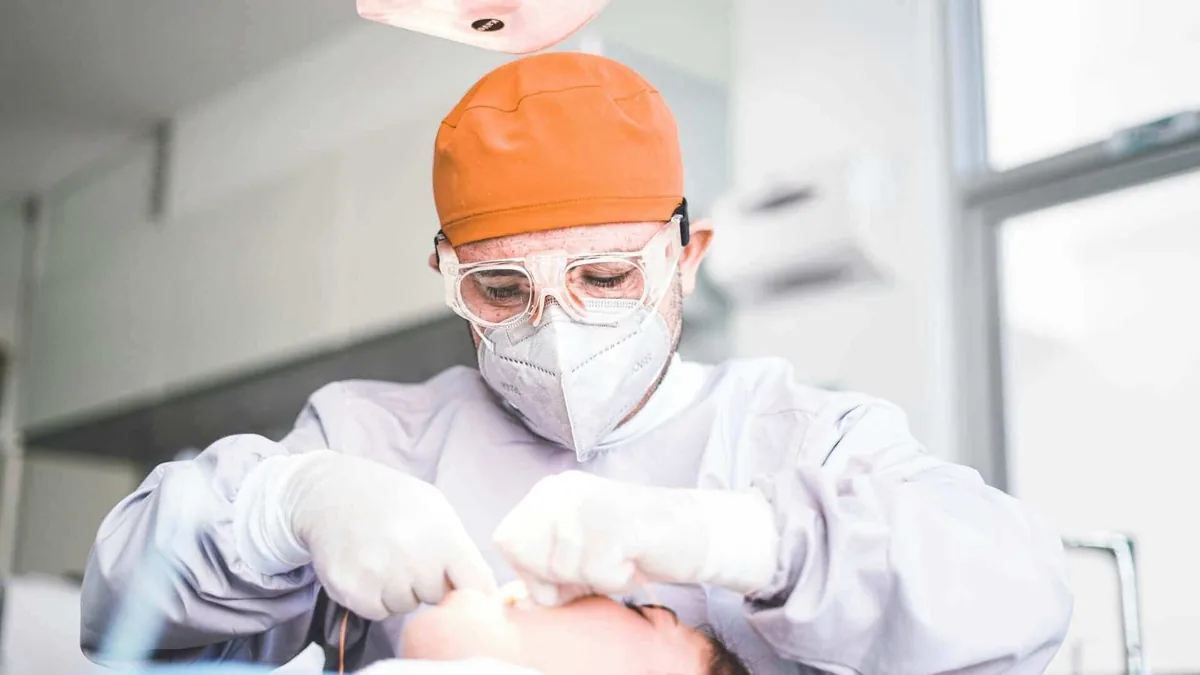
An in-office whitening appointment typically takes about an hour. Your dentist starts with a dental cleaning to remove surface buildup, since whitening gel works best on clean enamel. After cleaning, a protective barrier goes over your gums, and a high-concentration hydrogen peroxide gel is applied directly to your teeth.
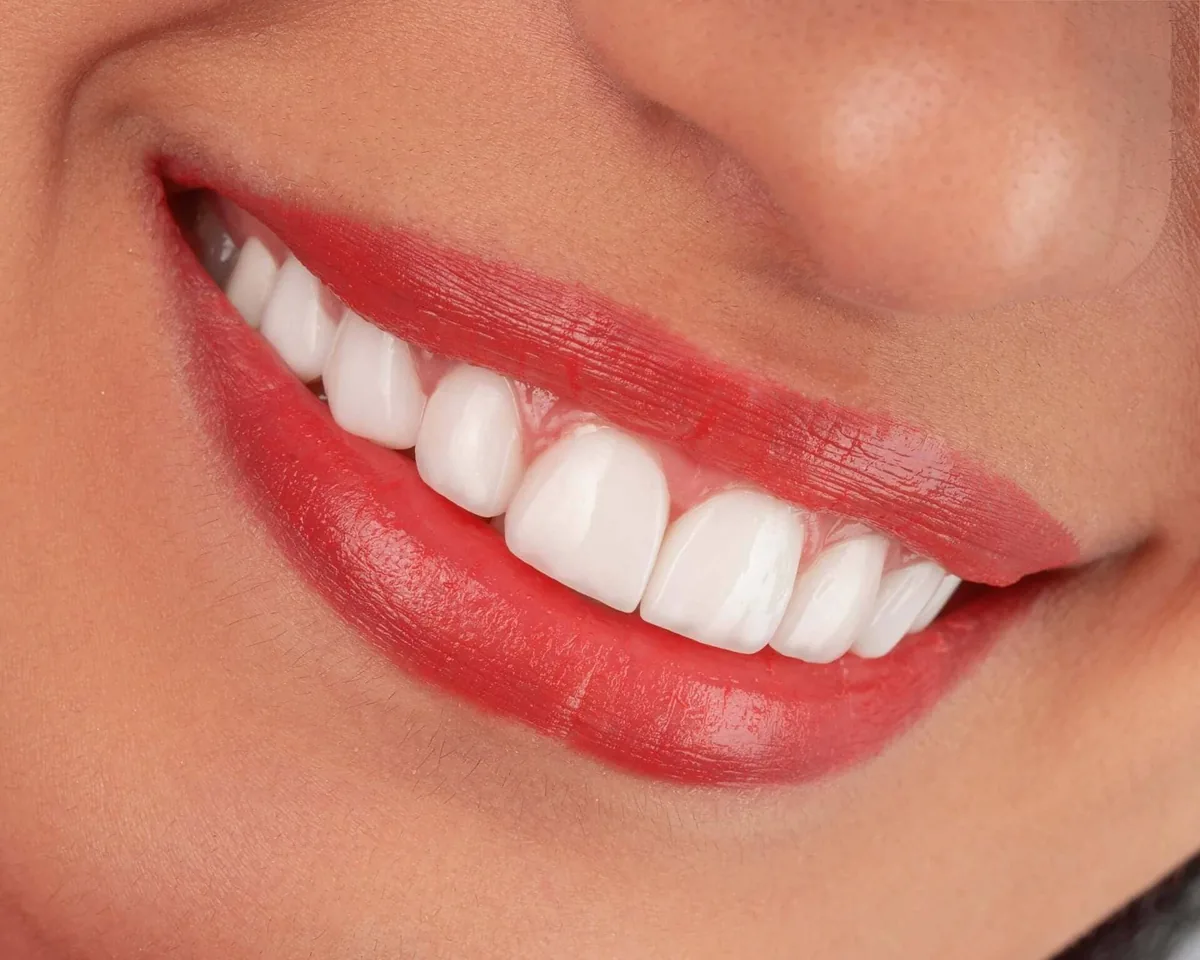
Some systems use a light or laser to activate the gel and speed up the process. By the end of one appointment, most patients see their teeth brighten by six to eight shades. That kind of result would take weeks of consistent at-home use to approach, if it is reachable at all with store-bought products.
Who Benefits Most From Supervised Treatment
Patients with sensitive teeth or thin enamel benefit the most from dentist-supervised whitening. This allows the provider to adjust the gel concentration and application time to reduce discomfort.
If you have crowns, veneers, or composite fillings on your front teeth, a family dentist can tell you upfront which teeth will respond to whitening and which will not, which prevents uneven results.
Sedation dentistry in West Covina is also available for patients who feel anxious about dental procedures, making the whitening appointment more comfortable from start to finish.
Why A Dental Exam Matters Before Whitening
A dental checkup before whitening is not just a formality. It is the best way to prevent severe tooth sensitivity by addressing underlying issues like microscopic cracks or thin enamel.
If you have untreated cavities, whitening gel can reach the inner layers of your tooth and cause sharp, lasting pain. A deep dental cleaning may also be recommended first if you have significant tartar buildup, since gel applied over calculus will not penetrate the enamel evenly.
Skipping the exam and whitening on your own means you are treating the surface without knowing what is underneath, which is where most whitening problems start.
What You Are Actually Getting With Store-Bought Kits
Store-bought whitening products use lower concentrations of hydrogen peroxide or carbamide peroxide than professional treatments, and they come in a one-size-fits-all format that limits both their effectiveness and their precision. The gap between what the packaging promises and what you actually experience is often significant.
Whitening Strips, Trays, And Pens Compared
Whitening strips are the most widely used option. They hold a thin layer of peroxide gel against your teeth for 20 to 30 minutes and work best on flat front surfaces. Curved teeth or teeth with crowding often show uneven results because the strip does not fully conform to the tooth's shape.
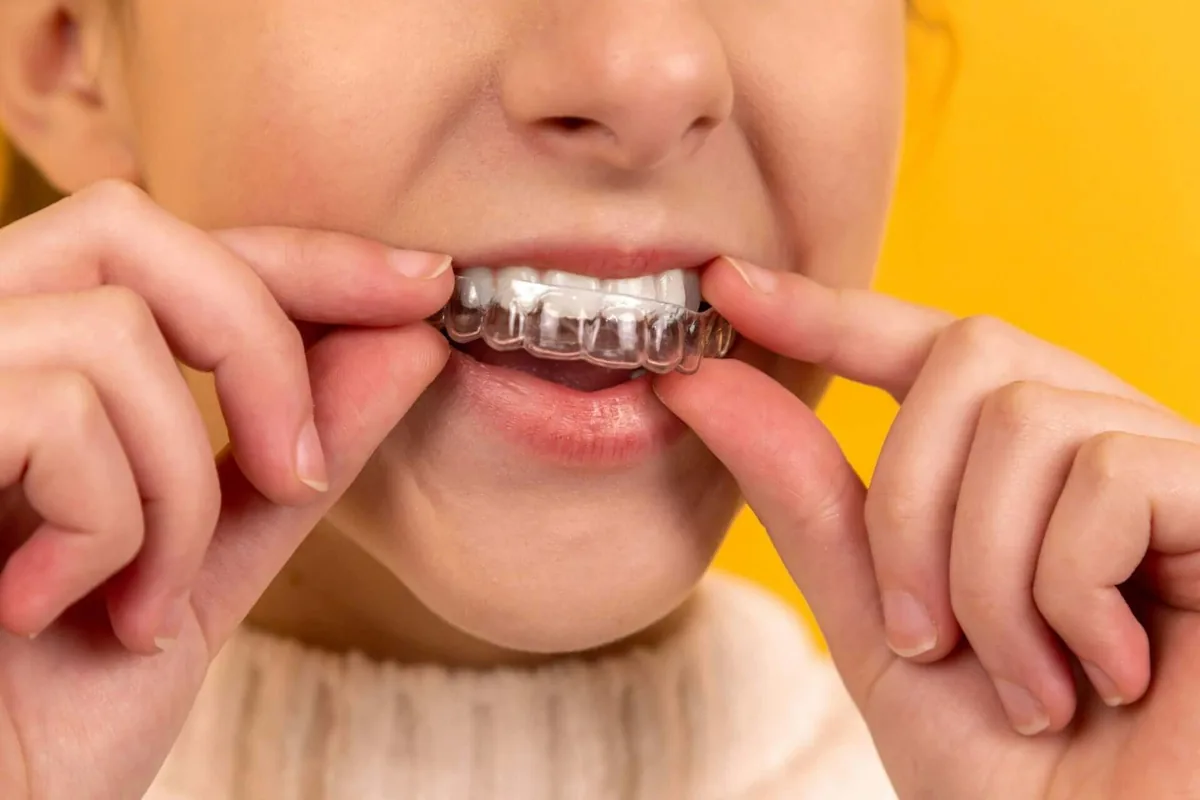
Whitening trays from drugstores use a boil-and-bite design that fits loosely. These one-size-fits-all trays often allow gel to seep under the edges and onto your gums. This causes irritation without improving your overall results. Whitening pens are the most portable option but deliver the smallest dose of whitening agent, making them better suited for touch-ups than primary treatment.
Why Results Can Look Uneven
Uneven whitening usually comes from poor contact between the gel and the tooth surface. Generic trays shift during wear, strips peel at the edges, and neither format accounts for the natural shape variations between your teeth. The result is often a patchy appearance where some teeth lighten more than others.
Teeth with existing bonding, crowns, or old fillings will not whiten at all, since bleaching agents only affect natural enamel. If you have any restorations on visible teeth and you whiten at home without knowing this, you will end up with a noticeable color mismatch.
The Tradeoff Between Cost, Convenience, And Control
Store-bought kits cost anywhere from $15 to $60, which makes them appealing if you are dealing with mild surface stains and want a low-commitment option. The convenience is real: you can use them on your own schedule without booking an appointment.
What you give up is control. You cannot adjust the concentration, the fit, or the timing based on how your teeth respond. If sensitivity develops or results are uneven, your only option is to stop using the product and start over.
Professional whitening gives your dentist the ability to course-correct in real time, which is a meaningful advantage when your comfort and your results are both on the line.
Safety, Sensitivity, And When Whitening Is Not The Right Fix
Whitening is safe for most healthy teeth, but it can be risky when used on teeth with untreated decay, gum disease, or structural damage. Some tooth discoloration is also not caused by surface stains at all, which means whitening will not fix it and could mask a condition that needs real dental care.
Common Causes Of Whitening-Related Sensitivity
Sensitivity during or after whitening happens when the peroxide gel penetrates through the enamel and reaches the dentin layer, which contains tiny fluid-filled channels that connect to the nerve.
Teeth with thin enamel, exposed roots, or existing sensitivity are especially vulnerable. Store-bought kits create more sensitivity risk than professional treatments because there is no clinical oversight adjusting the strength or duration.
Using a desensitizing toothpaste with potassium nitrate for two weeks before whitening can reduce sensitivity noticeably. Your dentist can also apply a fluoride treatment after an in-office session to calm the nerve response before you leave the chair.
Stains That May Point To Larger Dental Issues
Not all tooth discoloration responds to whitening. Brown or gray staining that appears inside the tooth rather than on the surface is called intrinsic discoloration, and it is often caused by trauma, certain antibiotics taken during childhood, or a tooth that has started to die internally. Whitening gel cannot reach intrinsic stains.
If a single tooth is noticeably darker than the others, it may be a sign of nerve damage or infection, which may require a root canal rather than cosmetic treatment. An emergency dentist can assess whether symptoms such as tooth pain, swelling, or discoloration indicate a need for urgent attention before you pursue any cosmetic work.
Situations That Need Treatment Before Cosmetic Care
Periodontics addresses gum disease, and active gum disease must be resolved before whitening. Inflamed or receding gums expose root surfaces that whiten differently from enamel, creating a two-tone effect. Dental crowns, composite fillings, or tooth extraction may also be necessary before whitening is appropriate.
Wisdom tooth removal can affect surrounding teeth and gum tissue, so any recent oral surgery should be fully healed before undergoing wisdom tooth removal. Your dentist can give you a clear timeline, so your whitening results are not compromised by an underlying issue.
How To Choose Based On Your Smile Goals
Your ideal whitening method depends on how much change you want, how quickly you need it, and whether discoloration is your only concern or part of a bigger cosmetic picture. Teeth whitening offers a range of options, from a single in-office session to a customized take-home plan.
Best Option For Fast, Event-Ready Results
If you have a wedding, reunion, or job interview coming up in the next two to three weeks, in-office whitening is the only method that reliably delivers visible results in one appointment.
You leave with teeth that are six to eight shades lighter, and there is no guessing involved. Store-bought kits require two to four weeks of consistent use for mild results, which is not a realistic timeline if you are working toward a specific date.
Booking a dental checkup in West Covina first also ensures that any last-minute prep, such as a cleaning or a sensitivity assessment, is completed before your whitening appointment.
What Makes Sense For Mild Surface Stains
If your teeth are only slightly discolored from coffee or tea and you are not working toward a deadline, a store-bought whitening strip used consistently over two to four weeks can produce a noticeable improvement. This works best when your teeth are already in good health, and you have no significant restorations on your front teeth.
Professional take-home whitening kits from your dentist are an excellent middle-ground option. They use stronger gel than drugstore products but still let you whiten on your own schedule. The custom-fitted trays also significantly reduce the risk of gum irritation.
When Whitening Should Be Paired With Other Cosmetic Options
Whitening only addresses color. If your teeth are also chipped, uneven, or misshapen, cosmetic dentistry for chipped or uneven teeth goes beyond what any bleaching agent can do:
Dental bonding can reshape a chipped tooth in a single visit and is color-matched to your newly whitened shade.
Porcelain veneers cover the entire front surface of a tooth, correcting both color and shape at the same time, and they do not stain the way natural enamel does.
These aesthetic improvements support confidence in ways that whitening alone cannot, especially if discoloration is part of a broader concern about your smile's appearance.
Keeping Your Results Looking Good Longer
The habits you build after whitening matter just as much as the treatment itself. Most whitening results fade faster than they need to, simply because of avoidable daily choices.
Foods, Drinks, And Habits That Re-Stain Teeth
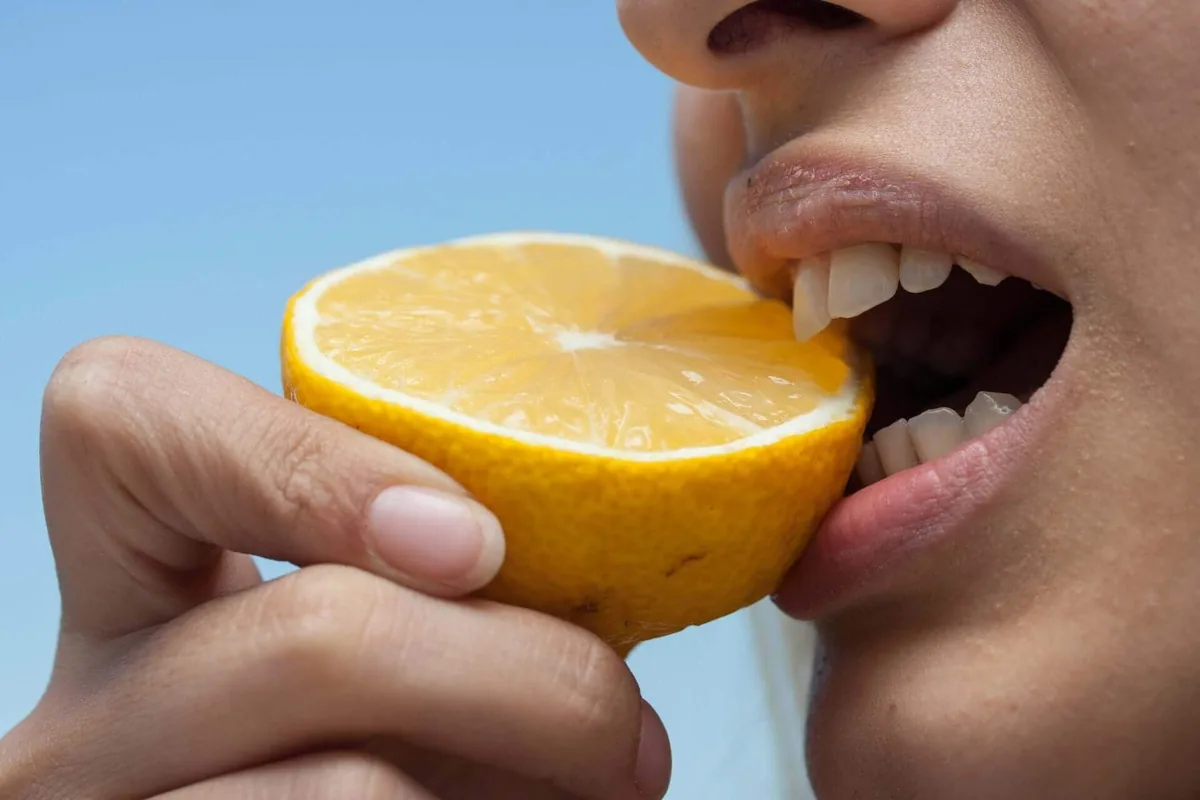
Coffee, tea, red wine, and dark berries are the most common culprits. Your enamel is slightly more porous in the 48 hours right after whitening, which is exactly when staining compounds absorb most easily. Drinking staining beverages through a straw reduces contact with your front teeth. Rinsing with water immediately after consuming them helps too.
Tobacco use, whether smoked or chewed, re-stains teeth faster than almost any food or drink and also increases your risk of gum disease. Stopping tobacco use after whitening protects both your results and your oral health.
A Simple At-Home Maintenance Routine
Brush with a whitening toothpaste twice daily and floss once a day. Whitening toothpastes use mild abrasives to reduce surface stain buildup, though they do not change the base color of your teeth the way a bleaching agent does.
If your dentist provided custom take-home trays, using the whitening gel for one session every few months keeps your shade consistent without overusing the product.
Avoid brushing immediately after consuming acidic foods or drinks. Acid softens enamel temporarily, and brushing during that window can accelerate enamel wear rather than protect it.
When To Book Touch-Ups And Cleanings
A dental cleaning every six months removes surface stains and tartar buildup that make teeth look dull even when the underlying whitening is still intact. A dental checkup at the same visit lets your dentist assess whether your shade is holding or whether a touch-up is worth scheduling.
Most patients who start with in-office whitening need a professional touch-up every 1 to 2 years, depending on their diet and home care habits. Comfort-first dental treatment means your provider tailors that schedule to your teeth, not a generic timetable.
Frequently Asked Questions
These questions cover the specific differences patients most often ask about when deciding between professional and store-bought whitening, including results, sensitivity, cost, and ingredient strength.
How Do In-Office Whitening Treatments Compare To At-Home Kits In Terms Of Results?
In-office whitening uses professional-grade hydrogen peroxide and can brighten your teeth by 6 to 8 shades in a single 1-hour appointment. Store-bought kits use much lower concentrations and typically produce mild results after two to four weeks of consistent use. The difference in outcomes is significant enough that patients with moderate to heavy staining rarely achieve satisfactory results with retail products alone.
Which Option Is Safer For Sensitive Teeth And Gums?
Professional whitening is safer for people with sensitive teeth because a dentist adjusts the gel strength and application time based on your specific enamel condition. Store-bought kits offer no such customization, and the generic tray fit often allows gel to contact the gums, causing irritation. A dental exam before treatment identifies sensitivity risks so your dentist can take steps to minimize discomfort from the start.
How Long Do Whitening Results Typically Last With Each Method?
Professional in-office whitening results typically last one to three years with good oral hygiene and dietary habits. Store-bought kit results tend to fade within a few months because the lower concentration produces a shallower whitening effect. Touch-ups every six to twelve months, combined with regular dental cleanings, help maintain professional results for longer.
What Are The Main Differences In Whitening Ingredients And Strength Between Professional And Retail Products?
Both professional and retail whitening products use hydrogen peroxide or carbamide peroxide as the active ingredient. The key difference is concentration. Retail products typically contain 3 to 10 percent hydrogen peroxide, while professional in-office treatments use concentrations of 25 to 40 percent. That higher concentration produces faster, more dramatic results under controlled conditions.
How Much Does Professional Whitening Usually Cost Compared To Store-Bought Options?
Store-bought whitening kits range from roughly $15 to $60 at most drugstores. Professional in-office whitening typically costs between $300 and $800, depending on the system used and your location. Dentist-dispensed take-home kits with custom trays usually fall between $100 and $400 and offer a middle ground between retail cost and professional-grade results.
Are Store-Bought Whitening Kits Effective For Deep Stains Like Coffee, Tea, Or Tobacco?
Store-bought kits can reduce mild to moderate surface staining from coffee and tea with consistent use over several weeks. Tobacco staining and deep discoloration from years of buildup typically require professional-grade concentrations to see meaningful improvement. If intrinsic staining is involved, no over-the-counter product will reach it, and your dentist may recommend veneers or bonding as a more appropriate solution.
Ready To See What Your Smile Can Actually Look Like?
Choosing between professional whitening and a store-bought kit comes down to how much change you want, how quickly you need it, and whether your teeth are ready for treatment in the first place.
The smartest first step is a simple dental exam, so you know exactly what your teeth need before you spend money on any whitening product. That one appointment can save you weeks of frustration and point you toward the option that actually matches your goals.
Dentist of West Covina makes it easy to get started with comfort-first dental treatment and a team that takes the time to understand your smile. Call us today at (626) 386-8380 or book your appointment online to schedule your whitening consultation.