Jaw pain that shows up every morning, clicks when you chew, or radiates into your temples is not something you should just push through. For many people, that discomfort is directly related to how their teeth fit together, and orthodontic treatment for jaw pain is one of the most effective ways to address the root cause rather than just mask symptoms.
When your bite is off, your jaw muscles and joints work overtime to compensate, and that extra strain adds up fast. Correcting bite alignment takes that pressure off the joint, which can reduce or eliminate the pain without medication or surgery.
This article walks you through why bite problems cause jaw pain, which treatment options actually help, and what to expect when you pursue care. The team at Dentist of West Covina brings this guidance together so you can make a clear, confident decision about your next step.
Why Bite Problems Can Trigger Jaw Pain
A misaligned bite, often referred to as malocclusion, does not just affect how your smile looks; it changes how your entire jaw system functions, and that difference shows up as pain over time.
How Uneven Pressure Affects The Jaw Joint
Your temporomandibular joint, the TMJ, acts like a hinge connecting your jaw to your skull. When your teeth meet unevenly, that hinge absorbs pressure it was never designed to handle. Think of it like a door slightly out of its frame: it still closes, but the hinges wear out faster. This mechanical stress is a primary cause of TMJ disorder.
An overbite, underbite, or crossbite forces your jaw into an unnatural resting position. Your muscles then work constantly to compensate, which leads to tension, soreness, and clicking sounds when you open or close your mouth. Over time, that strain can become chronic pain.
Alignment Concerns Braces Can Correct
Several specific bite problems respond well to orthodontic care. Knowing which one applies to your situation helps you understand exactly why you are in pain.
Overbite: Upper teeth overlap the lower teeth too far, pushing the jaw backward and straining the joint
Underbite: Lower teeth sit in front of the upper teeth, forcing the jaw forward into an unnatural position
Crossbite: Some upper teeth sit inside the lower teeth, causing the jaw to shift to one side with every bite
Open bite: Upper and lower teeth do not meet at all in certain areas, concentrating bite force on the teeth that do make contact
Crowding: Teeth pushed out of position by overcrowding can alter how the jaw closes and create uneven pressure points
How braces improve bite alignment comes down to gradually repositioning teeth so that the jaw can close in a balanced, natural position. By focusing on proper jaw alignment, orthodontic treatment removes the compensatory muscle strain that causes pain.
Orthodontic Care For Long-Term Function
Straightening teeth for cosmetic reasons is one thing, but orthodontic care for long-term function focuses on how your jaw moves and how bite forces are distributed across all your teeth. When bite forces spread evenly, no single joint or muscle group carries more than its share.
Properly aligned teeth also reduce teeth grinding, which is a major contributor to morning jaw soreness. By giving your teeth a stable, balanced position to rest in, orthodontic treatment removes the mechanical trigger for bruxism in many cases. That benefit extends well beyond your treatment period.
Signs It May Be Time For An Orthodontic Evaluation
Some symptoms of a bite problem are obvious, but others are easy to dismiss until the discomfort becomes hard to ignore. Recognizing these signs early, especially in children, can prevent years of unnecessary pain.
Everyday Symptoms That Point To A Bite Issue
Jaw pain rarely appears out of nowhere. It usually builds gradually, which is why people often attribute it to stress or sleeping position rather than their bite. A few specific patterns are worth paying attention to.
Jaw soreness or stiffness when you wake up in the morning
A clicking or popping sound when you open or close your mouth
Jaw tension that makes it difficult to fully relax your facial muscles
Headaches that cluster around your temples or behind your eyes
Other TMJ symptoms like earaches or neck and shoulder pain
Difficulty chewing hard foods or a tendency to chew on one side
Teeth that look worn down or chipped without an obvious cause
Noticing your jaw shifts to one side when you bite down
These symptoms do not all have to be present at once. Even two or three of them appearing regularly is a good reason to request a dental evaluation.
When A Pediatric Dentist Should Weigh In Early
Early orthodontic treatment for kids can prevent bite problems from causing jaw issues that carry into adulthood. A pediatric dentist evaluation around age seven gives a children's dentist in West Covina a clear picture of how the jaw is developing before all the permanent teeth have come in.
At that first dental clinic appointment for kids focused on bite alignment, the dentist looks at jaw width, tooth spacing, and whether the upper and lower arches are growing in proportion. Catching a narrow palate or a developing crossbite early means treatment is simpler and more effective. Waiting until all permanent teeth are in can lead to longer treatment times and more complex interventions.
Symptoms That Need Faster Attention
Some jaw symptoms suggest a more urgent situation. An emergency dentist in West Covina should be contacted if you experience sudden, severe jaw pain; significant swelling around the jaw or face; difficulty opening your mouth more than a small amount; or pain that extends into your ear or neck without an obvious cause.
These symptoms that suggest emergency dental care can sometimes point to a joint injury, infection, or dislocation that needs prompt assessment rather than a scheduled consultation.
Treatment Options That May Relieve Pressure
Not every case of jaw pain requires the same approach, and the right treatment depends on what is actually causing the problem. Orthodontic treatment tends to work best when paired with a clear diagnosis and, in some cases, additional restorative support.
Braces And Clear Aligners For Better Function
Traditional braces and clear aligners both work by repositioning teeth into a more balanced bite. The choice between them depends on the complexity of your case and your personal preferences.
Metal or ceramic braces apply continuous, precise pressure to move teeth into specific positions. They are often preferred for more complex bite corrections, including significant overbites or crossbites.
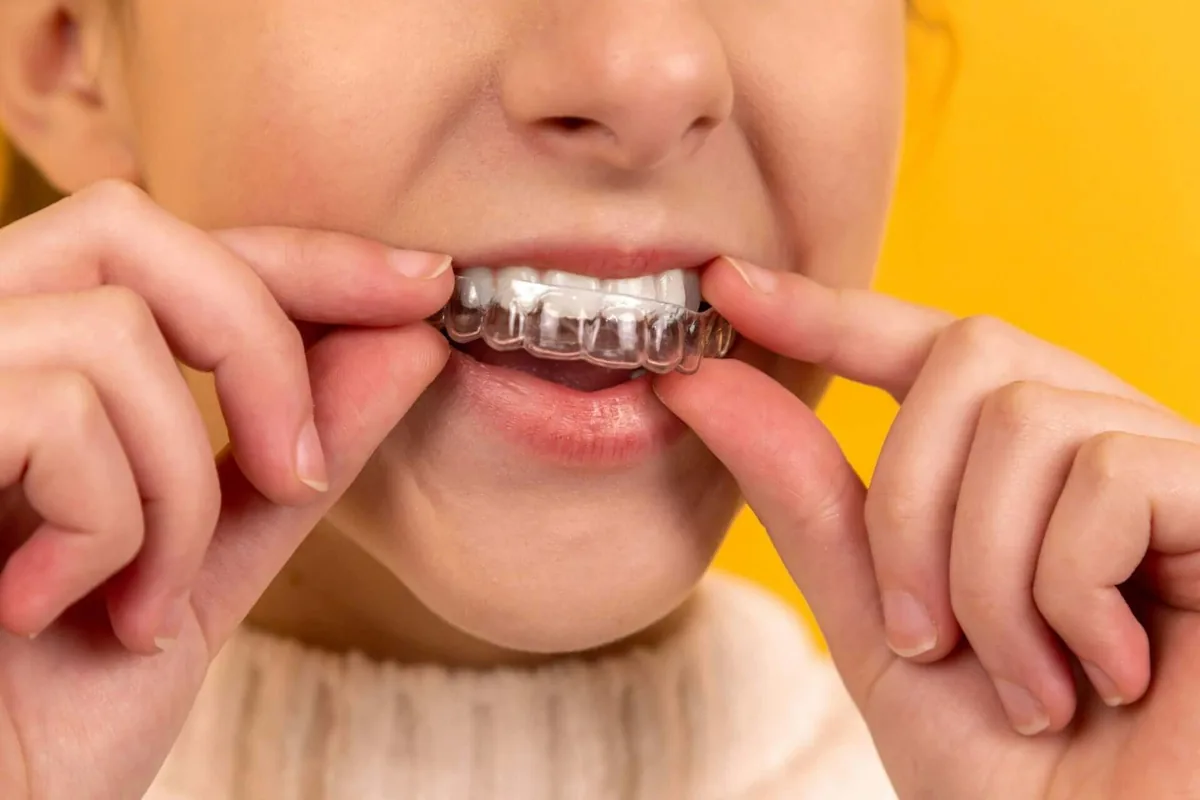
Clear aligners offer a more discreet option and work well for mild to moderate bite issues. Both approaches, when properly planned, can reduce the jaw strain that leads to pain. Maintaining brace-friendly habits during treatment, such as avoiding hard or chewy foods and wearing any prescribed appliances consistently, protects your progress.
When Restorative Dentistry Supports Bite Stability
Sometimes a misaligned bite is partly caused by damaged or missing tooth structure, not just tooth position. In those cases, restorative work is done alongside or after orthodontic treatment to create a stable, even bite surface.
Dental crowns can restore heavily worn or broken teeth to their proper height. Dental bridges replace missing teeth that have caused neighboring teeth to shift and the bite to collapse. Periodontics addresses gum disease that, if left untreated, can cause tooth movement and changes in bite.
Cases That Need More Than Tooth Movement
Some situations involve factors beyond bite alignment alone:
A root canal may be necessary if infection or decay has compromised a tooth that is affecting how you bite.
Wisdom tooth removal is sometimes part of the picture when third molars are crowding other teeth and shifting the bite.
Tooth extraction may be recommended to relieve crowding that is preventing proper alignment.
For patients who feel anxious about any of these procedures, sedation dentistry makes the process more comfortable and manageable.
What To Expect At Your Visit And During Care
Your first appointment sets the foundation for everything that follows, and knowing what happens helps you come in prepared rather than uncertain.
Dental Checkup And Imaging Basics
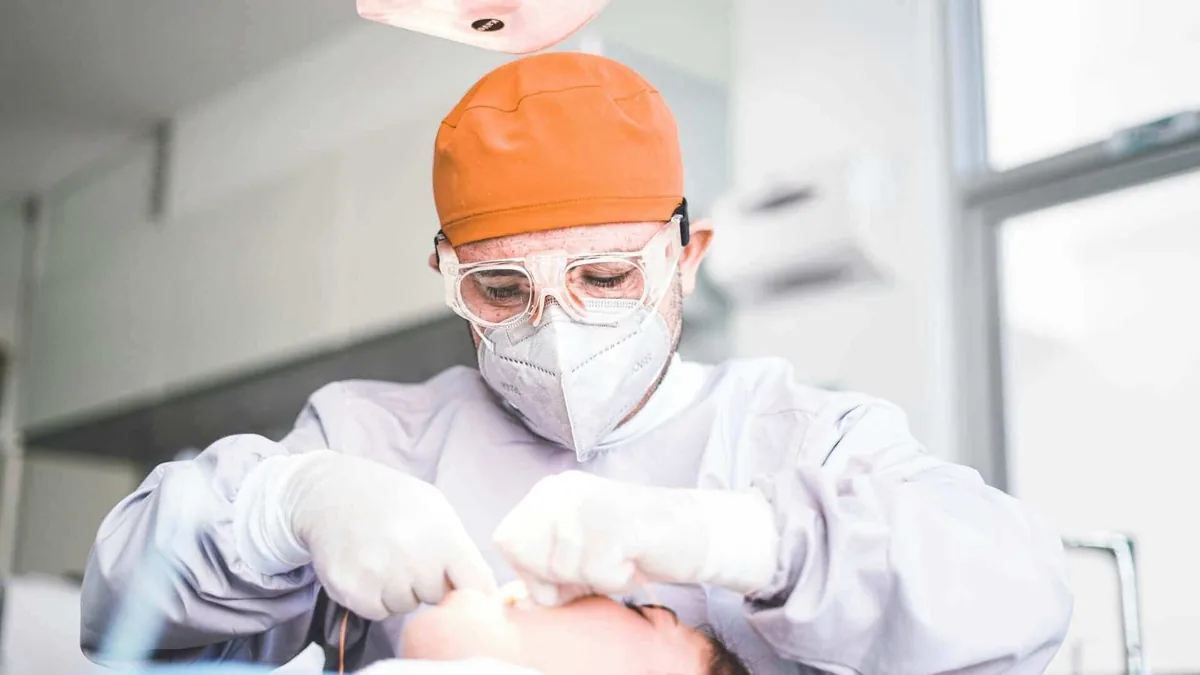
A dental checkup for jaw pain starts with a conversation about your symptoms, specifically when they occur, how long they have been present, and what makes them better or worse. From there, the dentist examines how your teeth fit together and how your jaw moves through its full range of motion.
Digital X-rays are standard, and in more complex cases, a cone-beam scan gives a three-dimensional view of the jaw joint itself. A dental cleaning often happens at this same visit so the team can assess gum health, since inflammation around the gums can contribute to bite changes.
If there are signs of deeper buildup, a deep dental cleaning may be recommended before orthodontic work begins.
Questions To Ask About Comfort And Timeline
Going into your consultation with clear questions helps you leave with a complete picture of what care will look like. A few worth asking:
How long will my treatment take, and what does a realistic timeline look like for my specific bite problem?
What can I do to manage soreness in the first few days after adjustments?
Is sedation dentistry in West Covina an option if I experience anxiety during procedures?
Will I need a retainer after treatment, and how does that protect my results?
A comfort-first dental treatment approach means your provider should answer these questions without making you feel rushed. If something is unclear, ask again.
Simple Habits That Protect Your Progress
What you do between appointments matters as much as the appointments themselves. Brace-friendly habits keep your treatment on track and reduce unnecessary soreness.
Eat soft foods for the first two to three days after each adjustment. Avoid chewing on ice, hard candy, or anything that requires significant jaw force.
Sleep on your back or side rather than your stomach, which can put lateral pressure on your jaw. If you grind at night, wear any prescribed night guard consistently because skipping it even a few nights can undo recent progress.
Frequently Asked Questions
Jaw pain and orthodontics raise a lot of specific questions, and the answers depend heavily on what is causing your symptoms in the first place.
Can braces or clear aligners help reduce jaw pain caused by bite issues?
Yes, both braces and clear aligners can reduce jaw pain when the pain is caused by bite misalignment. By repositioning teeth into a balanced bite, these treatments reduce the strain placed on the jaw joint and surrounding muscles. The degree of relief depends on how much the bite imbalance is contributing to your specific symptoms.
How do I know if my jaw pain is from my bite or from TMJ problems?
Bite issues and TMJ problems often overlap, which is why a professional evaluation is the most reliable way to tell them apart. A dentist or orthodontist will examine how your teeth meet, how your jaw moves, and whether there are signs of joint damage. Many patients have both a bite problem and TMJ involvement at the same time, and treatment addresses both.
What orthodontic options are available for jaw pain and clicking?
Braces, clear aligners, and functional appliances are all options depending on the severity and cause of your symptoms. Clicking often indicates that the jaw joint is moving out of its normal position during function, and correcting the bite can restore more natural movement. Your provider may also recommend a custom night guard to protect the joint while orthodontic treatment progresses.
Will orthodontic treatment make my jaw pain worse before it gets better?
Some patients experience increased soreness in the first few days after each adjustment as teeth and the jaw adapt to new positions. That soreness is temporary and different from the chronic pain caused by a misaligned bite. If jaw pain significantly worsens or new symptoms appear during treatment, contact your provider promptly rather than waiting for your next scheduled visit.
How long does it usually take to notice jaw pain relief during orthodontic treatment?
Some patients notice reduced tension and soreness within the first few months as the bite begins to shift into better balance. Full relief typically takes longer, often six months to over a year, depending on the complexity of the bite correction needed. Wearing prescribed appliances consistently and attending all adjustment appointments keeps the timeline as short as possible.
What should I do if I develop jaw pain after starting braces or aligners?
Contact your orthodontist or a family dentist in West Covina to describe exactly when the pain occurs and what it feels like. Some discomfort after adjustments is expected, but new or worsening jaw joint pain warrants a closer look at whether the treatment plan needs modification. Do not stop wearing aligners or attempt to adjust your own appliances without professional guidance.
Ready To Stop Living With Jaw Pain?
Jaw pain connected to a bite problem does not resolve on its own. The longer the joint and muscles compensate for misalignment, the more entrenched the chronic jaw pain becomes, and that makes getting an evaluation sooner rather than later the smarter choice.
A comfort-first dental treatment approach at Dentist of West Covina means you will be heard, examined thoroughly, and given a clear picture of what is causing your pain before any treatment begins. Whether your care involves braces, restorative work, or a combination of both, the goal is the same: a jaw that functions without strain and a smile that holds up over the long term.
Call us today at (626) 386-5455 or book your appointment online to take the first step toward real, lasting relief.