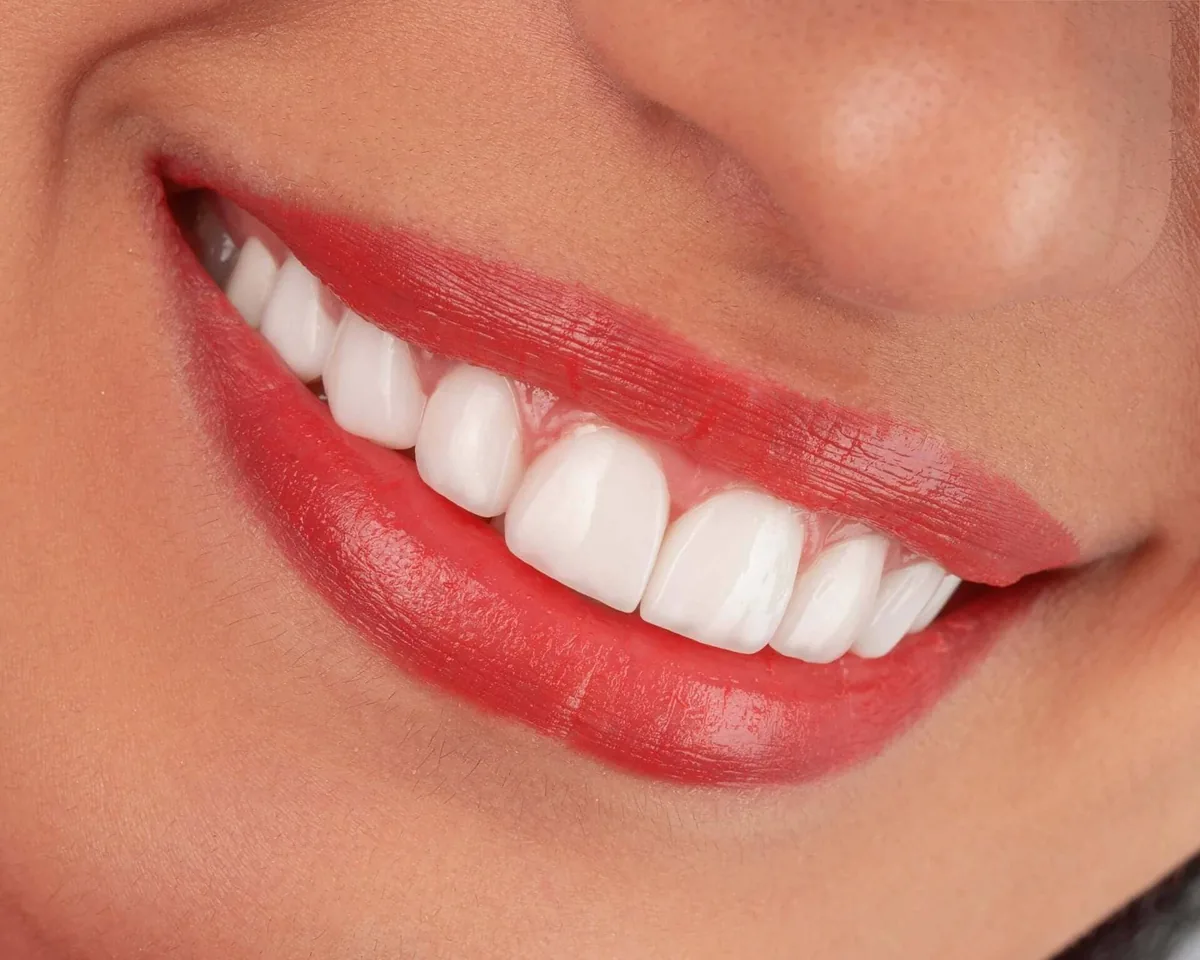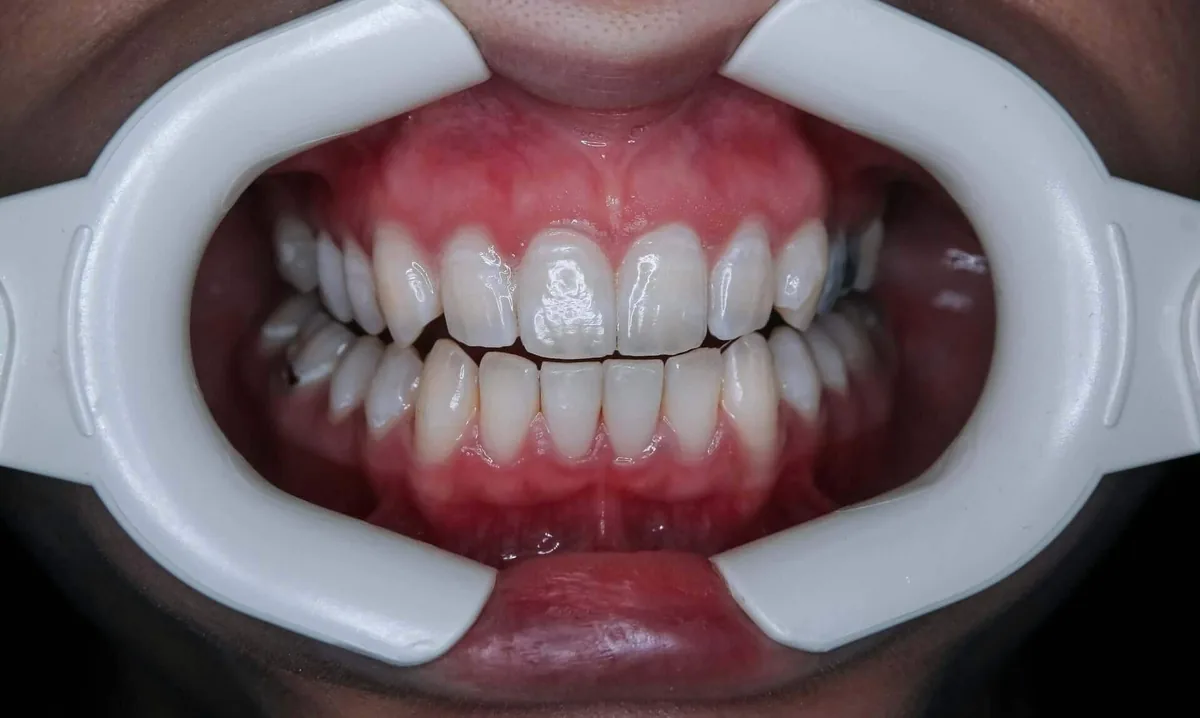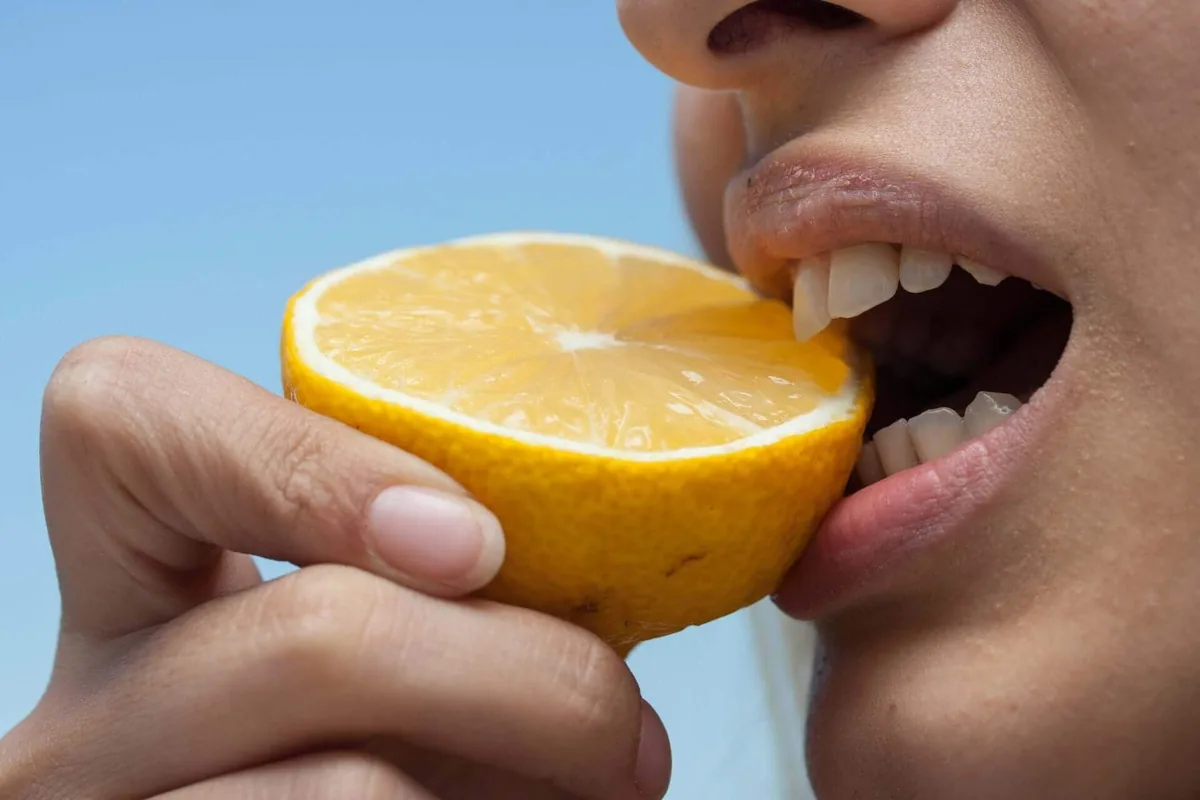
That sharp jolt when you sip a cold drink or bite into something sweet is hard to ignore. What causes sensitive teeth is often a sign that your enamel, gums, or tooth structure needs attention, not something you should push through or simply accept.
When you know what is driving the pain, you can actually do something about it. The right treatment can give you back the simple pleasure of eating and drinking without bracing yourself for discomfort. That shift from guessing to knowing makes all the difference.
This guide walks you through the most common causes of tooth sensitivity, how dentists find the real problem, and what your relief options look like. The team at Dentist of West Covina works with patients every day who thought sensitivity was just something to live with, and most of them found real answers quickly once they came in.
What Tooth Sensitivity Actually Feels Like
Tooth sensitivity is not always the same for everyone. Knowing your specific triggers and understanding why the pain happens so fast helps you describe it accurately to your dentist and get to a solution faster.
Common Triggers Like Cold, Heat, Sweets, And Brushing
The most recognizable trigger is cold, whether it is ice water, cold air, or a scoop of ice cream. That zing you feel is your tooth nerve reacting within seconds of exposure.
Heat is another common trigger, though it tends to show up more when sensitivity has progressed. Sweet and acidic foods trigger pain through a chemical reaction with the exposed dentin surface, which is different from the temperature-based response. Some people also notice sensitivity when brushing, especially along the gumline, where enamel thins.
Why Exposed Dentin Makes Nerves React So Quickly
Dentin is the layer just beneath your enamel and cementum. When this layer is exposed, it leads to dentin hypersensitivity. Dentin contains thousands of microscopic tubes, called dentinal tubules, that run directly toward the nerve at the center of the tooth.
When dentin is exposed, those tubes create an open channel. Fluid shifts inside the tubules when you eat, drink, or breathe cold air, and that movement stimulates the nerve almost instantly.
That is why the pain from sensitive teeth tends to hit fast and sharp rather than building slowly. The thinner your remaining enamel, the less protection stands between a stimulus and your nerve.
When Occasional Twinges Turn Into A Bigger Problem
A single twinge after an unusually cold drink is not automatically a reason to panic. Occasional mild sensitivity can be normal, especially after whitening or cleaning.
The pattern you want to watch is frequency and duration. If sensitivity happens multiple times a day, lasts more than a few seconds after the trigger is gone, or starts showing up in teeth that never bothered you before, your body is signaling something more than surface-level sensitivity.
Sensitivity that lingers or wakes you up at night points toward a nerve or structural issue that needs a professional evaluation, not just a change in toothpaste.
The Most Common Reasons Teeth Start Hurting
Sensitivity rarely comes from just one place, and the cause shapes the treatment. Enamel damage, gum changes, and structural problems each expose the nerve through a different path, which is why comfort-first dental treatment always starts with finding the specific source.
Enamel Wear From Grinding, Acid, And Aggressive Brushing
Enamel is the hardest tissue in the body, but it does not regrow once it is gone. Teeth grinding, a habit many people do not notice because it happens at night, creates constant mechanical pressure that flattens and wears down enamel over time.
Acidic foods and drinks, including citrus, soda, and vinegar-based dressings, temporarily soften enamel with each exposure.
Brushing right after eating acid accelerates that erosion. Brushing too hard with a firm-bristled toothbrush compounds the damage by physically scrubbing away softened enamel, especially near the gumline where the enamel layer is already thin.
Gum Recession And Periodontal Changes
Your gum tissue covers the lower portion of each tooth, including the root, which has no enamel protection at all. When gums pull back, that root surface becomes directly exposed to everything you eat and drink.
Periodontics addresses gum recession and periodontal disease, both of which are leading causes of root-level sensitivity. Gum disease causes bone and tissue loss beneath the surface, which means the recession you see visually may be less severe than what is happening below the gumline.
Treating periodontal changes early stops the recession and removes one of the most significant sources of lasting sensitivity.
Cavities, Cracks, Fillings, And Other Structural Damage
A cavity creates a direct pathway to dentin and, eventually, the nerve. The sensitivity often starts as mild and intermittent before becoming more consistent as the decay deepens.
Composite fillings quickly restore cavities and seal off exposed dentin. Cracks are trickier because they are not always visible on X-rays, but they cause localized sensitivity to one tooth and are often triggered by biting pressure.
Dental crowns are frequently used to protect cracked teeth before the damage reaches the pulp. When decay or a crack reaches the nerve, a root canal in West Covina removes the damaged tissue and eliminates the source of pain entirely.
Habits And Conditions That Can Make It Worse
Some sensitivity comes from what you do daily, not from a single dental problem. Whitening products, bite patterns, and even recent dental procedures can all increase sensitivity in ways that are easy to miss without the full picture.
Whitening Products, Acidic Foods, And Dry Mouth
Teeth whitening is a safe and effective option when it is done correctly and at the right time. Over-the-counter whitening strips and gels, used too frequently or on already compromised enamel, can increase sensitivity because the peroxide temporarily opens dentinal tubules.
Acidic foods like citrus fruit, tomatoes, sports drinks, and sparkling water lower the pH in your mouth, which softens enamel with each exposure. Dry mouth removes your natural defense against this because saliva neutralizes acids and remineralizes enamel throughout the day.
Mouth breathing, certain medications, and dehydration all reduce saliva flow, which means sensitivity-prone teeth have less protection between meals.
Clenching, Bite Problems, And Orthodontic Pressure
Clenching during stress is often unconscious, and many people only realize they do it when a dentist points out wear patterns on their teeth. The cumulative force from clenching can exceed what teeth experience during normal chewing, which wears enamel faster than expected.
Orthodontics addresses bite alignment issues that cause uneven pressure distribution across your teeth. When your bite forces land consistently on the same spots, those teeth wear faster and become sensitive earlier.
Early orthodontic treatment for kids can prevent these uneven patterns from developing in the first place, and because braces improve bite alignment, the load is shared more evenly.
Understanding how braces can correct alignment concerns helps parents and adults see orthodontic care as more than cosmetic dentistry for chipped or uneven teeth; it's about long-term function. Dental bonding and porcelain veneers in West Covina can also address surface damage once bite issues are resolved.
Recent Dental Work And Temporary Sensitivity
It is completely normal to feel increased sensitivity after a cleaning, filling, crown placement, or other procedure. The tooth has been worked on, and the surrounding tissue is mildly irritated.
This kind of sensitivity typically fades within a few days to two weeks. If it extends beyond two weeks, intensifies rather than fades, or includes throbbing pain, that signals something more than post-procedure irritation and warrants a follow-up visit.
Relief Options That Match The Cause
The most effective relief comes from treating the specific cause rather than masking the symptom. That said, there are steps you can take right away at home while you wait for your appointment, as well as in-office options that address damage, decay, and even tooth loss.
At-Home Steps That Calm Sensitive Teeth
Switch to a soft-bristled toothbrush and use a toothpaste formulated for sensitive teeth. Look for active ingredients like potassium nitrate or stannous fluoride. Potassium nitrate calms the nerve directly, while stannous fluoride blocks dentinal tubules over time with consistent use.
Here are practical daily habits that reduce sensitivity:
Brush gently in small circles, not back-and-forth scrubbing strokes
Wait 30 to 60 minutes after eating acidic foods before brushing
Rinse with a fluoride mouthwash to strengthen enamel daily
Drink acidic beverages through a straw to reduce contact with teeth
Stay hydrated to support healthy saliva flow
If you grind your teeth, ask your dentist about a custom night guard. A properly fitted guard reduces the nightly pressure that wears enamel and keeps sensitivity manageable.
In-Office Treatments For Damage, Decay, And Gum Issues
When the cause is structural, home care alone will not resolve the problem. A cavity needs a filling; a crack may need a crown; and gum recession from periodontal disease needs clinical treatment to stop it from progressing.
Your dentist may apply in-office fluoride varnish or a bonding agent directly to exposed root surfaces during your visit. These treatments create a physical barrier that blocks tubules more effectively than toothpaste can at home. For severe gum recession, a gum graft repositions tissue to permanently cover exposed roots.
Replacing Missing Teeth When Sensitivity Follows Tooth Loss
A missing tooth changes the bite dynamics for the teeth on either side of the gap. Those neighboring teeth take on more chewing force, which accelerates wear and increases sensitivity in teeth that were previously fine.
Dental implants in West Covina restore function at the root level, which protects surrounding teeth from added strain. When comparing dental implants vs dentures, implants preserve bone and keep bite forces distributed naturally.
Dental implant cost in West Covina varies based on the number of teeth being replaced, and all-on-4 dental implants offer a fixed full-arch solution for patients who have lost multiple teeth. Long-term maintenance for dental implants is straightforward and similar to caring for natural teeth.
Dental bridges and dentures are also viable options depending on your clinical situation and goals. Tooth extraction and wisdom tooth removal sometimes precede these restorations when damaged teeth cannot be saved.
When to See a Dentist: Stop Waiting and Book a Visit
Mild sensitivity that responds to desensitizing toothpaste within a few days is one thing. Pain that intensifies, spreads, or does not quit is something else, and it tends to tell you when home care has reached its limit.
Symptoms That Point To Urgent Dental Problems
Some symptoms suggest the need for emergency dental care rather than a scheduled appointment. These include:
Throbbing pain that does not stop between triggers
Swelling in the gum, jaw, or face
Sensitivity combined with a fever or swollen lymph nodes
A tooth that feels loose without recent trauma
Pain that wakes you up at night consistently
An emergency dentist in West Covina can quickly assess these symptoms and determine whether you are dealing with an abscess, a fractured root, or an acute infection that requires same-day treatment.
What To Do If Pain Is Sharp, Lingering, Or Sudden
Sharp pain that lasts more than a few seconds after the trigger is gone points toward nerve involvement rather than simple dentin exposure. That distinction matters because the treatment is different.
Lingering pain after hot foods or drinks, specifically, is a red flag for pulpitis, which is inflammation inside the tooth. Sudden sensitivity in a tooth that never bothered you before, with no obvious trigger like a new filling, warrants a prompt evaluation. Do not wait to see if it resolves on its own when the pain pattern fits these descriptions.
How Regular Care Helps Prevent Sensitivity From Coming Back
Consistent care is the best way to prevent tooth sensitivity and remove the conditions that allow it to progress. A dental cleaning every six months removes tartar before it triggers gum recession. A dental checkup catches early decay, cracking, and bite changes before they reach the nerve.
Prevention is genuinely easier than treatment. Catching a small cavity before it reaches the dentin means a simple filling rather than a crown or root canal. Identifying grinding early means a night guard instead of enamel reconstruction. Showing up regularly makes all of those early catches possible.
Frequently Asked Questions
Tooth sensitivity questions tend to cluster around two things: why it started and how to make it stop. These answers address the most common situations people face, with specific guidance rather than general reassurance.
Why did my teeth become sensitive all of a sudden?
Sudden sensitivity usually means something changed in your tooth's protective layer. The most common causes are a new crack, a cavity that has reached dentin, recent whitening, or gum recession that exposed a root surface. A dental exam can identify which of these is responsible so you can get the right treatment quickly.
What can I do to stop tooth sensitivity pain immediately?
Press a small amount of desensitizing toothpaste directly onto the sensitive tooth and leave it there for a few minutes rather than rinsing immediately. Avoid the specific trigger, whether cold, heat, or sweets, until the sensitivity calms down. If the pain is sharp and lingering rather than brief, that points toward a nerve issue that needs same-day professional attention.
Which desensitizing toothpaste works best for sensitive teeth?
Toothpastes with potassium nitrate calm the nerve directly and work well for mild to moderate sensitivity. Stannous fluoride-based formulas block dentinal tubules and also strengthen enamel, making them a strong long-term choice. Results build over two to four weeks of consistent use, so switching brands too quickly prevents you from seeing whether a formula is actually working.
How can I safely treat sensitive teeth at home?
Use a soft-bristled toothbrush, switch to a desensitizing toothpaste, and avoid brushing immediately after eating acidic foods. Rinse with a fluoride mouthwash daily to support enamel remineralization. These steps are safe and effective for mild sensitivity, but they do not replace professional treatment when the cause is a cavity, crack, or gum disease.
Why are my two front teeth suddenly sensitive?
Front tooth sensitivity often comes from enamel erosion caused by acidic drinks, aggressive brushing, or grinding. It can also follow whitening treatments that were applied too frequently. If both front teeth became sensitive at the same time without a clear trigger, a dentist should check for bite pressure issues or early signs of grinding that you may not notice during sleep.
How can I reduce tooth sensitivity long-term and keep it from coming back?
The key is to address the root cause rather than manage symptoms indefinitely. That means treating any existing cavities, gum disease, or bite imbalances, then maintaining those results with regular checkups and cleanings. Using a night guard if you grind, limiting acidic foods, and brushing gently all reduce the ongoing wear that leads to recurring sensitivity.
Take the Next Step Toward Pain-Free Eating
Tooth sensitivity is one of the most treatable dental problems, and most people find significant relief once the real cause is identified. Whether the issue is enamel wear, gum recession, a cavity, or something structural, there is a specific treatment that targets it directly rather than just managing the pain.
The longer sensitivity goes unaddressed, the more the underlying problem tends to progress. A small cavity becomes a larger one. Gum recession continues. A crack that could have been crowned becomes a tooth that needs extraction. Early action protects both your comfort and the long-term health of your teeth.
Dentist of West Covina is ready to help you find out exactly what is going on and what your best options are. Call us today at (626) 506-2331 or book your appointment online and take the first step toward teeth that do not hurt.