Losing teeth can feel overwhelming, and it's completely natural to have questions about what happens next. The reassuring news is that modern dentistry gives you two strong, well-proven paths forward: dental implants and dentures. Both can restore your ability to chew, speak, and smile with genuine confidence; they just work in very different ways.
At Dentist of West Covina, we believe every patient deserves clear, honest information before making such an important decision. That's why we've put together this friendly, straightforward guide to walk you through the pros and cons of dental implants vs. dentures.
The right choice depends on factors that are unique to you, and understanding those differences is the first step toward feeling informed, comfortable, and confident about the path ahead.
What Are Dental Implants And Dentures, And How Are They Different?
Both dental implants and dentures replace missing teeth, but they work in entirely different ways. Implants anchor into your jawbone, while dentures rest on your gums, and that distinction shapes everything from how they feel to how you care for them.
How Do Dental Implants Work?
Dental implants are artificial tooth roots made of titanium that a dentist surgically places into your jawbone. Over the following months, your bone fuses with the implant in a process called osseointegration, in which the bone and metal bond to create a stable foundation.
Once that bond forms, your dentist adds a small connector called an abutment, and a custom-made crown goes on top. The result looks and functions much like a natural tooth. You can get a single implant for one missing tooth, or multiple implants to support a larger restoration.
How Do Dentures Work?
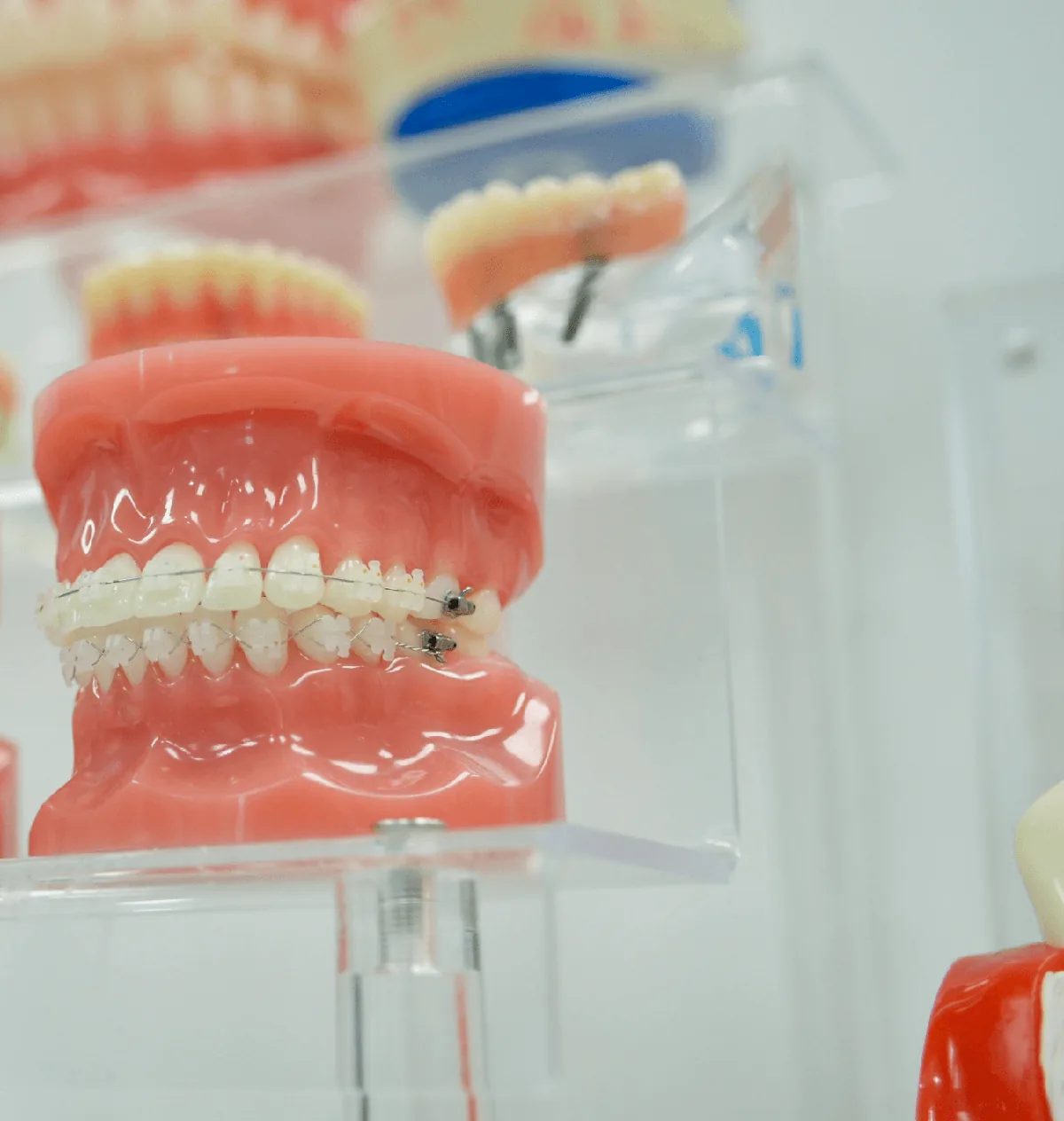
Dentures are removable appliances designed to replace missing teeth and the surrounding gum tissue. They're typically made from acrylic, metal, or a combination of both. Complete dentures replace all the teeth in your upper or lower jaw, while partial dentures fill gaps when you still have some natural teeth remaining.
Partials use small clasps or connectors to attach to your existing teeth for added stability. You'll remove dentures daily for cleaning, and most people take them out overnight to let their gum tissue rest. Modern dentures have improved significantly and can look natural while helping you eat and speak better than you might expect.
How Do Implants and Dentures Differ in Daily Function?
Dental implants become part of your jaw's actual structure. The titanium post acts like a tooth root, stimulating your jawbone and preventing the bone loss that naturally occurs after losing a tooth. You care for them with regular brushing and flossing, just as you would your natural teeth.
Dentures rely on suction, adhesive, or attachment to remaining teeth to stay in place. Your gums and jawbone provide the support, but because there's no root stimulating the bone, the shape of your jaw can gradually change over time. As that happens, your dentures will need adjustments or replacement — typically every five to seven years — to keep them fitting comfortably.
Dental Implants vs. Dentures: How Do They Actually Compare?
Dental implants and dentures don't just look different; they work differently and require entirely different routines. Understanding these basics will help you see which option is the better fit for your life.
How Do Implants and Dentures Compare in Appearance?
Dental implants most closely resemble natural teeth. Because they're anchored in your jawbone, each crown emerges from your gum the same way a real tooth does, and every crown is custom-made to match your other teeth in color and shape. It's difficult for anyone to tell them apart from your natural smile.
Dentures have come a long way aesthetically, but they sit on top of your gums rather than emerging from them. The teeth look realistic, and the base is gum-colored, though there can be a slight bulkiness at the gum line. With a wide smile or a big laugh, the pink base may occasionally be visible in a way that implants wouldn't be.
Which Option Gives You Better Chewing Stability?
Implants are anchored directly in your jawbone, so they stay firmly in place while you eat. You can bite into an apple or enjoy corn on the cob without any concern about shifting, and your biting force can recover to roughly 70% of what you had with your natural teeth. Hard, crunchy, and chewy foods generally aren't a problem.
Traditional dentures stay in place through suction or adhesive, which means they can slip — especially with sticky or chewy foods. Chewing force with dentures drops to about 25% of your natural bite, so you'll likely need to be selective about what you eat and cut many foods into smaller pieces.
What Does Daily Maintenance Look Like?
Caring for dental implants is essentially the same as caring for natural teeth: brush twice a day, floss daily, and keep up with your regular dental cleanings. There's no special removal routine and no soaking overnight.
Dentures require a different daily commitment. You'll need to take them out each night, brush them with a denture-specific cleaner, and soak them in water or a cleaning solution.
Before putting them back in, you'll also want to clean your gums and any remaining natural teeth. Denture adhesive adds another step to the routine, since it needs to be reapplied during the day and cleaned off each night.
Dental Implant Pros and Cons: What You Should Know
Dental implants offer a long-term solution for missing teeth, but they're not the right fit for everyone. Understanding both the advantages and the limitations will help you decide whether they're worth considering.
Why Patients Choose Dental Implants
Implants look and feel like real teeth, and because the titanium posts anchor directly into your jawbone, they don't shift when you eat or speak. The benefits extend well beyond aesthetics, though.
With proper care, implants can last 25 years or more, and they actively protect your jawbone from the shrinkage that follows tooth loss — helping maintain the structure of your face over time.
Unlike dental bridges, implants don't require grinding down healthy neighboring teeth to stay in place. Caring for them is also straightforward: no special products, no soaking routines, just your standard oral hygiene habits.
What Are the Downsides of Dental Implants?
The biggest hurdle for most people is cost. A single implant typically runs between $3,000 and $6,000, and dental insurance rarely covers a significant portion of that. Beyond the financial investment, the process requires minor surgery followed by a healing period of three to six months while the bone fuses to the implant. During that time, your bone needs to bond fully before the final crown is placed.
As with any surgical procedure, there's also a small risk of infection, nerve involvement, or the rare case where an implant doesn't integrate properly. Patients who smoke or have certain health conditions — like uncontrolled diabetes — face slightly higher risks and lower success rates.
Who Is a Good Candidate for Dental Implants?
Implants work best for adults who are in good overall health with healthy gums and sufficient jawbone density to support the posts. Non-smokers, or those willing to quit, tend to have better outcomes.
Anyone whose jaw is still growing — teens and younger adults — should wait until bone development is complete. Patients with health conditions that affect healing should discuss those concerns with their dentist before deciding.
The process also involves several dental visits over the course of months, so it requires a real-time commitment. If a tight timeline or budget is a limiting factor, that's worth weighing honestly against the long-term benefits.
Denture Pros and Cons: What You Should Know
Dentures offer a non-surgical way to replace missing teeth at a much lower upfront cost. They come with their own quirks, though, and it's worth understanding those before committing.
Why Patients Choose Dentures
The most significant advantage of dentures is accessibility. A full set typically costs between $1,000 and $3,000 per arch — far less than the cost of implants — making them a practical option when budget is a primary concern.
The timeline is also much faster: you could have dentures within a few weeks to a couple of months, without any surgery or extended healing period. Dentures are also reversible; if your circumstances change and you want to explore implants later, that path remains open to you. For patients who have experienced significant bone loss and wouldn't qualify for implants without additional procedures, dentures remain a workable solution.
What Are the Downsides of Dentures?
Dentures can shift or slip, particularly in the early adjustment period, and adhesive doesn't always prevent movement completely. Certain foods — anything very hard, sticky, or chewy — tend to be problematic, and you may need to cut food into smaller pieces or avoid some favorites altogether.
The daily maintenance routine is more involved than with implants, and every five to eight years, as your mouth changes shape, you'll need adjustments or a new set to maintain a comfortable fit.
One of the more significant long-term concerns is bone loss: without tooth roots stimulating the jawbone, bone gradually shrinks, which can alter your facial appearance and make dentures fit poorly over time. That progression may eventually lead to additional dental work or a completely new fitting.
Who Is a Good Candidate for Dentures?
Dentures are a practical choice for anyone missing most or all of their teeth who wants an affordable, surgery-free solution. If you have health conditions that make surgery risky, or you've experienced enough bone loss that implants would require a bone graft, dentures may be the most straightforward path.
Older adults who want a simpler treatment with less long-term commitment often find dentures to be a good fit, as long as they're prepared for the ongoing maintenance and periodic replacements that come with the territory.
Dental Implants vs. Dentures: Cost, Lifespan, and Care
Dental implants carry a higher upfront investment but can last decades with proper care. Dentures are more affordable to start, but typically need replacement every five to ten years. To understand the true cost of either option, you need to factor in maintenance, adjustments, and how long each solution realistically lasts.
How Do Costs and Insurance Coverage Compare?
A single dental implant typically costs between $1,500 and $6,000. A full mouth of implants can range from $24,000 to $100,000, depending on your specific needs and location. Dentures cost considerably less upfront: full dentures usually run $1,000 to $3,000 per arch, while partials range from $500 to $2,500.
Insurance plans tend to treat both options as cosmetic, so coverage is limited. Some plans cover up to half the cost of dentures, while implant coverage is rarely available. It's worth reviewing your policy carefully before moving forward. Both options are generally available with payment plans or financing through dental offices, which can help spread out the cost over time.
What Is the Expected Lifespan of Each Option?
Dental implants, when well cared for, can last 25 years or more. Studies show a success rate of about 95% over 10 years. The titanium post itself rarely fails once it has fully healed; the crown on top may need replacing every 10 to 15 years due to normal wear.
Dentures require replacement every 5 to 10 years as your gums and jawbone gradually change shape. Even with regular adjustments and relines to improve fit, you can expect to invest in a new set at least once or twice over a decade.
What Does Long-Term Care Require?
Implants demand the same routine you'd follow for natural teeth: twice-daily brushing, regular flossing, and twice-yearly dental visits. No specialty products or complicated steps are needed, and the implants themselves actively help preserve your jawbone by mimicking the stimulating function of natural tooth roots.
Dentures require nightly removal, soaking in a cleaning solution, and daily cleaning of both the appliance and your gum tissue. Without the root stimulation that implants provide, bone loss is a real long-term consideration, and if it progresses significantly, you may find yourself needing more dental work down the road or a completely different denture fit. It's not a reason to rule out dentures, but it's an honest part of the picture worth knowing before you decide.
Ready to Find the Right Tooth Replacement Option in West Covina?
Choosing between dental implants and dentures is a personal decision, and there's no single right answer that works for everyone. The best choice depends on your health, your budget, and what you want from your new smile, and a conversation with your dentist is the clearest way to find it.
You don't have to figure this out alone. A personalized consultation gives you the chance to ask questions, understand your specific options, and move forward with a plan built around you.
Our team at Dentist of West Covina is here to help. We offer comfort-first dentistry with clear explanations, gentle techniques, and flexible appointment times to fit your life. Get in touch to schedule your consultation, because a healthier, more confident smile is closer than you think.
Frequently Asked Questions
Are dental implants better than dentures?
Neither option is universally better; it depends on your individual situation. Implants offer greater stability, a more natural feel, and long-term bone preservation, but they require surgery and a larger upfront investment.
Dentures are more affordable and faster to get, making them the right choice for many patients. Your dentist can help you weigh both options against your health, budget, and goals.
How long do dental implants last compared to dentures?
With proper care, dental implants can last 25 years or more, while the crown on top may need replacing every 10 to 15 years. Dentures typically need to be replaced every 5 to 10 years as your mouth gradually changes shape. Over a lifetime, implants often prove to be the more durable long-term investment.
Can you get dental implants if you've worn dentures for years?
In many cases, yes, but it depends on how much jawbone you have remaining. Wearing dentures for an extended period can lead to bone loss, which may mean you'd need a bone graft before implants are possible. A consultation and imaging will give your dentist a clear picture of what's feasible for you.
Do dental implants hurt?
Most patients are surprised by how manageable the process feels. The procedure is performed under local anesthesia, so you won't feel pain during placement. Some soreness and mild swelling in the days following surgery are normal, but these are typically well-managed with over-the-counter pain relief.
Are dentures covered by dental insurance?
Some dental insurance plans cover a portion of denture costs — often up to 50% — though coverage varies widely by plan. Implants are less commonly covered, as many insurers classify them as cosmetic. It's worth reviewing your policy carefully and asking your dental office about financing options if cost is a concern.
How do I know which option is right for me?
The best way to find out is to schedule a consultation with your dentist. Factors like your overall health, the condition of your gums, your jawbone density, and your budget all play a role. A personalized evaluation gives you a clear, honest picture of which path makes the most sense for your smile and your life.