Missing teeth can affect far more than your appearance; they change how you eat, how you speak, and how confidently you move through the day. Implants offer a permanent, natural-looking solution that restores both function and confidence, and finding the right dental implant specialist in West Covina, CA, is the first step toward getting your smile back.
At Dentist of West Covina, we believe every patient deserves clear, honest guidance before making any treatment decision. This guide walks you through what implant specialists do, the services available, and how the process works from your first consultation to your final crown.
What Does a Dental Implant Specialist Do?
A dental implant specialist handles complex procedures that go beyond routine dentistry. These professionals carry extra training in surgical techniques, bone structure, and long-term tooth replacement solutions, setting them apart from general dentists in meaningful ways.
How Specialists Are Trained in Implant Placement
Dental implant specialists receive advanced training to surgically place titanium posts into your jawbone. This process requires detailed knowledge of jaw anatomy, nerve locations, and bone density, each of which directly affects how well the implant integrates and how comfortable your recovery will be.
Your specialist must position each implant at the correct angle and depth to ensure it fuses properly with your bone. Many specialists in West Covina use guided 3D technology to plan exact placement before surgery, which helps avoid complications and improves success rates. Before moving forward, your specialist evaluates bone quality, gum health, and the position of your neighboring teeth.
The surgical process happens in stages. First, the specialist places the titanium post into your jawbone. You'll then wait several months while the bone fuses with the implant — a process called osseointegration — before your specialist or general dentist attaches the final replacement tooth.
Advanced Diagnostics and Technology
Your implant specialist uses specialized equipment to assess whether you're a good candidate for implants. 3D imaging and CT scans create detailed maps of your jaw structure, showing bone volume, sinus locations, and nerve pathways that affect where and how implants can be safely placed.
Digital planning software lets your specialist simulate the entire procedure before a single incision is made. They can identify potential problems and adjust their approach in advance, and surgical guides created from this planning improve precision during the actual procedure.
Some specialists offer same-day implants using advanced techniques, while others provide options such as All-on-4, which replaces full arches of teeth with fewer posts. Your specialist will recommend the approach that best fits your bone structure, timeline, and goals.
How Your Implant Team Works Together
Implant specialists often work closely with your general dentist and other professionals to make sure every stage of your treatment goes smoothly. Your regular dentist may refer you to a specialist for the surgical portion while handling the crown placement themselves, a team approach that brings the right expertise to each phase.
Specialists coordinate with oral surgeons when you need bone grafts or sinus lifts, and they communicate with prosthodontists who design and fit your final restorations. Your specialist also works with dental labs that create your custom crowns, bridges, or dentures. This collaborative model keeps your entire dental team informed about your treatment plan from start to finish.
Dental Implant Services Available in West Covina, CA
West Covina offers a range of dental implant solutions to fit different needs, from replacing a single tooth to restoring your entire smile. Local dental practices provide options like traditional implants, advanced full-arch systems, and minimally invasive techniques.
Single and Multiple Tooth Replacement
Single-tooth implants replace one missing tooth without affecting your neighboring teeth. Your dentist places a titanium post into your jawbone to act as an artificial root, then attaches a custom crown that matches your natural teeth once the post has integrated with your bone.
Multiple tooth replacement works similarly but uses several implants to support bridges or individual crowns. This approach is more stable than traditional bridges because it doesn't require grinding down healthy teeth for support. West Covina dentists use digital imaging and 3D planning to place each implant precisely where your bone is strongest.
The full process typically takes three to six months from start to finish, since your jawbone needs time to heal and fuse with the implant posts. Your dentist will walk you through a realistic timeline at your initial consultation so you know exactly what to expect.
Full-Mouth Dental Implants
Full-mouth restoration replaces all your upper or lower teeth using multiple implants — typically six to eight per arch — to support a complete set of permanent teeth. Your dentist creates a custom treatment plan based on your bone density and jaw structure, and some patients need bone grafting before implant placement to ensure adequate support.
Treatment happens in stages over several months, and you'll receive temporary teeth while your implants heal, so you're never without a complete smile during recovery. The final teeth are made from durable materials designed to look and feel natural. Full-mouth implants can last 20 years or more with proper care and regular dental visits.
All-on-4 and Mini Dental Implants
All-on-4 implants use just four strategically placed posts to support a full arch of teeth. The back implants are angled to maximize contact with your existing bone, which often eliminates the need for bone grafting and saves you both time and money.
Many patients receive temporary teeth on the same day as their implant surgery, with permanent teeth attached a few months later once healing is complete. Mini dental implants are smaller in diameter than traditional implants, making them a strong option for patients with less bone density or for those looking to stabilize existing dentures. The placement procedure is less invasive and typically heals faster than standard implants.
How to Choose the Right Dental Implant Specialist in West Covina
Finding the right dental implant specialist means checking their qualifications, reviewing their experience with complex cases, and learning what past patients have to say about their results.
Credentials and Certifications
Your implant specialist should have advanced training beyond general dentistry. Look for dentists who completed focused education in implant placement, oral surgery, or prosthodontics programs that typically take two to three years after dental school.
Board certification signals that a dentist has met strict standards in their field. The American Board of Oral Implantology and the American Board of Periodontology are respected certifying bodies, and you can verify credentials directly on the provider's website or by calling their office.
Membership in organizations like the American Academy of Implant Dentistry also matters, since members must complete continuing education to stay current with new techniques. It's worth asking whether your specialist is certified on the specific implant system they'll use, since manufacturer training brings valuable hands-on expertise to your case.
Why Experience With Complex Cases Matters
The number of implants a specialist has placed gives you real insight into their skill level. Dentists who perform implant surgery regularly develop sharper technique than those who only handle a few procedures each year, and their familiarity with complications means they're better equipped to prevent them.
Ask specifically about cases similar to yours, if you need bone grafting, multiple implants, or have limited bone density, find out how often they've navigated those challenges. Requesting before-and-after photos of previous patients is also worthwhile. Look for cases that mirror yours in terms of tooth location and number of missing teeth.
What Patient Reviews Tell You About an Implant Specialist
Online reviews on Google, Yelp, and health websites reveal what real patients experienced. Focus on patterns rather than individual reviews, as multiple mentions of effective pain management, clear communication, or consistent outcomes tell you far more than a single rating.
Ask your potential specialist directly about their long-term success rates and how they track patient outcomes. A confident, experienced provider will welcome that question and give you a clear, honest answer. Many dental offices can also connect you with patients who've agreed to share their experience, giving you genuine insight into recovery time and final results.
Pay attention to how the office handles negative feedback, too. Specialists who respond professionally and work to resolve concerns demonstrate the same level of care you'd want during your own treatment.
What to Expect During the Dental Implant Process
Getting dental implants involves several carefully planned steps, and each phase builds on the previous one to create a strong, lasting foundation for your new teeth.
Initial Consultation and Evaluation
Your first visit sets the tone for your entire treatment. Your dentist will examine your mouth, take X-rays, and assess your jawbone density and overall oral health to determine whether you have enough bone to support implants.
During this appointment, you'll also discuss your medical history and any medications you take, since conditions like diabetes or heart disease can affect healing. You'll review different implant options, learn how many implants you need, and find out whether any additional procedures — like bone grafting — are necessary before moving forward.
This visit is also your opportunity to ask questions and share your goals so your care team can build a plan that truly fits your needs.
Personalized Treatment Plans
After your evaluation, your dentist creates a treatment plan designed specifically for you. It outlines every step from start to finish, including timelines, what to expect at each stage, a detailed cost breakdown, and available payment options.
Modern dental technology helps create precise placement guides so each implant goes exactly where your bone is strongest. Your plan will also include the healing periods between procedures and when you'll receive your final teeth. Your team will walk through everything with you and make sure you feel confident before anything begins.
What Happens During Implant Surgery and Recovery
The implant surgery happens in stages to allow for proper healing. Your dentist places the titanium post into your jawbone under local anesthesia, and most patients report minimal discomfort during the procedure itself.
Afterward, you may experience mild swelling and soreness for a few days, which you can manage with over-the-counter pain medication and soft foods. The implant then needs several months to fuse with your jawbone through osseointegration. Once that healing is complete, you'll return to have the abutment and final crown attached.
Your dentist will schedule follow-up visits throughout the process to monitor your progress and make sure everything is healing as it should.
What Are the Benefits of Dental Implants?
Dental implants offer more than a way to fill gaps in your smile. They bring real, lasting improvements to how you eat, speak, and feel about yourself — while actively protecting your long-term oral health.
Natural Look and Function
Dental implants are designed to work just like your natural teeth. The implant post fuses with your jawbone, creating a stable foundation that doesn't shift or slip when you talk or eat. You can bite into an apple or enjoy a steak without a second thought.
The crown matches the color and shape of your surrounding teeth, and because implants don't carry the bulky sensation that some other options do, they simply feel like part of your mouth. When you smile, laugh, or speak, your implants blend in completely with your natural teeth.
Long-Term Oral Health Advantages
Dental implants help preserve your jawbone. When you lose a tooth, the bone in that area begins to shrink because it's no longer stimulated by a root, and an implant post replicates that stimulation to keep your jawbone healthy and strong.
Unlike bridges, implants don't require grinding down your healthy neighboring teeth for support, so every surrounding tooth stays completely intact. With proper care, implants can serve you for decades or even a lifetime. You brush and floss them just like your natural teeth, with no special cleaning solutions or adhesives required.
How Dental Implants Improve Your Confidence and Daily Life
Implants restore your full chewing strength so you don't have to avoid certain foods or make concessions at every meal. Your speech stays clear and natural, too, as missing teeth or loose dentures can cause slurring or clicking sounds, but implants stay firmly in place, so you can speak confidently in any situation.
Perhaps most importantly, you'll feel genuinely good about your smile again. Many people with missing teeth feel self-conscious about smiling or appearing in photos, and implants give you back a complete, healthy-looking smile that makes a difference in every interaction.
How Do Dental Implants Compare to Other Tooth Replacements?
Implants vs. Dentures
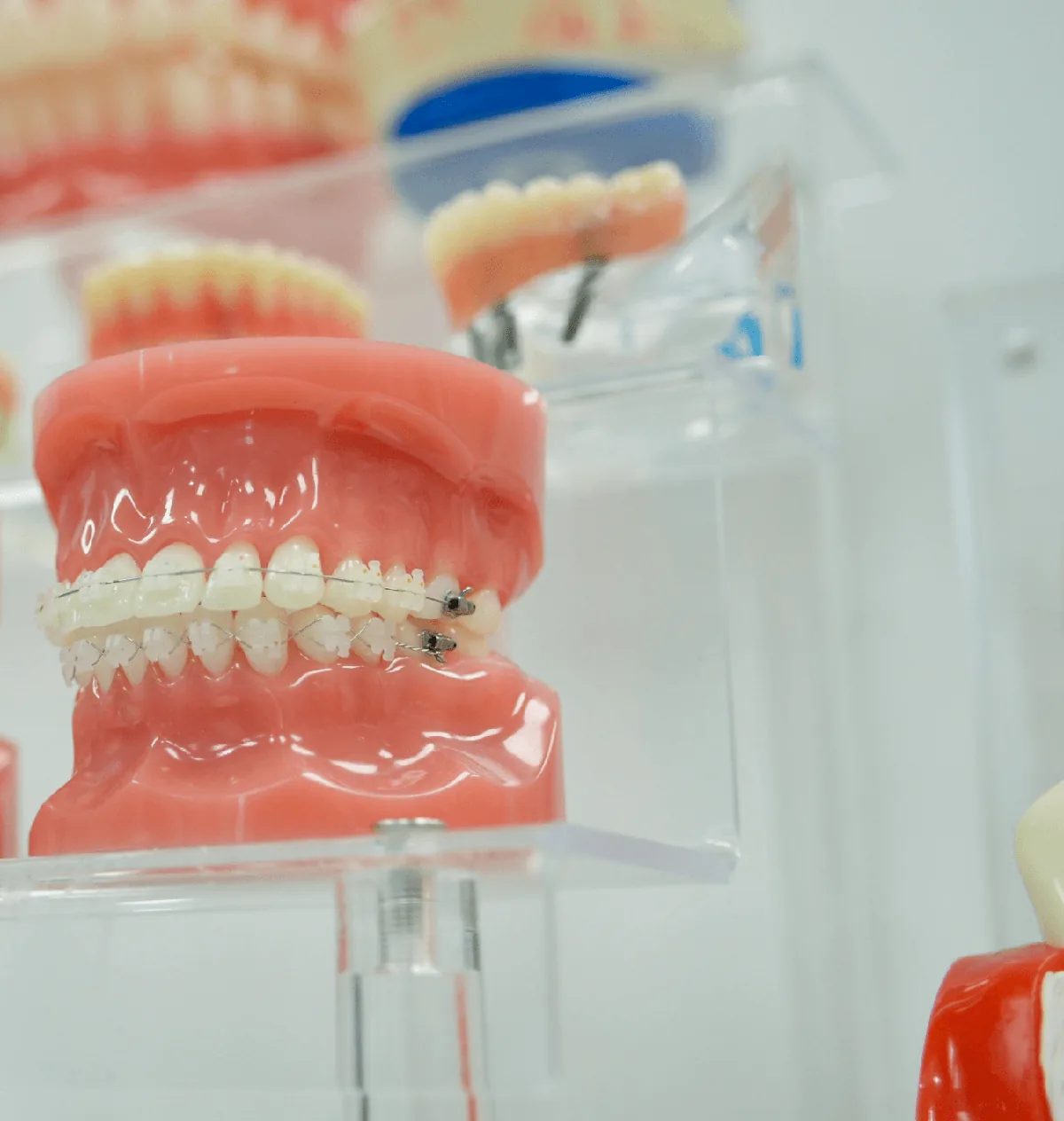
Traditional dentures sit on your gums and can shift around or create sore spots throughout the day. They typically require adhesive to stay in place and need to be removed for cleaning. Implants stay permanently fixed and need nothing beyond normal brushing and flossing.
Implants vs. Bridges
A traditional bridge requires filing down the healthy teeth on either side of the gap to use them as anchors, permanently altering teeth that might otherwise have lasted a lifetime. Implants stand on their own, leaving every neighboring tooth completely untouched.
Cost Over Time
Implants do require a larger upfront investment, and that's worth acknowledging. Dentures and bridges typically need replacement every 5 to 10 years, so those costs return on a regular cycle. Implants, maintained with routine care, can last decades, making them a sound long-term investment that often costs less over a lifetime than repeated replacements.
Ready to Restore Your Smile With Dental Implants in West Covina?
Dental implants are one of the most effective, long-lasting solutions for missing teeth, and the right specialist makes all the difference in your comfort, your results, and your overall experience. Taking the time to evaluate credentials, experience, and patient reviews puts you in the best position to make a confident decision.
At Dentist of West Covina, we offer comfort-first implant care tailored to your goals, timeline, and peace of mind. Our team is here to answer your questions, walk you through every step, and make sure you feel informed and at ease from your very first visit.
Ready to take the next step toward a complete, healthy smile? Get in touch to schedule your consultation. Hablamos Español.
Frequently Asked Questions About Dental Implants in West Covina
How long do dental implants last?
With proper care and regular dental visits, dental implants can last decades — and in many cases, a lifetime. The crown attached to your implant may need replacement after 15 to 20 years due to normal wear, but the implant post itself is designed to be a permanent solution.
Am I a good candidate for dental implants?
Most healthy adults with one or more missing teeth are good candidates for implants. Your dentist will evaluate your bone density, gum health, and medical history during your consultation to determine the best approach for your specific situation.
Does the dental implant procedure hurt?
Most patients report minimal discomfort during the procedure itself, since it's performed under local anesthesia. Mild swelling and soreness in the days following surgery are normal and manageable with over-the-counter pain medication.
How long does the dental implant process take?
The full process typically takes three to six months from the placement of your implant post to the attachment of your final crown. This timeline accounts for the healing period your jawbone needs to fuse with the implant, a process called osseointegration.
What is the difference between All-on-4 and traditional implants?
Traditional implants replace individual teeth using one post per tooth. All-on-4 uses just four strategically placed posts to support a full arch of teeth, often eliminating the need for bone grafting and allowing for same-day temporary teeth.
Do dental implants look natural?
Yes. Your crown is custom-made to match the color, shape, and size of your surrounding teeth. Most people won't be able to tell the difference between your implant and your natural teeth.
How much do dental implants cost in West Covina?
The cost of dental implants varies depending on the number of implants you need, whether bone grafting is required, and the type of restoration involved. Your dentist will provide a detailed cost breakdown and discuss payment options during your consultation.
How do I care for my dental implants?
You care for implants the same way you care for your natural teeth — brushing twice daily, flossing, and attending regular dental cleanings. No special solutions or adhesives are needed, which makes implants one of the most convenient tooth replacement options available.