Losing a tooth can make eating, speaking, and everyday confidence feel unexpectedly difficult, and the longer a gap goes untreated, the more your surrounding teeth and jawbone can suffer.
When it comes to the best options for replacing missing teeth, you have real, proven solutions to choose from. Dental implants, fixed bridges, and dentures each offer a reliable path to restoring your smile, and the right choice depends on your oral health, timeline, and what matters most to you day to day.
In this guide, you'll learn how each option works, what it costs, how long it lasts, and how to decide which one fits your life. At Dentist of West Covina, we take the time to walk you through every option clearly so you can make a decision that feels right, not rushed.
Why Do People Lose Teeth, and Why Does It Matter?
Losing a tooth rarely happens without a reason. Recognizing the causes and understanding what happens when you leave a gap untreated sets the foundation for choosing the right solution.
What Causes Tooth Loss in Adults?
Tooth decay is one of the leading culprits. Bacteria in your mouth produce acids that gradually wear down enamel, forming cavities that, when left untreated, can destroy a tooth from the inside out.
Gum disease is another significant factor; it starts with swollen, bleeding gums and can progress into a deep infection that attacks the bone supporting your teeth, eventually causing them to loosen or require extraction.
Accidents are also a reality. A hard impact during sports or a fall can crack a tooth beyond repair or knock it out entirely. Some patients also experience tooth loss due to genetic factors or systemic conditions such as diabetes, which affect gum health. That said, losing teeth as you age is far from inevitable with consistent oral care.
The Hidden Consequences of Leaving a Gap Untreated
When a tooth disappears, the surrounding teeth begin to drift into the empty space, gradually shifting your bite and making chewing more complicated. Your jawbone also depends on the pressure of chewing to stay dense and strong. Without a tooth root stimulating that area, the bone begins to shrink, and over time, the change can affect the shape of your face.
Eating becomes more restricted, too. Crunchy or tough foods like apples or steak can feel impossible, nudging you toward softer options that may not support a balanced diet. Speaking clearly can also become harder, particularly when front teeth are missing.
Without teeth supporting the soft tissue of your cheeks and lips, that area of your face can take on a sunken appearance, adding years to how you look.
What Are Your Options for Replacing Missing Teeth?
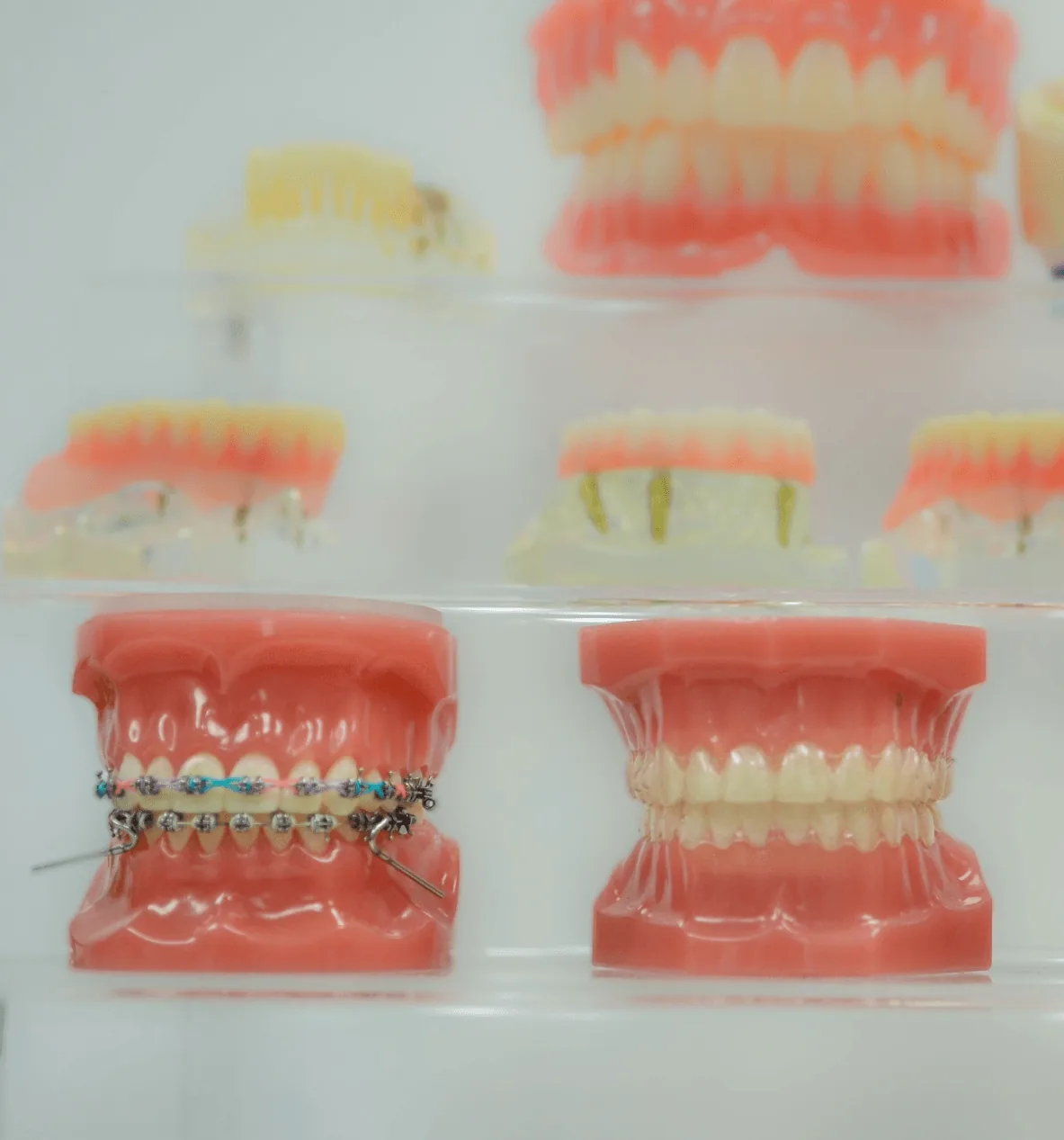
Modern dentistry offers three well-established ways to replace missing teeth: dental implants that function as artificial roots, fixed bridges anchored to neighboring teeth, and removable partial dentures. Each serves a different set of needs.
Dental Implants
A dental implant is a small titanium post surgically placed into your jawbone to act as a new tooth root. Over several months, the bone fuses with the post in a process called osseointegration, and once healing is complete, a custom crown is attached on top to finish the restoration.
The result looks, feels, and functions like a natural tooth — you brush and floss it exactly the same way, with no adhesives or special routines required.
Implants are the most durable option available. With proper care, the implant itself can last a lifetime, though the crown may need replacement after 10 to 15 years. The main considerations are cost and time: implants typically run between $3,000 and $4,500 per tooth, and the full process spans several months to allow for proper healing.
Fixed Dental Bridges
A dental bridge fills a gap by anchoring a prosthetic tooth between crowns placed on the two neighboring teeth. Your dentist reshapes those adjacent teeth, fits crowns over them, and suspends the replacement tooth in between, creating a fixed, seamless result.
You can chew and speak normally, and since the bridge stays in place, there's no need to remove it at night or deal with adhesives. Bridges typically last between 5 and 15 years, depending on how well you maintain your oral hygiene and the health of those anchor teeth.
One important consideration is that healthy neighboring teeth must be reshaped to support the crowns, even if they're in good condition. Cost-wise, a three-tooth bridge generally falls between $2,000 and $5,000, and the process usually wraps up within two to three weeks.
Removable Partial Dentures
Partial dentures consist of prosthetic teeth set into a plastic or metal base that clasps onto your remaining natural teeth. You remove them at night for cleaning and to give your gums a rest. They're the most accessible option financially, typically ranging from $700 to $1,800.
There is a learning curve. Partial dentures can feel unfamiliar at first, particularly when eating or speaking, and metal clasps may be visible near certain gaps when you smile. You'll also need to replace them every five to eight years as your mouth gradually changes shape. Some patients find the daily removal and cleaning routine less convenient than a fixed solution, but for those prioritizing affordability and a shorter treatment timeline, partials are a practical choice.
Dental Implants vs. Bridges vs. Dentures: How Do They Compare?
Choosing the right replacement isn't only about price. Longevity, appearance, and how each option feels in daily life all factor into making a decision you'll be comfortable with long-term.
Which Tooth Replacement Option Lasts the Longest?
Dental implants offer the longest lifespan. The titanium post bonds directly with your jawbone, giving it the same structural stability as a natural root, and with consistent care, it can last 25 years or more.
Bridges typically hold up for 10 to 15 years, with their lifespan closely tied to the health of the supporting teeth. Traditional dentures require replacement every five to eight years as your gum and bone structure shift over time. Implant-supported dentures last considerably longer because the implants help preserve the underlying bone.
How Much Do Tooth Replacement Options Cost?
Dentures offer the lowest upfront cost, with basic sets ranging from $600 to $3,000 per arch, and can often be ready within a few weeks. Bridges fall in the middle range at $2,000 to $5,000, and many insurance plans cover a portion.
Dental implants are the most significant investment at $3,000 to $6,000 per tooth, and insurance coverage varies widely. That said, because implants last so much longer, they may prove more cost-effective over a lifetime compared to replacing a bridge or denture multiple times.
Which Option Looks and Feels Most Natural?
Implants most closely replicate the look and feel of natural teeth. They stay firmly in place when you eat or speak, require no special cleaning tools, and preserve your jawbone by continuing to stimulate the bone the way a real root would.
Bridges integrate well visually and remain fixed, though food can collect beneath the prosthetic tooth, requiring a floss threader for thorough cleaning. Dentures have improved considerably in appearance over the years, but they can still shift when you chew or talk, may feel bulky initially, and occasionally require adhesive to stay secure throughout the day.
How to Choose the Right Tooth Replacement for Your Situation
There's no universal answer to which replacement is best. Your decision depends on your specific oral health, lifestyle, and budget.
Key Factors to Think Through
How many teeth are missing shapes your options significantly. A single missing tooth is well-suited to an implant or bridge. Multiple gaps in different areas of your mouth may call for a combination of implants or a partial denture. When most or all teeth are absent, full dentures become the more practical solution.
Your budget and timeline both matter. If you need a solution within weeks, dentures or bridges are faster. If you're willing to invest more time and money upfront for a long-term result, implants deliver the best return. Ask your dentist about payment plans, as many practices offer financing options that make implants more accessible than they appear at first glance.
Jawbone density is a critical factor for implants. If you've been missing a tooth for an extended period, the bone in that area may have already begun to resorb. In those cases, a bone graft may be necessary before implant placement, adding both time and cost to the process.
What Happens at a Tooth Replacement Consultation?
Your dentist will examine your gums, take X-rays, and evaluate your bone structure to determine which options are realistic for your situation. Being open about your budget, daily habits, and priorities helps your dental team tailor their recommendations to what will actually work for you, not just what's ideal in theory.
Ask questions about success rates, maintenance requirements, and what each phase of treatment involves. If it helps, request before-and-after photos from similar cases so you have a clearer sense of what to expect. A good consultation should leave you feeling informed and confident, not overwhelmed.
How to Care for Dental Implants, Bridges, and Dentures
Replacing a tooth is an investment. Good daily habits and consistent professional care are what protect that investment for years to come.
Daily Oral Care Routine for Replacement Teeth
Brush your replacement teeth at least twice a day with a soft-bristled toothbrush and a non-abrasive toothpaste to avoid scratching dental work. For implants, pay close attention to the area where the crown meets your gum line, where bacteria tend to accumulate and cause inflammation.
Daily flossing is essential; use unwaxed floss or floss designed for implants to clean between teeth and around each post. If you have a bridge, a floss threader helps you clean underneath the prosthetic tooth and protect the supporting teeth from decay and buildup.
Water flossers are an excellent complement to any replacement teeth, clearing out debris and bacteria that regular floss can miss. Finishing with an antibacterial mouthwash adds another layer of protection against plaque.
Why Regular Dental Checkups Matter After Tooth Replacement
Visit your dentist every six months for professional cleanings and exams. Your dental team will check the stability of your restoration, look for early signs of gum disease, and use specialized instruments to clean around implants, bridges, or dentures without causing damage.
For patients with implants, X-rays taken at regular intervals allow your dentist to monitor bone health around the post and catch any concerns before they develop into larger problems.
During the first year after placement, more frequent visits may be recommended to confirm that everything is healing and functioning correctly. If you notice anything unusual between appointments — discomfort, looseness, or bleeding — reach out to your dental office rather than waiting for your next scheduled visit. Catching small issues early almost always means simpler, less costly solutions.
Ready to Restore Your Smile? Start With a Conversation
Replacing a missing tooth is one of the most impactful decisions you can make for your long-term oral health. Whether a dental implant, bridge, or denture is the right fit, acting sooner protects your jawbone, your surrounding teeth, and your quality of life.
The best next step is a conversation with a dentist who can evaluate your specific situation and help you understand your options without pressure.
At Dentist of West Covina, we offer comfort-first dentistry and personalized treatment plans tailored to your goals, budget, and schedule. Request an appointment online. We're here to help you move forward with confidence.
Frequently Asked Questions
What is the best option for replacing a missing tooth?
Dental implants are widely considered the gold standard because they look, feel, and function like natural teeth while preserving your jawbone. That said, the best option depends on your oral health, budget, and timeline. A consultation with your dentist is the most reliable way to find the right fit for your specific situation.
How soon should I replace a missing tooth?
Sooner is better. Once a tooth is lost, the surrounding teeth begin to shift, and the jawbone in that area starts to shrink. Replacing the tooth promptly helps prevent those changes from compounding into bigger, more costly problems down the road.
Does getting a dental implant hurt?
Most patients are surprised by how manageable the process feels. Your dentist will keep you comfortable throughout the procedure, and any soreness in the days following placement is typically mild and short-lived. If dental anxiety is a concern, let your dental team know — there are options to help you feel at ease.
How long do dental implants last compared to bridges and dentures?
With proper care, a dental implant can last 25 years or more — potentially a lifetime. Bridges typically last 10 to 15 years, and traditional dentures need replacing every 5 to 8 years as your mouth changes shape over time.
Will my insurance cover tooth replacement?
Coverage varies depending on your plan. Many insurance providers contribute toward bridges and crowns, while implant coverage is less consistent. Your dental office can help you review your benefits and discuss financing options if needed.
Can I get a dental implant if I've had a missing tooth for a long time?
Possibly, but your dentist will need to assess your jawbone density first. Bone loss is common when a tooth has been missing for an extended period, and a bone graft may be required before implant placement. Your consultation will clarify exactly what your situation calls for.