A missing tooth has a way of making itself known in the smallest moments: a meal you can't quite enjoy, a laugh you hold back, a photo you'd rather not be in. Over time, those small moments add up. Dental implants are the only tooth replacement option that addresses the problem at its root, quite literally, by restoring both the tooth and the jawbone support beneath it.
Affordable implants in West Covina have made this level of care accessible to far more patients than before. At Dentist of West Covina, flexible financing, transparent pricing, and comfort-first care mean you can move forward with confidence.
This guide covers everything you need — costs, options, provider tips, and long-term care — so you can make the right decision for your smile.
What Are Affordable Dental Implants?
A dental implant is a small titanium post that a dentist places directly into your jawbone, where it acts as an artificial tooth root. Once it fuses with the surrounding bone through a process called osseointegration, your dentist attaches a crown on top that looks and functions like a natural tooth. Unlike removable dentures, implants stay in place permanently, and you care for them the same way you would your own teeth.
The procedure typically takes place in stages over several months. First, your dentist places the implant into your jaw. Then your bone needs time to heal and integrate around the post. Once that process is complete, your dentist adds the final crown to complete your new tooth.
Benefits of Choosing Affordable Implants
Affordable implants deliver the same core function as more expensive alternatives. You get a permanent replacement that doesn't slip during meals or while speaking, and the implant actually stimulates your jawbone, helping preserve its density the way a natural tooth root would.
Financing options and monthly payment plans make it possible to manage the cost over time without a large upfront commitment. Implants also tend to be more economical in the long run because they don't require the ongoing adjustments, relining, or replacements that dentures and bridges commonly do. With proper care, a well-placed implant can last for decades.
Which Type of Dental Implant Is Right for You?
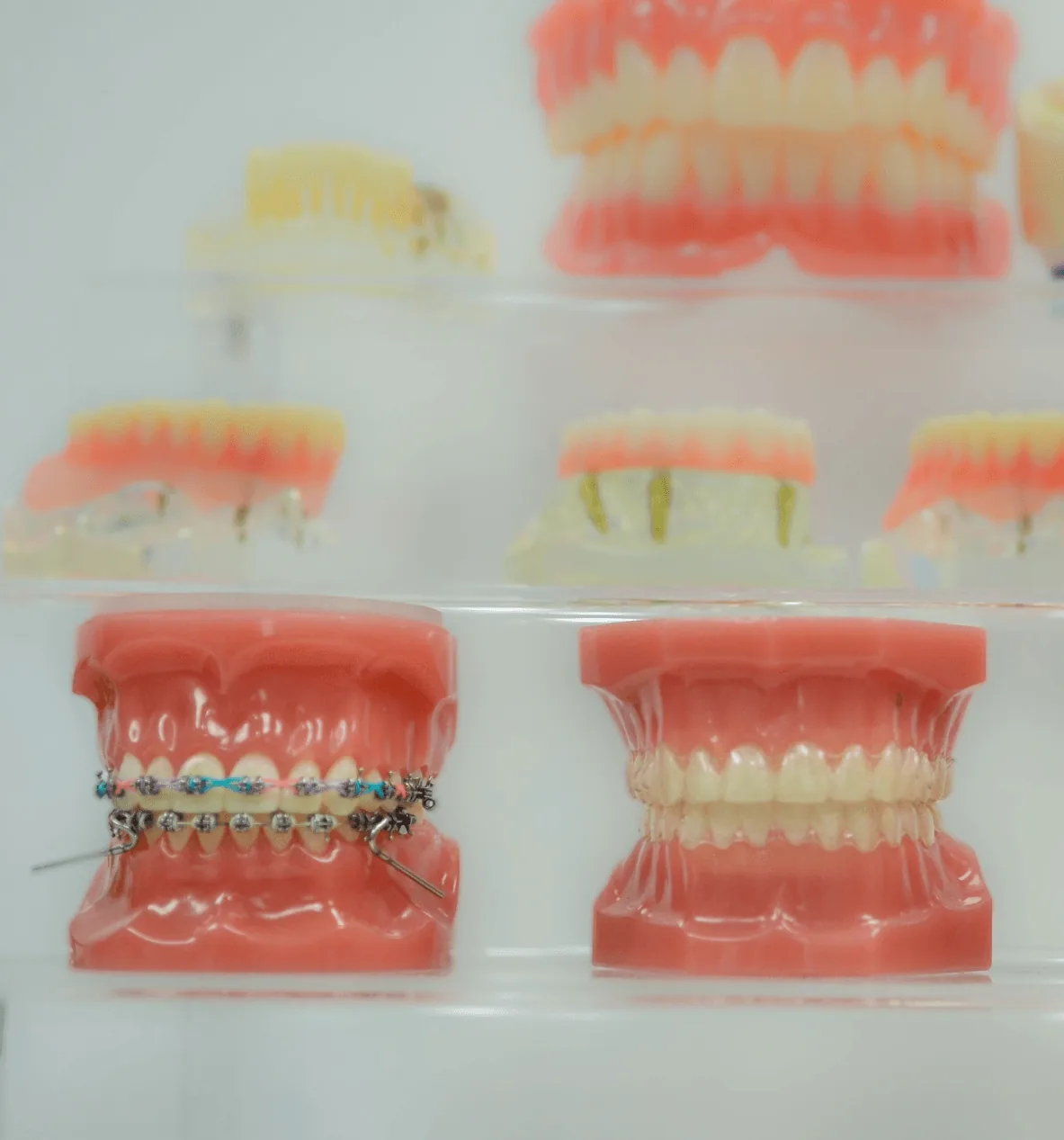
Single-tooth implants replace one missing tooth using a single post and crown. This option works best when the teeth surrounding the gap are healthy and intact.
All-on-4 implants support a full arch of replacement teeth using just four strategically placed posts. Because fewer implants are needed, this approach costs significantly less than replacing each tooth individually, while still providing a fixed, non-removable result.
Implant-supported bridges use two or more implants to anchor a row of replacement teeth. Your dentist may recommend this approach when several adjacent teeth are missing, since it avoids disturbing the surrounding healthy teeth.
Same-day implants allow you to receive both the implant and a temporary crown in a single appointment. You leave with a functioning tooth that day, though you'll still complete the healing process before receiving your permanent crown.
Where to Find Affordable Implants in West Covina
West Covina has a growing number of dental practices offering implant services at a range of price points, making it easier than ever to find care that fits your budget. When comparing providers, look for offices that are upfront about pricing, offer flexible financing before treatment begins, and provide a full range of implant options under one roof.
The best practices combine modern technology with a patient-first approach, so you feel informed and comfortable at every stage of your treatment.
What Treatment Options Are Available?
Most West Covina implant providers offer a full range of procedures to match different needs and budgets. Options include single-tooth implants, multiple-tooth implants supported by a bridge or partial denture, and full-arch systems such as All-on-4 or All-on-6, which replace all the teeth on the upper or lower jaw using just four to six posts.
Same-day implants give you temporary teeth immediately after surgery, while traditional implants follow a multi-visit timeline that allows thorough healing between each stage. Your dentist will recommend the right approach based on your bone density, the number of teeth you need to replace, and the condition of your overall oral health.
How Modern Technology Makes Implants More Precise
Some West Covina practices now use robotic-assisted systems for full-arch implant surgery, which allows for more precise placement and can shorten overall treatment time. The robotic guidance system creates a 3D map of your jaw before surgery, helping your dentist determine the exact angle and depth for each implant.
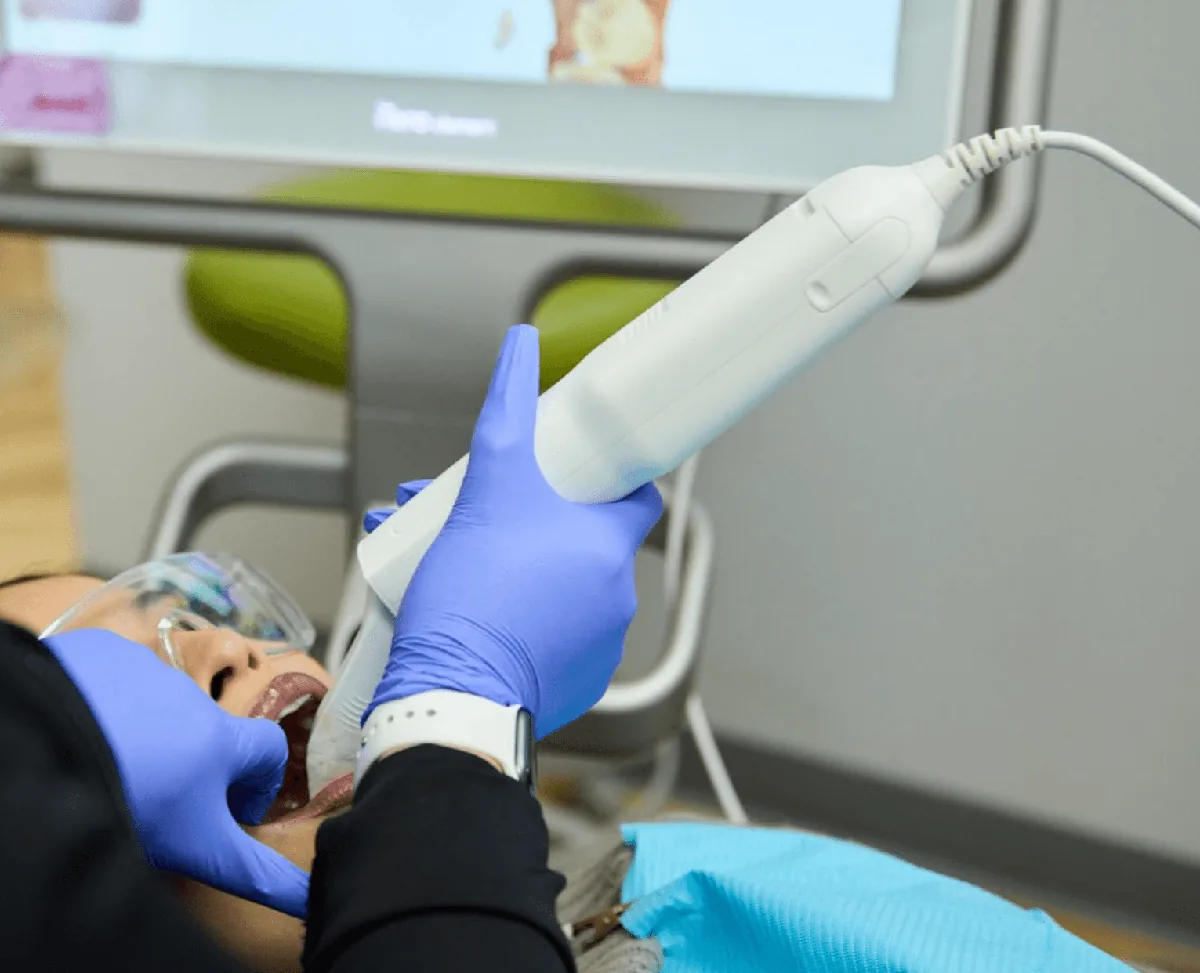
Digital imaging tools like cone beam CT scans give your dentist a detailed view of your jawbone prior to any procedure. Computer-guided surgical planning then uses those images to create custom guides that direct implant placement during surgery, reducing the chance of complications and making the entire process more predictable.
How Much Do Dental Implants Cost in West Covina?
A single dental implant in West Covina typically costs between $3,000 and $5,000, which includes the titanium post, abutment, and crown. Full-arch restoration through the All-on-4 procedure generally ranges from $15,000 to $30,000 per arch, depending on your specific case. Factors like bone density, the need for preparatory procedures, and the materials used for your crown all influence the final cost.
Implant-supported bridges fall somewhere between these ranges, replacing several missing teeth with fewer implants than individual placement would require. Your dentist will give you a detailed cost estimate after your initial evaluation.
Does Insurance Cover Dental Implants?
Many dental insurance plans cover a portion of implant costs, sometimes reimbursing for the crown even when the post itself isn't covered. It's worth reviewing your benefits carefully and asking the dental office to help you understand what your plan includes.
Most practices in West Covina offer in-house payment plans that let you spread the cost over several months, often requiring only a modest down payment to start treatment.
Third-party financing options are widely accepted and allow for longer repayment timelines. If you don't carry dental insurance, ask about in-house membership plans, which typically provide discounts on implants and other procedures in exchange for an annual fee.
How to Lower the Cost of Dental Implants
Scheduling consultations at a few different offices lets you compare pricing, since costs vary and some practices offer new patient promotions or package pricing for multiple implants. Dental schools occasionally offer reduced rates for implant procedures performed under faculty supervision, which can be a practical option if your case is straightforward.
Addressing any preparatory dental work, such as treating gum disease or completing a necessary bone graft, before moving forward with implant placement helps avoid complications that can add to your overall costs. Doing the groundwork correctly from the start is almost always less expensive than correcting problems after the fact.
How to Choose the Right Implant Dentist in West Covina
Your implant dentist should have advanced training beyond general dental school, such as a residency or postgraduate program focused specifically on implant placement. Board certification and membership in organizations like the American Academy of Implant Dentistry indicate that a dentist has pursued a higher level of credentialing in this specialty.
Experience matters considerably in implant dentistry. Ask how many procedures the dentist performs each year, since a high-volume provider handles a wider range of cases and complications. You'll also want a practice equipped with modern tools like 3D imaging and digital surgical guides, which improve accuracy and reduce the risk of preventable issues.
How to Use Patient Reviews to Compare Dentists
Look at reviews across multiple platforms, including Google, Yelp, and Healthgrades, to get a well-rounded picture. Pay particular attention to what patients say about pain management, how clearly the team explains procedures, and how comfortable they felt throughout treatment. Patterns across multiple reviews are far more telling than any single comment.
Recent reviews carry the most weight, since the quality of care at a practice can shift significantly over a year or two. When you encounter a negative review, read how the office responded. A thoughtful, professional reply is a good indicator of how they handle problems when things don't go as planned.
What to Ask at Your Dental Implant Consultation
Ask for a complete cost breakdown that covers the consultation, surgery, crown, and any preparatory procedures. Find out which implant brand the practice uses and why, since established brands typically carry longer track records for durability and success rates.
Request a realistic timeline from placement to final restoration so you know what to expect during the healing process.
Ask about their policy for complications, including whether any warranty or guarantee applies to the work. If dental anxiety is a concern, ask what sedation options are available. Many practices in West Covina offer multiple approaches to help patients feel at ease throughout treatment.
How to Care for Your Dental Implants Long-Term
Daily Habits That Help Dental Implants Last Longer
Caring for your implants is straightforward. Brush twice daily with a soft-bristled toothbrush and floss around each implant crown every day to prevent plaque buildup at the gumline. Visit your dentist every six months for professional cleanings so the team can monitor the implant, the surrounding tissue, and your bite over time.
Avoid chewing on hard items like ice, hard candy, or pen caps, all of which can crack the crown. If you grind your teeth at night, a custom nightguard protects the implant from the excessive pressure caused by grinding.
Smoking significantly reduces implant success rates by restricting blood flow to the gums and slowing post-surgical healing, so quitting before treatment will meaningfully improve your outcome.
How to Know Your Implant Is Healing Properly
A successful implant feels stable and comfortable under normal biting pressure with no movement or wobble. The gum tissue surrounding the implant should appear pink and firm, sitting snugly against the post without pulling away or showing signs of inflammation.
You should experience no ongoing pain or sensitivity during everyday activities. Some mild discomfort in the days immediately following placement is normal, but persistent pain is not. A functioning implant allows you to eat, speak, and go about your day the same way you would with natural teeth.
Warning Signs You Should Call Your Dentist About
Reach out to your dental office promptly if you notice bleeding around the implant that doesn't stop after gentle pressure, as this can signal gum disease or an underlying infection. Any movement or looseness in the implant also warrants a quick call, since a shifting implant needs attention before the issue worsens.
Ongoing pain, swelling, discharge, or an unusual taste or odor near the implant site are all signs that something may need to be evaluated. These symptoms don't always indicate a serious problem, but they don't resolve on their own either. Contacting your dentist early keeps minor issues from becoming larger ones.
Your Next Smile Starts With One Conversation
A complete, confident smile isn't out of reach. With the right provider, a clear understanding of your options, and a financing plan that fits your life, dental implants are an investment that pays off every single day: in the foods you eat, the conversations you have, and the way you feel when you walk into a room.
If you've been putting off treatment because of cost or uncertainty, now is the time to take the first step. Dentist of West Covina offers personalized implant consultations, flexible payment options, and a gentle, patient-first approach that makes the process easier from start to finish. Get in touch to schedule your visit. Hablamos Español.
Frequently Asked Questions
How long do dental implants last?
With proper care, dental implants can last 20 years or longer — and in many cases, a lifetime. The crown attached to the implant may need replacement after 10 to 15 years due to normal wear, but the titanium post itself is designed to be permanent. Brushing, flossing, and keeping up with regular dental visits are the biggest factors in long-term implant success.
Are dental implants painful?
Most patients report that the procedure is more comfortable than they expected. Your dentist will use local anesthesia during placement, so you won't feel pain during the surgery itself. Some soreness and mild swelling in the days following the procedure is normal and manageable with over-the-counter pain relief. If anxiety is a concern, ask your provider about sedation options before your appointment.
How do I know if I'm a good candidate for dental implants?
Most adults in good general health qualify for dental implants. Healthy gums and sufficient jawbone density are the two most important factors. If you've experienced bone loss due to a long-standing gap, a bone graft may be needed before implant placement. The best way to find out is through a consultation, where your dentist can evaluate your specific situation with imaging and a full exam.
What is the difference between All-on-4 implants and traditional implants?
Traditional implants replace one tooth at a time using an individual post and crown. All-on-4 implants use just four strategically positioned posts to support an entire arch of fixed replacement teeth. All-on-4 is a more cost-effective solution for patients who need full-arch restoration and want a permanent, non-removable result without replacing every tooth individually.
Can I get dental implants if I have gum disease?
Active gum disease needs to be treated before implant placement can begin. Untreated gum disease compromises the bone and tissue that support the implant, significantly increasing the risk of failure. Once your gums are healthy and stable, your dentist can reassess your candidacy and move forward with a treatment plan.
Does dental insurance cover implants in West Covina?
Coverage varies widely by plan. Some insurance providers cover the crown portion of the implant, while others exclude implants altogether. It's worth calling your insurance provider directly to review your benefits before your consultation. Most West Covina dental offices will also help verify your coverage and identify financing options to cover any remaining balance.
How soon can I eat normally after getting a dental implant?
You'll want to stick to soft foods for the first week or two following surgery while the surgical site heals. As healing progresses, you can gradually reintroduce firmer foods. Once your permanent crown is in place and your dentist confirms the implant has fully integrated, you can eat normally without restrictions.