If you are wondering when persistent pressure in a tooth means you should call a dentist, the answer often depends on how long it lasts and what other symptoms appear.
At Dentist of West Covina, we understand how stressful dental discomfort can feel. Our comfort-first approach and modern technology help us quickly identify the cause and create a personalized plan that fits your needs.
Below, you will learn the common causes of tooth pressure, warning signs to watch for, and when to schedule a visit. Clear answers can help you act early and protect your smile.
What Qualifies as Persistent Pressure?
Persistent pressure feels like squeezing, tightness, or just plain discomfort in your tooth that doesn’t let up after a day or two. Sometimes it’s there all day, other times it comes and goes.
If it sticks around for more than 48 hours, that’s your cue. The feeling might spike when you bite down, chew, or sip something hot or cold.
Notice if it wakes you up at night or makes eating tough. That’s usually not just sensitivity—it’s something more. Mild pressure after flossing or crunching on hard foods? That’s pretty normal. But if you find yourself avoiding certain teeth or changing how you eat, it’s time to pay attention.
Common Causes of Ongoing Tooth Discomfort
Lots of dental issues can cause that stubborn pressure. Cavities can open up the inside of your tooth, leading to pain and pressure when you bite.
Tooth infections or abscesses increase pressure as bacteria multiply inside. Cracks or fractures let pressure reach the sensitive inner parts, even if you can’t spot the damage. Gum recession exposes the root and dentin, which really don’t like being pressed on. That area lacks the enamel’s protection, so every bit of pressure feels worse.
Sinus infections sometimes make your upper back teeth ache, since the sinuses are right above them. Grinding your teeth at night? That’s a sneaky culprit, too, as constant pressure builds up over time.
Distinguishing Tooth Pressure from Other Dental Symptoms
Tooth pressure isn’t the same as sharp pain or quick sensitivity. Pressure feels more like a dull squeeze or tightness, while sharp pain is sudden and intense.
Here’s a quick breakdown:
Pressure: Dull, steady, sometimes throbbing squeeze
Sensitivity: Quick, sharp jab with hot, cold, or sweet foods
Pain: Intense, sometimes shooting, discomfort
Gum pain? That’s usually sore and tender around the tooth (not deep inside). You can usually pinpoint one tooth when it’s pressure, but jaw pain tends to spread. Temperature sensitivity fades fast after you stop eating or drinking. Pressure just hangs around, even when you’re not chewing or touching the tooth.
Warning Signs That Require A Visit To A Dentist
Pressure in your tooth is a bigger deal if it comes with other symptoms, such as swelling, sensitivity to temperature, or visible changes in your teeth or gums. These are often signs that there’s something more serious going on.
Associated Pain and Swelling
Swelling in your gums, jaw, or face? That’s a sign you need to call the dentist right away. Swelling often means infection, and those can spread fast if ignored.
You might notice the area feels tender or looks puffier than the other side. Pain that radiates beyond the tooth—maybe into your jaw, ear, or neck—means it’s not just surface-level trouble.
Fever, along with tooth pain, is another warning sign. If pain is bad enough to mess with eating, sleeping, or even working, don’t wait. Severe or throbbing pain could mean nerve trouble or an abscess.
Sensitivity to Temperature or Biting
If hot or cold food makes your tooth zing with pain, the inner layer might be exposed. Decay, a crack, or worn enamel can leave nerves wide open—ouch.
Pain when biting down or chewing? That could be a cracked tooth, a loose filling, or an infection near the root. Even if it only happens while eating, don’t just brush it off.
Sensitivity that lingers more than a day or two needs a dentist’s look. Temporary discomfort after dental work is normal, but if it sticks around, there’s probably more to it.
Changes in Tooth Color or Gum Appearance
When a tooth turns gray, brown, or even dark yellow, it could mean the nerve inside is dying. Discoloration can creep up slowly and might not hurt at first.
Red, swollen gums around a sore tooth? That’s a sign of inflammation or infection. Healthy gums are pink and firm, not puffy or shiny. A bump or pimple on your gum near the sore tooth is a red flag for an abscess. If you spot pus, notice a foul odor, or have stubborn bad breath, get to the dentist fast.
Potential Health Risks of Ignoring Persistent Tooth Pressure
Brushing off tooth pressure gives bacteria time to multiply and spread. That can mean infections that move beyond your mouth and start affecting your whole body.
Development of Infection or Abscess
Persistent pressure often means bacteria have made it inside your tooth. If you ignore it, those bacteria can create a pocket of pus, also known as an abscess.
Abscesses are no joke. They bring serious pain and swelling to your gums and face, and the infection can travel to your jaw, neck, or even get into your bloodstream. Sometimes antibiotics are needed, on top of dental procedures.
Symptoms like fever, a nasty taste, or swollen lymph nodes are warning signs that things are getting worse.
Damage to Surrounding Teeth and Bone
Infection doesn’t just stay put. It can reach the bone holding your teeth, damaging nearby teeth along the way. Jawbone loss makes it tough for teeth to stay put, and it’s not easy—or cheap—to fix. Neighboring teeth might get infected or loosen up, too.
You could end up needing more than one tooth fixed or even pulled. Waiting just increases the risk of losing teeth and bone.
Progression to More Serious Dental Conditions
What starts as pressure in one tooth can spiral into bigger dental headaches. Untreated infections can lead to gum disease that affects your whole mouth. Bacteria from tooth infections have been linked to heart disease and stroke. They can get into your bloodstream and reach your heart or other organs.
Upper tooth infections can even move into your sinus cavities, causing sinus pain. Chronic tooth problems can mess with your eating and sleeping, which takes a toll on your mental health and quality of life.
What to Expect When You Call the Dentist
When you call about lingering tooth pressure, the staff will ask about your symptoms and pain level to figure out how quickly you need an appointment. Most dental offices keep emergency slots open for urgent cases.
Discussing Symptoms Over the Phone
Expect questions about your pain, like, "What kind is it?" Sharp, throbbing, or just constant pressure?
They’ll ask how long it’s been going on and if it’s getting worse. Be ready to say if the pain wakes you up or keeps you from eating or drinking.
Mention swelling, fever, or a bad taste. These details help them decide if you need a same-day visit or if you can wait. Let them know what painkillers you’ve tried and if anything’s helped.
Diagnostic Procedures Your Dentist May Use
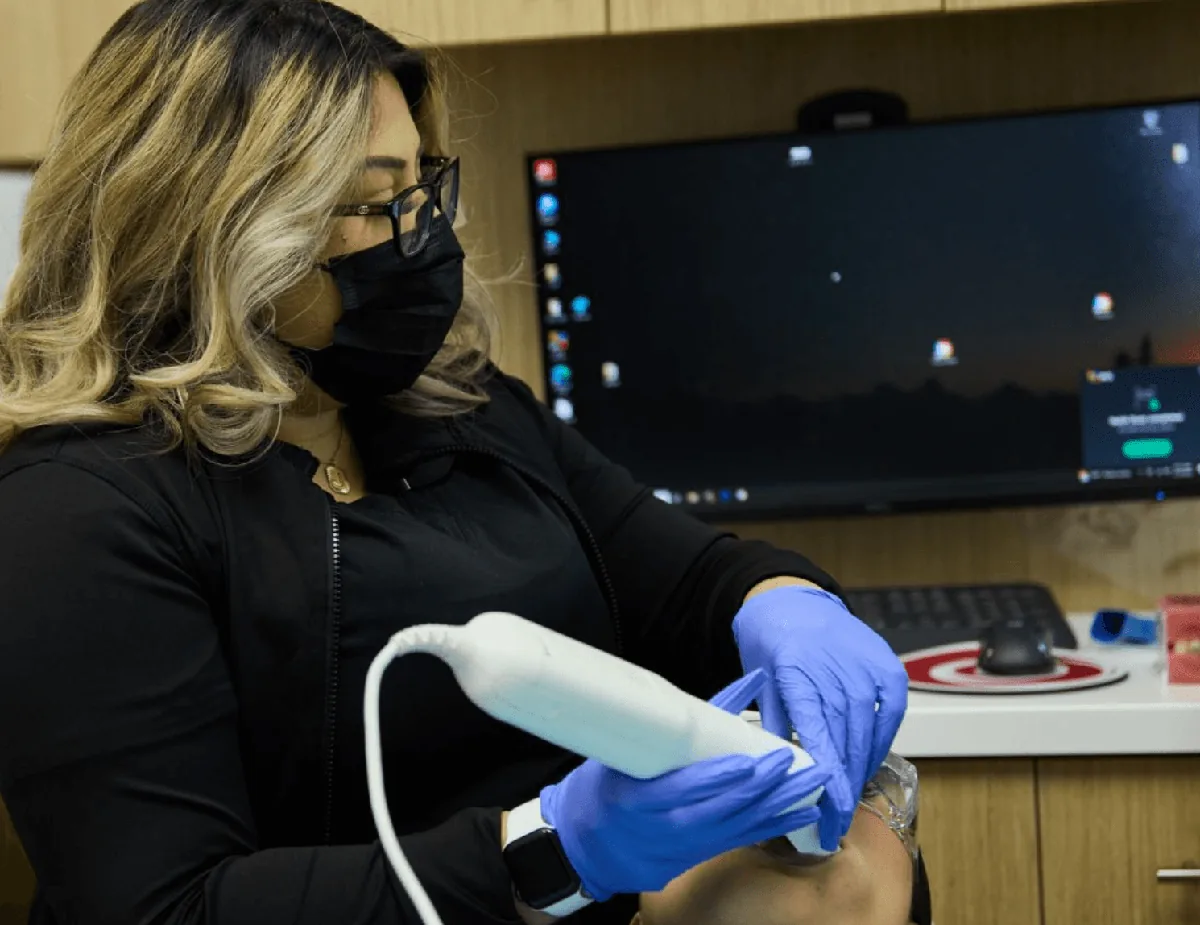
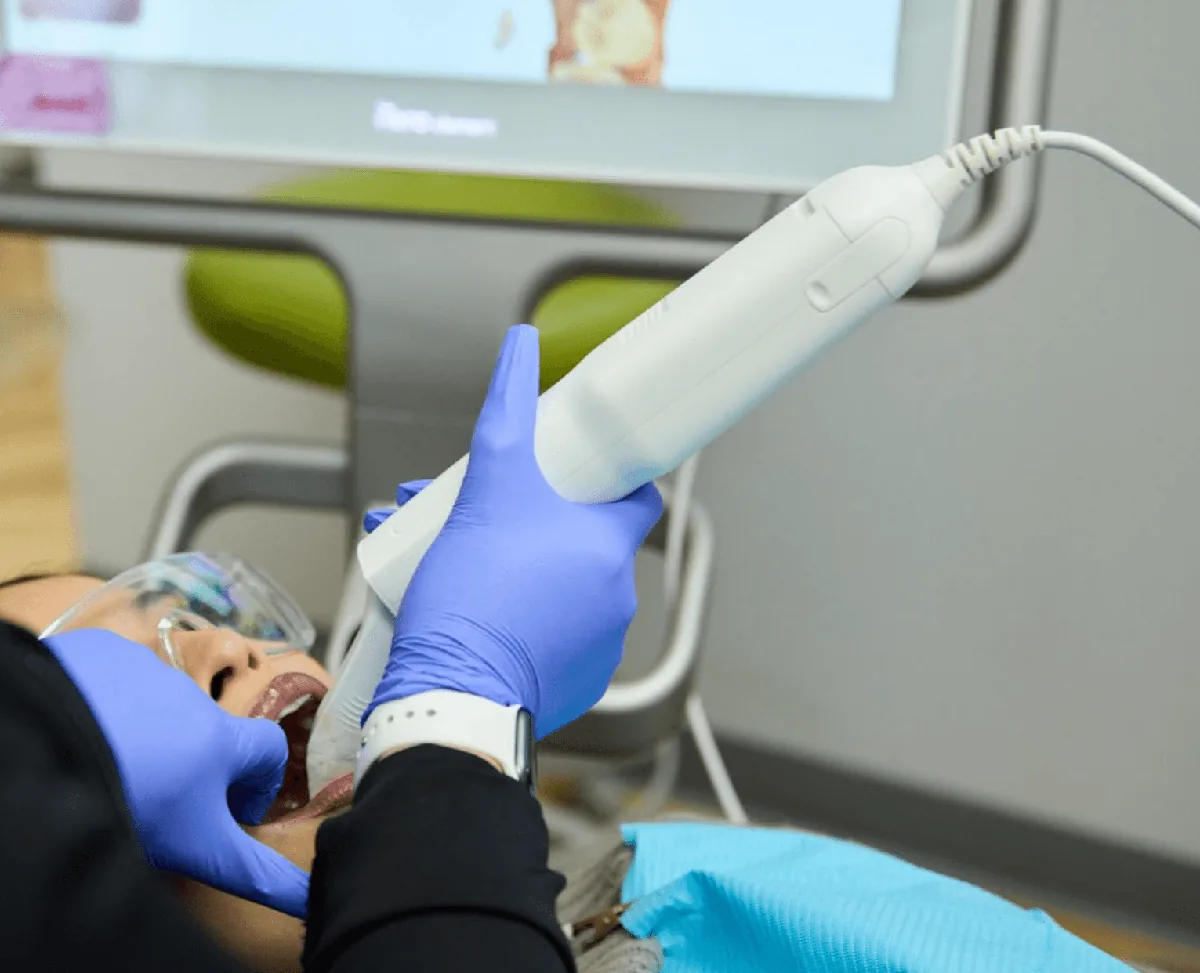
Your dentist will start with a visual check of your teeth and gums, looking for decay, cracks, or signs of gum trouble. X-rays usually come next. They show what’s happening below the surface—like infection at the root or bone damage. Sometimes it’s just one image, sometimes a few for comparison.
Other possible tests:
Percussion test: they’ll tap on your teeth to see which one hurts
Cold sensitivity test: a cold stimulus to check nerve response
Bite test: biting down to pinpoint the pain
Recommended Treatment Options
Treatment depends on what’s causing the pressure. For a cavity, you’ll probably need a filling to clear out the decay.
If there’s an infection or abscess, antibiotics might be prescribed, and you could need a root canal to clean out the infected tissue. That saves the tooth and stops the infection from spreading.
A cracked tooth might need a crown for protection. If the tooth can’t be saved, extraction is the last resort, and your dentist will talk options for replacing it, like an implant or bridge.
How to Manage Tooth Pressure Before Your Appointment
You can do a few things at home to ease tooth pressure while you wait for your dental visit. But knowing when it’s an emergency is important—don’t hesitate to call if things get worse.
At-Home Comfort Strategies
A warm saltwater rinse is a quick, easy way to get some relief. Mix half a teaspoon of salt in a cup of warm water and swish for about 30 seconds. Do it several times a day if you need.
Over-the-counter pain relievers like ibuprofen or acetaminophen can help with pain and swelling. Stick to the package instructions.
Other comfort tips:
Hold a cold compress to your cheek for 15 minutes at a time
Keep your head propped up when lying down to reduce blood flow to the area
Avoid chewing on the side that hurts
Skip super hot, cold, or sugary foods that make the pain worse
These tricks are just for temporary relief. You’ll still need a dentist to actually fix what’s causing the pressure.
When to Seek Emergency Dental Care
If you suddenly feel pain in your neck or lower jaw along with tooth pressure, call 911 right away. This could be a sign of a heart problem, especially if heart issues run in your family.
Reach out to an emergency dentist if you notice severe swelling in your face or jaw, a high fever, or if you're struggling to breathe or swallow. Bleeding that just won't stop is another red flag for a serious infection needing immediate care.
Intense dental pain that keeps you from sleeping, eating, or doing anything normal? That's your cue to get emergency help. An emergency dentist can offer stronger pain relief and start treatment without delay.
Do Not Ignore Ongoing Tooth Pressure
Persistent pressure is more than a small annoyance. Acting early protects your comfort, prevents complications, and supports long-term oral health.
At Dentist of West Covina, we provide gentle, modern care designed to relieve discomfort and address the cause with a personalized plan.
If tooth pressure is not improving, call our office today to schedule an evaluation. Prompt care can bring clarity, comfort, and peace of mind.
Frequently Asked Questions About Persistent Tooth Pressure
When Persistent Pressure In A Tooth Means You Should Call A Dentist?
If pressure lasts more than 48 hours, becomes more intense, or comes with swelling, fever, or pain when biting, it is time to schedule a visit. Ongoing pressure often signals decay, infection, or a crack that needs professional care.
Can Tooth Pressure Go Away On Its Own?
Mild pressure from temporary irritation may improve within a day or two. However, if the discomfort continues or keeps returning, the underlying cause usually requires dental treatment.
Is Persistent Tooth Pressure Always An Infection?
Not always. Pressure can result from cavities, grinding, gum recession, sinus issues, or a cracked tooth. A dental exam and X-rays help determine the exact cause.
Why Does My Tooth Feel Pressure When I Bite Down?
Pressure when biting may indicate a cracked tooth, a loose filling, or inflammation near the root. If biting discomfort continues, it should be evaluated to prevent further damage.
Should I See A Dentist If There Is No Severe Pain?
Yes. Even without sharp pain, steady pressure can signal a developing issue. Early care often means simpler treatment and faster relief.