You have been thinking about fixing that chipped front tooth or brightening a smile that feels a little off. You have heard about veneers and composite bonding, and now the real question is sitting in the back of your mind: how long do veneers last vs composite bonding?
At Dentist of West Covina, patients weighing these options get a personalized breakdown based on their actual smile, budget, and daily habits, not a one-size-fits-all pitch.
Keep reading to learn how these two treatments compare across lifespan, appearance, cost, and lifestyle fit. Once you see the full picture, the right choice for your smile will feel much clearer.
The Core Lifespan Difference
The durability gap between veneers and bonding is real and worth understanding before you commit to either option.
Typical Longevity for Porcelain Veneers
Porcelain veneers are thin ceramic shells bonded to the front surface of your teeth. With consistent care, they typically last 10 to 15 years, and some patients see them last 20 years or longer.
The material itself behaves similarly to natural tooth enamel. It resists everyday chewing forces well and does not absorb stains from coffee or red wine. Because porcelain is custom-made in a dental lab, each veneer is designed to fit precisely, which helps ensure a stronger, longer-lasting bond over time.
One trade-off is that placing porcelain veneers requires a small amount of enamel removal. That step is permanent, so choosing veneers is a long-term commitment to the treatment itself.
Expected Wear Timeline for Composite Bonding
Composite bonding uses a tooth-colored resin applied directly to the tooth and shaped by your dentist in a single visit. Most composite bonding lasts between 3 and 7 years before it needs noticeable touch-ups or full replacement.
The resin material is more porous than porcelain. That means it picks up stains more readily over time and can develop small chips or surface scratches with regular use. For many West Covina patients, this is perfectly acceptable because bonding is also significantly easier and faster to repair.
Bonding requires little to no enamel removal, which is a meaningful advantage for younger patients or anyone who wants to keep their options open down the road.
Feature | Porcelain Veneers | Composite Bonding |
Typical Lifespan | 10 to 15 years | 3 to 7 years |
Enamel Removal | Small amount required | Little to none |
Repair Process | Requires lab replacement | Repaired chairside |
Stain Resistance | High | Moderate |
Number of Visits | Two or more | Usually one |
Knowing how long each option lasts is useful, but lifespan numbers are averages. Your daily habits strongly influence where your result falls within that range.
What Affects How Long Results Hold Up
Both treatments can fall short of their expected lifespan if certain everyday factors go unmanaged.
Bite Pressure and Everyday Habits
Heavy bite pressure is one of the most common reasons cosmetic dental work wears out early. If you grind your teeth at night, a habit called bruxism, the force you generate can chip composite bonding within a year or crack a porcelain veneer well before its expected end date.
Hard habits like chewing on ice, biting your nails, or using your teeth to open packaging cause similar problems. Composite bonding is more vulnerable to these stresses because the resin is softer than porcelain and natural enamel.
For patients who grind, a custom night guard is often recommended before or alongside any cosmetic treatment. Wearing one regularly protects your investment regardless of which option you choose.
Oral Hygiene and Routine Dental Care
Neither veneers nor composite bonding can protect themselves from decay at the margins where the restoration meets the tooth. If plaque builds up in those areas and is not cleared by regular brushing and flossing, the tooth underneath can develop a cavity that compromises the entire restoration.
Brush at least twice daily with a soft-bristle toothbrush
Floss daily around every restored tooth
Avoid abrasive whitening toothpastes, which can scratch composite resin
Keep your six-month cleanings at your West Covina dental office
Ask about a night guard if you wake up with jaw soreness or headaches
Routine checkups matter more than most patients expect. A small chip caught during cleaning is a five-minute repair. Left for another year, it can mean replacing the entire restoration.
The way a restoration holds up day to day tells part of the story. The other part is how it looks over time, especially when your smile is what you are trying to improve.
Appearance Over Time
Both options can look beautiful right after treatment. The question is how each one ages.
Stain Resistance and Color Stability
Porcelain veneers are glazed during manufacturing, creating a smooth, non-porous surface. That glaze resists pigments from coffee, tea, and red wine far better than composite resin does. The color you choose when veneers are placed is essentially the color you keep for the life of the restoration.
Composite bonding is more susceptible to gradual discoloration. Heavy coffee or tea drinkers often notice bonded teeth start to take on a slightly yellow or grey tone within a few years. Polishing during regular cleanings helps, but it does not fully reverse staining within the resin itself.
An important note: natural teeth can still be whitened, but your veneer or bonded tooth will not change shade with bleaching agents. Matching your restoration to your whitened teeth requires coordination between whitening treatment and your cosmetic work.
Chips, Surface Wear, and Texture Changes
Composite resin develops micro-scratches and surface roughness over time. Under normal conditions, you may not notice this for several years, but the surface can eventually lose the polished look it had right after placement. Porcelain maintains its texture much longer because it is a harder, more scratch-resistant material.
When composite bonding chips, the repair is usually quick and affordable. Your dentist adds fresh resin, shapes it, and polishes it chairside during a single visit. When a porcelain veneer chips or cracks, the fix typically involves sending the tooth to a dental lab to fabricate a new veneer, which adds both time and cost.
This difference in repairability is one reason some patients intentionally choose bonding first, especially if they are still deciding how committed they are to a full cosmetic treatment plan.
Upfront Cost Versus Long-Term Value
The price you pay at appointment one is only part of what each option costs you.
Initial Investment and Budget Fit
Composite bonding generally runs between $150 and $700 per tooth. Porcelain veneers typically cost between $900 and $2,500 per tooth, depending on the complexity of the case and the number of teeth involved. That gap is significant, particularly for patients treating four to eight front teeth at once.
For a West Covina family working within a specific budget, bonding offers immediate cosmetic improvement without the larger upfront commitment. Many patients start with bonding and transition to porcelain veneers later if their goals or budget change.
Because bonding requires little to no enamel removal, moving to veneers in the future remains possible. Going from veneers to bonding is a more complicated path.
Repair, Touch-Up, and Replacement Needs
The lower upfront cost of bonding becomes less clear-cut when you calculate replacement over 20 years. If composite bonding lasts five to six years on average and veneers last 12 to 15 years, bonding may need to be replaced three to four times in the same window that one set of veneers covers.
Composite bonding replacement over 20 years: potentially 3 to 4 cycles
Porcelain veneer replacement over 20 years: typically 1 to 2 cycles
Porcelain veneer repair (crack or chip): lab fabrication required
Composite bonding repair: usually a same-day chairside fix
When you factor in multiple replacement appointments and any necessary repairs, the cost-per-year difference between the two options narrows considerably. For some patients, veneers end up being the more economical choice over the long term, even at a higher initial price.
That math is worth running before you decide, and it is exactly the kind of conversation a consultation makes useful.
Who Each Option Tends to Suit Best
There is no universal right answer here, but certain situations clearly point toward one option over the other.
When Veneers Make More Sense
Porcelain veneers are a strong fit when the cosmetic changes you want are extensive or when you want a long-term result with minimal maintenance. If you are treating six or more front teeth, closing a noticeable gap, or correcting significant discoloration that whitening cannot address, porcelain offers more consistent, durable coverage.
Adults in West Covina who are done with major life changes, such as orthodontic treatment or significant weight changes that affect facial structure, are often best positioned to commit to veneers. Stability in your life generally translates to stability in your treatment outcome.
Patients with sufficient enamel thickness and no active gum disease are usually good candidates. Your dentist will confirm this during the evaluation.
When Bonding May Be the Better Match
Composite bonding works well for smaller, more targeted changes. If you have a single chipped tooth, a minor gap between two front teeth, or slight discoloration on one tooth, bonding can correct the issue in one visit without altering surrounding teeth.
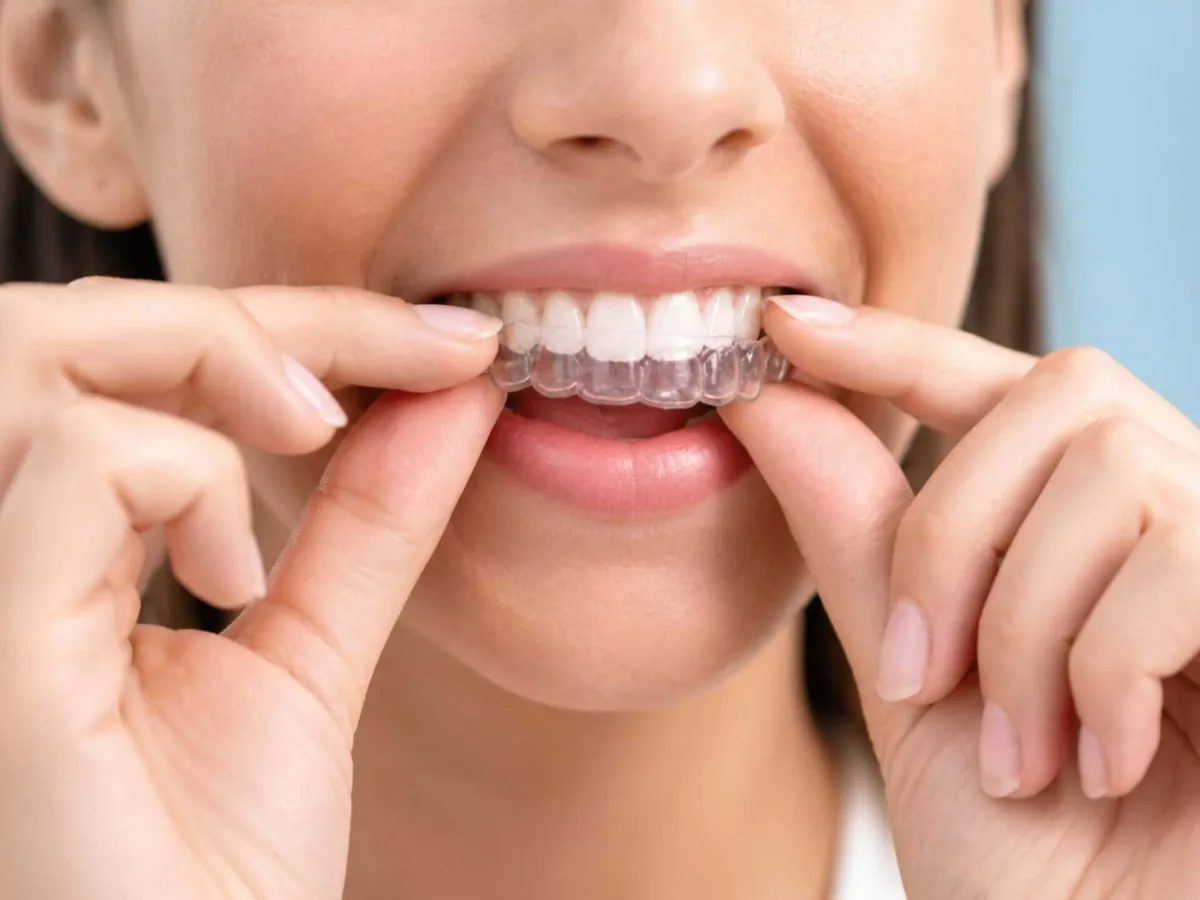
It is also a practical choice for patients who are still in orthodontic treatment or considering Invisalign®, since straightening the teeth first often changes which cosmetic work is even needed. Bonding can serve as a temporary or transitional solution until the full picture is clearer.
Younger patients or anyone unsure of their long-term cosmetic goals often benefit from starting with bonding because it preserves enamel and keeps future options open.
Choosing the Right Next Step in West Covina
A consultation does real work. It is not just a conversation about options you could read about online.
What a Consultation Should Evaluate
A thorough cosmetic consultation checks the health of your enamel, the condition of your gums, your bite alignment, and the degree of cosmetic change you want to achieve. These factors directly influence which treatment will work well for you, not just in theory.
Your dentist should also ask about your daily habits, whether you grind your teeth, what you eat and drink regularly, and how you care for your teeth now. A patient who drinks multiple cups of dark coffee daily and has not had a cleaning in two years will need different guidance than someone who is consistent with preventive care.
Shade selection matters more than many patients expect. Matching new restorations to your surrounding natural teeth requires careful color evaluation in good lighting, and that process is worth doing in person.
Questions to Ask Before You Commit
Walking into a consultation prepared makes the conversation more useful. A few questions worth asking:
Will you need to remove enamel for the treatment you are recommending?
How many teeth are involved, and does treating them together affect the price or outcome?
What is the likely replacement timeline for this specific case?
If I want to change or upgrade later, what are my options?
Is there any orthodontic work, such as Invisalign®, that should come first?
That last question comes up more than you might expect. Patients who straighten their teeth with Invisalign® before cosmetic treatment often need fewer veneers or less bonding to achieve the desired result. Asking about sequencing early can save both time and money.
The decision between porcelain veneers and composite bonding is genuinely personal. What matters most is getting accurate information about your specific teeth, not just general statistics.
Frequently Asked Questions
What Usually Makes Porcelain Veneers Last Longer Than Composite Bonding on a Healthy Smile?
Porcelain is a harder, denser material than composite resin, so it resists daily wear and surface scratching better. The glazed surface of a porcelain veneer also does not absorb stains as resin does, helping the restoration maintain its appearance and structural integrity for a longer period.
How Long Can Composite Bonding on the Front Teeth Stay Looking Natural Before It Needs Touch-Ups?
Most composite bonding on front teeth looks its best for the first two to four years with good care. After that, polishing during regular cleanings can help extend the natural appearance, but many patients choose a full touch-up or replacement between years five and seven.
What Habits Tend to Shorten the Life of Veneers or Composite Bonding, like Grinding or Nail Biting?
Teeth grinding, nail biting, chewing on ice, and biting hard objects all apply excessive force to restorations. These habits shorten the lifespan of both veneers and bonding, though composite bonding tends to show wear and chipping sooner because the material is softer.
How Do the Costs Compare Over Time When You Factor in Repairs and Replacements for Each Option?
Composite bonding costs less upfront but may need replacing two to four times in the same 20-year window that one set of porcelain veneers covers. When replacement appointments are factored in, the long-term cost of bonding can approach or exceed the cost of veneers, depending on how many teeth are involved.
If a Veneer or Bonded Tooth Chips, What Are the Most Common Repair Options and Timelines?
A chipped composite bonded tooth can usually be repaired in the same appointment with fresh resin, often in under 30 minutes. A chipped porcelain veneer typically requires a lab-fabricated replacement, which means two appointments spaced a week or two apart.
How Do I Decide Between Invisalign®, Veneers, or Composite Bonding if My Main Goal Is Straighter-Looking Teeth?
If your teeth are misaligned, Invisalign® addresses the actual position of your teeth, providing the most stable long-term solution. Veneers and bonding can improve the appearance of minor crookedness, but they do not move teeth. A dentist who offers all three options can help you determine whether alignment treatment should come first or whether cosmetic work alone will meet your goals.
Your Next Step Toward a Smile You Feel Good About
Both porcelain veneers and composite bonding can meaningfully improve how your smile looks and how confident you feel. The decision between them comes down to how long you want results to last, how much you want to invest upfront, and what your daily habits and tooth condition actually support.
There is no way to know which option fits your situation without a real evaluation. General guidelines help you prepare for that conversation, but your enamel health, bite, and goals will determine the right path.
Ready to get some real answers about your smile? Call Dentist of West Covina at (626) 239-8978, and the team will find a time that works for you. You can also book your appointment online and get a personalized plan that fits your goals and your schedule, no pressure, no rush.