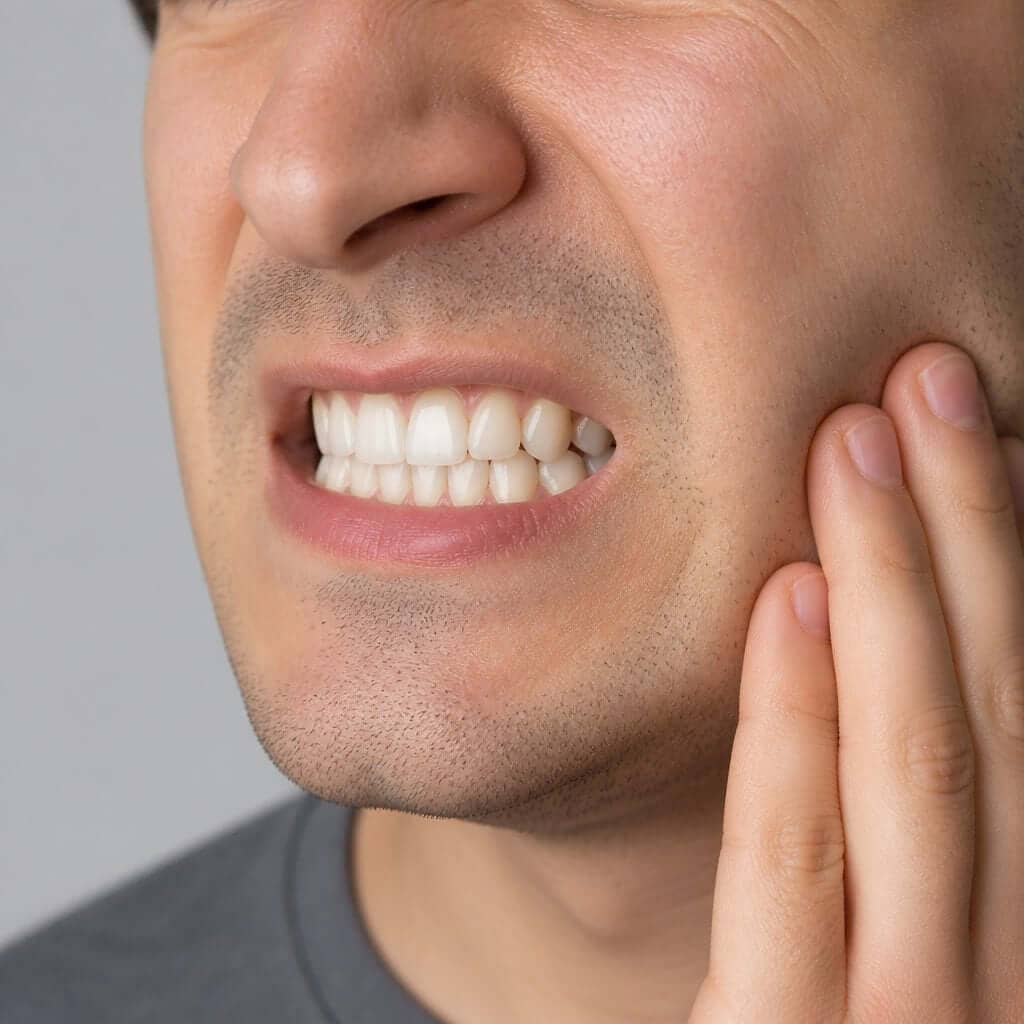
You noticed the gap between your front teeth again this morning, maybe in the bathroom mirror, maybe in a photo from the weekend. And now you are wondering: is this something to actually worry about, or is it just the way your smile looks?
At Dentist of West Covina, we know that question matters more than most people realize, because a tooth gap can be purely cosmetic or a signal that something else is going on with your bite, gum tissue, or tooth alignment. The answer is not the same for everyone, and the right treatment depends entirely on which category yours falls into.
Keep reading to learn how to read the signals your tooth gap is sending, what a dental evaluation actually covers, and which treatment options are best for different situations. Getting clear on this does not have to feel overwhelming, and finding the right path is more straightforward than you might expect.
What a Front Tooth Gap Can Mean
A gap between the front teeth is one of the most common things people notice about their smile, and it can carry a wide range of meanings.
How Diastema Differs From General Spacing
The term diastema refers specifically to a gap between two teeth, most often the two upper front teeth. General spacing refers to situations in which multiple teeth have small gaps distributed across the arch.
Diastema is a single, localized space. It can appear on its own with no other tooth movement involved. General spacing, on the other hand, often reflects a jaw-to-tooth size mismatch across the whole mouth.
The distinction shapes which treatments are even on the table. A single midline gap may be a candidate for composite bonding or veneers. Generalized spacing usually calls for orthodontic treatment, such as Invisalign® or braces, to address the arch as a whole.
When a Gap Is Mostly an Appearance Issue
Some gaps are stable, stay the same size for years, and cause no functional problems at all. If your gap has not changed since childhood, your bite feels even, and your gums look healthy, the concern is likely cosmetic.
Cosmetic gaps tend to be small (often under two millimeters), sit cleanly between otherwise well-aligned teeth, and do not trap food. Many people choose to leave them alone. Others decide to close them for confidence reasons, which is a completely valid reason to explore treatment.
For a purely cosmetic gap, composite bonding is often the most accessible starting point. A dentist can widen the shape of each front tooth slightly using tooth-colored resin, closing the space in a single visit with no removal of tooth structure.
When a Gap Points to Function or Tissue Changes
A gap that has recently appeared in adulthood, or one that seems to be widening, is worth taking more seriously. These changes can signal gum disease with underlying bone loss, a shift in bite pressure, or a tongue-thrusting habit that pushes teeth apart over time.
When gum disease weakens the bone that anchors your teeth, those teeth can drift, and a midline gap may be one of the first visible signs. This is a situation where treating only the gap cosmetically, without addressing the underlying tissue problem, would not hold up over time.
Noticing swollen or tender gums near the midline alongside a widening gap is a meaningful combination. It suggests the space may be driven by something beyond how your teeth simply look at rest.
Self-Check Signs to Watch at Home
You do not need a dental degree to notice early warning signs, and some are surprisingly easy to spot on your own.
Changes in How Your Teeth Meet
Pay attention to how your upper and lower teeth come together when you bite down normally. If it feels uneven, if one side seems to hit before the other, or if you notice jaw fatigue after meals, your bite may be involved.
A gap that contributes to an open bite means your front teeth do not fully meet when your back teeth are touching. This puts extra pressure on your back molars and can gradually cause wear, sensitivity, or jaw discomfort over months and years.
Bite changes are easy to miss because they develop slowly. Many people only recognize something is off when they feel clicking in their jaw or notice they are chewing on one side more than the other.
Shifting Teeth or Widening Space
Take a photo of your smile today and compare it to one from a year or two ago. If the space looks wider, or if nearby teeth appear to have tilted, that is a signal worth bringing to a professional.
Teeth naturally shift over time, but a gap that grows noticeably in a short period is not typical. It often means something is pushing teeth apart, whether that is pressure from a thick frenum, gum tissue changes, or a habit like tongue thrusting.
Widening gaps in adults are among the clearest reasons to book a professional evaluation sooner rather than later, since the causes behind them usually do not resolve on their own.
Gum Tissue Clues Near the Midline
Look at the gum tissue between your two front teeth. Healthy gum tissue in that spot should be firm, pale pink, and triangular. If it looks puffy, red, or bulging, it may indicate inflammation.
A thick band of tissue called the labial frenum runs from the inside of your upper lip down to the gum line between your front teeth. In some people, this band is positioned low enough to physically hold the two teeth apart.
Redness, bleeding when you floss in that area, or tissue that looks different from the gum tissue on either side can all be reasons to get a professional look rather than wait.
What Causes the Space to Form
Knowing the cause of your gap is the single most important factor in choosing the right treatment path.
Natural Tooth Size and Jaw Size Mismatch
If your jaw is wider than the combined size of your teeth, spacing appears naturally across the arch. This type of diastema runs in families and often appears in both parents and children.
It is not a sign that something went wrong developmentally. The teeth are healthy, and the bone is intact. The spacing is simply a proportional difference between two structures. Invisalign® or traditional braces can close these gaps by moving teeth into better positions across the arch.
This cause also tends to be stable, meaning the gap is unlikely to worsen significantly if left alone. That gives patients real time to weigh their options carefully.
Frenum Attachment and Soft Tissue Pull
The labial frenum, the small fold of tissue connecting your upper lip to your gum line, varies widely between people. When it attaches low on the gum and extends between the front teeth, it can physically prevent those teeth from touching.
In children, dentists sometimes recommend waiting to see whether the frenum naturally migrates upward as the permanent teeth fully erupt. In adults, when the frenum is clearly holding the teeth apart, a minor soft-tissue procedure called a frenectomy may be recommended before or after orthodontic treatment to allow the gap to close and remain closed.
Closing a gap caused by a low frenum without addressing the frenum itself is one of the more common reasons a gap reopens after treatment.
Bite Pressure, Habits, and Tooth Movement
Tongue thrust, where the tongue pushes forward against the front teeth during swallowing, creates consistent outward pressure. Over years, this can gradually push the upper front teeth apart.
Missing teeth elsewhere in the mouth change how bite forces are distributed. When a back tooth is gone and not replaced, neighboring teeth drift, and the ripple effect can show up as spacing at the front.
Habits like prolonged pacifier use in early childhood or thumb sucking beyond age 4 can also contribute to front-tooth spacing. These causes require understanding not just the gap itself but the whole bite picture before deciding on a treatment direction.
What a Dental Evaluation Usually Includes
A proper evaluation looks at far more than just the size of the space between your teeth.
Examining Alignment, Contact, and Occlusion
The first thing a dentist assesses is how all the teeth in both arches are aligned and how they contact each other when biting. This goes beyond the gap you can see in the mirror.
Your dentist will check whether your midline (the center of your upper and lower arches) is aligned, whether any teeth are rotated or tipped, and whether your bite is even across both sides. These observations help determine whether the gap is isolated or part of a larger alignment picture.
Evaluation Step | What It Reveals |
Occlusion check | Whether bite is even on both sides |
Midline alignment | Whether arches are centered properly |
Contact point review | Whether adjacent teeth are touching correctly |
Frenum assessment | Whether soft tissue is limiting tooth movement |
Spacing measurement | Exact gap size in millimeters |
Checking Gum Health and Bone Support
Gum health is always evaluated alongside spacing concerns, especially in adults. Healthy gum tissue supports stable teeth. When gum disease is present, the bone underneath can recede, allowing teeth to drift and creating or widening gaps.
Your dentist will check pocket depths (the space between the tooth and gum) and look for signs of inflammation, bleeding, or recession. These measurements take only a few minutes but tell a very clear story about whether tissue health is contributing to the spacing.
Treating gum disease before closing a gap is not optional if both issues are present. Cosmetic work placed over an unhealthy foundation will not hold.
Why Imaging May Be Part of the Visit
X-rays show what you cannot see at the surface: bone levels, root positions, and whether any underlying structural changes are occurring. A dentist evaluating a gap will often want to confirm that bone levels are stable before recommending a treatment path.
For patients where the frenum is suspected as a cause, imaging can also help confirm root positions and spacing before any tissue procedure is planned. Impressions or digital scans may be taken to model the bite accurately and help plan orthodontic or cosmetic treatment.
Treatment Options Based on the Underlying Issue
The right treatment for your gap depends directly on what is causing it and whether the concern is cosmetic, functional, or both.
Composite Bonding for Small Cosmetic Spaces
Composite bonding is a same-day procedure in which tooth-colored resin is shaped and bonded to the surfaces of the front teeth to close a small gap. It requires no removal of natural tooth structure and can be completed in a single visit.
It works best for gaps under two millimeters where the bite and gum tissue are healthy. The result looks natural, and the cost is generally more accessible than other options, typically ranging from a few hundred to around a thousand dollars per tooth.
Bonding does chip and stain more than porcelain over time, so most patients need touch-ups or replacement within three to seven years. For a West Covina patient seeking a faster, lower-cost option before considering a more permanent option, bonding is a practical starting point.
Veneers for Shape and Smile Design Changes
Porcelain veneers are thin shells bonded to the front surface of teeth. They close gaps while also improving color, shape, and proportion, making them a strong choice when a patient wants a more complete change to the smile.
Veneers last significantly longer than bonding, typically ten to fifteen years, and resist staining well. The trade-off is that a thin layer of enamel must be removed to seat them properly, making the process irreversible. Cost generally runs between $2,000 and $5,000 per tooth.
Veneers do not address an underlying bite problem, so if alignment or occlusion issues are present, they need to be resolved first; otherwise, the veneers will be subject to uneven forces that shorten their lifespan.
Braces or Invisalign® for Alignment Correction
When a gap is part of a broader alignment issue, or when it is larger than can realistically be closed with bonding, orthodontic treatment is the appropriate category to explore.
Invisalign®: Clear removable aligners that gradually shift teeth. Well-suited for mild to moderate spacing. Adults often prefer Invisalign® for the discreet appearance.
Traditional braces: Bonded brackets and wires. Effective for larger gaps, complex bite corrections, or cases requiring precise force control.
Retainers post-treatment: Required after either option to hold the corrected position and prevent the gap from reopening.
Invisalign® is a strong fit for many West Covina adults who want to close spacing without metal brackets affecting their appearance during treatment. The key is that an in-person evaluation determines which aligner series and tooth-movement sequence are appropriate.
Choosing the Next Step With Confidence
Taking action on a tooth gap does not mean committing to treatment right away. It starts with getting clear information about what you are actually dealing with.
Questions to Ask Before Starting Treatment
Walking into a consultation with a few prepared questions makes the whole process feel more manageable. Consider asking:
Is my gap purely cosmetic, or is there a functional concern I should know about?
Has the gap changed in size based on what you can see in my records?
Would treating this cosmetically first cause any problems down the road?
Do I need to address gum health or alignment before choosing a cosmetic option?
What happens if I choose not to treat this right now?
These questions move the conversation past "what does it look like" toward "what is actually going on and what makes sense for me." A good dentist will welcome them.
When to Book a Professional Opinion
Book an appointment sooner rather than later if you notice any of the following:
The gap has appeared recently or seems to be getting wider
Your gums near the midline look red, swollen, or bleed when you floss
Your bite feels uneven, or your jaw is sore in the morning
You are experiencing increased sensitivity near those teeth
A back tooth is missing and has not been replaced
If none of those apply and the gap has been stable for years, you still have time to make a thoughtful decision. But a professional opinion costs you nothing more than a visit and gives you the information you need to move forward or feel confident staying where you are.
Frequently Asked Questions
Is the Space Between My Teeth Normal or a Sign of a Bite Issue?
Both are possible, and many gaps are simply genetic with no bite involvement at all. A gap that has been stable since childhood and causes no discomfort is usually cosmetic. A gap that appeared or widened in adulthood is more likely to need a closer look.
When Does a Tooth Gap Affect Chewing, Speech, or Jaw Comfort?
A gap contributes to an open bite when your front teeth do not meet while your back teeth are in contact. This can affect speech, particularly with sounds like "s" or "th," and place extra load on your molars during chewing, which can cause jaw discomfort over time.
What's the Most Comfortable Way to Close a Small Gap: Composite Bonding, Veneers, or Invisalign®?
Composite bonding is the least invasive and involves no tooth reduction, making it the most comfortable entry point for small cosmetic gaps. Veneers require minor enamel preparation. Invisalign® involves no alteration to the teeth themselves but requires consistent wear of aligners.
How Do I Know if I Need Orthodontic Care Instead of Cosmetic Treatment for My Spacing?
If your gap is larger than 2 millimeters, multiple teeth are involved, or your bite is uneven, orthodontic treatment is likely the more appropriate path. Cosmetic solutions like bonding or veneers work best when the surrounding bite is already stable and well-aligned.
Will Closing a Gap Change My Bite, and Could It Create New Problems if Done Wrong?
Yes, it can. Closing a gap without accounting for how the surrounding teeth meet can alter bite forces, leading to wear or sensitivity. This is why a bite evaluation should precede any gap closure treatment, whether cosmetic or orthodontic.
How Long Do Invisalign®, Veneers, and Composite Bonding Take to Close a Gap, and What Do They Typically Cost?
Composite bonding is completed in a single visit, generally costs a few hundred to around one thousand dollars per tooth, and lasts three to seven years.
Veneers take two to three visits, typically cost two thousand to five thousand dollars per tooth, and last ten to fifteen years.
Invisalign® treatment for spacing can take anywhere from several months to over a year, with costs varying based on case complexity.
A Personalized Visit in West Covina
Dr. Hamid Barkhordar and the team at Dentist of West Covina work with adults and teens who are weighing exactly this kind of decision. Whether your gap is something you have lived with your whole life or something you noticed recently, the evaluation will give you a clear picture of what is cosmetic, what is functional, and what your real options are.
Not sure where to start? Request your visit today, and the team will walk through every option with you, no pressure, no rush. You can also call (626) 239-8978 to find a time that works for your schedule.