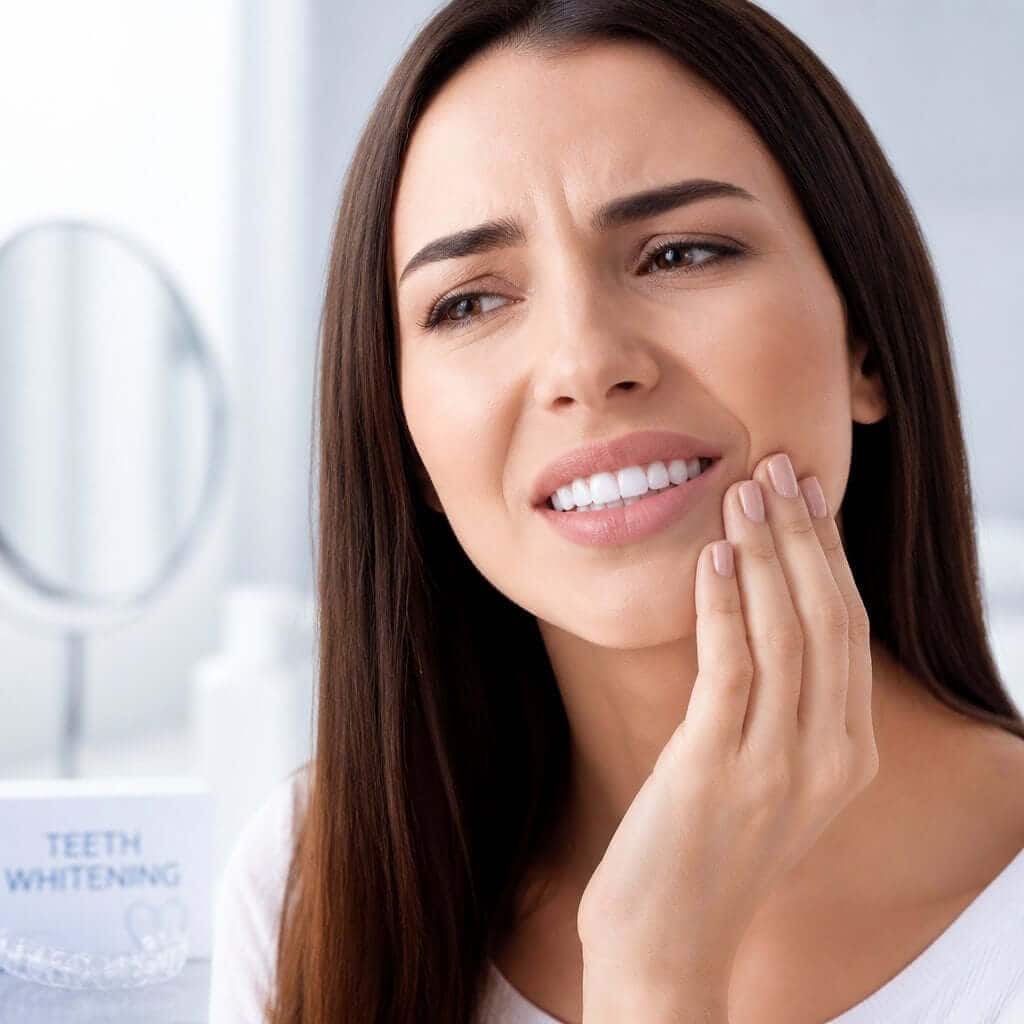
You finished your whitening treatment, looked in the mirror, and loved the result. Then a cold sip of water hit your teeth like a small electric shock. This sudden tooth sensitivity after whitening is a sharp, brief zing that catches many people off guard, making them wonder if something went wrong.
Most of the time, that sensitivity is completely normal and fades on its own within a day or two. Patients at practices around West Covina ask about this more than almost any other post-treatment concern. The good news is that the discomfort has a clear, well-understood cause, and there are practical ways to manage it.
Keep reading to learn exactly what to expect after whitening, which symptoms deserve a closer look, and how to feel more comfortable while your smile settles. At Dentist of West Covina, we believe getting answers to this does not have to be complicated.
What Is Normal After Whitening
Most people experience some degree of sensitivity after whitening, and that reaction is a sign that the treatment worked, not that something went wrong.
Typical Sensations in the First 24 to 72 Hours
The most common sensation is a brief, sharp twinge when your teeth meet something cold, hot, sweet, or even just air. These are sometimes called "zingers," and they tend to peak around the 24- to 48-hour mark. For most people, they are gone within 72 hours.
You might also notice a general dull ache across several teeth rather than one specific spot. This is different from a toothache. It tends to affect multiple teeth at once and is not tied to biting down.
Some patients notice their gums feel slightly tender along the edges closest to the whitening gel. This usually settles within a day if the trays or strips fit properly.
Why Mild Discomfort Does Not Mean Damage
Peroxide-based whitening agents temporarily make your enamel more porous. That allows the bleach to lift stains, but it also makes your teeth briefly more sensitive to external stimuli. The nerve inside the tooth responds, which is where the stinging sensation comes from.
This is transient sensitivity. It is not the same as nerve damage, and it does not mean your enamel has been permanently weakened. Once the whitening agent clears and your enamel reseals, the sensitivity resolves on its own.
Think of it like mild muscle soreness after a workout. Uncomfortable for a day or two, but your body is doing exactly what it is supposed to do. The intensity varies from person to person based on factors you will read about in the next section.
Why Bleaching Can Trigger Nerve Response
The chemistry behind whitening sensitivity is simpler than it sounds, and knowing it helps you predict how your own teeth might respond.
How Peroxide Reaches the Inner Tooth
Whitening gels use hydrogen peroxide or carbamide peroxide as the active ingredient. These molecules are small enough to pass through the enamel layer and reach the softer dentin underneath. Dentin contains tiny fluid-filled channels called dentinal tubules that connect directly to the tooth's nerve.
When peroxide moves through those tubules, it creates a slight fluid shift that the nerve reads as a stimulus. Your tooth does not know the difference between a bleaching agent and an ice cube, so it fires the same pain signal. The stronger the peroxide concentration, the more noticeable that signal tends to be.
Professional-grade whitening treatments used in dental offices typically use higher peroxide concentrations than over-the-counter strips. That means faster results but also a slightly higher chance of noticeable sensitivity. Your dentist can adjust the concentration or application time to reduce that effect.
Why Existing Enamel Wear Matters
If your enamel is already thinner than average, the path from the whitening gel to your nerve is shorter. That shortens the time it takes for sensitivity to kick in and can make the sensation more intense.
Enamel thins over time from acid erosion, aggressive brushing, or just years of normal use. Patients who grind their teeth at night often have worn enamel on the biting edges, which can make whitening more uncomfortable. A quick exam before treatment helps identify whether enamel thinning or exposed dentin root surfaces put you at higher risk.
Enamel Condition | Expected Sensitivity Level | Notes |
Healthy, full thickness | Mild to none | Most patients in this group do well |
Mild erosion or wear | Mild to moderate | May benefit from lower concentration gel |
Significant wear or recession | Moderate to strong | Dentist evaluation recommended first |
Exposed dentin or root surfaces | Strong | Whitening may need to be postponed |
Warning Signs That Need Attention
Mild sensitivity is expected. The following symptoms are not, and they are worth paying attention to.
Sharp Pain That Lingers Between Sips
Normal whitening sensitivity fires briefly and then settles. If you take a sip of cold water and the pain continues for 30 seconds or longer after you swallow, that is a different signal. Lingering pain that does not fade quickly can point to a cavity, a microscopic crack in the tooth, or a nerve that was already inflamed before whitening began.
Gum Irritation That Gets Worse Instead of Better
Mild gum tenderness from gel contact usually settles within 24 hours. If your gum tissue looks white, develops sores, or becomes more swollen on day two or three rather than less, the whitening product likely made prolonged contact with soft tissue. This can happen with ill-fitting trays or strips that were left on longer than directed.
Do not continue whitening until the tissue fully heals. Ongoing irritation that does not resolve within a few days warrants a call to your dentist.
Symptoms That Last Beyond a Few Days
Here is a practical guide to reading your own symptoms:
Sensitivity fades within 24 to 72 hours: Normal post-whitening response
Sensitivity peaks on day two then declines: Still within the expected range
Sensitivity holds steady at day four or five: Worth monitoring closely
Sensitivity gets worse after day three: Schedule a dental visit
Pain isolated to one tooth while others feel fine: Possible cavity or crack
Swelling, throbbing, or pain that wakes you at night: Contact your dentist promptly
The key distinction is direction. Normal sensitivity gets better each day. Sensitivity that stays the same or worsens is your teeth asking for a closer look.
How to Reduce Discomfort at Home
There are real, practical things you can do right now to feel more comfortable without needing a prescription.
Use a Soft-Bristle Brush and Gentle Technique
Your teeth are more reactive in the days after whitening. Brushing with a medium- or firm-bristled brush adds unnecessary mechanical pressure to enamel that is already temporarily more porous. Switch to a soft-bristle brush and use light circular motions rather than back-and-forth scrubbing.
Brush for a full two minutes but ease up on the pressure near the gumline. You still want to clean thoroughly. You just want to avoid adding irritation on top of irritation.
Choose Toothpaste Made for Sensitive Teeth
Toothpastes formulated for sensitivity contain active ingredients like potassium nitrate or stannous fluoride. These work by either blocking the dentinal tubules or calming the nerve's response to outside stimuli. Some research suggests using a desensitizing toothpaste for one to two weeks before whitening can reduce how much sensitivity you feel afterward.
After whitening, apply a small amount of sensitivity toothpaste directly to your teeth and leave it on for a few minutes before rinsing. Some patients find this more effective than just brushing normally.
Avoid Very Hot or Cold Foods Right Away
Your teeth are more reactive to temperature extremes in the 48 to 72 hours after treatment. Skip the iced drinks and very hot coffee during this window.
Lukewarm water or room temperature beverages
Soft foods that require minimal chewing
Avoid acidic foods like citrus, tomatoes, and vinegar-based dressings
Skip very sweet foods, which can also trigger sensitivity
These adjustments are temporary. Most patients can return to their normal diet by day three or four without any issues.
Who Should Be Cautious Before Whitening
Whitening is safe for most healthy adults, but a few situations call for a conversation with your dentist before you start.
Sensitive Teeth Before Treatment
If your teeth were already sensitive before whitening, you are more likely to experience stronger sensitivity after. That does not necessarily mean whitening is off the table. It does mean your dentist should know about it so they can recommend a lower concentration product, shorter application times, or a pre-treatment desensitizing routine.
Cavities, Recession, and Other Risk Factors
The following conditions increase the likelihood of intense or prolonged sensitivity:
Untreated cavities: Peroxide can enter through decay and reach the nerve directly
Gum recession: Exposed root surfaces have no enamel layer protecting them
Cracked teeth: Even small cracks give the whitening agent a path to the pulp
Recent dental work: Newly placed composite restorations or crowns may react differently
Worn enamel from grinding: Thinner enamel means less buffer between the gel and the nerve
If you have any of these risk factors, a dental exam before whitening is the most sensible next step. Treating a cavity or managing recession before you whiten protects you from unnecessary discomfort, and it makes the whitening result more predictable, too.
When to Reach Out for a Professional Evaluation
You do not have to wait until something feels seriously wrong to call your dentist. A quick conversation can save you a lot of uncertainty.
What to Share About Your Symptoms
When you call, be specific about what you are feeling. Your dentist can help you much more efficiently if you can describe the sensation (sharp, dull, throbbing), how long each episode lasts, whether it is in one tooth or many, and when it started relative to your treatment. A photo of any visible gum irritation is also helpful.
How a Dentist Decides Whether Whitening Is a Good Fit
Before recommending professional whitening, a dentist will typically check for signs of enamel wear, active decay, exposed roots, and existing sensitivity. If any of those are present, they might suggest treating those issues first, recommending a lower-strength whitening option, or exploring alternatives like porcelain veneers if the staining is not responding well to bleaching.
Veneers are a good example of a case where the conversation shifts. If a patient has heavy intrinsic staining that bleaching cannot address, thin veneers placed over the front teeth can achieve a bright result without any risk of peroxide-related sensitivity. The right path depends on your starting point.
Frequently Asked Questions
Why do my Teeth Feel Sharp, Sudden "Zingers" After Whitening, and How Long Should I Expect That to Last?
Zingers are brief, sharp sensations caused by peroxide temporarily reaching the nerve through the dentinal tubules. They are the most common form of post-whitening sensitivity and usually peak around 24 to 48 hours. Most patients find them gone by day three.
Is It Normal to Have Nerve-Like Pain After Whitening, or Could This Mean a Cavity or Cracked Tooth?
Mild nerve-like sensitivity across several teeth is normal. If the pain is localized to one tooth, lasts more than 30 seconds after a cold stimulus, or feels like a deep throb, that pattern is more consistent with an underlying cavity or crack that whitening irritated. A dental exam can tell the difference.
What Can I Do Tonight to Calm Severe Sensitivity After Whitening Strips if I Need to Work in the Morning?
Apply desensitizing toothpaste directly to your teeth and leave it on for five minutes without rinsing. Avoid cold drinks and stick to room-temperature foods. An over-the-counter pain reliever taken according to the package directions can also take the edge off while your teeth settle overnight.
Which Over-the-Counter Pain Reliever Is Safest and Most Helpful for Post-Whitening Tooth Pain?
Ibuprofen is generally considered the most effective option for whitening-related sensitivity because it addresses both pain and mild inflammation. Some research suggests that taking it before your whitening session can reduce the sensitivity you feel afterward. Always follow the dosage on the label and check with your pharmacist if you have any health conditions.
Are There Home Steps That Actually Help Sensitivity After Whitening, and Which Ones Can Make It Worse?
Using a sensitivity toothpaste containing potassium nitrate or stannous fluoride, switching to a soft-bristled toothbrush, and avoiding temperature extremes genuinely help. Continuing to whiten your teeth when they are already sensitive, using very hot or cold beverages, and brushing aggressively can all worsen sensitivity and delay recovery.
When Should I Stop Whitening and Schedule a Visit, Especially if the Pain Feels Unbearable or Keeps Coming Back?
Stop whitening immediately if the pain is severe, localized to one tooth, or worsens each day rather than improving. Pain that wakes you up, causes swelling, or returns every time you whiten suggests an underlying issue that needs to be evaluated before treatment continues.
Your Smile Deserves a Comfortable Experience
Sensitivity after whitening is one of those things that sounds scary until you understand what is actually happening. Most of the time, your teeth are simply adjusting, and a few simple steps are all it takes to get comfortable again.
Knowing the warning signs gives you real confidence. If your sensitivity fades in 72 hours, you are right on track. If something feels off, you now know exactly when to act.
Not sure where to start? Request your visit at Dentist of West Covina today, and the team will walk through every option with you, no pressure, no rush. Call (626) 239-8978 or book online to schedule a comfortable, personalized consultation at your convenience.