Missing teeth can make everyday life harder than it should be. Restoring your smile is possible, but keeping it healthy requires the right long-term maintenance habits for healthy dental implants.
At Dentist of West Covina, patients receive guidance on caring for implants with comfort-focused care, modern technology, and personalized treatment plans that support long-term success.
In this guide, you’ll learn the daily routines, professional care, nutrition choices, and lifestyle habits that help protect implants and keep your smile strong for years to come.
Daily Oral Hygiene for Dental Implants
Cleaning dental implants every day helps control plaque and protect the gums around them. Proper brushing, careful flossing, and supportive rinsing habits work together to reduce infection risk and support long-term maintenance habits for healthy dental implants.
Brushing Techniques
Brush your dental implants at least twice a day, just as you would natural teeth. A soft-bristle toothbrush helps clean effectively without scratching the implant surface or irritating your gums.
Choose a non-abrasive toothpaste instead of harsh whitening formulas. These gentler products clean well while helping preserve implant surfaces and gum health.
Hold your toothbrush at a 45-degree angle where the implant meets your gum. Use small circular motions rather than aggressive scrubbing to remove plaque without irritating tissue.
Spend about 30 seconds on each section of your mouth to clean thoroughly. Pay close attention to the area where the implant crown connects to the abutment, since plaque can collect there easily.
Flossing Around Implants
Floss around your dental implants once each day to remove food particles and bacteria your toothbrush cannot reach. Consistent flossing helps prevent gum disease, which can threaten implant stability.
Use implant-friendly floss or unwaxed tape, which tends to be gentler around implant structures. Carefully guide the floss between your implant and neighboring teeth.
Wrap the floss in a C-shape around the implant and move it gently up and down. Avoid snapping floss into place, as that can irritate delicate gum tissue. If traditional flossing feels difficult, a water flosser on medium pressure may help clean around implants more comfortably.
Using Antibacterial Mouthwash
An alcohol-free antibacterial mouthwash can provide additional protection against bacteria linked to infection and gum inflammation.
Swish for 30 to 60 seconds after brushing and flossing to allow the ingredients to reach all areas of your mouth. Mouthwash containing chlorhexidine or cetylpyridinium chloride is commonly used to help manage bacteria.
Avoid rinsing with water immediately afterward so the active ingredients can continue working. For most people, using mouthwash once or twice daily supports overall implant care.
Routine Professional Care
Professional care is a key part of long-term maintenance habits for healthy dental implants. Regular dental visits help monitor implant health and allow early detection of potential concerns.
Regular Dental Checkups
Schedule routine checkups about every six months, similar to visits for natural teeth. Some patients with implants may benefit from more frequent visits, especially during the first year after placement.
During these appointments, your dentist evaluates the implant, surrounding gums, and supporting bone. They look for early signs of inflammation, infection, or changes in stability.
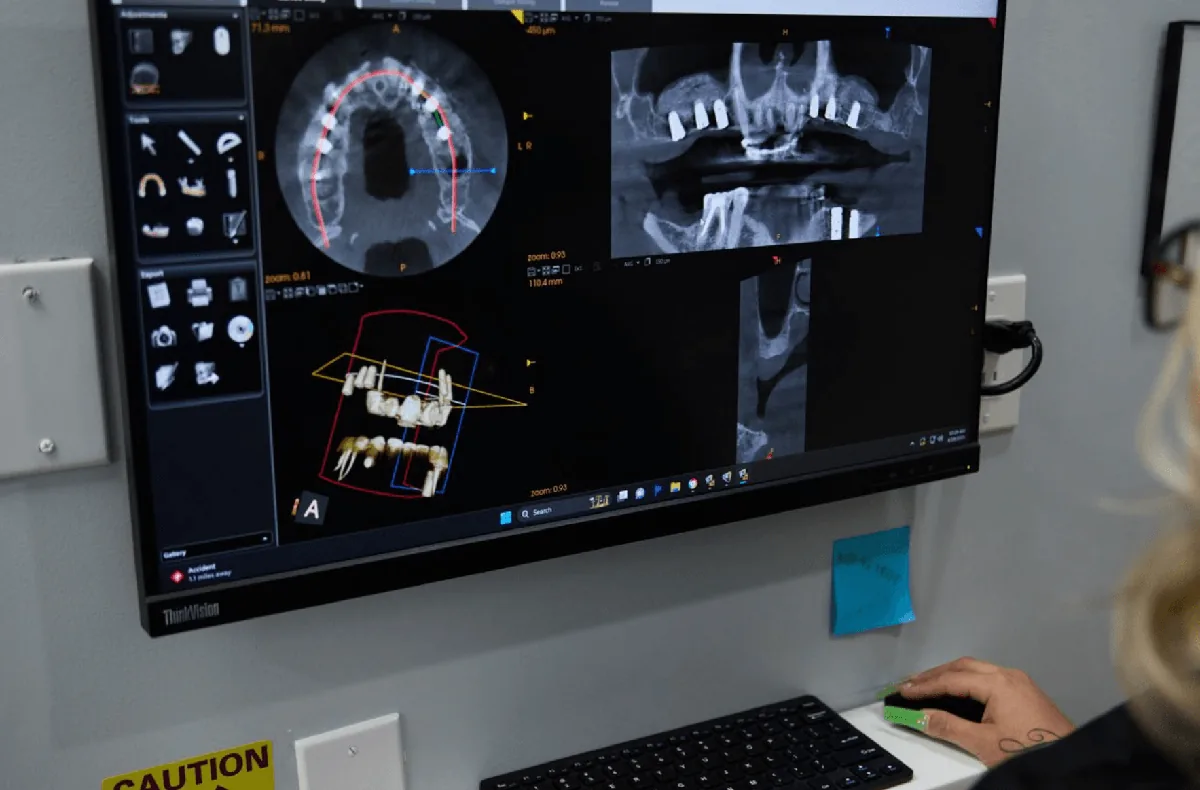
Digital X-rays may also be used to check the bone around the implant below the gumline. Early detection of conditions such as peri-implantitis makes treatment simpler and helps protect long-term results.
Professional Cleanings
Professional cleanings remove plaque and tartar that daily brushing and flossing may miss. Dental hygienists use specialized instruments designed for implant surfaces to avoid scratching them.
These cleanings help control bacteria around the implant and gumline. Maintaining a healthy gum environment is essential for implant longevity.
Most patients benefit from cleanings every six months. Those with previous gum concerns or other risk factors may be advised to visit more frequently.
Monitoring Implant Stability
At each visit, your dentist also checks the stability of the implant within the jawbone. Special tools may be used to evaluate how firmly the implant is anchored.
Bone changes can happen gradually over time. Monitoring stability helps identify early signs of concern before they become larger issues. If changes are detected, your dentist may adjust your care plan to help maintain the implant and protect surrounding tissues.
Smart Nutrition for Implant Longevity
Nutrition plays a meaningful role in supporting long-term maintenance habits for healthy dental implants. A balanced diet helps keep the jawbone and gum tissue strong.
Foods That Support Implant Health
Several nutrients help maintain the tissues that support dental implants.
Calcium
Calcium strengthens the jawbone that anchors dental implants. A strong jawbone helps keep implants stable over time and supports overall oral health. Good sources of calcium include dairy products such as milk, yogurt, and cheese, along with leafy greens like kale and spinach.
Protein
Protein supports tissue repair and healthy gums. It helps the body maintain the soft tissue surrounding dental implants and supports healing. Lean meats, fish, eggs, and beans are excellent protein sources that contribute to long-term implant support.
Vitamin D
Vitamin D helps the body absorb calcium effectively. This process plays an important role in maintaining strong bone that supports dental implants. You can get vitamin D from foods such as fatty fish, egg yolks, and fortified products like certain dairy items or cereals.
Vitamin C
Vitamin C supports gum health and the body’s immune response. Healthy gums help protect the tissue surrounding dental implants. Foods rich in vitamin C include oranges, strawberries, bell peppers, and broccoli.
Key nutrients for implant health
Calcium for strong bone
Protein for tissue repair
Vitamin D for calcium absorption
Vitamin C for gum health
What to Avoid in Your Diet
Certain foods may place unnecessary stress on implant restorations.
Very Hard Foods
Very hard foods, such as ice, hard candy, or unpopped popcorn kernels, can place excessive pressure on implant crowns. Over time, this pressure may damage the restoration or create unnecessary stress on the implant structure.
Sticky Foods
Sticky foods like caramels or taffy can cling to dental restorations and create pulling force when chewing. Limiting these foods may help protect implant crowns and reduce strain on surrounding structures.
Sugary Foods And Drinks
Sugary snacks and beverages encourage bacteria that produce acid in the mouth. These acids can irritate gum tissue around implants, which is why reducing sugar intake supports healthier gums and better implant maintenance.
Acidic Foods And Beverages
Acidic drinks such as coffee, wine, citrus beverages, and tomato-based sauces can sometimes irritate sensitive gum tissue. Rinsing with water afterward may help maintain a healthier balance in the mouth.
Lifestyle Choices and Implant Success
Daily lifestyle habits can also influence the long-term maintenance habits for healthy dental implants.
Avoiding Smoking and Tobacco
Tobacco use can reduce blood flow to the gums and jawbone. This may slow healing and increase the risk of implant complications. Smoking is associated with a higher risk of implant failure because it affects how the body heals and responds to infection.
Quitting tobacco supports better gum health and improves the chances that implants remain stable for many years.
Limiting Alcohol Consumption
Excessive alcohol intake may interfere with the body’s ability to maintain healthy bone. Since implants rely on strong bone support, moderation can be helpful.
Alcohol may also contribute to dry mouth, which reduces saliva that normally helps protect oral tissues. Maintaining moderate drinking habits helps support overall oral health and long-term implant stability.
Recognizing and Managing Implant Issues
Even with excellent care, occasional concerns can develop. Recognizing early signs supports the long-term maintenance habits for healthy dental implants.
Identifying Signs of Implant Complications
Dental implants should feel stable and comfortable, similar to natural teeth. Watch for symptoms such as persistent swelling, redness, or bleeding around the implant site. Healthy gums should not bleed easily.
If an implant or crown begins to feel loose or unstable, it may require evaluation. Persistent bad breath or an unusual taste could indicate bacterial buildup or infection. Changes in bite pressure or discomfort when chewing may also signal a concern.
When to Contact Your Dentist
Contact your dentist if you experience ongoing discomfort or pain that does not improve. Any movement or looseness in the implant or crown should be evaluated promptly.
Swelling, redness, or discharge around the implant site may indicate an infection that requires professional care. Sensitivity or bleeding that continues after gentle brushing may also be a reason to schedule a dental visit.
Protect Your Implant Investment for Years to Come
Healthy implants depend on consistent care, thoughtful lifestyle habits, and regular professional monitoring. When these practices become routine, they support comfort, confidence, and long-lasting results.
At Dentist of West Covina, patients receive guidance on maintaining implants with gentle care and modern techniques. Ongoing checkups and personalized support help keep implants functioning well for years.
If you want to strengthen your long-term maintenance habits for healthy dental implants, professional guidance can help you stay on track. Request an appointment or call our West Covina office to continue protecting your smile.
Frequently Asked Questions
How long do dental implants last with proper care?
Dental implants are designed to be a long-term tooth replacement. With consistent oral hygiene, healthy lifestyle habits, and regular dental visits, many implants can last for decades.
The key is maintaining strong gums and bone around the implant. Following long-term maintenance habits for healthy dental implants helps support stability and reduce the risk of complications.
Do dental implants require special cleaning routines?
Dental implants are cleaned much like natural teeth. Daily brushing, careful flossing, and supportive rinsing habits help remove plaque and protect the surrounding gum tissue.
While the routine is similar to natural teeth, consistency is especially important. Healthy gums play a major role in supporting implants over time.
Can dental implants get infections?
Yes, implants can develop infections in the surrounding gum tissue. This condition is called peri-implantitis, which involves inflammation around the implant and may affect supporting bone if not addressed early.
Maintaining strong hygiene habits and attending regular dental visits helps detect and manage concerns before they progress.
What foods should I avoid with dental implants?
Very hard foods like ice or unpopped popcorn kernels may place stress on implant restorations. Sticky foods such as caramels can also pull on crowns attached to implants.
Most people can enjoy a wide range of foods after healing. Choosing balanced meals and limiting sugary snacks helps support long-term maintenance habits for healthy dental implants.
How often should I visit the dentist after getting dental implants?
Routine dental visits are typically recommended every six months, though some patients may benefit from more frequent checkups depending on their oral health history.
These visits allow your dentist to monitor implant stability, evaluate gum health, and remove plaque or tartar that brushing alone may miss.
What are the early signs that something may be wrong with an implant?
Healthy implants should feel stable and comfortable. Warning signs may include persistent swelling, bleeding gums, unusual sensitivity, or a loose crown. If you notice any of these symptoms, scheduling a dental visit promptly can help address concerns and support the long-term health of your implant.