Missing teeth, loose dentures, or trouble chewing can make everyday life harder. These changes may feel small at first, but they are often early indicators that you could benefit from an implant consultation.
At Dentist of West Covina, patients receive gentle evaluations using modern technology and personalized treatment planning designed to keep care comfortable and clear.
This guide explains what implant consultations involve, the warning signs to watch for, and how early evaluation can help protect your smile, comfort, and long-term oral health.
What Is An Implant Consultation?
Your first implant consultation is a meeting with a dental professional to determine whether implants could be a good option for your situation. The dentist carefully evaluates your teeth, gums, and jawbone.
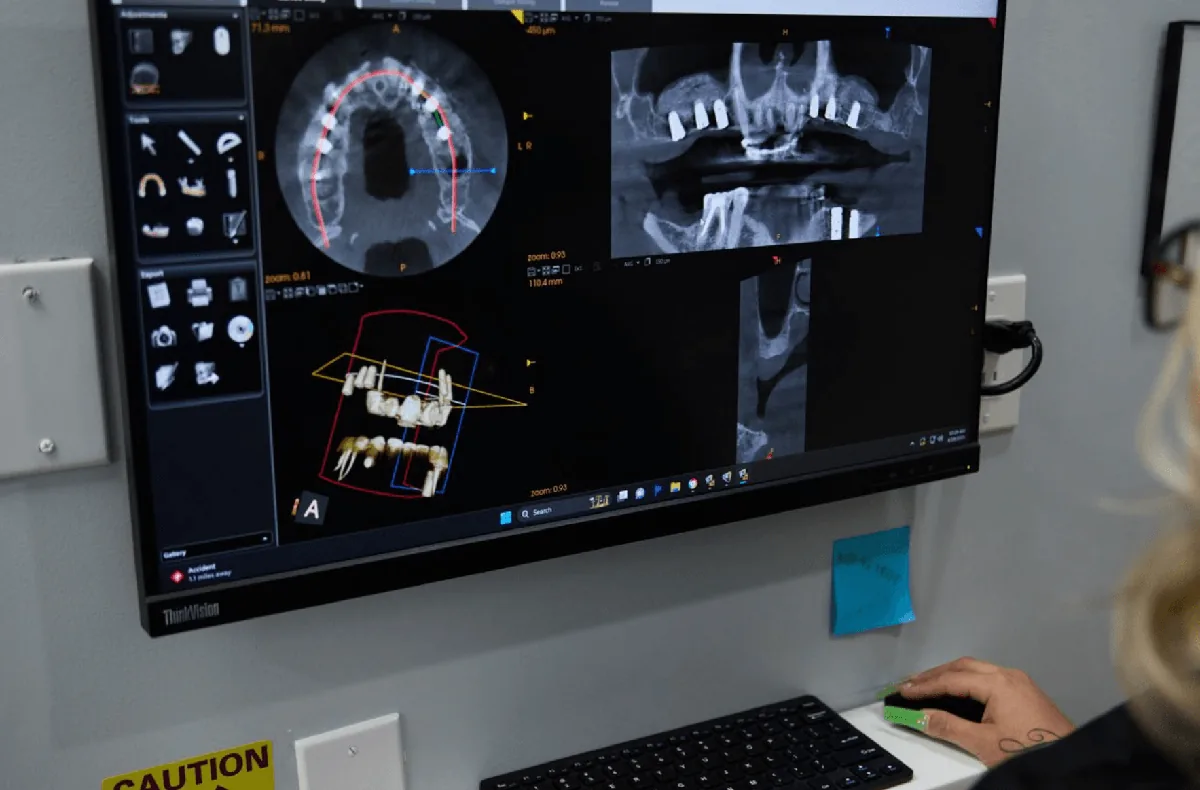
You will review your medical history and medications. Imaging, such as X-rays or 3D scans, may be used to understand the condition of your jawbone and surrounding structures.
This appointment also gives you time to ask questions about treatment timelines, expected outcomes, and possible costs. The dentist explains the process step by step, and there is no obligation to move forward after the consultation.
Types of Dental Implants
Different implant options are available depending on how many teeth are missing and the health of your jawbone.
Single Tooth Implants
Single tooth implants replace one missing tooth using an artificial root placed in the jawbone and a custom crown on top. This option restores function and appearance while avoiding changes to neighboring teeth.
Implant-Supported Bridges
Implant-supported bridges replace several missing teeth in a row. Instead of relying on surrounding natural teeth, the bridge is secured by two or more dental implants, which improves stability and support.
All-on-4 Or All-on-6 Implants
All-on-4 or All-on-6 implants replace a full arch of missing teeth using four to six strategically placed implants. These implants support a complete set of replacement teeth, offering a stable option for patients missing most or all teeth.
Mini Implants
Mini implants are smaller in diameter than traditional implants and may be considered when jawbone width is limited. They often involve a less complex placement process and can provide support for certain tooth replacement solutions.
Benefits of Early Assessment
Seeking an evaluation early can help identify oral health issues before they progress. Jawbone loss often begins after a tooth is missing, which can make implant placement more complex later.
An early consultation may provide more treatment options and reduce the need for additional procedures such as bone grafting.
Untreated missing teeth can also cause surrounding teeth to shift. Over time, this may affect your bite and place extra stress on your jaw joints.
Common Oral Health Issues Signaling The Need For Implants
Some dental problems act as clear signals that a professional evaluation may be needed. Persistent discomfort, loose teeth, and recurring infections are common examples.
Persistent Tooth Pain Or Sensitivity
Ongoing tooth pain that lasts more than a few days should be evaluated. In some cases, the tooth may be too damaged for treatments such as fillings or crowns.
Sharp pain while biting or constant throbbing can indicate problems affecting the tooth’s root or nerve. If decay reaches deep layers of the tooth, preserving it may become difficult.
Sensitivity that lingers after eating hot or cold foods can also indicate damage to the tooth structure. When a tooth cannot be saved, a dental implant may help restore normal function.
Loose Or Missing Teeth
Adult teeth should remain stable. A loose tooth often suggests damage to the bone or tissues that support it.
Common causes include:
Bone loss from infection
Dental trauma
Long-term teeth grinding
Missing teeth can also affect nearby teeth. Over time, neighboring teeth may shift into the open space, while the underlying jawbone gradually shrinks without stimulation from chewing. If left untreated, one missing tooth can increase the risk of additional tooth loss.
Repeated Dental Infections
Frequent infections in the same tooth often indicate a deeper problem. While antibiotics may temporarily reduce symptoms, they do not remove the underlying cause.
Recurring abscesses at the root of a tooth may suggest bacteria are entering damaged tissue. In some cases, a root canal may help. However, severely affected teeth may require removal and replacement.
Signs of infection can include swelling, discomfort, or a persistent unpleasant taste in the mouth. These symptoms should be evaluated promptly.
Functional Challenges That May Indicate Implant Solutions
Missing or damaged teeth can affect daily activities such as eating and speaking. These issues often become more noticeable over time.
Difficulty Chewing Or Biting
When teeth are missing or weakened, chewing can become challenging. Many people begin avoiding foods that require more effort to chew, such as meats, raw vegetables, or firm fruits.
These dietary changes may affect overall nutrition. Some people also begin chewing primarily on one side of the mouth, which may contribute to jaw discomfort.
If everyday foods become difficult to eat, it may be one of the early indicators that you could benefit from an implant consultation.
Speech Changes Or Difficulty
Teeth play an important role in forming certain sounds. Missing teeth, especially near the front of the mouth, may affect speech clarity.
Sounds such as “s,” “t,” and “f” rely on contact between the tongue and teeth. Without that contact, speech may sound different or require extra effort.
Loose or shifting dentures may also affect speech. A stable tooth replacement option can help restore confidence when speaking.
Shifting Or Misaligned Teeth
When a tooth is lost, nearby teeth often begin drifting toward the empty space. This movement can create gaps, crowding, or changes in bite alignment.
As teeth shift, cleaning between them may become more difficult. This can increase the risk of cavities and gum disease. Replacing missing teeth helps maintain proper spacing and alignment, supporting long-term oral health.
Physical And Aesthetic Changes To Look For
Some signs of tooth loss appear in subtle changes to your facial appearance or gum health.
Changes In Facial Structure
Missing teeth may gradually change the shape of the face. Without tooth roots stimulating the jawbone, the bone may slowly shrink.
This process, known as bone resorption, can cause cheeks to appear sunken or the lower face to look shorter. Dental implants function similarly to natural tooth roots, helping stimulate the jawbone and support facial structure.
Gum Recession Around Teeth
Gum recession near areas of tooth loss can signal underlying bone changes. Without a tooth present, the surrounding tissues may begin to recede.
You might notice teeth appearing longer or the gumline looking uneven. Exposed root surfaces may also feel sensitive to temperature changes. These areas can become more vulnerable to decay or damage if left untreated.
Ill-Fitting Dentures Or Bridges
Dentures or bridges that once felt comfortable may become loose over time. This can happen as the jawbone gradually changes shape after tooth loss. People may rely on additional adhesive or notice dentures moving during speaking or eating.
Traditional bridges can also place extra pressure on neighboring teeth. If existing restorations feel unstable, an implant consultation may help identify alternative solutions.
Lifestyle And Personal Factors Impacting Candidacy
Your health habits and long-term goals also influence whether dental implants may be appropriate.
Desire For Long-Lasting Results
Dental implants are designed to function as durable tooth replacements. With proper care and regular dental visits, they may last many years.
Candidates for implants typically have healthy gums and adequate jawbone support. Overall health also plays a role in healing after treatment.
Factors that support successful outcomes include:
Maintaining good oral hygiene
Avoiding tobacco use
Attending regular dental checkups
Having stable jawbone health
A consultation helps determine whether implants align with your long-term oral health goals.
Preference For Low-Maintenance Solutions
Many patients look for tooth replacement options that fit easily into daily life. Implants are cared for much like natural teeth through brushing, flossing, and professional cleanings.
Unlike removable dentures, implants remain fixed in place and do not require adhesives or nightly removal. For patients seeking a stable, natural-feeling solution, implants may provide a convenient option worth discussing with a dental professional.
A Healthier Smile Starts With The Right Evaluation
Recognizing the early indicators that you could benefit from an implant consultation can help you protect your oral health and explore solutions before problems progress.
At Dentist of West Covina, patients receive compassionate care, modern treatment planning, and personalized guidance designed to support comfort and confidence.
If you are noticing changes in your smile or daily comfort, a professional evaluation can provide clarity and next steps. Request an appointment or call our West Covina office to learn more about options that support a healthier, more confident smile.
Frequently Asked Questions
What Are The Early Indicators You Could Benefit From An Implant Consultation?
Common signs include missing teeth, loose teeth, frequent infections, difficulty chewing, and shifting dentures or bridges. You may also notice changes in speech or bite alignment.
These symptoms often suggest that the tooth structure or supporting bone may need professional evaluation. A consultation helps determine whether implants or another treatment option could restore stability and function.
Is An Implant Consultation Painful?
An implant consultation is typically comfortable and non-invasive. The appointment usually involves a visual exam, imaging such as X-rays or 3D scans, and a conversation about your oral health goals.
The dentist explains possible treatment options and answers questions so you can understand what may work best for your situation.
How Do Dental Implants Help With Missing Teeth?
Dental implants act as artificial tooth roots placed in the jawbone to support replacement teeth. Once healed, they help restore chewing ability, maintain bone health, and stabilize surrounding teeth.
Because implants integrate with the jawbone, they often feel and function similarly to natural teeth.
Who Is A Good Candidate For Dental Implants?
Many adults with healthy gums and sufficient jawbone support may be candidates for implants. Lifestyle factors, overall health, and oral hygiene habits can also influence treatment planning.
A consultation helps determine whether implants are appropriate and what steps may be recommended for long-term success.
How Long Do Dental Implants Last?
With proper care, dental implants are designed to provide long-term stability. Many implants can last for many years when patients maintain good oral hygiene and attend regular dental visits.
Your dentist will review your oral health and habits to help determine the most suitable approach for lasting results.
When Should You Schedule An Implant Consultation?
If you notice missing teeth, discomfort while chewing, loose restorations, or shifting teeth, it may be time to schedule an evaluation.
Early assessment can help identify concerns before they progress and may expand the treatment options available for restoring your smile.