Dental pain can strike suddenly and disrupt your entire day. When that happens, many people immediately search for “how to prepare for an emergency dental visit near me” to get relief quickly and avoid further complications.
At Dentist of West Covina, patients receive comfort-focused care using modern technology and personalized treatment plans designed to address urgent dental concerns while helping reduce anxiety.
Understanding how to prepare for an emergency dental visit near you can make the experience much smoother. Below, you’ll learn how to recognize a true emergency, what to bring to your appointment, and what to expect during treatment.
Identifying Signs Of A Dental Emergency
Not every toothache requires urgent care, but some symptoms should never be ignored. Knowing the difference helps you seek treatment at the right time.
Common Emergency Dental Issues
A knocked-out tooth is one of the most urgent dental emergencies. If treated quickly, there may be about 30 minutes to an hour to save it.
Severe toothaches that do not respond to pain medication may signal an infection deep inside the tooth. A cracked or broken tooth that exposes inner layers can cause pain and increase the risk of infection.
Bleeding in the mouth that does not stop after 10 minutes should be evaluated promptly. Swelling in the gums, face, or jaw may also worsen quickly. Lost fillings or crowns expose sensitive tooth structure. Facial injuries involving the teeth or jaw should always be checked by a dental professional.
When To Seek Immediate Care
If a tooth has been knocked out completely, contact an emergency dentist immediately. Timing plays an important role in saving the tooth.
Facial swelling that affects breathing or swallowing is a medical emergency. Bleeding that continues after applying pressure for 10 minutes also requires urgent attention.
Pain that prevents eating, sleeping, or functioning normally should be evaluated quickly. A high fever with dental swelling or pain may indicate a spreading infection.
Any trauma to the teeth or jaw after an accident should be examined right away. If you cannot reach a dentist and the symptoms are severe, visiting the emergency room may be necessary.
Symptoms That Require Urgent Attention
Severe, persistent pain that does not improve with over-the-counter medication can signal a serious issue.
Watch for these symptoms:
Swelling in the face, gums, or neck
Pus or unusual drainage near a tooth
A persistent unpleasant taste in the mouth
Difficulty opening the mouth or swallowing
Numbness in the mouth or face
A loose adult tooth is not normal and requires prompt care. Excessive gum bleeding without a clear cause also signals the need for urgent evaluation.
Immediate Steps To Take Before Your Visit
Understanding “how to prepare for an emergency dental visit near me” includes knowing what to do in the first few minutes after an injury or sudden pain. Quick, calm actions may help protect your teeth and reduce discomfort.
Managing Pain And Swelling
Rinsing with warm salt water can help cleanse the area and reduce bacteria. This gentle rinse may provide temporary comfort.
Over-the-counter pain medications such as ibuprofen or acetaminophen may help manage discomfort when taken as directed. Avoid aspirin if there is bleeding, as it may worsen it.
A cold compress placed on the outside of the cheek for about 15 minutes at a time may help reduce swelling and provide mild numbing relief. Avoid placing pain medication directly on the gums. This can irritate the tissue. It is also helpful to avoid very hot or very cold foods until you receive care.
Handling A Knocked-Out Tooth
If a tooth is knocked out, pick it up by the crown, the visible part of the tooth. Avoid touching the root because it contains delicate cells needed for reattachment. If the tooth is dirty, rinse it gently with clean water. Do not scrub or remove attached tissue.
If possible, carefully place the tooth back into its socket, then gently bite on gauze to hold it in place. If that is not possible, place the tooth in milk or saliva to keep it moist. Seeking treatment quickly is critical. Prompt care greatly increases the chances of saving the tooth.
Dealing With Broken Or Chipped Teeth
If pieces of a tooth break off, save them if possible. Store them in a clean container and bring them to your appointment. Rinse your mouth gently with warm water. If bleeding occurs, apply gauze and light pressure until it stops.
If a sharp edge irritates your tongue or cheek, covering it with dental wax or sugar-free gum may provide temporary protection. Avoid chewing on the affected side and choose softer foods until you receive treatment.
Finding An Emergency Dentist Near You
When facing dental pain, knowing “how to prepare for an emergency dental visit near me” also means knowing how to locate care quickly. Several tools can help you connect with a dentist who offers urgent appointments.
Using Online Directories And Reviews
Online dental directories allow you to search for emergency dentists by location. Many listings show offices that accept same-day visits or urgent appointments. You can often filter results by insurance coverage, office hours, or specific dental services.
Reading patient reviews may also help you understand wait times and patient experiences. Looking at several review platforms can provide a clearer picture. Verified listings help ensure the contact information and availability are accurate.
Contacting Local Clinics And Hotlines
Your regular dentist may offer emergency services or provide an after-hours contact number. Calling the office, even outside regular hours, may provide instructions through voicemail.
Dental helplines or referral services can also connect you with nearby emergency care. Hospitals with dental departments may treat urgent cases, although calling ahead can help confirm availability. Some urgent care centers may also provide initial guidance or referrals.
Gathering Essential Information For Your Appointment
Part of preparing for an “emergency dental visit near me” is bringing the right information to your appointment. Having documents ready can save time and help the dental team focus on treatment.
Emergency Contact And Insurance Details
Bring your dental insurance card so the office can verify coverage and process claims. If you do not have insurance, many dental offices can discuss payment options or financing for urgent treatment.
It is also helpful to have the name and phone number of an emergency contact person. Bring a photo ID and be ready to confirm your phone number and address.
Relevant Medical History
Share any health conditions such as diabetes, heart disease, or high blood pressure. These conditions may influence treatment decisions.
Always inform the dental team about allergies, including medications or latex. If you are pregnant or think you may be pregnant, mention this before treatment begins. Past dental procedures, including crowns, implants, or previous surgeries, may also be relevant.
List Of Current Medications
Prepare a list of all medications you currently take, including prescriptions, over-the-counter drugs, vitamins, and supplements. Include the name, dosage, and frequency for each medication.
Blood thinners, heart medications, and diabetes medications are especially important for dentists to review. Bringing medication bottles can help avoid confusion about names or dosages.
What To Expect During An Emergency Dental Visit
Emergency dental visits often follow a clear process focused on relieving pain and diagnosing the problem. Understanding “how to prepare for an emergency dental visit near me” can help you feel more confident about what will happen next.
Typical Procedures And Treatments
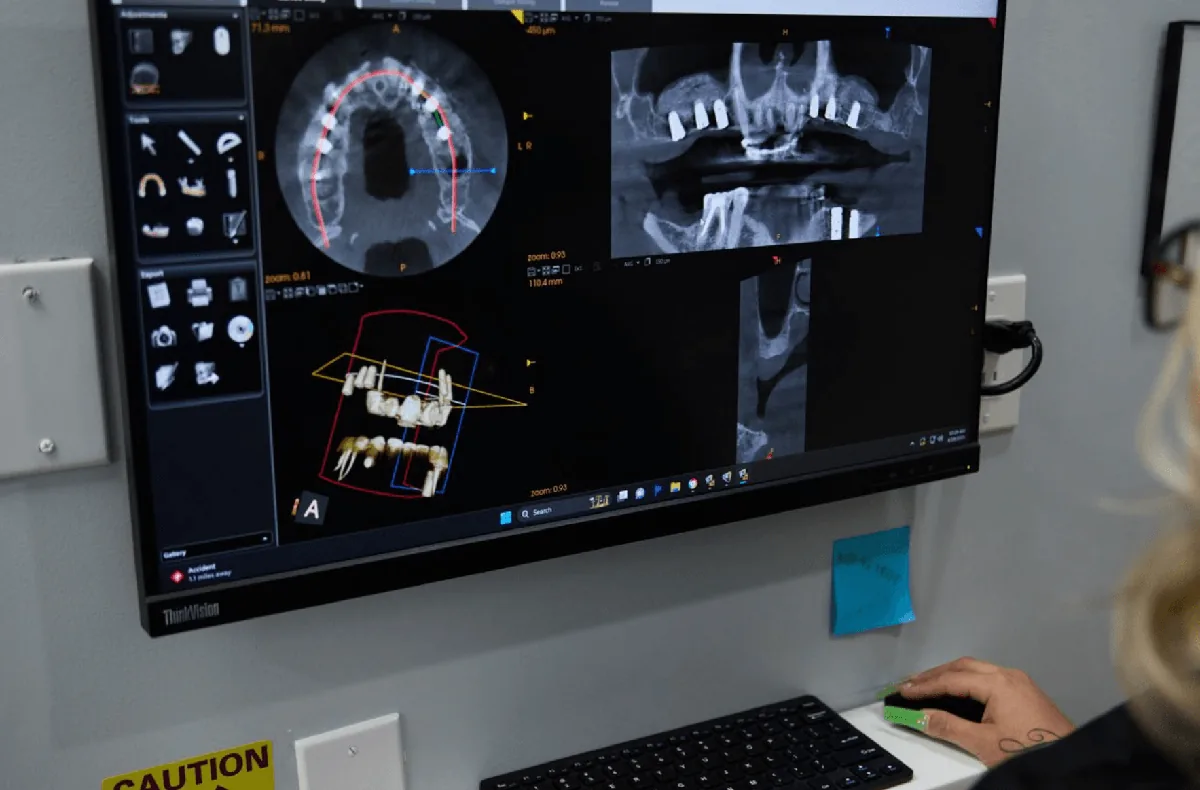
When you arrive, the dental team will ask about your symptoms and pain level. They may also ask when the problem started and what seems to worsen it. The dentist will examine your mouth and may take dental X-rays to evaluate areas beneath the surface.
Common emergency treatments may include:
Medication for infection or pain relief
Temporary fillings for damaged teeth
Tooth extraction when a tooth cannot be saved
Root canal therapy to treat infected teeth
Re-cementing crowns or bridges
The main goal is to relieve discomfort and stabilize the situation. In some cases, temporary care is provided until a follow-up visit can complete treatment.
Questions To Ask Your Dentist
Before treatment begins, ask about payment options and insurance coverage for emergency services.
Helpful questions may include:
What caused this dental emergency?
Will I need additional treatment after today?
When should I schedule a follow-up visit?
What medications may be recommended?
Are there foods or activities I should avoid?
Clear explanations help you understand the condition and recommended treatment. Do not hesitate to ask questions if something is unclear. Knowing how to care for your mouth after treatment can help prevent complications and support healing.
Taking The Stress Out Of Dental Emergencies
Dental emergencies can feel overwhelming, but knowing how to prepare for an emergency dental visit near me can make the experience more manageable. Quick action, preparation, and clear communication with your dental team all support faster relief and better outcomes.
At Dentist of West Covina, patients receive compassionate care with modern technology and flexible appointment scheduling designed to make urgent visits as comfortable as possible.
If you are experiencing a dental emergency or want guidance on the next steps, you can request an appointment or call our West Covina Office for prompt support.
Frequently Asked Questions
What counts as a dental emergency?
A dental emergency usually involves severe pain, trauma, swelling, or bleeding that requires immediate attention. Examples include a knocked-out tooth, intense toothache, broken tooth, or signs of infection, such as swelling in the face or gums. If symptoms interfere with eating, speaking, or sleeping, it is often best to seek urgent dental care as soon as possible.
How do I know if I should search “how to prepare for an emergency dental visit near me”?
Many people search for “how to prepare for an emergency dental visit near me” when they experience sudden pain, dental trauma, or damage to a tooth or restoration. Preparing ahead of your visit can help you feel calmer, bring the right information, and make the appointment more efficient for both you and your dental team.
What should I bring to an emergency dental appointment?
Bringing the right information can make the visit smoother. Helpful items include a photo ID, dental insurance card, emergency contact information, and a list of current medications. If a tooth or dental restoration has broken, bringing any pieces you can safely collect may also help your dentist evaluate treatment options.
Can a knocked-out tooth be saved?
In some cases, a knocked-out tooth can be saved if treatment happens quickly, often within about an hour. Keeping the tooth moist and seeking immediate dental care may improve the chances of successful reattachment.
Will an emergency dental visit fix the problem right away?
Emergency dental visits typically focus on relieving pain, stabilizing the tooth, and preventing the problem from worsening. In some situations, temporary treatment is provided during the emergency visit, and a follow-up appointment may be scheduled to complete long-term care.
Is it normal to feel anxious during a dental emergency?
Yes, it is very common to feel anxious when dealing with sudden dental pain or injury. Dental emergencies often happen unexpectedly, which can make the situation feel overwhelming.
Knowing “how to prepare for an emergency dental visit near me” and understanding what to expect during the appointment can help reduce stress and make the experience feel more manageable.