Missing teeth can affect how you eat, speak, and feel about your smile. Many people also worry about pain, healing, or whether implants are even an option for them. It’s normal to wonder who is a candidate for modern dental implant treatment before taking the next step.
At Dentist of West Covina, care is designed to be calm, supportive, and focused on your comfort. Modern tools and personalized planning help reduce discomfort and remove a lot of the fear people associate with dental procedures.
This guide explains who may qualify, what factors matter most, and what options exist if implants are not the right fit today. You’ll also find reassurance for anxious patients and clear answers to common questions.
What Are Dental Implants?
Dental implants are small titanium posts placed into your jawbone to act like roots for missing teeth. Once the implant bonds with your bone, a custom crown or bridge is attached to restore how your smile looks and works.
This can make chewing and speaking easier compared to traditional dentures. Implants are designed to feel and function like natural teeth. Because they anchor to your bone, implants can help reduce bone loss that may happen after tooth loss. With proper care, many patients find implants comfortable, stable, and long-lasting.
Advancements In Implant Technology
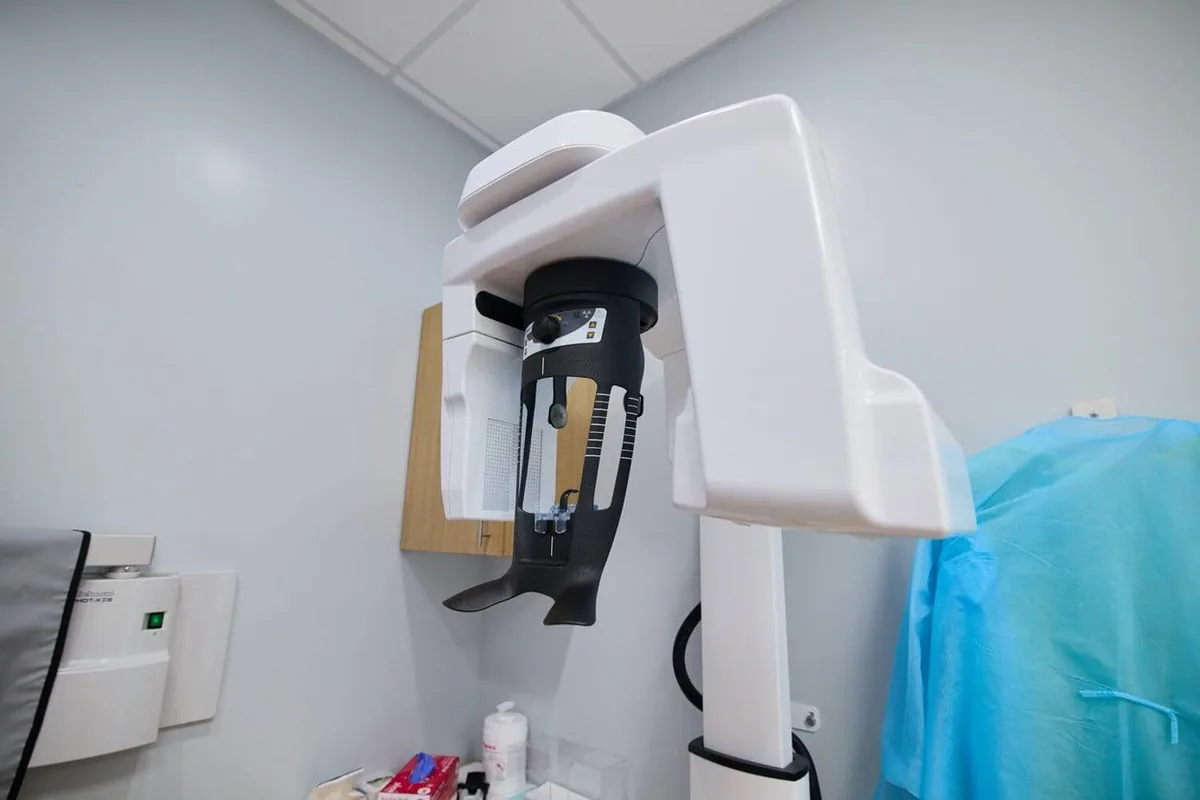
Recent advances have made implant visits faster and more comfortable for many patients. With digital imaging and 3D scans, dentists can plan implant placement with more precision.
This can reduce surgery time and support smoother healing. New implant surfaces may help the bone bond more strongly to the implant, which can improve stability.
Some methods allow for “same-day implants,” where you leave with temporary teeth while the implant heals. These advances support gentle care and efficient visits focused on your comfort.
Types Of Dental Implants
There are several types of implants to match different needs:
Single Tooth Implants: Replace one missing tooth with a crown.
Implant-Supported Bridges: Replace two or more teeth using implants to hold a bridge.
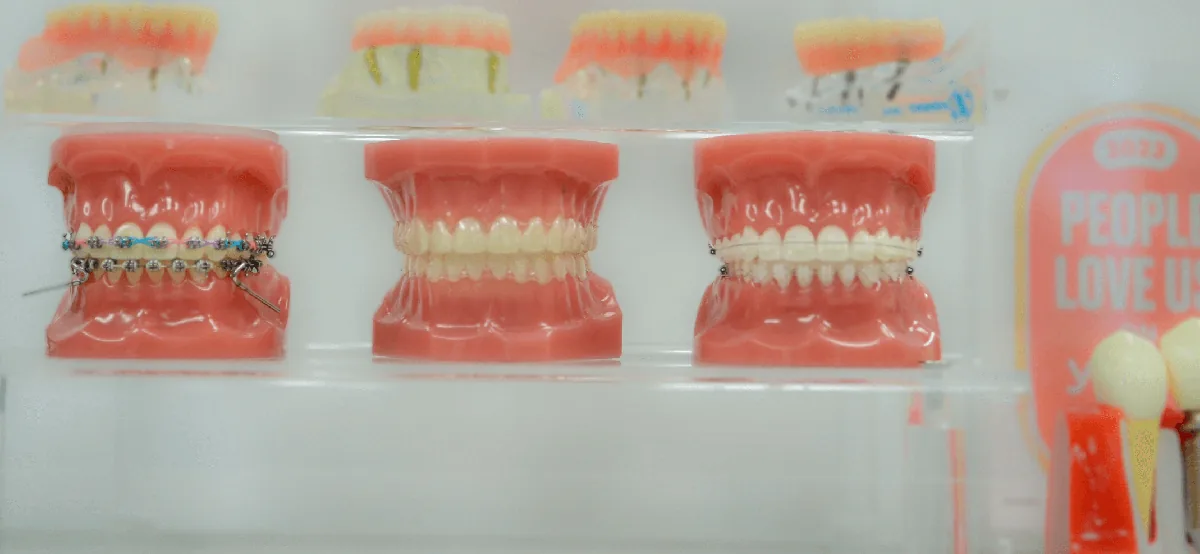
All-On-4 Implants: Use four implants to support a full arch of teeth for patients missing many teeth.
Implant-Supported Dentures: A removable or fixed denture anchored by implants for more stability.
Your dentist will recommend an option based on your health, jaw condition, and smile goals. The plan should always feel personalized.
Who Qualifies For Dental Implants
To decide who is a candidate for modern dental implant treatment, dentists look at your overall health, jawbone strength, and oral condition. The goal is to place the implant safely and support long-term success. Your dentist will review these areas carefully before starting. It’s not a one-size-fits-all situation.
General Health Requirements
Good general health supports dental implant success. You need to be well enough for minor surgery and able to heal afterward.
Chronic conditions like uncontrolled diabetes or heart disease can slow healing or raise risk. Smoking can also reduce success because it slows healing and increases the chance of implant complications.
Certain medications or treatments that affect the immune system can matter, too. Your dentist will review your health history so the plan is safe and realistic.
Adequate Jawbone Density
Your jawbone needs to be thick and strong enough to hold the implant firmly. The implant works like a tooth root, anchoring a crown or bridge.
If the bone is too thin or soft, the implant may not be stable. If bone loss has occurred, a bone graft may be recommended.
A bone graft helps rebuild bone to create a stronger foundation. Many offices use 3D imaging to evaluate bone quality and decide whether additional treatment is needed before implant placement.
Oral Health Considerations
Healthy gums and a clean implant area are key to success. Active gum disease or infection can increase the chance of implant failure.
Your dentist will treat decay, gum problems, or infection before moving forward. You also need to commit to good oral hygiene and regular dental visits.
Brushing, flossing, and professional cleanings help protect implants for years. If you grind your teeth, a night guard may be recommended to protect your new restoration.
Ideal Candidates For Modern Dental Implants
If you’ve lost one or more teeth, want a stable replacement, and have healthy gums, you may be a good fit. Your habits, including smoking, can also affect who is a candidate for modern dental implant treatment.
Adults With Missing Teeth
Modern dental implants are often used for adults who have lost teeth due to injury, decay, or other dental issues. You need enough healthy jawbone to support implant posts, which act like tooth roots.
If your jawbone is weak, bone grafting might be recommended first. It’s also important that your gums are healthy and free from infection before implant placement.
Conditions like gum disease can affect healing and how well the implant bonds. Your dentist will evaluate your oral health to confirm you’re ready for implants.
Patients Seeking Stable Tooth Replacement
If you want teeth that stay firmly in place, implants may be a strong option. Unlike traditional dentures, implants attach to your jawbone to create a stable foundation.
This can reduce slipping or clicking while eating, speaking, or smiling. Implant-supported bridges or dentures can also feel more natural for patients who want a longer-term solution.
Implants can help you chew more comfortably and support jawbone health over time. That support can make a meaningful difference as the years go by.
Non-Smokers And Smoking Considerations
Not smoking can improve implant success. Smoking can slow healing and increase the risk of implant failure.
If you smoke, your dentist may discuss reducing or quitting before treatment. Being upfront helps your care team plan around your needs and support your healing.
Factors That May Affect Candidacy
Your overall health, age, and certain medications can influence candidacy. These factors affect how well your body can heal and support the implant.
Understanding them helps you make a clear decision about who is a candidate for modern dental implant treatment. Sometimes, there are steps to take first.
Medical Conditions Impacting Eligibility
Some health conditions make healing after implant surgery more difficult. Uncontrolled diabetes may increase the risk because healing can be slower.
Autoimmune diseases and some cancer treatments can weaken the immune system, raising infection risk. Bone health matters, too.
Conditions like osteoporosis can reduce bone density, which can affect implant stability. In some cases, your dentist may recommend steps like bone grafting to support success.
If you have heart problems or bleeding disorders, your dentist will plan carefully to keep you safe. A cautious plan is a good plan.
Age Limitations
There is no specific upper age limit for dental implants. Adults of many ages can be candidates if they meet health requirements.
Jaw growth needs to be complete, which is usually after the late teens. Older adults may face challenges like lower bone density or slower healing. Still, many seniors successfully receive implants with proper planning and ongoing care. Your dentist will evaluate your health history and bone condition to guide the decision.
Medications And Healing
Certain medicines can affect healing after implant surgery. Some drugs used for bone loss, such as bisphosphonates, may increase the risk of jawbone problems after dental procedures.
Blood thinners may require special timing to reduce bleeding risk. Steroids and other immunosuppressing medications can slow healing.
Always share all medications and supplements you take with your dentist. This helps your care team plan your treatment safely and comfortably.
Alternative Solutions For Non-Candidates
If you’re not ready for traditional implants, there are other ways to restore function and improve your smile. These options can address low bone density or spacing concerns while keeping comfort in mind.
Bone Grafting Procedures
Bone grafting can help if you don’t have enough jawbone for implants. This procedure adds material to build up the bone.
Over time, the area becomes stronger and can create a solid base for future implants. The process typically involves a minor surgical procedure.
Healing can take several months before implants are placed. Bone grafting can expand who is a candidate for modern dental implant treatment, even after bone loss.
Mini Dental Implants
Mini dental implants are narrower than standard implants and often need less bone support. They may be considered when traditional implants are not possible due to bone loss or tight spaces.
They can sometimes be placed with a quicker, less invasive approach. They may help stabilize dentures or support smaller restorations.
Mini implants are not ideal for every situation. Your dentist can explain when they may fit your needs and goals.
Other Tooth Replacement Options
If implants aren’t a fit, there are tooth replacement options that do not rely as much on bone strength:
Bridges: Fixed replacements supported by nearby teeth.
Dentures: Removable sets that restore chewing and speaking.
Partial Dentures: Replace some missing teeth and clip into place.
These solutions can improve function and appearance without surgery. They may also be quicker to complete and easier to adjust.
Your dentist can help you choose a plan that supports your comfort and lifestyle. Gentle techniques and flexible scheduling can make the process feel smooth.
Feeling Confident About Your Dental Implant Options
Dental implant treatment can relieve daily frustrations like difficulty chewing, shifting teeth, or feeling self-conscious when you smile. Understanding your health, bone support, and comfort needs helps reduce uncertainty and fear.
Dentist of West Covina focuses on gentle techniques, modern planning, and clear communication. The goal is to help you feel informed, supported, and at ease at every step.
If you’re ready to learn what options may work for you, we’re here to help. Request an appointment or call our West Covina Office to start a calm, pressure-free conversation about your smile.
Frequently Asked Questions
What are the requirements to be considered for dental implant treatment?
You need enough healthy jawbone to support the implant and healthy gums around the area. Good oral hygiene and regular dental visits are important.
Your dentist will evaluate your mouth and bone readiness for surgery. It’s a personalized process, not a simple checklist.
How does one's overall health affect eligibility for dental implants?
Your body needs to heal well after surgery. Conditions like uncontrolled diabetes or immune disorders can slow healing and raise the risk.
Your dentist will review your health history to confirm implants are safe for you. Sometimes other issues need to be managed first.
Are there age restrictions for getting dental implants?
Implants are usually placed after jaw growth is complete, typically after the late teens. There is no strict upper age limit if you are healthy enough for surgery. Many older adults do well with implants. Age alone is not usually the deciding factor.
What oral health conditions need to be addressed before getting dental implants?
Gum disease, infections, and tooth decay should be treated first. A healthy foundation helps the implant bond and stay stable. Your dentist will guide you through the steps needed before moving forward.
Can smokers be good candidates for dental implant procedures?
Smoking can slow healing and make implant failure more likely. Quitting before and after treatment can improve success. If quitting feels hard, your dentist can talk through realistic ways to reduce risk. Support matters.
How does having a history of gum disease impact the possibility of receiving dental implants?
Gum disease must be controlled before implants. If your gums are healthy and stable, implants may still be possible. Your dentist will monitor gum health throughout treatment and follow-up care. The goal is to protect your smile for the long term.