A damaged tooth can be uncomfortable, stressful, and easy to ignore at first. But knowing when a damaged tooth may need a modern dental crown can help prevent pain from getting worse and protect your long-term oral health.
At Dentist of West Covina, patients often ask if a crown is really necessary or if there’s a simpler option. Comfort-first care, modern tools, and personalized plans help take the guesswork and anxiety out of that decision.
This article explains what dental crowns are, why they’re recommended, common warning signs, and how they restore strength and comfort. If chewing hurts or a tooth feels weak, you’re in the right place to learn your next step.
Common Reasons For Considering A Modern Dental Crown
When a tooth takes a beating, a dental crown can bring back its strength, shape, and function. Crowns step in when regular fillings aren’t enough to protect the tooth or keep it looking natural.
Understanding why you might need this treatment helps you decide if it’s the right move for your smile. Here are some of the most common reasons people end up needing crowns.
Extensive Tooth Decay
If you’ve got a tooth with a big area of decay, a filling might not hold up. Extensive decay weakens the tooth structure and raises the risk of breaking or further damage.
A dental crown covers the whole tooth, giving it strong support and protection against cracks or fractures. If decay affects your ability to chew, a crown can help reinforce the tooth.
Severe Tooth Wear
Teeth can wear down over time from grinding, clenching, or acid erosion. When tooth wear gets severe, it can affect your bite and lead to pain or sensitivity.
A crown on a worn tooth rebuilds it closer to its original height and shape. Crowns can restore comfortable chewing and help reduce further wear.
This treatment can also improve your smile if your teeth look short or uneven from wear. Modern dental crowns are custom-made for both comfort and appearance.
Large Or Broken Fillings
Fillings can break or loosen, especially if they’re large or older. When that happens, the tooth can become weak and more likely to fracture.
A crown fits over the tooth, helping hold it together and limit additional damage. If you’ve had the same tooth filled multiple times, a crown may offer more stable, long-term protection.
Crowns provide a strong cover that supports the tooth and may help you avoid more complicated dental work later.
Signs Your Damaged Tooth May Need A Crown
If a tooth is damaged, some signs can make it clear that you may need extra support. Paying attention to pain, changes in appearance, and how strong the tooth feels can help you decide if a crown is the right option.
Persistent Pain Or Sensitivity
When your tooth hurts a lot or feels very sensitive to hot, cold, or sweet foods, that discomfort may not fade on its own. It can mean the nerve is irritated or the damage is more serious than it looks.
Sharp pain when you bite down or chew can be another sign. Sensitivity that lingers after eating or drinking may also point to a need for a crown to shield the tooth.
Crowns cover and protect damaged teeth, which can reduce discomfort. They may help ease sensitivity while supporting the tooth.
Visible Cracks Or Fractures
A crack or break you can see is a strong sign that you may need a crown. Even small cracks can grow and lead to bigger problems over time.
If you notice a line or a missing piece, that weak area can make the tooth more likely to break further. Cracked teeth often hurt with chewing or temperature changes.
A crown helps hold the tooth together, limits crack spread, and restores function. Getting care early can help you avoid more serious issues later.
Discoloration Or Weakening
If a tooth gets darker or looks very worn down, it may be losing strength inside. Discoloration can happen after an injury or after root canal treatment.
A weak tooth can break more easily and may not handle everyday chewing. A crown covers discolored or fragile teeth, restoring shape and strength.
It can also help your smile look more even, and your tooth work the way it should. If your tooth looks “off” or feels fragile, a crown can provide needed protection.
Benefits Of Modern Dental Crowns
Modern dental crowns provide durable, natural-looking protection for damaged teeth. They restore tooth shape, help you eat comfortably, and blend in with your surrounding teeth.
Enhanced Durability
Today’s crowns are made from strong materials like ceramic and porcelain fused to metal. They’re built to resist wear and can last for years with good care.
A crown stands up to daily chewing and helps prevent additional tooth damage. It fits securely and protects the tooth underneath, lowering the risk of future cracks or breaks.
Many crowns also resist staining better than older options. That can help your smile stay bright and natural-looking over time.
Natural Appearance
A major benefit of modern crowns is how closely they can match natural teeth. All-ceramic crowns can match tooth color well and reflect light in a way that looks like enamel.
They’re shaped to fit your bite and blend with nearby teeth, so your smile looks balanced. Your dentist will help choose a shade that fits naturally. It’s reassuring to know a crown can look subtle and not stand out in everyday conversations or photos.
Improved Functionality
When a tooth is damaged, chewing and even speaking can feel harder. Crowns restore these functions by fully covering and supporting the tooth.
A crown provides a solid surface for biting and grinding food with less discomfort. It can also help keep the tooth from shifting, which may prevent jaw discomfort or uneven wear on other teeth.
Modern crowns can fit closely, making daily cleaning easier. You can brush and floss around them much like natural teeth, which supports long-term oral health.
The Dental Crown Procedure Explained
Your dentist guides you through a few steps to restore a damaged tooth. The goal is to protect the tooth and make sure the crown fits and feels comfortable. You’ll typically notice a gentle approach at every stage, with attention to comfort and long-term results.
Initial Assessment And Preparation
First, your dentist evaluates the tooth, looking at the damage and confirming whether a crown is the right choice. Sometimes the tooth needs reshaping or additional support before a crown can be placed.
If there’s decay or infection, that is treated first. Preparing the tooth includes removing damaged areas and shaping it so the crown fits properly.
Local anesthesia helps keep you comfortable. You shouldn’t feel pain during this step, and your dentist can explain what’s happening so you feel more relaxed.
Impression And Customization
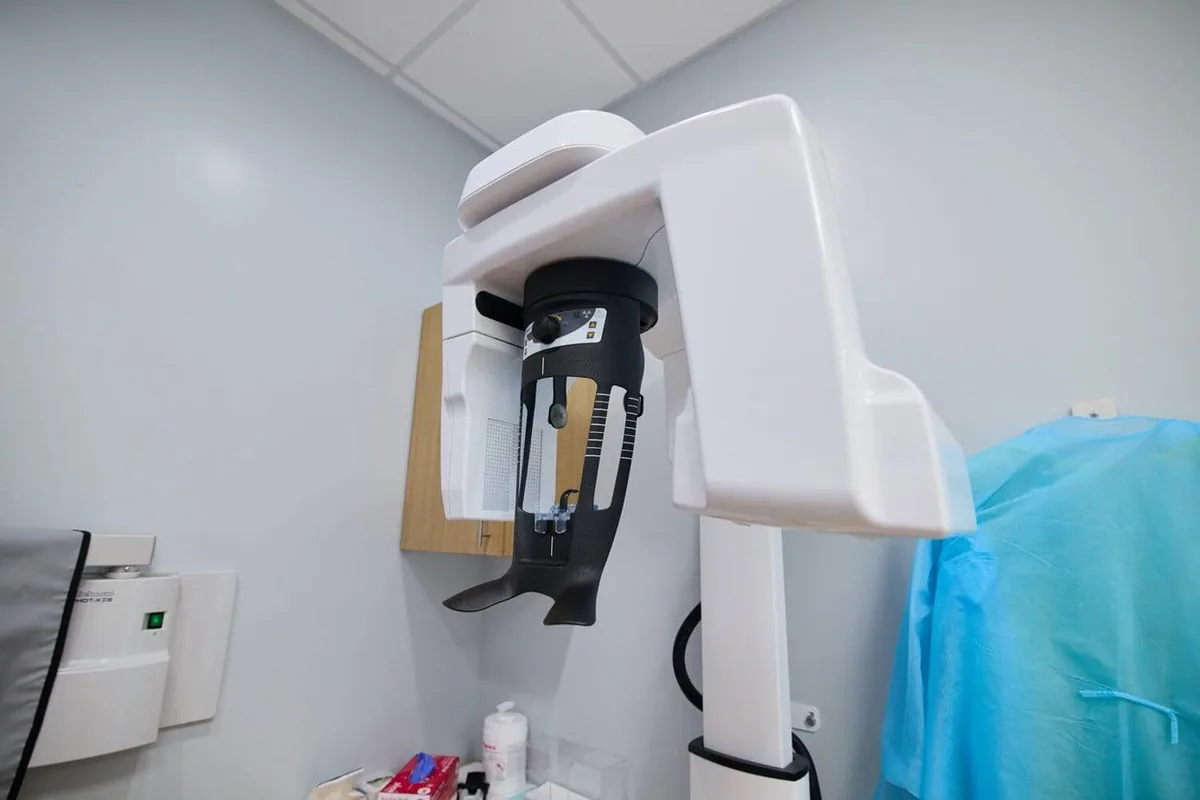
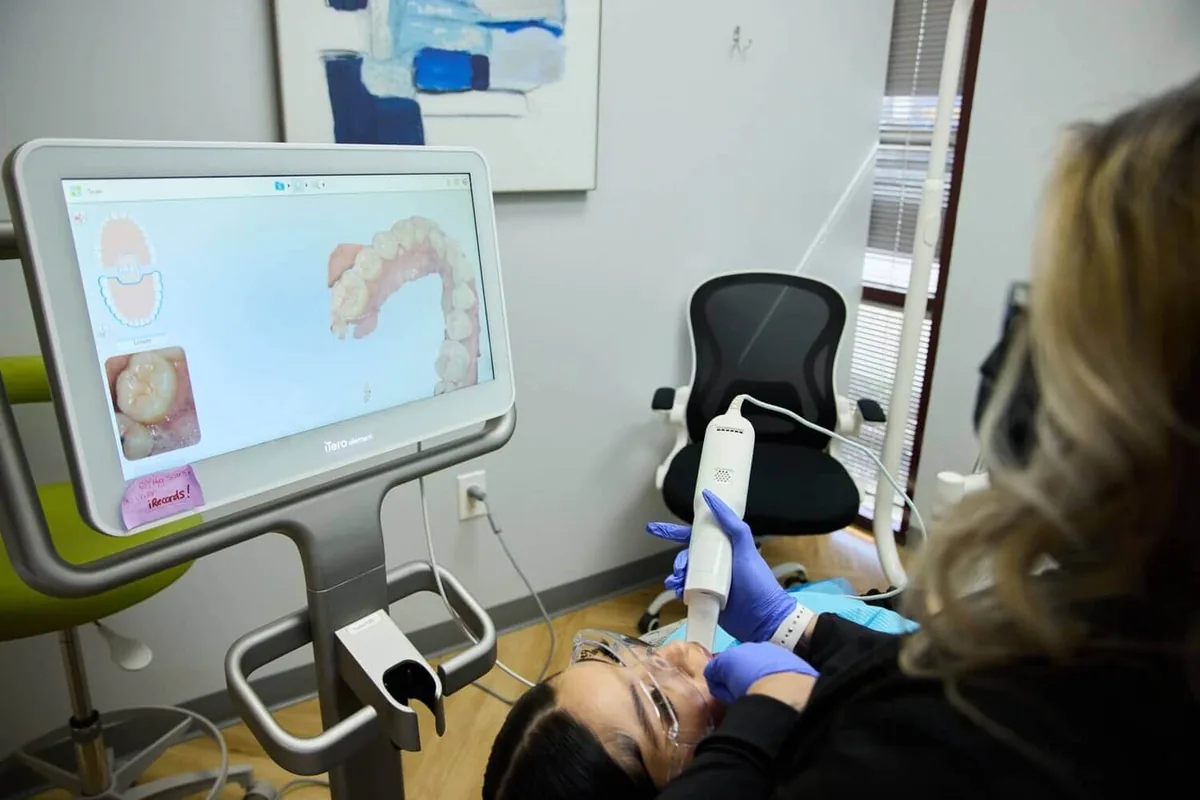
Once the tooth is ready, your dentist takes an impression for a custom crown. This can be done with a mold material or a digital scanner for a more detailed fit.
The impression is sent to a dental lab where technicians craft the crown. Crowns are often made from porcelain or ceramic, so they look and feel natural. This step can take a couple of weeks, depending on the case.
Fitting And Final Placement
When your crown is ready, you return for a fitting. Your dentist checks the fit and adjusts it so it feels comfortable and matches your bite.
You’ll be able to feel how it sits before it’s bonded in place. Once everything looks and feels right, the crown is permanently secured using dental cement. Your new crown should look and work like a natural tooth. If something feels off afterward, reach out so small fit issues can be addressed early.
Caring For Your Dental Crown
Taking care of your dental crown helps it last and supports overall oral health. Good daily cleaning and smart food choices can make a real difference.
Oral Hygiene Practices
Brush twice a day gently with a soft-bristle toothbrush and fluoride toothpaste. Clean around the crown and your other teeth, and floss daily to remove plaque between teeth.
Take care near the crown’s edge. If your dentist recommends it, an antimicrobial mouthwash can help lower bacteria levels.
Regular checkups and cleanings can catch concerns early. Avoid chewing on very hard items like ice or pens, which can damage a crown.
Dietary Recommendations
What you eat can affect your crown. Limit sticky foods like caramel or gum that may tug on it, and be cautious with hard foods like nuts or popcorn kernels that could chip it.
Cut back on sugary snacks and drinks, since they can raise the risk of decay near the crown. Drinking water after meals helps rinse away food and acid.
If you grind or clench, tell your dentist. A night guard may be recommended to help protect your crown and teeth.
Protect A Painful Or Weakened Tooth Before It Gets Worse
Tooth pain, sensitivity, or cracking can make everyday things like eating and smiling uncomfortable. A modern dental crown can help relieve discomfort, protect the tooth, and restore strength before the damage leads to bigger issues.
At Dentist of West Covina, care is focused on gentle techniques, modern materials, and treatment plans built around your comfort. The goal is to help you feel confident about protecting your tooth without added stress.
If a tooth feels weak, hurts when you chew, or looks damaged, it may be time to take action. Request an appointment or call our West Covina Office to get clear answers in a calm, supportive setting.
Frequently Asked Questions
What are the different types of dental crowns available?
You have a few choices when it comes to crown materials. Common options include porcelain, ceramic, metal, and porcelain-fused-to-metal.
Porcelain and ceramic crowns look most like natural teeth, so they’re often chosen for front teeth. Metal crowns are very strong and are often used on back teeth.
How much does a typical dental crown procedure cost?
The price often falls between $800 and $1,500 per crown, depending on the material and your location. Insurance may cover part of the cost. Some offices also offer payment options if you need them.
What are some potential disadvantages of getting a dental crown?
A crown usually means your dentist needs to remove a small amount of natural tooth structure. You may feel some sensitivity or discomfort after the procedure. Rarely, crowns can chip or come loose. Regular dental visits help catch and address issues before they become bigger problems.
Is there a risk of cancer associated with dental crowns?
No, dental crowns do not cause cancer. Dental materials are tested for safety in the mouth. There is no scientific evidence linking crowns to cancer.
What can I expect my front teeth to look like after crown placement?
Crowns for front teeth are usually matched to your natural tooth shade. Many modern crowns blend in so well that most people won’t notice them. Your dentist will aim for a balanced, natural look. Results can vary, but the goal is a seamless smile.
How much of the natural tooth structure is necessary to support a crown?
You usually need enough natural tooth structure for the crown to stay secure. If too much is missing, a post or an implant may be considered. Your dentist will evaluate the tooth and recommend the option that offers stable, long-lasting support.