Getting a tooth pulled is one of those experiences where the procedure itself might feel straightforward, but the hours and days that follow raise many questions. You are hungry, your mouth feels tender, and suddenly every food in the kitchen either seems too hard, too hot, or too risky.
What you eat after a tooth extraction directly affects how fast the socket heals and whether you run into complications like dry socket, which is far more painful than the extraction itself.
The team at Dentist of West Covina hears these same questions from patients every day, both before and after procedures. Keep reading to learn exactly which foods are safe at each stage, what to skip and why, and how to plan ahead so you are never caught hungry with no good options.
The First 24 Hours: Keep Food Soft and Cool
The first day after a tooth extraction is the most critical window for protecting the blood clot that forms in the socket. Soft, cool foods are your best friends right now, and almost everything you need is already in a typical kitchen.
Best First-Day Food Ideas
Within the first few hours after your procedure, stick to foods that require zero chewing. The clot is fragile, and any friction near the socket can disturb it. Cold or room-temperature options help reduce swelling while you eat.
Plain yogurt (no granola or fruit pieces)
Applesauce
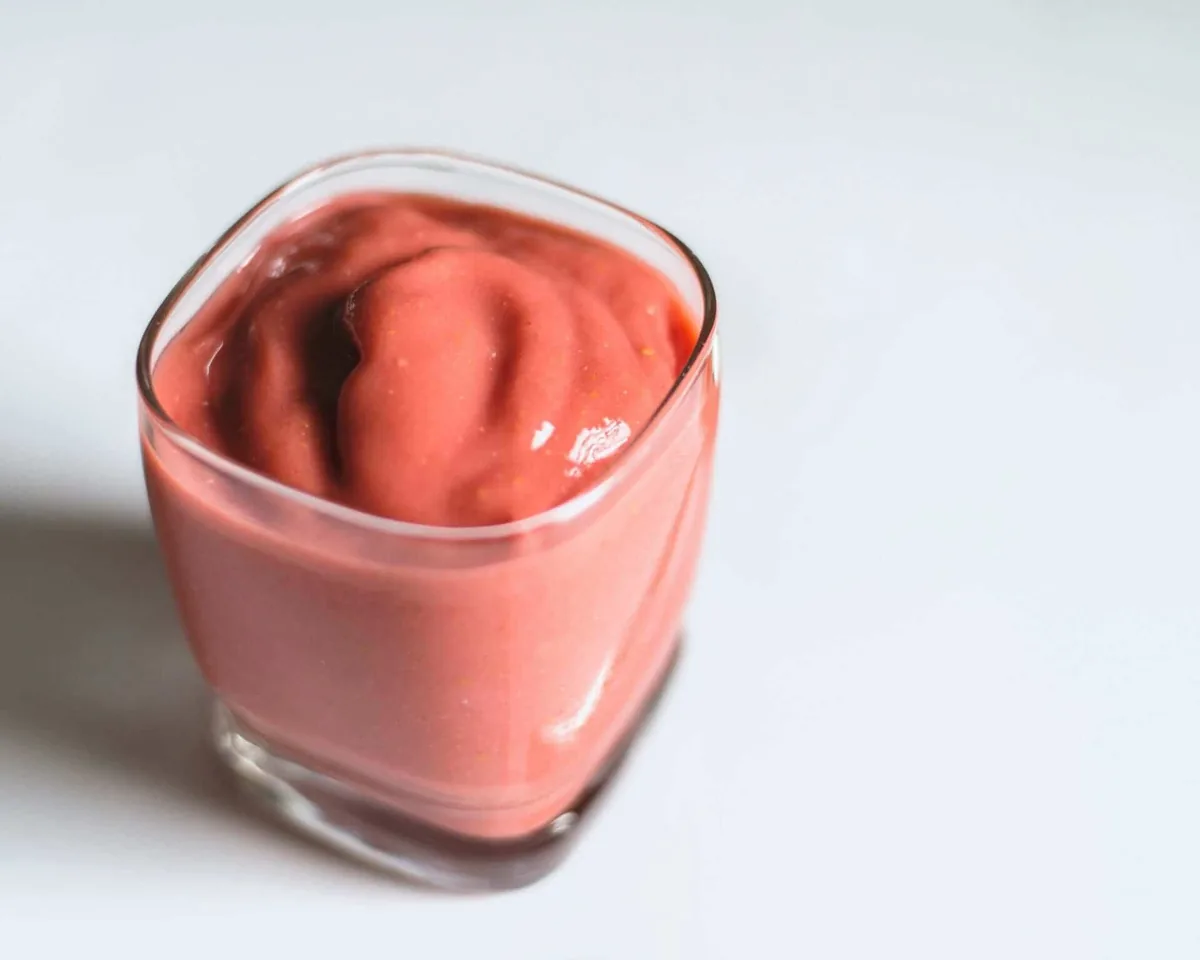
Smoothies (no straw, no seeds, no chunks)
Mashed potatoes with butter or gravy
Scrambled eggs
Blended soups or broth
Pudding or gelatin
Ice cream or frozen yogurt (no cones, no mix-ins)
Scrambled eggs are one of the most practical first-day choices because they are soft, protein-rich, and easy to make quickly. Mashed potatoes provide filling calories without any chewing stress. If you are craving something cold, plain ice cream eaten with a spoon works well; just avoid flavors loaded with hard chunks or candy pieces.
Why Texture and Temperature Matter
Heat causes blood vessels to dilate, which can encourage bleeding at the extraction site. Very cold food and drinks are fine and can actually be soothing on inflamed tissue for the first day or two.
Texture matters just as much. Even foods that seem soft, like chunky guacamole or oatmeal with large rolled oats, can catch in the socket or require enough tongue pressure to disturb the clot. Smooth and uniform is the goal on day one.
The concern that catches most patients off guard is that a food can feel safe but still cause problems. Applesauce with large chunks of fruit, yogurt with granola stirred in, or a smoothie sipped through a straw all carry real risks on day one. The suction from a straw is one of the most common causes of dry socket, so skip straws entirely for at least the first 72 hours.
If soft liquids and purees feel too limiting by the end of day one, that is a sign you are ready to start thinking about what comes next.
Days 2 Through 3: Add Gentle Foods Carefully
By the second and third days, most people feel noticeably better and start to want something more filling. This is the right time to expand slightly, but the socket is still very much in early healing mode.
Soft Meals That Need Minimal Chewing
The distinction at this stage is not liquid versus solid. It is soft versus anything that requires real bite force or creates small particles that can lodge in the socket. Think about foods that break apart easily under light pressure from your tongue.
Food | Safe on Days 2-3 | Notes |
Soft-boiled or poached eggs | Yes | Gentle, protein-rich |
Mashed sweet potatoes | Yes | Nutritious and filling |
Oatmeal (well-cooked) | Yes | Avoid large dry oat flakes |
Soft pasta with smooth sauce | Yes | Cut into small pieces |
Canned fish (tuna, salmon) | Yes | Very soft, easy to chew |
Rice | Use caution | Small grains can enter the socket |
Soft bread | Use caution | Can compact into the socket |
Pancakes | Yes | Cut small, no syrup with seeds |
Bananas are an easy snack at this stage. They are soft, require minimal jaw movement, and provide potassium, which supports tissue repair. Avocado is another practical choice, eaten plain or lightly mashed without hard chunks.
How to Tell If a Food Feels Too Soon
Your mouth will usually tell you when something is not right. If you feel pressure, pinching, or any irritation near the socket while eating, stop and switch to something softer. Pain during eating is not something to push through.
A few signals that a food is still too advanced for where you are in recovery: it requires you to open your jaw wide, it creates small crumbles that scatter across your teeth, or it needs multiple chews on the same side as the extraction. Keeping food on the opposite side of your mouth is a practical strategy for days two and three.
Some patients also notice that acidic foods, such as citrus or tomato-based sauces, sting the tender gum tissue. Even if the texture is soft, acidity can irritate an open wound. Plain or lightly seasoned food tends to feel more comfortable at this stage.
By day three, most discomfort should be decreasing rather than increasing. If soreness is climbing instead of fading, that pattern is worth paying attention to as you move through the week.
Days 4 Through 7: Ease Back Toward Normal Meals
Between day four and day seven, the socket is further along in healing, and most patients feel ready to return to more normal eating. Progress is real by this point, but a few categories still need to wait.
Foods You Can Usually Reintroduce
At this stage, soft-cooked vegetables, tender meats like slow-cooked chicken or fish, soft rice dishes, and most cooked grains are generally well tolerated. Many people return to eating most of their usual meals with a few simple adjustments.
Soft-cooked chicken or fish
Well-cooked vegetables (no raw carrots or celery yet)
Soft rice or quinoa dishes
Cooked beans or lentils
Soft cheeses
Soft bread that does not compact
Most cooked pastas
Soups with soft ingredients, like a chicken and vegetable soup with tender noodles, work well as a meal that provides protein, hydration, and plenty of nutrients without requiring significant jaw force.
Signs Your Recovery Timeline May Need More Time
Some patients heal more slowly depending on the complexity of the extraction, their overall health, or whether the tooth removed was a wisdom tooth or a molar with deep roots. If you are still experiencing significant swelling, throbbing pain, or a bad taste in your mouth by day five or six, your timeline may not match the general guide.
A tooth extraction that involved a more complex procedure or required bone manipulation often has a longer recovery window. Patients who are replacing a tooth with a dental implant will eventually want to pay especially close attention to early healing, since the bone needs to be in good condition for the implant to integrate successfully.
The question worth carrying into the next part of this guide is not just what you can eat, but which foods and drinks are still genuinely risky even on day five or six.
Foods and Drinks That Can Disturb the Clot
Some foods seem harmless but carry a specific risk to the healing socket. Knowing which categories to avoid, and exactly why, helps you make smarter choices through the full recovery window.
Crunchy, Sticky, and Seedy Items to Skip
Hard and crunchy foods are the most obvious culprits. They require significant bite force, and fragments can break off and land directly in the socket. Sticky foods are equally problematic because they can pull on the clot when you chew or swallow.
Chips, crackers, and pretzels
Raw carrots, celery, and apples
Popcorn (the husks are especially dangerous)
Sticky candies, gummies, and caramel
Granola and hard cereals
Nuts and seeds of any kind
Bagels and hard rolls that require tearing
Seeds deserve special attention. Sesame seeds, poppy seeds, and berry seeds are small enough to fall directly into the socket, where they can cause irritation and increase the risk of infection. This includes smoothies made with whole berries that still contain seeds.
Temperature and Drinking Habits That Can Cause Problems
Hot beverages, including coffee and tea, are one of the most common mistakes patients make after extraction. Heat dilates blood vessels and can restart bleeding or disturb the clot just as it is becoming stable. Most dentists recommend waiting at least 24 to 48 hours before having anything hot, and some suggest waiting a full 72 hours for coffee.
Alcohol and carbonated drinks also deserve a place on the avoid list. Alcohol interferes with clotting and can interact with any prescribed medications. Carbonated beverages create bubbles and pressure in the mouth that may dislodge the clot.
The straw rule is worth repeating here because it surprises many patients. The suction created by drinking through a straw, even a wide one, generates enough negative pressure to pull the clot loose. This is the single most common preventable cause of dry socket, and it applies to all beverages, including cold water and smoothies.
Simple Meal Planning for a More Comfortable Recovery
Planning ahead before your appointment removes the stress of figuring out meals while you are sore and tired. A quick grocery run the day before can make the whole recovery week much smoother.
Easy Grocery Picks Before Your Appointment
A short, focused shopping list covers breakfast, lunch, dinner, and snacks for the first three to four days without requiring any cooking that involves hard or crunchy ingredients.
Meal | Good Choice |
Breakfast | Yogurt, scrambled eggs, oatmeal |
Lunch | Blended soup, soft pasta, mashed sweet potato |
Dinner | Soft fish, mashed potatoes, well-cooked vegetables |
Snack | Pudding, applesauce, banana, soft cheese |
Stock up on broth and prepared soups with soft ingredients. A few cans of tuna or salmon give you easy protein. Buying pre-made mashed potatoes or a bag of sweet potatoes you can bake and mash saves effort when you are not feeling your best.
Ways to Get Protein and Calories Without Irritation
One of the overlooked challenges of post-extraction eating is staying nourished when your options feel narrow. Protein matters because it supports tissue repair. A diet of pudding and broth alone will not give your body what it needs to heal efficiently.
Greek yogurt is one of the most useful foods during recovery. It is high in protein, cool, smooth, and requires no chewing at all. Blended protein shakes made without seeds, nuts, or berry chunks are another good option as long as you use a spoon or cup rather than a straw.
Eggs are consistently practical across all forms: scrambled, soft-boiled, or mixed into a smooth egg drop soup. They are affordable, easy to prepare, and provide complete protein with minimal texture risk. If you can tolerate dairy, soft cheeses and cottage cheese add variety while keeping you within safe texture limits.
The next question many patients face is not about food choices but about whether what they are feeling during recovery is normal, which is worth addressing directly.
When Healing Does Not Feel Normal
Most extraction recoveries follow a predictable path, but knowing the difference between expected discomfort and a warning sign can save you from a delayed or complicated recovery.
Common Soreness vs Warning Signs
Tenderness, mild swelling, and some bruising in the first two to three days are all expected. The discomfort should follow a gradual downward trend each day. A low-grade aching that fades by day four or five is normal.
Dry socket is the most common complication, typically appearing between days 2 and 4. Signs include a sharp, throbbing pain radiating to the ear or jaw, a visible, empty-looking socket with no dark clot, and a persistent bad taste or smell that does not resolve with gentle rinsing.
An infection feels different from normal soreness. Increasing swelling, fever, pus or discharge, and pain that intensifies rather than eases after day three are all signals that something needs professional attention. Swelling that spreads to the neck or makes it hard to swallow is a medical emergency.
When to Call for Follow-Up Care
If you are unsure whether what you are experiencing is normal, calling the dental office is always the right choice. There is no threshold of concern you need to meet before picking up the phone.
Patients who had a wisdom tooth extraction, a deep molar extraction, or a tooth removed due to infection often benefit from a brief check-in call around day three or four. A quick conversation can confirm whether healing is on track or whether a follow-up visit is needed.
Staying ahead of complications is always easier than treating them after they develop, and your care does not end when you leave the dental chair.
Frequently Asked Questions
What Are the Safest Soft Foods to Eat in the First 24 Hours After an Extraction?
Plain yogurt, applesauce, mashed potatoes, smooth pudding, and scrambled eggs are among the safest choices in the first 24 hours. They require no chewing, carry minimal risk to the clot, and are easy to find or prepare. Avoid anything with small seeds, crunchy add-ins, or hard pieces mixed in.
What Can I Eat the First Night After an Extraction If My Mouth Is Sore and Numb?
If your mouth is still partially numb from anesthesia, stick to room-temperature or slightly cool foods and eat very slowly. Numbness means you cannot feel if you bite your cheek or tongue, so keep bites small and avoid anything that requires significant chewing until full sensation returns.
When Is It Safe to Start Eating Normal Foods Again After an Extraction?
Most patients can begin returning to normal meals around day five to seven, depending on how healing has progressed. Start with softer versions of your usual meals and avoid anything crunchy, sticky, or hard until you feel confident the area is comfortable during eating.
When Can I Have Hot Foods or Hot Coffee Without Risking Bleeding or Dry Socket?
Waiting at least 24 to 48 hours before having hot food or beverages is the general guidance, with many dentists recommending 72 hours for hot coffee specifically. Heat can promote bleeding and disrupt the clot, so lukewarm or room-temperature is a safer middle ground in the first few days.
What Should I Avoid Eating or Drinking to Avoid Dislodging the Clot and Getting a Dry Socket?
Skip straws, crunchy or hard foods, sticky candies, alcohol, and carbonated drinks for the first several days. Straws, in particular, are among the leading causes of dry socket because the suction can pull the clot directly out of the socket. Seeds and popcorn husks are also high-risk because they can lodge in the healing wound.
Are There Specific Foods That Support Faster Healing and Less Swelling After an Extraction?
Foods rich in protein, vitamin C, and zinc support tissue repair and immune function. Greek yogurt, soft fish, eggs, and well-cooked sweet potatoes all contribute meaningful nutrients. Staying well hydrated with plain water also supports healing. Eating soft foods consistently rather than skipping meals gives your body the fuel it needs to recover.
Your Recovery Is Closer to Normal Than You Think
Eating after a tooth extraction does not have to feel like a puzzle. With a clear timeline and a simple shopping list, most patients move through the first week without major setbacks. The key is to stay consistent with soft, cool, nutrient-rich foods early on, then reintroduce normal meals gradually rather than rushing back to your usual diet.
If something feels off during your recovery, or if you are preparing for an extraction and want to make sure you have the right plan in place, Dentist of West Covina is easy to reach. Call us at (626) 239-8978, and the team will walk you through any concerns, answer your questions, or get you scheduled for a follow-up visit.
Book your appointment online and let the team put together a personalized recovery plan that fits your specific procedure and your schedule. There is no pressure and no rush. The goal is simply to help your smile heal well.