Missing teeth do more than change your smile; they affect how you eat, how you speak, and how confident you feel walking into a room. For many people, that quiet discomfort becomes the background noise of daily life.
Unlike dentures that shift or bridges that depend on neighboring teeth, implants anchor directly into the jawbone and function just like the real thing. At Dentist of West Covina, our team helps patients find lasting relief through comfort-first care and a clear plan tailored to their needs.
This guide covers everything you need to know: what implants are, how the process works, what they cost, and where to find an implant dentist in West Covina.
What Does an Implant Dentist in West Covina Do?
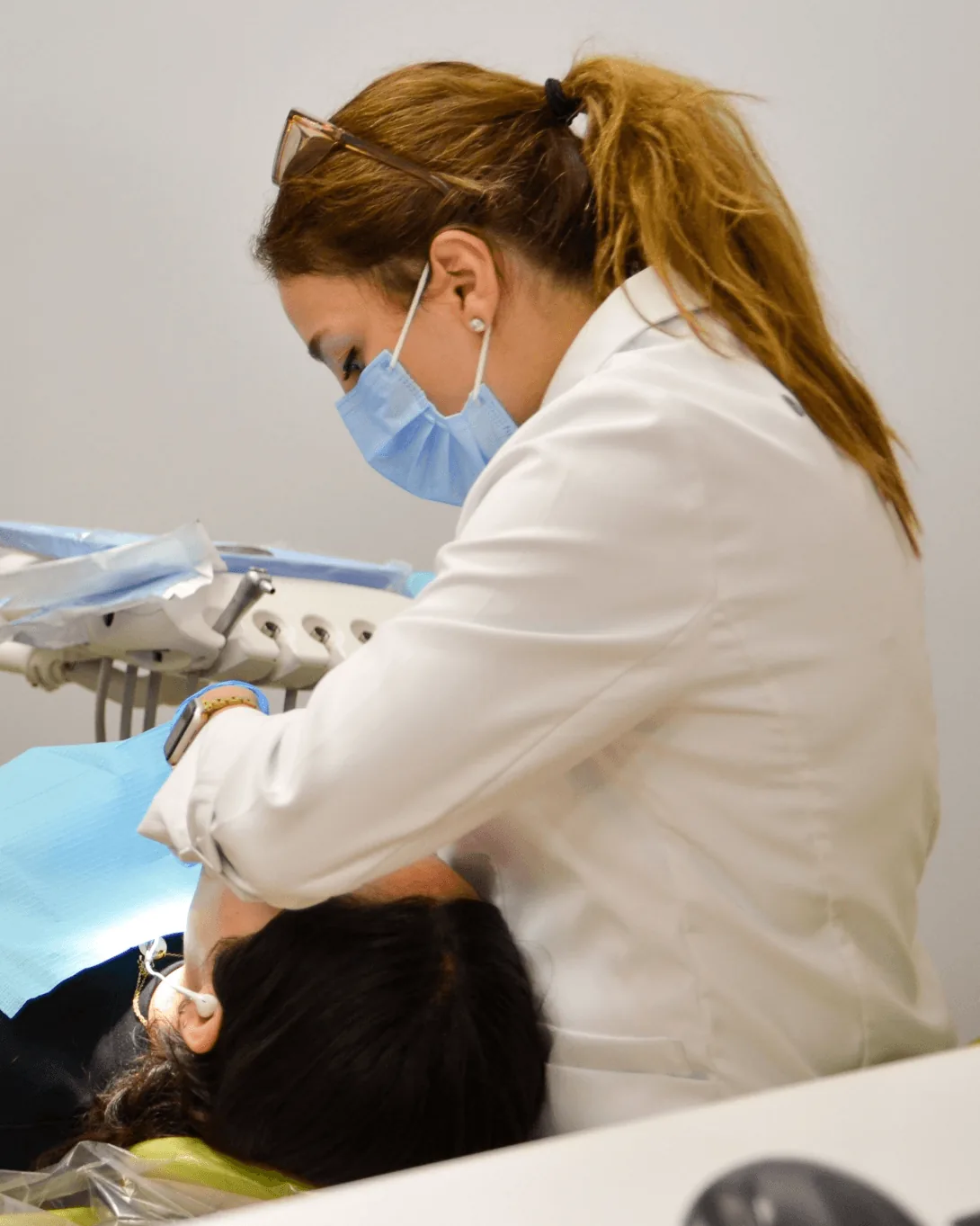
An implant dentist manages the complete process of replacing missing teeth, from initial evaluation through final restoration. They surgically insert small titanium posts into your jawbone, which serve as stable roots for the teeth that attach on top. Once the posts heal and fuse with the bone, the dentist secures crowns, bridges, or dentures to complete your smile.
Your dentist handles every stage: examining your mouth, reviewing imaging, building your treatment plan, performing the surgery, and placing the final restoration. After a healing period of a few months, you return for the crown or bridge, and that's when your new smile fully comes together.
What Training Do Implant Dentists Have?
Implant dentists complete their education beyond dental school, focusing specifically on surgical technique, bone anatomy, and restoration. Some general dentists pursue advanced continuing education in implant placement, while others earn specialized degrees in oral surgery or prosthodontics.
This training covers bone graft procedures, 3D imaging interpretation, and how to navigate complex cases involving bone loss or other complicating factors. The result is a practitioner equipped to tailor treatment to your specific anatomy — not a one-size-fits-all approach.
Which Type of Dental Implant Is Right for You?
Implant dentists offer several options depending on your situation:
Single-tooth implants use one titanium post and a custom crown to replace an individual missing tooth — ideal when surrounding teeth are healthy and intact.
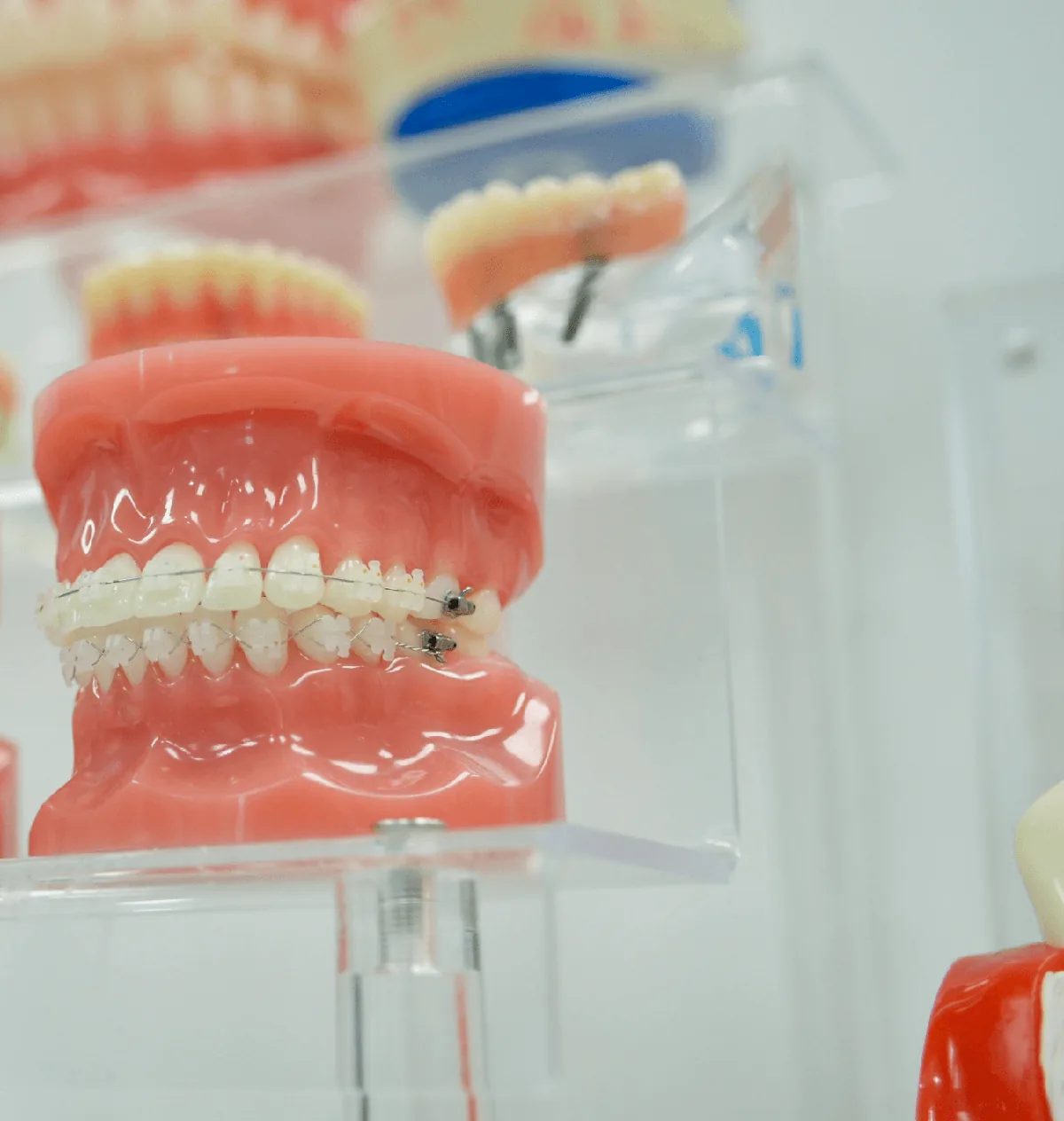
Implant-supported bridges anchor multiple missing teeth without requiring an implant for every gap.
All-on-4 or All-on-6 uses four to six strategically placed implants to support a full arch of teeth, replacing an entire upper or lower row in one procedure.
Mini implants are smaller in diameter and work well when bone volume is limited; they're often used to stabilize loose dentures.
Benefits of Dental Implants in West Covina
Dental implants look and feel indistinguishable from natural teeth. Each custom crown matches your surrounding teeth in color and shape, so the restoration blends in seamlessly from day one.
Because implants anchor directly into bone, they stay fixed — no slipping, no pinching, no second-guessing at the dinner table. You can eat whatever you want, speak clearly, and smile without hesitation.
Over time, they also help maintain the natural contours of your face; bone loss from a missing tooth can cause the jaw to shrink and give the face a sunken appearance, and implants prevent that by keeping the bone active.
How Dental Implants Support Long-Term Oral Health
Beyond aesthetics, implants actively support the health of your remaining teeth and jawbone. The titanium post stimulates bone tissue the same way a natural root would, preventing the deterioration that follows tooth loss.
They also protect neighboring teeth. A gap left by a missing tooth allows adjacent teeth to drift and tilt over time, disrupting your bite and accelerating wear. Unlike traditional bridges, implants don't require grinding down healthy teeth on either side, as they function independently, leaving the rest of your mouth untouched.
Day-to-day care is straightforward: brush and floss as you normally would. No soaking, no adhesives, no special cleaning regimens.
The Confidence That Comes with a Stable Smile
Patients often describe an unexpected shift in confidence after implant treatment, finding themselves more willing to smile, eat in social settings, and engage without self-consciousness. When you're not managing dental discomfort or worrying about how your teeth look, that mental energy goes back to living.
Because implants are built to last, you won't be scheduling frequent repairs or replacements. That kind of long-term reliability brings genuine peace of mind.
How to Choose the Right Implant Dentist in West Covina
When evaluating an implant dentist, ask specifically about their implant volume, such as how many procedures they perform each year, which gives you a real sense of their hands-on experience. Membership in organizations like the American Academy of Implant Dentistry reflects a commitment to staying current in the field.
Technology is equally worth asking about. Practices using digital imaging and 3D cone-beam CT scans can plan each implant with far greater precision, reducing surgical guesswork and improving outcomes.
What Patient Reviews Tell You
Online reviews give you an unscripted view of what the patient experience actually looks like. Look across multiple platforms for consistency, and pay particular attention to comments about chairside comfort, how staff handled concerns, and whether patients remained happy months or years after treatment.
Notice how the practice responds to negative feedback. Thoughtful, professional replies signal that the team takes patient experience seriously. A few mixed reviews are normal; what matters is the overall pattern and the quality of the response.
What Happens at Your First Implant Dentist Consultation?
A thorough first visit should include updated X-rays or 3D scans to assess bone volume and overall oral health. Your dentist should review your medical history, explain all available options, and walk you through the expected timeline and costs before you make any decisions.
This appointment is your opportunity to ask about anything on your mind: sedation, recovery, payment plans, and what happens if you need a bone graft. If you feel rushed or pressured, that's a signal to keep looking. The right provider will move at your pace.
What to Expect During the Dental Implant Procedure in West Covina
Your first appointment focuses on determining whether implants are the right fit for your situation. The dentist takes X-rays and 3D scans to evaluate bone density and jaw structure, and reviews your medical history, including any medications or conditions that could affect healing.
Some patients require a bone graft before implant placement, particularly if the bone has deteriorated from long-term tooth loss. Your dentist will identify this during the planning phase and factor it into your treatment timeline so there are no surprises.
What Happens During Implant Placement Surgery?
The surgical appointment involves placing a titanium or zirconia post into the jawbone under local anesthesia. Sedation options are also available if you feel anxious about the procedure. Most single-implant surgeries take one to two hours, and the process itself is gentler than many patients expect.
After placing the post, the dentist closes the gum tissue and begins the healing phase called osseointegration — the period during which your bone gradually fuses with the implant surface. This typically takes a few months and is what makes the final restoration so secure. Once healing is confirmed, you return for the abutment and custom crown.
What Does Recovery Look Like After Implant Surgery?
Mild swelling and tenderness in the days following surgery are normal and manageable with prescribed pain relief and ice packs as needed. Stick to soft foods for the first week — yogurt, soup, mashed potatoes — and keep the area clean with gentle warm saltwater rinses.
Avoid brushing directly over the surgical site until your dentist clears you to do so, and steer clear of smoking and straws, which interfere with healing. Keeping every follow-up appointment allows your dentist to monitor integration and catch any early concerns before they develop into complications.
Cost and Financing for Dental Implants in West Covina
A single dental implant in West Covina generally ranges from $2,600 to $5,400, with an average of around $3,900 per tooth. The final cost depends on case complexity, whether any preparatory procedures, such as bone grafting, are necessary, and the type of restoration used.
Full-arch options like All-on-4 involve a higher total investment but replace an entire row of teeth with fewer implants, making them a cost-effective solution for patients who need comprehensive tooth replacement. Some practices also offer guided or same-day implant options, which may affect pricing and are worth discussing during your consultation.
Flexible Payment Options
Most West Covina implant practices partner with third-party financing companies so patients can pay monthly rather than pay the full cost upfront. Some offices also offer in-house payment plans. Financing terms vary, including promotional periods with low or no interest for qualified applicants — ask what's required for approval and what your monthly payments would look like before committing.
Reputable practices provide a detailed written cost estimate before treatment begins, so you're never caught off guard.
Does Dental Insurance Cover Implants in West Covina?
Dental insurance coverage for implants varies considerably by plan. Some policies cover portions of the associated costs — extractions, crowns, or diagnostic imaging — even when the implant itself isn't covered. Others offer partial implant benefits.
Your dental office can verify your benefits, handle claim submission on your behalf, and help you understand exactly what's covered before any treatment begins. Always confirm directly with your insurance provider to get a clear picture of your out-of-pocket responsibility.
How to Care for Dental Implants and Make Them Last
Caring for dental implants requires the same consistent routine you'd give natural teeth. Brush at least twice a day with a soft-bristled toothbrush and a non-abrasive toothpaste to avoid scratching the implant surface. Floss once daily to remove plaque and food debris from around the base of the implant, where bacteria tend to accumulate.
A few habits that protect your investment over time:
Brush for two full minutes, morning and night, cleaning every surface of the implant and along the gum line.
Use floss threaders or a water flosser if standard floss is difficult to maneuver around the restoration.
Rinse with an antimicrobial mouthwash if your dentist recommends it.
Avoid biting down on hard objects, such as ice or hard candy, that could crack the crown.
If you notice swelling, redness, or bleeding around the implant, contact your dentist, as these can be early signs of peri-implant inflammation, which is much easier to treat when caught early.
Why Regular Checkups Are Essential
Professional cleanings and implant evaluations every six months are the single most important thing you can do to protect your investment. Your dental team uses instruments specifically designed for implant surfaces to remove tartar buildup without causing damage.
At each visit, your dentist also assesses bone levels through X-rays, checks for any loosening or crown wear, and looks for signs of infection. Patients with a history of gum disease or other risk factors may benefit from more frequent visits. Addressing small issues before they escalate almost always means simpler, less expensive treatment and a healthier smile for the long term.
Ready to Restore Your Smile With Dental Implants in West Covina?
A missing tooth doesn't have to define your smile or limit your life. Dental implants offer a solution that's built to last, restoring function, protecting your oral health, and giving you the confidence to eat, speak, and smile without a second thought.
If you've been putting off treatment because of cost concerns, uncertainty about the process, or simple dental anxiety, you're not alone. The right provider will walk you through every step at your pace and make sure you feel informed before any decisions are made.
When you're ready to explore your options, Dentist of West Covina is here to help. Get in touch to schedule a consultation and take the first step toward a smile that works as hard as you do. Hablamos Español.
Frequently Asked Questions
How long do dental implants last?
With proper care, dental implants can last a lifetime. The titanium post that fuses with your jawbone is designed to be permanent, while the crown on top may need replacement after 15 to 25 years, depending on wear. Brushing, flossing, and keeping regular dental appointments are the biggest factors in long-term success.
Are dental implants painful?
Most patients are surprised by how manageable the experience is. The procedure is performed under local anesthesia, so you won't feel pain during surgery. Mild soreness and swelling in the days afterward are normal and typically resolve within a week. Sedation options are available if anxiety is a concern.
How long does the implant process take from start to finish?
The full process generally takes three to six months, depending on whether preparatory work like bone grafting is needed. Most of that time is the healing phase, during which your jawbone fuses with the implant post. Your dentist will give you a realistic timeline during your consultation based on your specific situation.
Am I a good candidate for dental implants?
Most healthy adults with sufficient jawbone density are good candidates. Conditions like uncontrolled diabetes or a history of radiation to the jaw may affect eligibility, and some patients need a bone graft before placement is possible. The best way to find out is a thorough evaluation — your dentist will review your health history, take imaging, and walk you through your options.
What happens if I don't replace a missing tooth?
Leaving a gap untreated causes more problems over time than most patients expect. The bone beneath the missing tooth begins to shrink, neighboring teeth drift into the space, and your bite shifts in ways that accelerate wear. Addressing tooth loss sooner rather than later protects both your oral health and your long-term treatment options.
Do dental implants look natural?
Yes. Each crown is custom-made to match the color, shape, and size of your surrounding teeth. Most people — including the patient — can't tell the difference between an implant crown and a natural tooth.
Does dental insurance cover implants?
Coverage varies widely by plan. Some policies cover related costs like extractions, imaging, or crowns, even if the implant itself isn't included. Your dental office can verify your benefits before treatment begins and help you understand exactly what you'll owe out of pocket.