If you’re worried a root canal will hurt, you’re not alone. For many people, the biggest fear is pain and not knowing what to expect.
How gentle root canal methods reduce treatment anxiety starts with comfort-first care, modern tools, and a team that listens. At Dentist of West Covina, the goal is to keep you numb, calm, and informed so the visit feels manageable.
Ahead, you’ll learn what gentle root canal care looks like, why it can feel easier than you expect, and how simple comfort steps can help anxious patients feel more in control.
Why Root Canals Feel Scary And How Anxiety Starts
Many people feel uneasy about root canal treatment. This anxiety is common and often rooted in past experiences or misconceptions, but it can affect how you care for your oral health.
Understanding where these fears come from and recognizing them early can help you feel more in control during dental visits.
Common Causes Of Dental Treatment Fear
Root canals often carry an outdated reputation for being painful. Past negative experiences or stories from others can add to that fear.
Uncertainty also plays a big role. Not knowing what will happen next can make anyone feel uneasy, especially when control feels limited.
Common causes include:
Fear of pain or discomfort
Anxiety about needles or dental tools
Sensitivity to sounds or smells in the office
The Impact Of Anxiety On Oral Health
Dental anxiety can lead patients to delay or avoid treatment. Unfortunately, postponing care can allow infections to worsen, leading to more discomfort later.
Anxiety can also cause physical tension, which may make treatment feel more challenging. Signs may include:
Increased heart rate
Sweating
Tight jaw muscles
Addressing issues early with gentle root canal methods helps protect both comfort and long-term oral health.
Identifying Signs Of Patient Nervousness
Dental anxiety may show up before or during an appointment. Common signs include:
Fidgeting or restlessness
Avoiding eye contact
Shallow breathing or holding breath
Verbal expressions of fear
What Makes Gentle Root Canal Methods Different?
Gentle root canal methods focus on reducing discomfort and lowering stress throughout treatment. These approaches use refined techniques and modern tools to create a calmer experience. Here are a few ways they make a meaningful difference.
Modern Anesthetic Techniques
Today’s anesthetics work quickly and numb only the necessary area, avoiding prolonged numbness elsewhere.
Smaller needles, careful application, and topical numbing gels help minimize discomfort from the start. Early pain control makes it much easier to stay relaxed during treatment.
Innovative Equipment And Tools
Advanced rotary instruments can clean and shape canals using less pressure, making the process faster and smoother.
Digital imaging and dental microscopes improve visibility, allowing for more precise and gentle care. Better accuracy often means shorter appointments and fewer surprises.
Minimally Invasive Approaches
Gentle techniques rely on smaller access points, preserving more of your natural tooth. This supports healing and reduces post-treatment soreness.
Careful irrigation solutions clean effectively without irritation. Dentists also explain what you may feel, keeping the process predictable and reassuring.
Patient-Focused Strategies To Reduce Anxiety
A calm root canal experience depends not only on technology, but also on how care is delivered. Personalized attention and a soothing environment play a major role.
Personalized Communication And Education
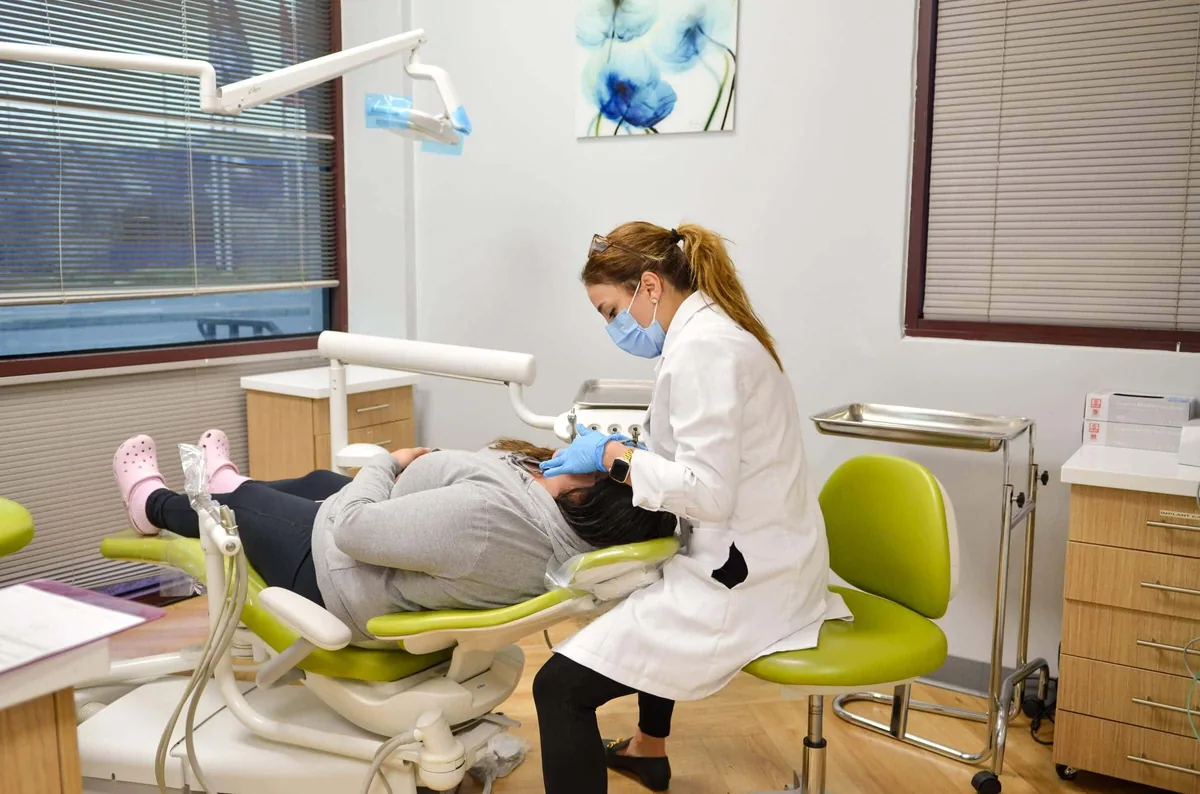
Clear explanations reduce fear. A supportive dental team walks you through each step, answers questions, and listens to concerns. When you understand what’s happening and why, anxiety often fades and confidence grows.
Comfort-Centered Clinic Environments
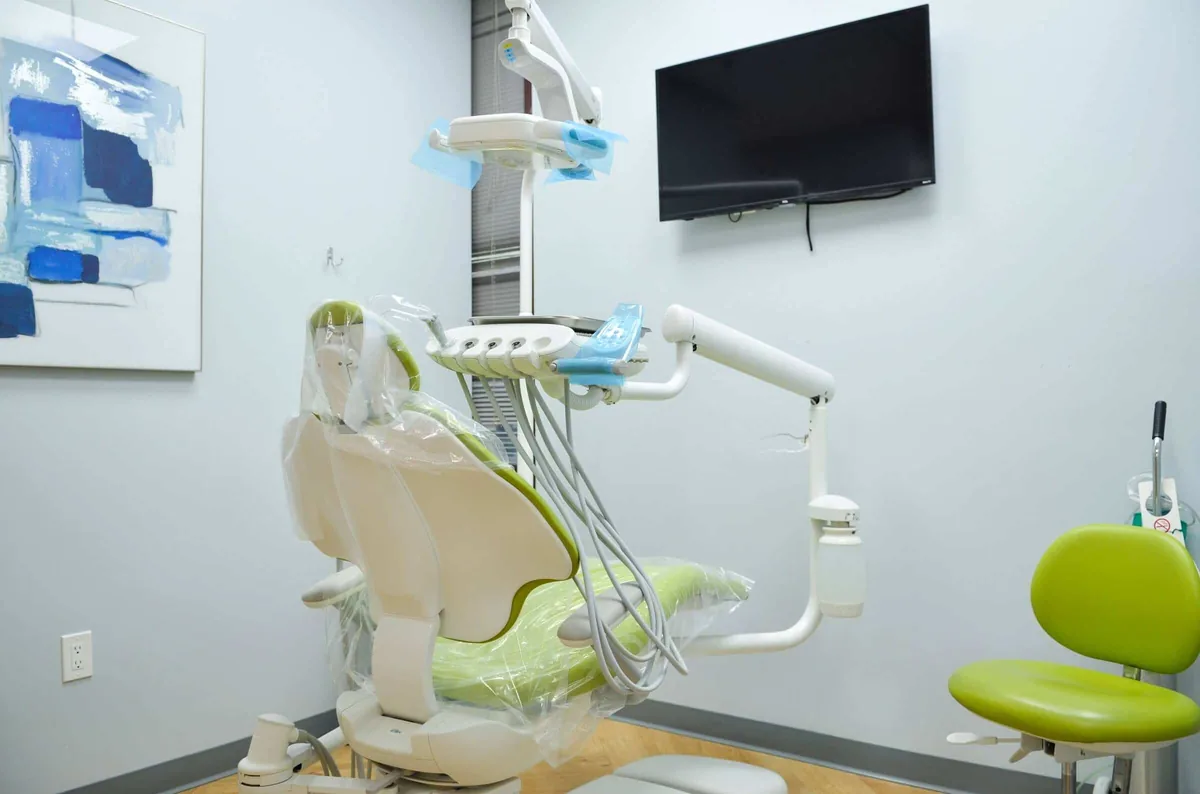
A peaceful setting can instantly lower stress. Soft lighting, comfortable seating, and gentle background music help set a calming tone.
Extras like warm blankets or headphones add another layer of comfort, making it easier to relax during treatment.
Relaxation And Distraction Techniques
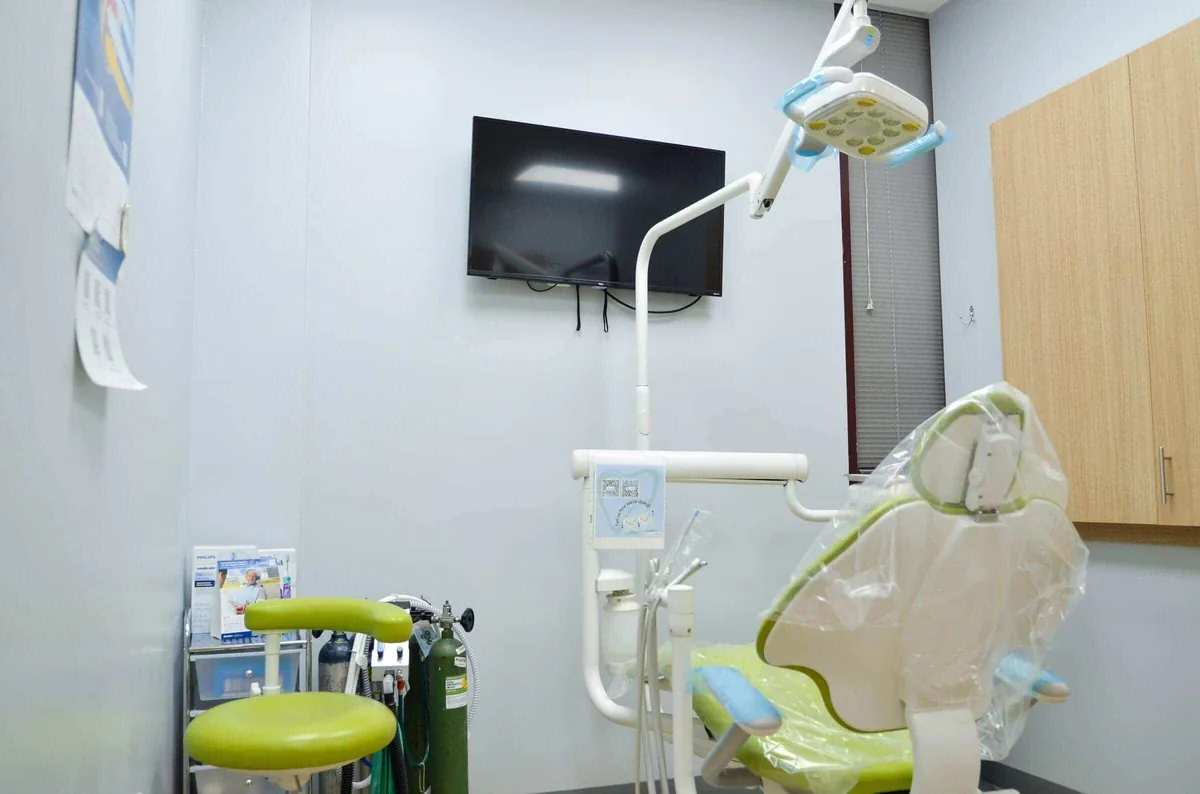
Distractions such as TVs or music help take your mind off the procedure. Guided breathing or relaxation exercises can release tension. Some offices also offer mild sedation for patients who need extra support staying calm.
Benefits Of Gentle Root Canal Procedures
Gentle root canal methods aim to ease discomfort, reduce anxiety, and improve the overall experience. They also support quicker healing and long-term trust in dental care.
Faster Recovery And Less Postoperative Discomfort
Because gentle techniques reduce tissue trauma, swelling, and soreness are often milder. Careful methods and modern tools help patients return to daily routines sooner, without lingering discomfort.
Greater Confidence In Dental Care
When treatment feels calm and respectful, trust grows. Knowing your comfort matters can ease fear about future dental visits. Clear explanations and regular comfort check-ins help patients feel more in control and less anxious.
Enhanced Patient Satisfaction
Patients often report less discomfort during and after treatment with gentle methods. Prioritizing comfort leads to smoother visits and a more positive outlook on dental care overall.
Choosing The Right Dentist For Gentle Root Canals
Selecting a dentist who values gentle care can greatly affect your experience. The right provider will take time to explain options and address concerns.
Key Questions To Ask Your Dentist
Ask how discomfort is minimized and what tools are used to support comfort. You may also ask how anxiety is handled, whether steps are explained clearly, and if scheduling options are flexible to reduce stress.
Credentials And Experience To Look For
Look for training in root canal therapy and experience with modern technology. A qualified dentist explains the procedure clearly and uses techniques that protect your natural tooth while prioritizing comfort.
A Calmer, More Comfortable Way To Treat Tooth Pain
Root canal anxiety is usually tied to fear of pain and uncertainty. Gentle root canal methods focus on comfort, clear communication, and modern techniques that help reduce discomfort and ease nerves.
At Dentist of West Covina, care is designed to feel calm and supportive, with gentle numbing, patient-centered pacing, and technology that makes treatment smoother.
If tooth pain has you worried about what comes next, relief does not have to be stressful. Request an appointment or call our West Covina office to learn how gentle care can make your visit feel more manageable.
Frequently Asked Questions
What Are Some Techniques Used To Make The Root Canal Process More Comfortable?
Dentists use precise instruments, advanced cleaning tools, and effective numbing techniques to reduce discomfort during treatment.
Is There Any Sedation Available To Help With Anxiety During A Root Canal?
Yes. Options such as nitrous oxide or oral sedation may be available to help patients relax during treatment.
How Can I Prepare Mentally For A Root Canal To Ease My Nerves?
Learning about the procedure and asking questions can help. Deep breathing and relaxation techniques before your visit may also reduce stress.
What Are Holistic Approaches To Managing Fear Before A Root Canal?
Calming routines like meditation, soothing music, or caffeine-free herbal teas may help support relaxation beforehand.
How Long Is The Recovery Period After A Gentle Root Canal Procedure?
Most patients recover within a few days. Mild soreness is possible, but healing is usually smooth with gentle care.
Can Relaxation Exercises Help Reduce Stress Before Treatment?
Yes. Simple breathing or mindfulness exercises before your appointment can significantly lower anxiety.