Missing teeth or loose dentures can make chewing feel stressful. You may avoid certain foods or worry about discomfort at every meal in West Covina.
At Dentist of West Covina, we focus on comfort-first care and modern technology to help implants feel stable, natural, and easy to use.
Ahead, you’ll learn how dental implants improve chewing comfort long term, what to expect, and answers to common questions so you can feel more confident.
How Dental Implants Work?
Dental implants restore your ability to chew naturally and comfortably. They anchor securely in your jaw, supporting your bite and jaw health for years to come. Knowing how implants work can help you feel better about the process and what to expect. There’s a lot of reassurance in understanding the details.
Types of Dental Implants
There are several types of dental implants, but titanium posts placed into your jawbone are by far the most common. These posts act as tooth roots, holding crowns, bridges, or implant-supported dentures firmly in place.
Some implants are designed for single missing teeth, while others support full rows of teeth, like the All-On-4 system, which uses just four implants to secure a whole arch. Implants feel and function like natural teeth, so they’re a durable, comfortable choice compared to removable dentures.
Implant Placement Process
The implant placement involves a minor surgical procedure where the titanium post is inserted into your jawbone. Local anesthesia keeps you comfortable, and the process is usually pretty quick.
After placement, you’ll need a healing period so the implant can bond with your bone. During this time, you might wear temporary teeth.
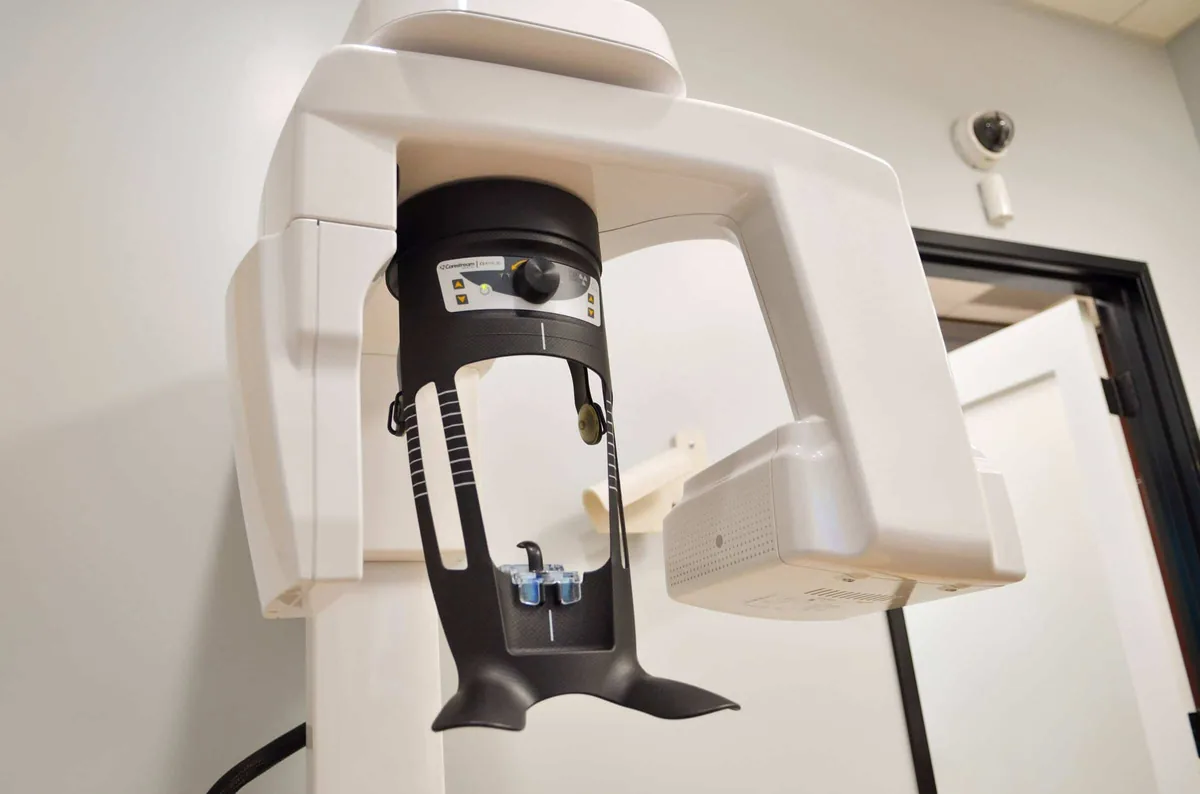
Modern imaging and techniques help dentists place implants precisely, which can mean less discomfort and faster healing. Once your bone grows around the implant, a custom crown or other restoration gets attached, bringing back your chewing ability with a secure, natural feel.
Osseointegration Explained
Osseointegration is the process by which your jawbone naturally fuses to the implant. This is critical for stability and long-term success.
Over a few months, the bone cells grow tightly around the titanium post, locking it in place just like a healthy tooth root. This strong bond lets you chew without worrying about shifting or slipping.
It also helps keep your jawbone healthy by preventing bone loss, which can occur when teeth are missing. Osseointegration is the secret behind why dental implants offer lasting comfort and function.
Chewing Efficiency With Dental Implants
Dental implants give you a strong, stable bite, letting you chew better without discomfort. They work with your jawbone and feel much more natural.
This means you can dig into your favorite foods without second-guessing your bite. Freedom like that makes a real difference at the dinner table.
Restoring Natural Bite Force
Dental implants anchor firmly into your jawbone, which helps restore the full bite force your natural teeth had. This strong connection lets you chew tough or crunchy foods like apples or nuts more easily.
The firm hold stops implants from slipping or moving. That means no awkward shifting when you bite down, unlike with removable options.
Your jaw applies more pressure safely without pain, making meals less tiring. If you have missing teeth, the bite force can drop by up to 70%, but implants help bring back most of that strength and protect your jaw health.
Improved Food Breakdown
With dental implants, your teeth can break down food into smaller pieces more easily. This helps digestion start well before food reaches your stomach.
Chewing well means you don’t have to avoid certain foods. Implants let you enjoy a balanced diet with lots of textures.
Softer dentures often reduce how much you chew, which can lead to digestive issues and poor nutrition over time. Good chewing also lowers pressure on your gums and jaw joints, reducing soreness after eating and making meals feel more natural.
Comparison With Dentures
Unlike dentures, dental implants stay fixed in place. Dentures can slip or cause sore spots, making chewing less efficient.
You might limit yourself to soft foods or cut food into tiny pieces with dentures. Implants function more like natural teeth, allowing a stronger bite force and better control when chewing.
This means you can enjoy a wider variety of foods without adjusting how you eat. Plus, implants help protect your jawbone, which keeps your facial shape healthy. Dentures don’t provide this benefit and can even speed up bone loss over time.
Long-Term Oral Health Benefits
Dental implants do more than improve how you chew now; they help keep your mouth healthier as time goes on. They protect your jawbone and keep your remaining teeth in place.
This can make a big difference for your comfort and smile as the years go by. It’s not just about today, it’s about the future, too.
Supporting Jawbone Health
When a tooth is missing, the jawbone underneath can start to shrink because it’s no longer stimulated by chewing. Dental implants act like natural tooth roots and gently press against the bone, which keeps it strong and prevents shrinkage.
If you don’t replace missing teeth with implants, bone loss can affect how your mouth feels and works. It might even change your facial shape and make chewing uncomfortable or less efficient.
Implants help you avoid these problems by supporting the bone and preserving your natural face shape. That’s a benefit you can really feel over time.
Preventing Tooth Shifting
Without a tooth or implant in place, nearby teeth can slowly move into the empty space. This shifting can cause your bite to become uneven and may lead to extra wear or stress on certain teeth.
Chewing can get harder or even painful. Dental implants fill the gap firmly, stopping other teeth from drifting and keeping your bite balanced. Your chewing stays smooth and comfortable. That’s peace of mind you can taste at every meal.
Enhanced Comfort During Eating
Eating feels much more natural and comfortable with dental implants. You get a strong hold for your teeth, so you can chew without worrying about slipping or pain.
Plus, the implants protect your gums from the irritation that many dentures cause. That’s a huge relief for anyone who’s dealt with sore spots before.
Stable and Secure Fit
Dental implants are fixed into your jawbone, making them very stable. Your teeth won’t move when you eat hard or sticky foods.
You can chew confidently, no need to stop and adjust your teeth mid-bite. Because implants are firmly anchored, you avoid the slipping and sliding that dentures often cause.
This steady fit helps you enjoy a wider variety of foods and keeps your bite strength up over time. It’s just more comfortable, plain and simple.
No Irritation to Gums
Unlike some dentures, dental implants don’t rest on your gums. This reduces sore spots and irritation you might feel with removable teeth.
Your gums stay healthier because implants don’t rub or press down on them. You won’t have to deal with the raw, tender feeling that happens during the adjustment period with other dental devices.
This comfort comes with fewer mouth sores and less sensitivity. Your gums heal well and stay comfortable while you enjoy your meals.
Everyday Impact on Diet and Nutrition
Dental implants help you eat more comfortably and enjoy a wider variety of foods. This can improve your overall nutrition and make mealtime a lot more satisfying.
You can chew harder foods without worry and finally get the nutrients your body needs. That’s not something to take for granted.
Wider Food Choices
With dental implants, you can eat many foods that might have been difficult before. Hard fruits like apples and nuts, crunchy vegetables like carrots, and even tougher meats become easier to chew.
This means you’re less likely to avoid certain foods. Being able to eat a variety of foods lets you enjoy more flavors and textures, keeping your meals interesting and balanced.
Some foods you might avoid without implants include:
Raw vegetables
Whole nuts
Lean cuts of meat
Chewy breads
Better Nutrition Intake
Eating a wide range of foods improves your nutrition. Implants let you chew thoroughly, aiding digestion and nutrient absorption.
This means your body gets the vitamins, minerals, and protein it needs for energy and health. When you avoid hard-to-chew foods, your diet may lack important nutrients like fiber and protein.
With implants, you can include leafy greens, lean proteins, and whole grains more easily. Enjoying healthy meals supports your immune system and overall wellness.
Enjoy Comfortable Chewing Again With Confidence
Struggling to chew can take the joy out of meals and make daily life frustrating. Dental implants help restore stability, comfort, and confidence so eating feels natural again.
At Dentist of West Covina, our gentle approach and modern techniques focus on long-term comfort, jaw support, and a bite you can trust.
If chewing discomfort is holding you back, request an appointment or call our West Covina Office to explore a calm, personalized solution.
Frequently Asked Questions
What can I expect from the durability and longevity of my dental implants?
Dental implants are made from strong materials like titanium. With proper care, they can last 20 years or even longer. Their stability depends on good oral hygiene and regular dental checkups. Nothing lasts forever, but these come close.
Is there a difference in chewing sensation with natural teeth versus dental implants?
Dental implants feel very close to natural teeth. They’re fixed in your jawbone, so chewing is firm and steady. You won’t have the slipping or discomfort that sometimes comes with dentures. Honestly, most people forget they even have implants after a while.
How do dental implants contribute to jawbone health over the years?
Implants help keep your jawbone healthy by stimulating bone growth. This prevents bone loss that often happens when teeth are missing. Healthy bone supports your facial structure and chewing comfort. It’s one of those hidden benefits you really appreciate with time.
Can dental implants help improve digestion through better chewing efficiency?
Yes, implants let you chew food more thoroughly. Better chewing helps break down food, making digestion easier on your stomach. You can enjoy a wider range of foods comfortably. It’s a win for both your taste buds and your gut.
What maintenance habits ensure the lasting comfort of dental implants?
Brush twice daily and floss to keep your implants clean. Regular dental visits are important to check the implant and the surrounding gums. Avoid smoking and limit sugary foods to protect your oral health. A little care goes a long way in making your implants last.
Are dental implants resistant to common dental issues like decay and wear?
Dental implants don’t decay since they aren’t made of natural tooth material. That’s a relief, right? Still, the gums and bone around implants can run into trouble if you don’t take care of them. Good hygiene and regular cleanings really make all the difference here.