
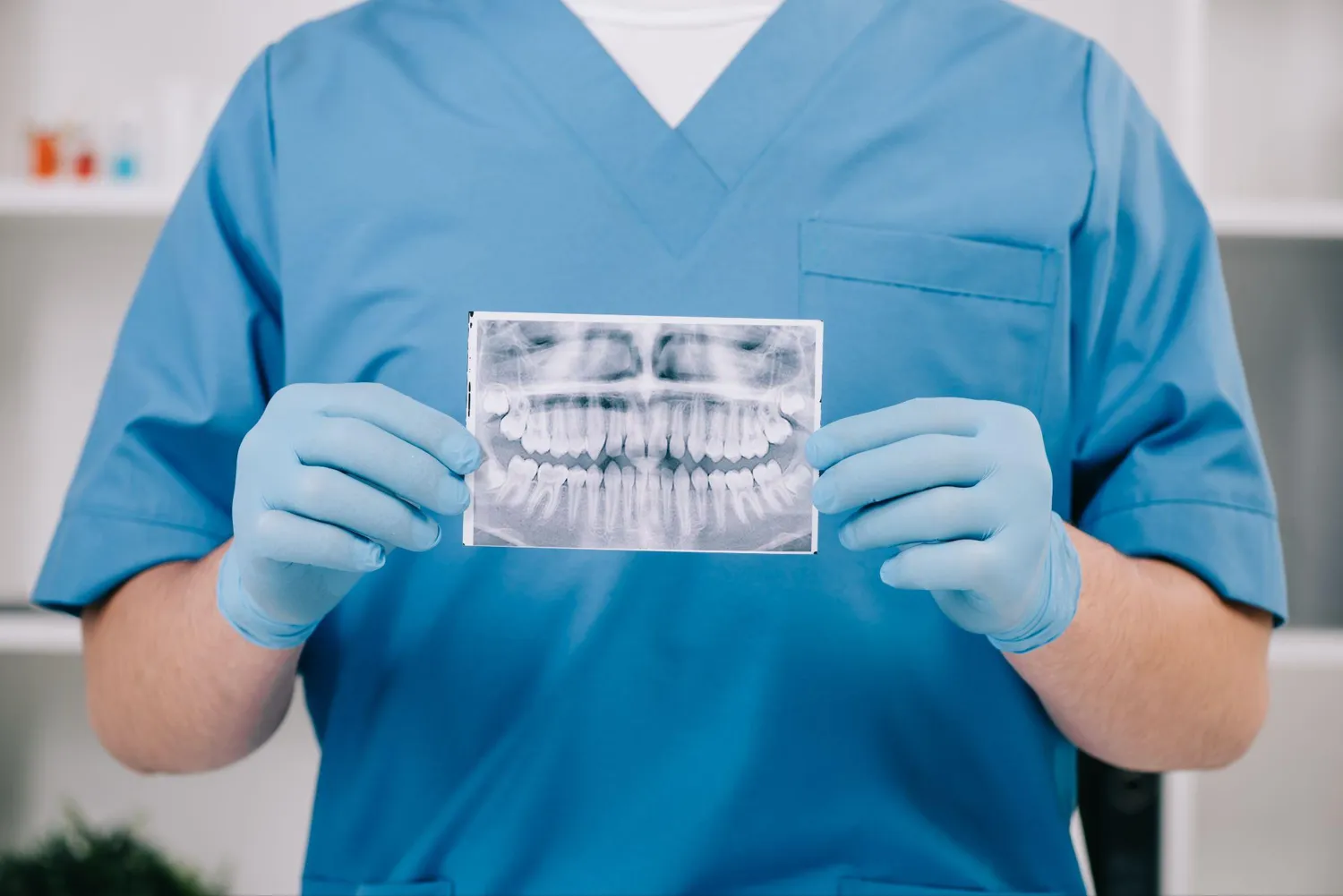
Dental problems become emergencies when pain, swelling, bleeding, infection, or injury requires prompt professional care. However, not every toothache or damaged restoration needs immediate treatment. The challenge is knowing when waiting could worsen the condition or limit treatment options. Certain changes in your symptoms can signal that routine dental care is no longer appropriate. Recognizing that turning point helps you respond quickly without treating every dental concern as an emergency.
When Should You Seek Emergency Dental Care?
A dental concern needs urgent attention when delaying treatment could allow the problem to worsen. The level of urgency often depends on your symptoms and how quickly they develop. Sudden changes generally deserve more attention than mild discomfort that remains stable. Your ability to eat, sleep, or function normally can also help indicate severity. Some conditions require same-day dental care, while others can wait for a scheduled visit. Understanding that difference can help you choose the right level of care without unnecessary delay.
Dental Problems That Require Urgent Care
Some conditions can wait for a routine appointment without adding risk. Others require faster treatment because delaying care could allow damage or complications to progress. The type of problem often provides the clearest indication of how quickly you should respond. The following dental problems commonly warrant prompt professional attention.
When Pain or Swelling Raises Concern
Pain and swelling can develop when a problem reaches deeper structures within or around a tooth. Their presence may point to pressure, inflammation, tissue damage, or bacterial activity below the surface. The intensity may increase gradually or change noticeably over a short period. Understanding what these changes can mean helps explain why some situations require faster dental attention.
Severe Tooth Pain That Does Not Improve
A mild toothache may settle quickly and cause no further problems. Persistent or intense pain can indicate decay, inflammation, infection, or damage within the tooth. Deep decay may reach the pulp and irritate its sensitive nerves and blood vessels. A crack can cause similar discomfort when pressure reaches exposed or inflamed inner tissues. Pain that interrupts sleep or continues despite basic pain relief needs professional evaluation. Early treatment may preserve more tooth structure and prevent the underlying condition from progressing.
Swelling Around the Tooth or Face
Swelling around a tooth can develop when inflammation or infection extends into nearby tissues. A raised or swollen gum near one tooth may indicate an abscess or localized infection. Facial swelling creates greater concern because the problem may extend beyond the immediate dental area. Fever, increasing tenderness, or difficulty swallowing can accompany more advanced infections. Swelling that interferes with breathing or swallowing requires immediate medical attention. Even localized swelling warrants timely dental evaluation to identify and address its underlying cause.
Traumatic Tooth and Mouth Injuries
An accident can damage a tooth even when much of its structure remains visibly intact. Falls, sports collisions, and biting hard objects can affect teeth and their supporting tissues. Damage beneath the gumline may not become obvious immediately after the incident. Certain traumatic injuries therefore require careful assessment soon after they occur.
A Knocked-Out Permanent Tooth
A knocked-out permanent tooth becomes highly time-sensitive because its supporting tissues begin changing after displacement. Handle the tooth by its crown and avoid touching its delicate root surface. Gently rinse visible dirt away without scrubbing or removing tissue attached to the root. Keep the tooth moist while arranging professional dental care as quickly as possible. Milk or a tooth-preservation solution can help when immediate reinsertion is not practical. A dentist can determine whether reimplantation remains possible and examine the area for additional damage.
A Cracked or Broken Tooth
A small enamel chip may cause little discomfort, while a deeper fracture can affect vulnerable tooth layers. Pain during chewing may develop when pressure causes a crack to move slightly. Temperature sensitivity can also occur when damaged enamel exposes less protected areas underneath. Jagged edges may irritate the tongue, cheek, or other nearby soft tissues. A dental examination can determine the fracture's depth and the most appropriate treatment. Extensive fractures deserve faster assessment when they involve significant pain, bleeding, or visible internal tooth structure.
A Tooth Pushed Out of Position
A forceful impact can shift a tooth without completely removing it from the socket. The affected tooth may look tilted, displaced, longer, or shorter than neighboring teeth. Avoid pushing it back yourself because additional pressure could damage its root or supporting tissues. A dentist can examine the socket, surrounding bone, and tooth position after the injury. Treatment may involve carefully repositioning and stabilizing the tooth while the area heals. Earlier evaluation may improve the possibility of retaining the tooth and restoring normal alignment.
Abscesses and Spreading Infections
Bacteria can enter deeper oral tissues through decay, fractures, gum pockets, or damaged teeth. Once established, an infection may create pressure and affect areas beyond its original location. The problem can continue to progress even when discomfort temporarily lessens. Dental abscesses and infections extending into nearby tissues require professional evaluation rather than home treatment alone.
A Dental Abscess
A dental abscess develops when bacterial infection causes pus to collect within or around oral tissues. Throbbing discomfort, tenderness, swelling, and temperature sensitivity can occur around the affected tooth. Some people notice an unpleasant taste when fluid begins draining into the mouth. Discomfort may also spread toward the jaw, ear, or neck as inflammation increases. Temporary relief does not mean the infection itself has resolved. Depending on its source, treatment may involve drainage, root canal therapy, extraction, or another dental procedure.
Oral Infection With Fever or Facial Changes
Fever accompanying an oral infection can indicate a broader response from the body. Enlarged lymph nodes, fatigue, facial tenderness, or increasing swelling may develop alongside the infection. Some people also experience difficulty opening their mouth as inflammation affects surrounding structures. Swallowing or breathing problems require immediate medical attention because deeper tissues or the airway may become involved. Other infection-related changes still warrant prompt dental assessment to determine their cause and extent. Appropriate treatment addresses the source of the infection rather than simply masking discomfort.
Persistent Bleeding and Deep Mouth Wounds
Cuts and minor injuries inside the mouth often heal well because oral tissues receive a strong blood supply. More extensive damage can affect deeper tissues and produce bleeding that becomes difficult to control. The location and depth of an injury can also influence the type of care required. Persistent bleeding and substantial soft-tissue wounds deserve closer professional assessment.

Bleeding That Will Not Stop
Minor gum bleeding differs considerably from persistent bleeding following an injury or dental trauma. Applying steady pressure with clean gauze may help control bleeding from a small wound. Bleeding that gradually slows may indicate that normal clotting has begun. Continued or heavy blood loss requires faster evaluation, particularly when the wound appears deep. Medications that affect blood clotting can also influence how long bleeding continues. Seek medical attention when bleeding remains uncontrolled or occurs alongside significant facial or head trauma.
Deep Cuts to the Tongue, Lips, or Gums
Small cuts inside the mouth often heal without extensive professional treatment. Deeper wounds may need evaluation when their edges separate or tissue damage appears substantial. Tongue injuries can produce considerable bleeding because the area contains many blood vessels. Wounds containing debris or caused by contaminated objects also require careful attention. A dental or medical professional can determine whether cleaning, sutures, or other treatment is appropriate. Significant swelling, persistent bleeding, or breathing difficulties require more immediate medical assessment.
What to Do During a Dental Crisis
What you do before professional treatment can affect comfort and, in some cases, the injured tooth's outcome. First aid should protect the area rather than attempt complicated treatment at home. Contacting a dentist early also helps you receive instructions suited to the specific problem. A few practical measures can reduce further damage while you arrange professional evaluation.
Protect the Injured Area
Start by gently rinsing your mouth when debris, blood, or food surrounds the affected area. Avoid aggressive rinsing after major trauma because damaged tissues may already be sensitive. A cold compress on the outside of the face can help manage swelling after many dental injuries. Choose soft foods and avoid chewing directly on a damaged or painful tooth. Do not place aspirin directly against the gums because it can irritate oral tissues. Protecting the area reduces unnecessary pressure until a dentist can identify the underlying damage.
Know When Medical Care Comes First
Some mouth problems extend beyond what a dental office can safely provide. Breathing difficulty, swallowing problems, or rapidly increasing facial swelling require emergency medical attention. Major facial trauma may also involve fractures, head injuries, or uncontrolled bleeding requiring hospital assessment. Loss of consciousness, confusion, or severe neck symptoms should not wait for dental treatment. Medical professionals can address immediate threats before dental repair becomes the next priority. After stabilization, a dentist can evaluate damaged teeth and plan the appropriate follow-up care.
Steps to Take Before You Reach the Dentist
What you do immediately after a serious dental problem can affect further damage and discomfort. Stay focused on protecting the affected area rather than attempting complicated treatment yourself. Gentle care can prevent additional irritation while you contact a dental professional for instructions. The appropriate response will depend on the type of injury, pain, bleeding, or swelling involved. Avoid unverified home remedies that could damage oral tissues or interfere with professional treatment. Simple protective measures can help keep the situation stable until you receive appropriate care.
Respond to a Dental Emergency Without Delay
Waiting for severe dental trouble to improve on its own can narrow your treatment options. Contact a dentist when pain, swelling, injury, or other concerning changes begin affecting daily life. Early professional care can address the cause before avoidable damage creates a more complicated problem. When breathing, swallowing, or uncontrolled bleeding becomes involved, seek immediate medical care instead. A timely decision today could mean the difference between preserving a tooth and facing more extensive treatment.
Find practical advice for protecting your teeth and handling common dental concerns. Visit the Dentist of West Covina blog for more helpful oral health resources.
