
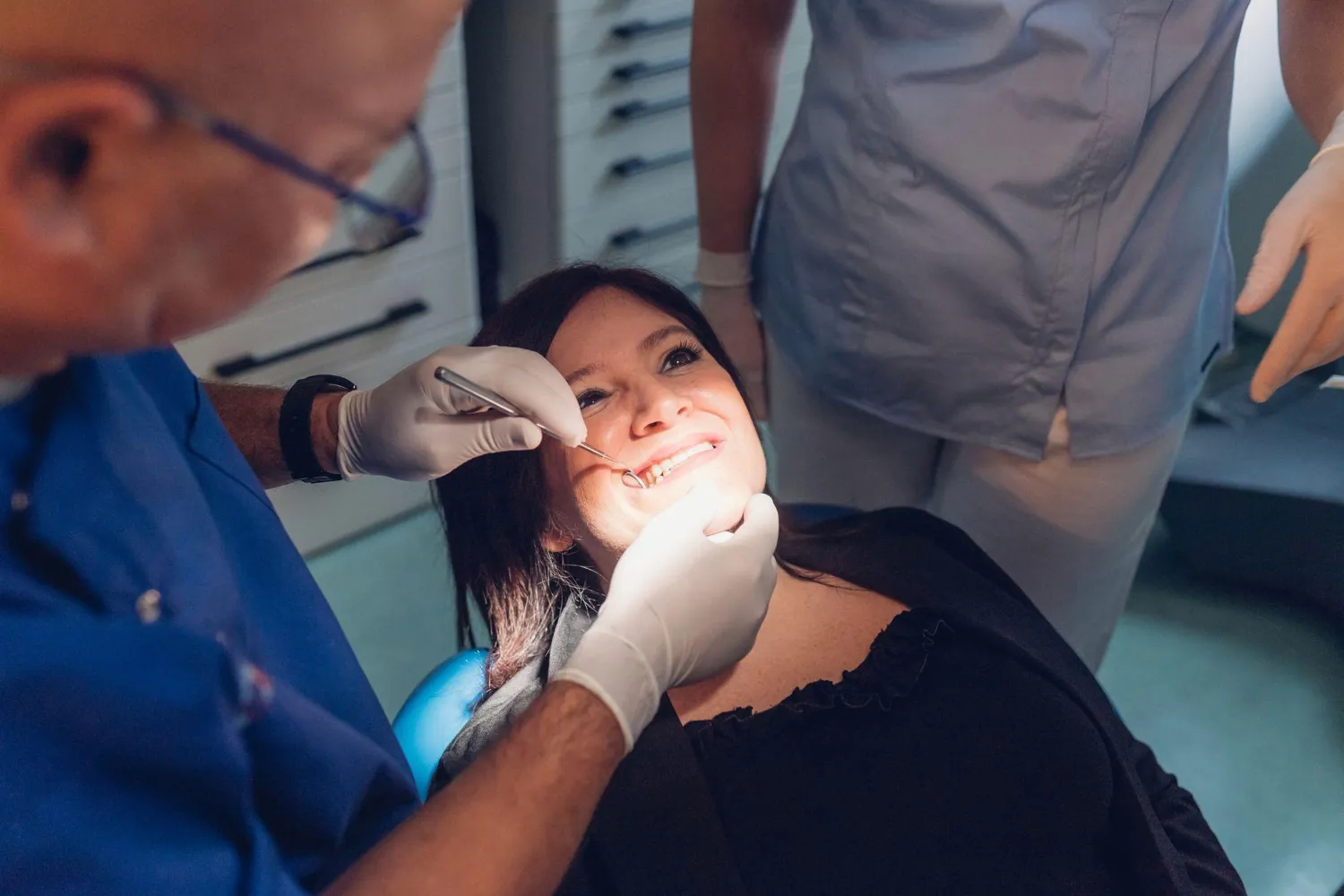
A dental emergency can leave you dealing with pain while wondering what treatment comes next. During an emergency dental visit, the dentist examines the problem and determines what needs immediate attention. The appointment may include diagnostic tests, pain management, and treatment based on the findings. Some situations require same-day care, while others need follow-up treatment after the problem is stabilized. Knowing the general process can help you arrive prepared and make informed decisions about your care.
What Counts as a Dental Emergency?
Not every dental problem requires immediate treatment, but certain symptoms should receive prompt attention. Severe pain, uncontrolled bleeding, and facial swelling can indicate problems that may worsen quickly. Dental trauma also requires timely assessment when a tooth becomes loose, fractured, or completely displaced. Understanding these situations helps patients decide when waiting for a regular appointment may create unnecessary risks.
Severe Tooth Pain and Swelling
Intense tooth pain often signals inflammation, infection, decay, or damage inside the tooth. Pain may remain constant or become stronger while chewing, drinking, or lying down. Swelling around the gums or face can suggest an infection affecting nearby tissues. A dentist will examine the painful area and determine what may be causing the symptoms. Treatment may involve draining an infection, repairing damage, or addressing an inflamed tooth nerve. Rapid care can reduce discomfort while limiting the chance of the problem becoming more complicated.
Broken, Cracked, or Knocked-Out Teeth
Accidents can fracture teeth during sports, falls, meals, or everyday activities. Some cracks only affect the outer enamel, while deeper fractures can expose sensitive tooth structures. A knocked-out permanent tooth requires especially fast attention because timing can affect treatment options. Handle the tooth carefully by its crown rather than touching the root surface. Keep it moist and contact a dental office immediately for instructions before traveling there. The dentist will assess the injury and determine whether restoration, stabilization, or another procedure is appropriate.
Lost Fillings, Crowns, and Dental Work
Lost fillings and crowns can expose sensitive areas and make eating uncomfortable. The affected tooth may react strongly to temperature, pressure, or sugary foods. Avoid using household glue or other products to secure a loose restoration. Instead, keep the crown or restoration and contact a dental office for instructions. The dentist will check for decay, fractures, or other damage before replacing it. Depending on the tooth's condition, you may receive a temporary or permanent restoration.
What Happens When You Call for Urgent Care?
An emergency dental appointment often begins before you enter the treatment room. Office staff usually ask targeted questions to understand your symptoms and their severity. Your answers help the team determine how quickly you should receive an examination. They may also provide practical instructions for managing the situation until you reach the office.
The Dental Team Screens Your Symptoms
The receptionist or clinical team may ask when the problem started and how it happened. They may also ask about pain, swelling, bleeding, fever, or recent dental procedures. Details about trauma can help them understand whether a tooth has shifted or fractured. Mention medications, allergies, and relevant health concerns when the office requests that information. Clear answers help the dental team prepare for your arrival and possible treatment needs. Some symptoms may require medical emergency care instead, especially when breathing or swallowing becomes difficult.
You Receive Instructions Before Arrival
The dental office may recommend simple measures based on the problem you describe. A displaced tooth may require different handling than a lost filling or swollen gum. You might receive guidance about preserving a tooth fragment until your appointment. The team may also explain safe ways to control minor bleeding or protect damaged tissue. Follow those directions carefully rather than attempting complicated home repairs yourself. Prompt professional care remains important even when temporary measures reduce your discomfort.
How Dentists Determine Treatment Priority
The dentist considers pain severity, infection, bleeding, and tissue damage when planning immediate care. Problems threatening a tooth or surrounding tissues may receive treatment before less urgent concerns. Your overall health can also influence which procedures are appropriate during the appointment. Diagnostic findings help the dentist separate the immediate problem from unrelated dental conditions. The goal is to address the issue causing the greatest current risk first. Other dental needs can receive attention later through scheduled follow-up appointments.
What Happens During the Dental Examination?
Your urgent visit usually starts with a focused evaluation rather than immediate treatment. The dentist first needs to identify the source and extent of the problem. That process may involve questions, a physical examination, and diagnostic imaging when appropriate. The findings guide treatment while helping the dentist avoid unnecessary procedures.
The Dentist Reviews Your Symptoms
The dentist will ask you to describe your pain and other noticeable changes. You may need to explain when symptoms began and what makes them worse. Information about recent injuries or dental work can provide useful diagnostic clues. The dentist may ask about sensitivity to temperature, pressure, or certain foods. They will also review relevant health information before recommending treatment or medication. Accurate details can help distinguish between several conditions that produce similar types of dental pain.
Your Mouth and Teeth Are Examined
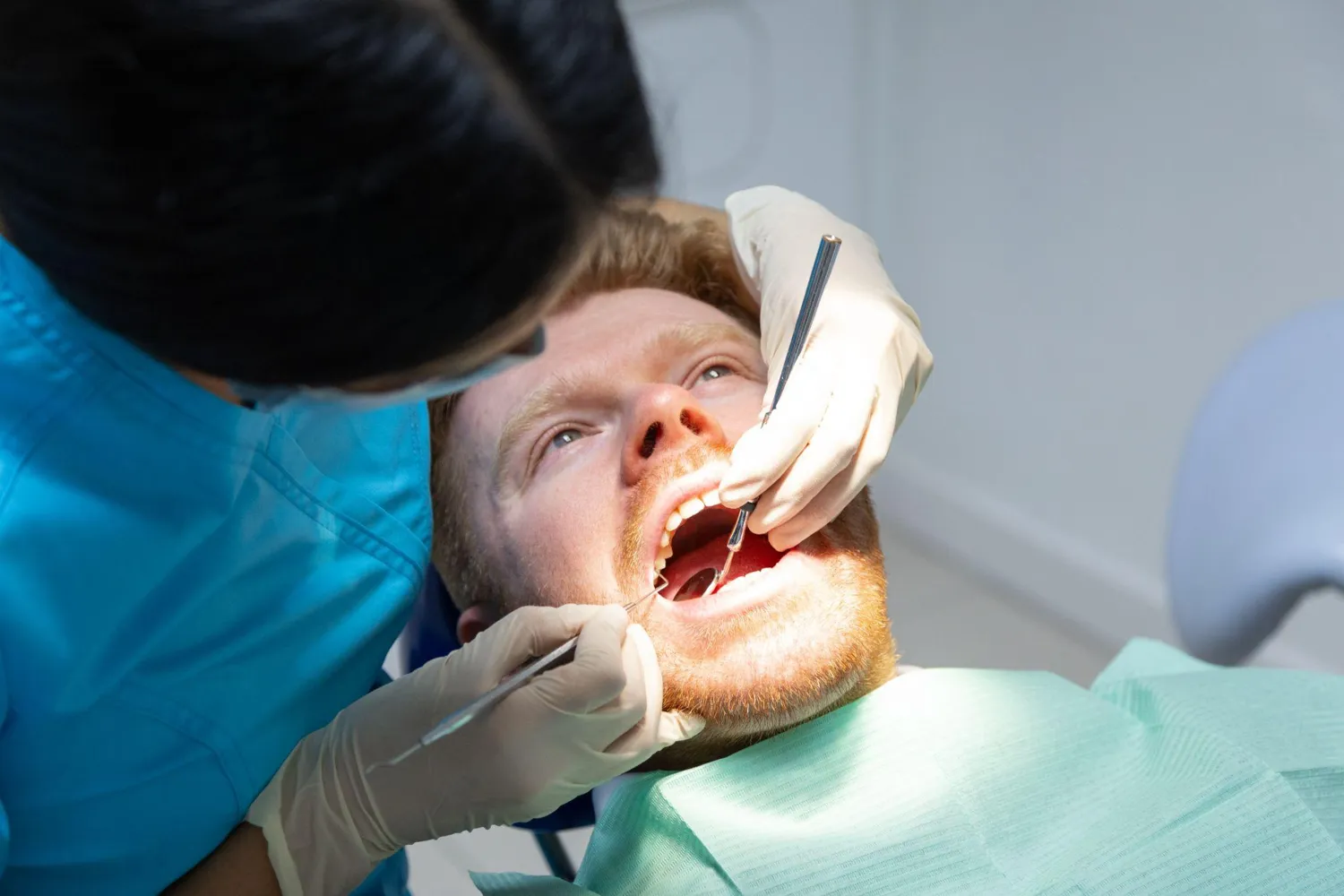
The clinical examination focuses closely on the area causing your immediate concern. Your dentist may inspect the teeth, gums, tongue, jaw, and nearby soft tissues. They may gently test certain teeth for tenderness, movement, or sensitivity. Bite changes can also reveal damage that might not appear obvious at first glance. The dentist may check for swelling, drainage, fractures, or signs of infection. These findings help narrow the diagnosis and determine what care you need that day.
Dental X-Rays May Identify Hidden Problems
Some dental problems develop below the gums or inside structures that cannot be seen directly. X-rays can reveal decay, bone changes, root damage, or other hidden concerns. Imaging may also show how deeply a fracture or infection affects nearby structures. The dentist chooses imaging based on your symptoms rather than using it automatically. Results are considered alongside the physical examination and your description of the problem. Together, those details help create a clearer diagnosis and a more appropriate treatment plan.
How Emergency Dental Treatment Works
Treatment depends on the diagnosis, damage severity, and condition of surrounding tissues. The immediate goal is often to relieve pain and prevent further harm. Some problems can receive definitive treatment during the same urgent appointment. Others require temporary care before a planned follow-up procedure can safely address the underlying issue.
Pain Relief and Infection Control
Dentists often begin treatment by addressing the source of significant discomfort. Local anesthetic may numb the affected area before a procedure begins. An abscess may require drainage or treatment of the infected tooth. Antibiotics are not appropriate for every toothache and do not replace necessary dental treatment. The dentist decides when medication fits the clinical findings and your overall health situation. Addressing the cause offers a better path forward than masking persistent pain.

Repairing a Damaged Tooth
A chipped or fractured tooth may need bonding, a filling, or another restoration. Treatment depends on how much healthy tooth structure remains after the damage. Minor fractures may require less extensive care when the inner tooth remains protected. More serious damage can involve the pulp and require additional treatment before restoration. The dentist will explain available options after evaluating the fracture and surrounding tissues. Protecting the remaining tooth structure becomes a major consideration when selecting the appropriate repair.
When a Tooth Cannot Be Saved
Severe decay, fractures, or infection can sometimes leave too little healthy structure for repair. The dentist will examine the tooth before deciding if removal is appropriate. X-rays may help show root damage, bone involvement, or fractures beneath the gumline. Extraction may become an option when predictable restoration is no longer possible. The dentist should explain alternatives and what to expect before proceeding. Future tooth replacement options can then be discussed after the immediate problem receives care.
Treating an Injured or Displaced Tooth
Dental trauma can move a tooth from its normal position without removing it completely. The dentist will assess its position, stability, and surrounding bone and gum tissues. Some injured teeth may need repositioning or temporary stabilization while healing occurs. Follow-up examinations help the dentist monitor the tooth after the initial emergency treatment. Additional procedures may become necessary if the tooth's nerve or supporting structures develop problems. Early evaluation gives the dental team more information and may expand possible treatment choices.
When Temporary Dental Care Comes First
An urgent appointment does not always end with a permanent dental repair. Severe inflammation or complex damage may require treatment across multiple visits. The dentist may stabilize the problem first and schedule definitive care afterward. That approach can protect the area while addressing immediate pain, infection, or additional damage.
Temporary Fillings and Protective Repairs
A temporary restoration can cover exposed or weakened areas until permanent treatment occurs. It may reduce sensitivity and protect damaged tooth structures from further irritation. Temporary materials are designed for short-term protection, not indefinite use. Follow instructions for chewing and cleaning around the treated tooth. Contact the office if the temporary repair loosens or your symptoms worsen noticeably. Completing the recommended follow-up treatment helps prevent the original problem from returning or progressing.
Follow-Up Treatment After the Emergency
The first appointment may address immediate symptoms without completing every necessary procedure. You might return for a permanent restoration, root canal treatment, extraction, or another service. Follow-up care also lets the dentist check how injured tissues are healing. Some traumatic injuries need monitoring because complications can develop after the initial pain decreases. Attend scheduled appointments even when the tooth starts feeling considerably better. A quieter tooth does not always mean the underlying condition has fully resolved.
What to Expect After Urgent Dental Care
Recovery varies depending on the original problem and the treatment you received. Mild soreness can occur after some procedures as the affected tissues settle. Your dental team should explain normal symptoms and warning signs before you leave. Following those instructions can make recovery easier and help you recognize problems that require another evaluation.
Managing Discomfort at Home
Your dentist may recommend appropriate pain relief based on your treatment and medical history. Take medications exactly as directed and avoid exceeding recommended amounts. Cold compresses may help with swelling after certain dental injuries or procedures. Softer foods can also reduce pressure on a tender or recently treated tooth. Avoid chewing directly on the affected area when your dentist advises doing so. Contact the office if discomfort becomes unexpectedly severe or continues beyond the expected recovery period.
Watching for Warning Signs
Some symptoms deserve additional attention after an urgent dental procedure. Increasing swelling can indicate inflammation or infection that needs further assessment. Persistent bleeding, worsening pain, fever, or unusual drainage should also prompt a call. Difficulty breathing or swallowing can signal a serious problem requiring immediate medical attention. Your dental team can explain which symptoms relate specifically to your procedure. Acting quickly when concerning changes appear can prevent a manageable issue from becoming more difficult.
When Dental Symptoms Need Medical Care
Some dental problems require medical attention because they extend beyond the teeth and gums. Seek emergency medical care for breathing difficulties, severe facial trauma, or bleeding that will not stop. Rapidly increasing facial or neck swelling with difficulty swallowing also needs immediate medical evaluation. Hospitals can address serious infections, injuries, bleeding, and other complications that threaten your overall health. However, emergency departments may not provide the dental procedures needed to repair the underlying tooth problem. After urgent medical risks are treated, you may still need a dentist for appropriate dental care.
Get Emergency Dental Care Without Delay
Dental emergencies become easier to manage when you know what the visit may involve. Prompt evaluation allows the dentist to identify pain, infection, or structural damage. Delaying treatment can narrow your options as the problem progresses. Contact a dental professional promptly when severe symptoms, trauma, or worsening swelling demand urgent attention.
Stay informed about dental problems before they become harder to manage. Visit the Dentist of West Covina blog for straightforward advice on oral health, preventive care, and available dental treatments.
