
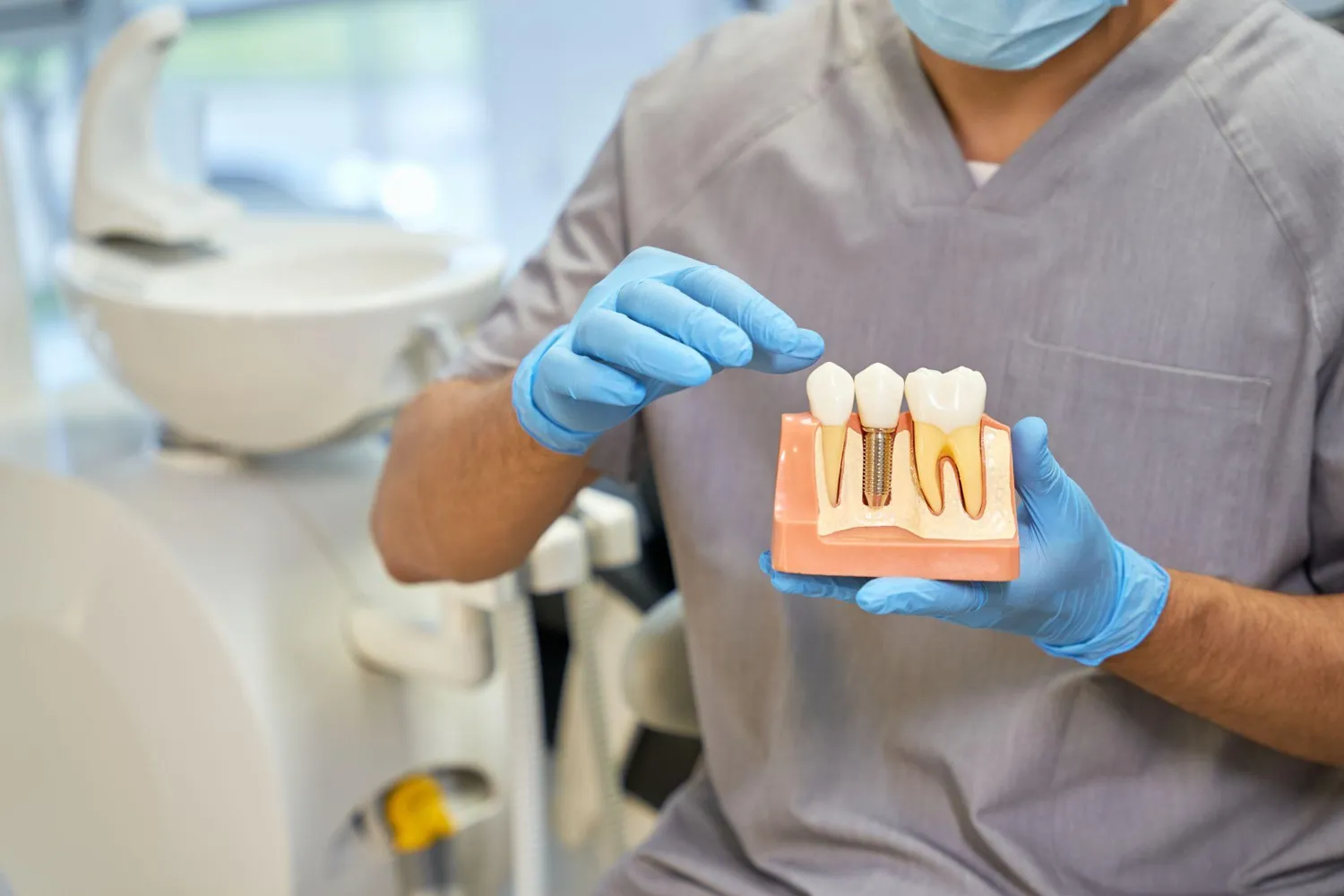
A healthy smile depends on strong teeth, stable bone, and comfortable everyday function. Changes in tooth structure can affect chewing, speech, appearance, and overall oral health. Modern restorative dentistry offers several ways to rebuild areas that need reliable support. Dental implants provide a durable solution that closely recreates a natural tooth's structure and function. Understanding how implants work can help you make informed choices about your long-term dental care.
Understanding Dental Implants
Dental implants replace missing teeth using a structure anchored within the jawbone. Unlike removable options, they become a stable foundation for replacement teeth. Their design helps restore function while supporting the tissues surrounding the missing tooth. Understanding each component makes the treatment process easier to evaluate.
What a Dental Implant Actually Is
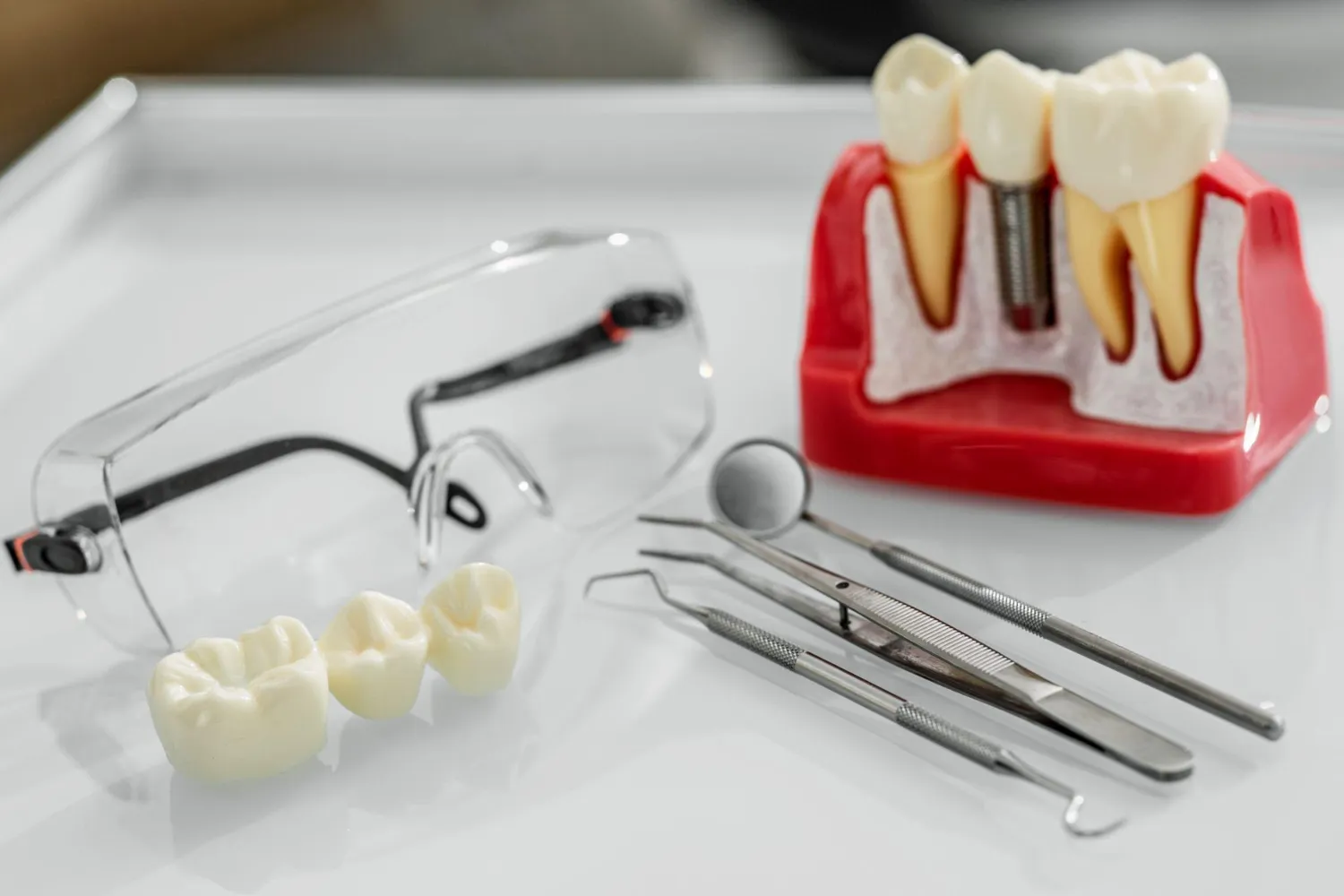
A dental implant is a small post placed into the jaw where a tooth once sat. Most implant posts use titanium because the body generally accepts this material well. The post acts much like the root of a natural tooth. An abutment connects the implant post to the visible replacement tooth above it. A custom crown then restores the missing tooth's appearance and chewing surface. Together, these components create a replacement designed for stability and everyday function.
How Implants Differ From Natural Teeth
Natural teeth connect to bone through tissues called periodontal ligaments. Dental implants instead connect directly to the surrounding jawbone. This connection gives the restoration strong support during normal biting and chewing. However, implants do not have the same nerve structures as natural teeth. You will not feel temperature or pressure through an implant exactly like a natural tooth. Healthy gums and surrounding bone still need regular care to support the restoration.
How Dental Implants Support Oral Health
Replacing a missing tooth addresses problems that can develop beyond the visible gap. Tooth loss may affect nearby teeth, bone, chewing patterns, and daily cleaning habits. Dental implants can help limit several changes associated with untreated tooth loss. Their benefits become clearer when considering how the mouth responds after losing teeth.
Helping Preserve the Jawbone
Tooth roots transfer chewing forces into the jawbone during everyday meals. These forces stimulate the bone and help it maintain its structure. After tooth loss, the bone around the empty socket can gradually shrink. After successful healing and restoration, an implant transfers chewing forces into that area. This stimulation can help preserve more bone than leaving the space untreated. Maintaining jawbone structure also provides stronger support for nearby teeth and facial tissues.
Keeping Nearby Teeth More Stable
A missing tooth creates space that neighboring teeth may gradually move toward. Shifting teeth can alter alignment and create areas that become harder to clean. Alignment changes may also affect how the upper and lower teeth meet. An implant fills the missing space without requiring neighboring teeth for primary support. This approach can help maintain the existing position of surrounding healthy teeth. Stable spacing can also make brushing, flossing, and routine dental care more manageable.
Dental Implants and Everyday Function
Tooth replacement should support daily activities, not just appearance. Comfortable chewing and clear speech can affect nutrition, communication, and everyday confidence. Dental implants remain fixed in place and function differently from removable tooth replacements. Their stability can make routine activities feel more natural after the mouth adjusts.

Restoring Stronger Chewing Function
Missing teeth can make certain foods difficult or uncomfortable to chew properly. Some people begin favoring one side of their mouth without realizing it. This habit may place uneven pressure on the remaining teeth and chewing muscles. Implant-supported teeth provide a stable surface for breaking down food during meals. Their secure foundation reduces the movement associated with some removable dental appliances. Improved chewing ability can also make it easier to maintain a varied diet.
Supporting Clearer Speech
Teeth help control airflow and tongue placement when people form certain sounds. Missing teeth may therefore change pronunciation, especially when several teeth are absent. Some removable appliances can also move slightly while a person speaks. Implant-supported restorations stay securely positioned after proper placement and healing. This stability can help the tongue and lips adapt to consistent tooth positions. Many patients find speaking becomes more comfortable once they adjust to their restorations.
The Dental Implant Treatment Process
Dental implant treatment usually involves several stages rather than one dental appointment. Each stage gives the dentist time to evaluate, place, heal, and restore the implant properly. Treatment length varies because every patient has different bone and oral health conditions. Knowing the usual sequence can make planning and expectations more realistic.
Evaluation and Treatment Planning
The process begins with a detailed examination of your teeth, gums, and jaw. Your dental provider reviews your health history and discusses your tooth replacement goals. Dental imaging helps determine available bone volume and nearby anatomical structures. Gum health also receives attention because active disease can interfere with implant treatment. Some patients need additional procedures before the implant can be placed successfully. Careful planning allows the dental team to choose an appropriate implant position and restoration design.
Implant Placement and Bone Healing
During placement, the dentist or specialist positions the implant post within the prepared jawbone. Local anesthesia usually helps keep the treatment area comfortable during the procedure. Healing then allows the surrounding bone to form a stable connection with the implant surface. Dentists call this biological process osseointegration, and it generally requires several months. Healing time can vary according to bone quality, implant location, and individual health factors. Following postoperative instructions supports healing and helps reduce avoidable complications.
Adding the Final Dental Restoration
The restorative stage begins after the implant develops adequate stability within the jawbone. An abutment may be attached to create the connection for the replacement tooth. Your dental team then designs a crown that fits your bite and surrounding teeth. The restoration should match nearby teeth in shape, size, and overall appearance. Your dentist also checks how the new tooth contacts opposing teeth when you bite. A proper fit helps distribute chewing forces and supports comfortable long-term use.
Who May Benefit From Dental Implants
Dental implants can replace one tooth, several teeth, or an entire dental arch. However, treatment suitability depends on more than the number of missing teeth. Bone condition, gum health, medical history, and daily habits can influence treatment planning. A professional evaluation determines which replacement approach best matches each person's needs.
Candidates for Implant Treatment
Many adults with missing teeth may qualify for dental implant treatment. Healthy gums provide a better environment for supporting implants after placement. Adequate jawbone is also needed to hold the implant securely during healing. Good daily oral hygiene helps protect the tissues surrounding the restoration over time. Certain health conditions or medications may require additional planning before treatment begins. Your dental provider can review these factors and explain their relevance to implant treatment.
When Bone Grafting May Be Needed
Some patients lack enough bone for an implant at the planned treatment site. Bone loss can occur after long-term tooth loss, gum disease, infection, or injury. A bone graft can add volume where stronger implant support is needed. Different grafting methods exist, depending on the location and amount of missing bone. Healing may be necessary before implant placement, which can extend the treatment timeline. Your dental provider can determine whether grafting would improve the foundation for treatment.
Dental Implants Compared With Other Options
Several treatments can replace missing teeth, and each option works differently. The best choice depends on oral health, missing tooth location, budget, and personal preferences. Dental implants provide independent support, while other restorations may rely on neighboring structures. Comparing these differences can help patients discuss realistic choices with their dental providers.
Dental Implants Versus Dental Bridges
A traditional dental bridge uses nearby teeth to support a replacement tooth. Those supporting teeth usually require preparation so crowns can fit over them. An implant can replace one missing tooth without using adjacent teeth as anchors. This difference may preserve more natural tooth structure when neighboring teeth remain healthy. However, implant treatment often requires surgery and a longer overall treatment period. Your dentist can compare both approaches based on the condition of the surrounding teeth.
Dental Implants Versus Dentures
Traditional dentures replace several missing teeth using a removable dental appliance. They can restore appearance and function without placing individual implants for every tooth. However, removable dentures may shift during eating or speaking in some situations. Implant-supported options can provide greater stability because implants anchor the restoration to the jaw. Some implant restorations remain removable, while others stay fixed in place. The appropriate design depends on bone availability, oral health, and restoration goals.
Caring for Dental Implants Long Term
Dental implants cannot develop cavities, but their surrounding tissues can still develop problems. Plaque can collect around implant restorations just as it collects around natural teeth. Consistent home care and professional monitoring help protect the gums and supporting bone. Long-term implant care therefore remains part of everyday oral hygiene.
Brushing and Cleaning Around Implants
Brush implant-supported teeth thoroughly using techniques recommended by your dental provider. Cleaning along the gumline helps remove plaque where inflammation often begins. Floss or use specialized cleaning tools to reach spaces around implant restorations. Some restoration designs require interdental brushes or other tools for effective daily cleaning. Your dental team can demonstrate techniques suited to your specific implant and restoration. A consistent routine protects both the implant area and your remaining natural teeth.
Keeping Regular Dental Appointments
Routine dental visits allow your provider to examine the tissues surrounding each implant. The dental team can check gum health, restoration condition, and changes in your bite. Professional cleaning also removes deposits that home brushing may leave behind. Periodic imaging may help evaluate the supporting bone when clinically appropriate. Addressing inflammation or restoration problems early can prevent smaller concerns from becoming harder to manage. Regular monitoring also helps protect your broader oral health beyond the implant itself.
How Long Dental Implants Can Last
Implant treatment represents a long-term approach to replacing missing teeth. However, no dental restoration comes with a guaranteed lifetime of trouble-free use. Implant posts and their attached restorations also have different maintenance needs. Understanding those differences helps patients plan for future dental care and possible repairs.
Implant Lifespan and Maintenance
A well-maintained implant can remain functional for many years under favorable conditions. Its lifespan depends on oral hygiene, bone health, habits, and overall health factors. Regular dental examinations help identify tissue changes or mechanical problems around the implant. Good plaque control reduces inflammation that could threaten the supporting gum and bone. Avoiding tobacco can also improve the conditions surrounding implant treatment and healing. Consistent care gives an implant the best chance of dependable long-term performance.
When Implant Crowns Need Attention
The visible crown experiences daily chewing forces even when the implant remains healthy. Over time, the crown may chip, loosen, wear, or require replacement. Changes in nearby teeth can also affect its appearance or contact points. A loose restoration deserves prompt attention because continued chewing may damage its components. Dentists can often repair or replace the restoration without removing a healthy implant post. Regular examinations help distinguish a crown problem from an issue involving the implant itself.
Choose Dental Implants for Lasting Support
Dental implants can provide dependable support when restoring your smile requires more than a temporary solution. Addressing tooth loss promptly may also help prevent unwanted changes in your bite and jawbone. A dental evaluation can clarify your options based on your oral health and individual needs. Speak with a qualified dental provider to determine if implants are right for your smile.
Keep building your dental knowledge with practical insights from the Dentist of West Covina blog, created to support smarter oral health decisions.
