If you have veneers, it’s normal to worry about chips, stains, or a veneer feeling “off” over time. The good news is that veneer maintenance tips for long-lasting results in West Covina can be simple and realistic, even with a busy schedule.
At Dentist of West Covina, we focus on comfort-first care, modern tools, and a plan that fits your habits, so veneer upkeep feels calm and doable.
Below, you’ll learn what protects veneers most, what to avoid, how to keep them clean without scratching, and when to call your dentist so small issues don’t turn into bigger ones.
Essential Veneer Maintenance Habits
Keeping veneers in good shape really just means sticking to some easy daily routines. The right cleaning methods, gentle brushing, and choosing decent oral care products can help your veneers look their best for years.
Daily Cleaning Techniques
Clean your veneers every day to stop plaque and stains from building up. Grab a soft-bristled toothbrush and brush gently, at least twice a day.
Don’t forget the gum line. Keep every surface clean for a healthier mouth. Rinsing your mouth after meals helps wash away food bits.
Skip the abrasive toothpaste and harsh scrubbing, since those can scratch your veneers. Flossing daily keeps debris out from between your teeth, helping prevent gum irritation and keeping things tidy around the veneers.
If you’re wearing veneers, think about using an antimicrobial mouthwash to cut down on bacteria and keep your breath fresh. Ask your dentist if you’re unsure which one to try.
Gentle Brushing And Flossing
It’s easy to forget, but veneers need a little extra care when brushing and flossing. Use a soft toothbrush and gentle strokes to protect the edges.
Hard brushing can chip or loosen veneers over time. When you floss, slide it gently up and down rather than snapping it through.
If flossing feels awkward, floss picks or water flossers can be a lifesaver. They’re often easier and safer for veneers. Consistency is key here; it’s not about being perfect every time.
Recommended Oral Care Products
Stick with oral care products made for sensitive teeth or veneers. Non-abrasive toothpaste is the way to go. Scratches are not your friend.
Whitening toothpaste can have harsh chemicals that dull the finish, so it’s better to avoid those. If you’re into electric toothbrushes, pick one with a soft head and gentle mode.
Mouthwashes without alcohol are better, since alcohol dries your mouth and could affect the adhesive bond. If you’re ever unsure, your dental professional can help you pick products that fit your needs and keep your veneers looking their best.
Dietary Choices For Veneer Longevity
What you eat and drink really matters if you want your veneers to last. The right choices help keep them strong and looking good, sometimes for years.
It’s not just about avoiding certain foods. It’s about making small swaps that make a big difference, especially when you’re following veneer maintenance tips for long-lasting results in West Covina.
Foods To Avoid
Hard and sticky foods are trouble for veneers. Biting down on ice, hard candies, or nuts can crack or loosen them.
Chewing on pens or fingernails is not a good idea. Sugary snacks like candy and sweets can also increase the risk of decay around your veneers.
Acidic foods, like citrus fruits or pickles, can weaken the bonding over time. Try to keep those to a minimum if you want your veneers to go the distance.
Veneer-Friendly Meal Suggestions
Soft foods are just easier on veneers. Cooked veggies, yogurt, eggs, and soft fruits like bananas or berries are all great choices.
Whole grains and lean proteins, like chicken or fish, support your oral health and don’t hurt veneers. Use a knife and fork to cut tough foods instead of biting into them.
That small change can really help prevent chips. And don’t forget water. Drinking plenty with your meals helps wash away food particles gently.
Impact Of Beverages On Veneers
Drinks like coffee, tea, red wine, and soda can stain veneers if you have them too often. If you don’t want to give them up, just rinse your mouth with water afterward.
Sugary and acidic drinks can mess with the glue that holds veneers in place. Using a straw helps keep those drinks away from your front teeth.
Water or milk is your safest bet for keeping veneers healthy and lasting. If you’re not sure what’s best for your lifestyle, a dental professional can help with advice that fits you.
Protecting Veneers From Damage
Keeping your veneers safe means steering clear of habits and situations that can chip, crack, or wear them down. Sometimes it’s just about being mindful or using protective gear when you need it.
Avoiding Bad Habits
Some habits quietly ruin veneers over time. Avoid biting on hard objects like ice, pens, or fingernails. These can chip porcelain or resin quickly.
If you grind or clench your teeth, especially at night, you’re putting a lot of pressure on veneers. Talk to your dentist if you think this might be you. A nightguard could help.
Chewing sticky foods or using your teeth as tools isn’t worth it. Reach for scissors or the right tool instead of risking your smile.
Custom Mouthguard Usage
If you play sports or grind your teeth at night, a custom mouthguard is a must. A professionally fitted guard protects veneers from impact and stress.
Store-bought guards usually don’t fit well and can be uncomfortable or slip out of place. Custom guards from your dentist feel snug and actually work.
After you use your mouthguard, clean it gently and store it properly. That way, it stays effective and hygienic.
Managing Oral Injuries
Accidents happen. If you take a fall or get hit in the mouth, check for cracks or loose veneers right away.
Call your dentist if you spot damage or feel pain. Quick action can save your veneers and prevent bigger headaches.
Sports injuries are common, so wearing a mouthguard and staying alert during activities really pays off. Avoiding risky habits and being careful can help you dodge a lot of problems.
Professional Care In West Covina
Veneer care goes beyond brushing and flossing at home. Regular check-ins with your dental professional, plus thorough cleanings, help keep veneers strong and looking great.
Routine Dental Checkups
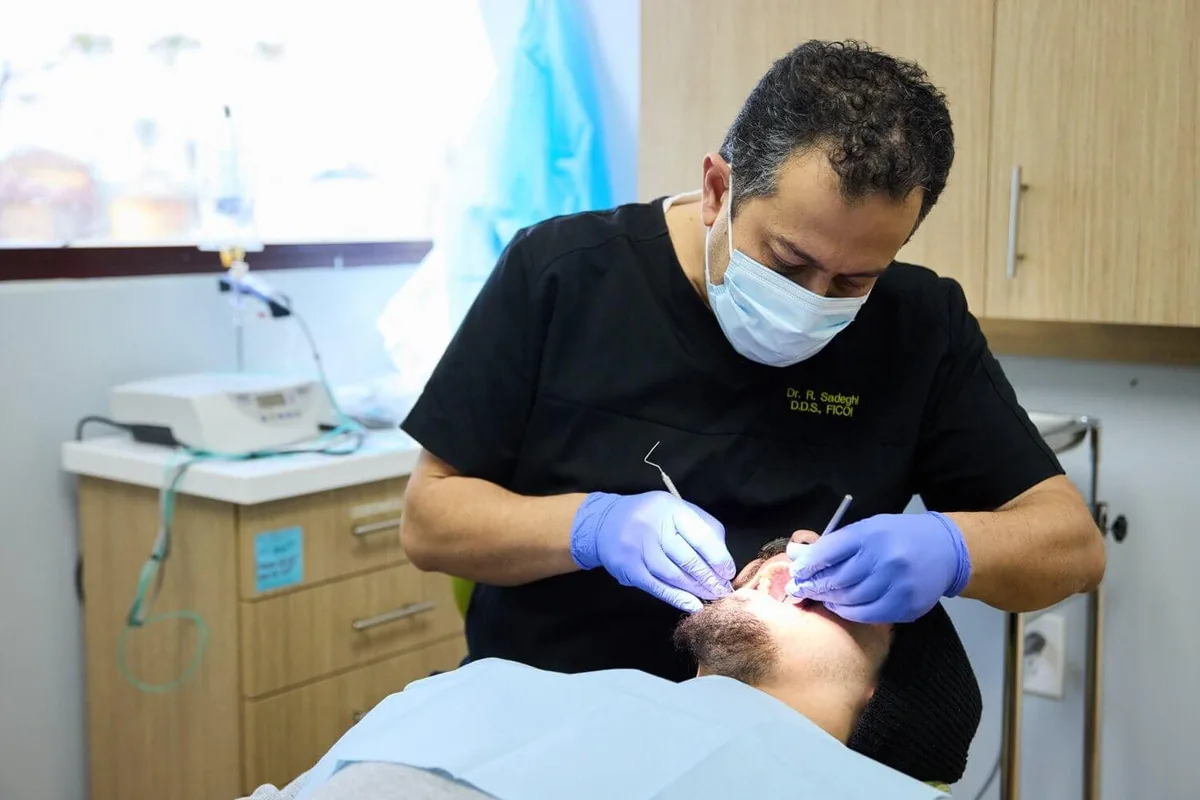
Regular checkups let your dentist catch problems early. They’ll examine your veneers and surrounding teeth for chips, loosening, or discoloration you might miss.
Plan on seeing your dentist at least twice a year. This keeps your veneers in good shape and helps prevent gum disease or decay around the edges.
Your dentist can also tweak your home care routine if something’s not working. Keeping up with these visits is just smart for protecting your smile.
Professional Cleanings
Professional cleanings get rid of plaque and tartar that you just can’t reach with a toothbrush. These cleanings are gentle but thorough, protecting both your veneers and gums.
A skilled hygienist uses tools designed not to scratch or damage the veneer surface. That keeps them smooth and shiny, just the way you like.
Regular cleanings help prevent gum inflammation, which can cause veneer edges to lift or collect bacteria. Modern cleaning tools make the whole process faster and more comfortable, which is always a plus.
Choosing The Right Dentist
It’s worth finding a dentist who knows veneer care inside and out. Someone who does both cosmetic and preventive dentistry is ideal.
Look for a team that explains every step and uses gentle techniques. You want to feel comfortable and confident during your visits.
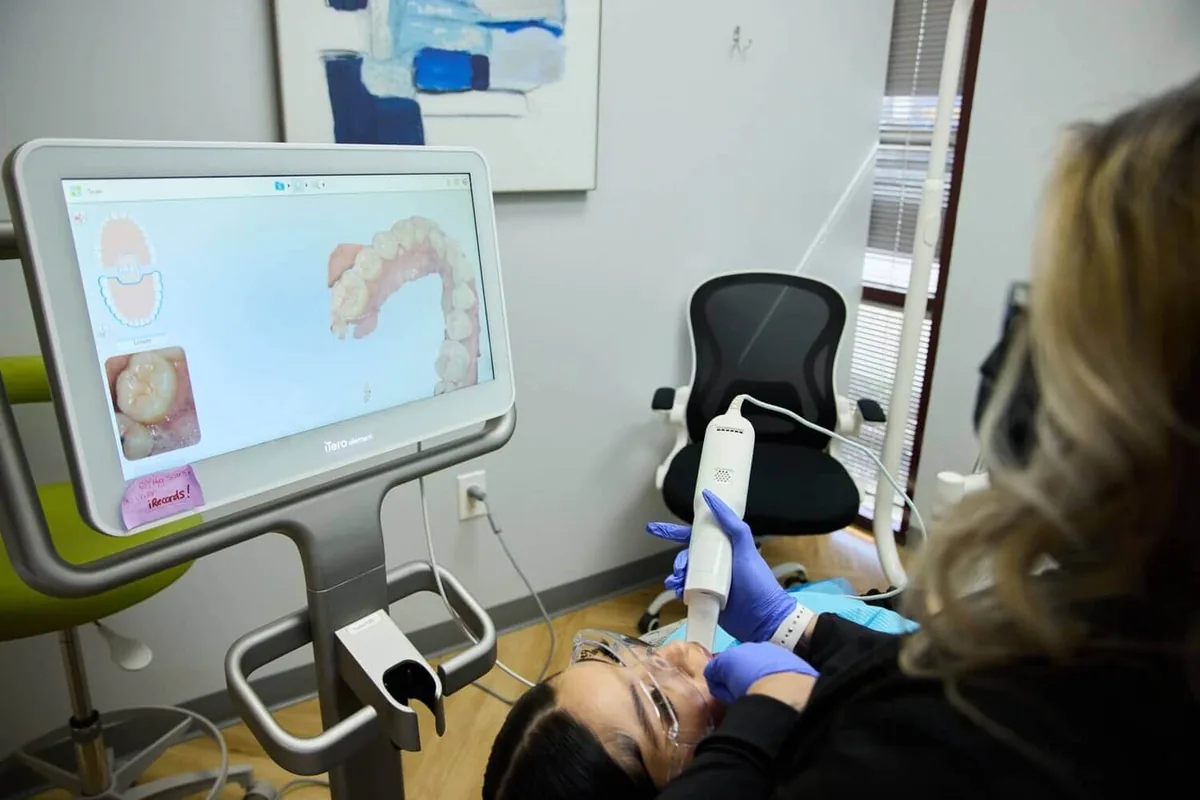
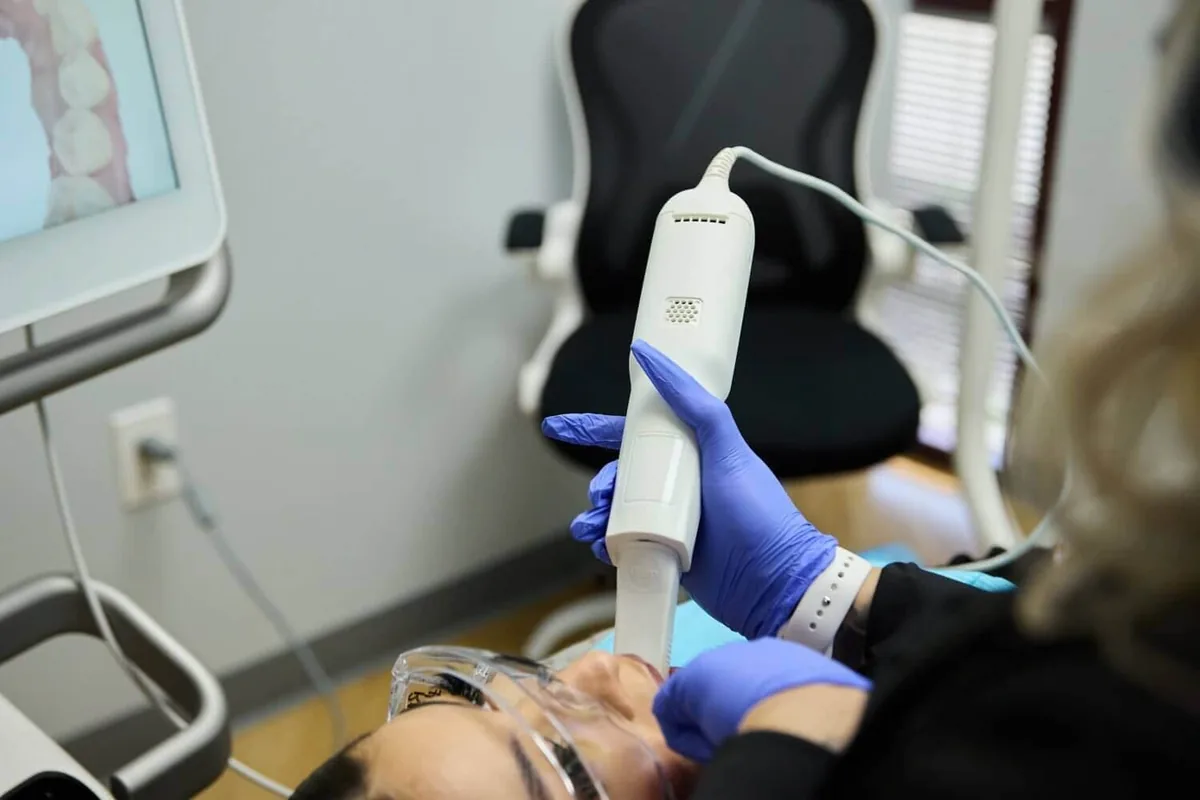
It doesn’t hurt to check if the office uses modern tech for quicker, less stressful appointments. A caring staff can really help you stick with your veneer care plan.
Addressing Veneer Issues Promptly
Acting quickly when something seems off with your veneers can save your smile. Noticing early signs of damage and knowing when to call in the pros is honestly half the battle.
Recognizing Early Signs Of Damage
Keep an eye out for small chips, cracks, or loosening. You might feel rough edges or see spots that look uneven or discolored.
Sometimes, sensitivity to hot or cold foods can signal a problem. These early signs matter. Catching them early means repairs are usually simpler and less expensive.
If you notice stains that don’t brush away, especially on composite veneers, that’s another sign it’s time for action.
When To Seek Professional Help
If you spot visible cracks, chips, or if the veneer starts to feel loose, call your dentist right away. Trying to DIY a repair usually just makes things worse.
Your dentist can check your veneers with modern tools and fix or replace them with gentle techniques. Timely visits help prevent bigger problems and keep your smile healthy.
Simple Care That Helps Veneers Last
Veneers don’t need complicated routines, but they do need gentle daily care, smart food choices, and quick attention if something feels off. These steps help prevent chips, stains, and unexpected repairs.
At Dentist of West Covina, we keep veneer care clear and stress-free, using modern techniques and flexible scheduling to support long-term comfort and confidence.
If you want reassurance or personalized guidance, request an appointment or call our West Covina Office to keep your smile protected and looking natural.
Frequently Asked Questions
What Are The Best Practices For Taking Care Of Dental Veneers?
Don’t bite hard objects like ice or pens if you want to avoid chips. If you grind your teeth at night, wear a night guard. Keep up with regular dental visits to spot problems early.
How Often Should I Schedule Check-Ups After Getting Veneers?
Plan on seeing your dentist every six months for exams and cleanings. These visits keep your veneers in shape and your mouth healthy. If something feels off, don’t wait. Make an appointment sooner rather than later.
Can Certain Foods Or Drinks Damage My Veneers, And How Can I Avoid This?
Coffee, tea, red wine: they all stain veneers if you’re not careful. If you do drink them, rinse your mouth with water afterward.
Sticky or really hard foods can cause problems, too, so eat them with care or skip them when you can.
What Daily Oral Hygiene Routine Is Recommended For Someone With Veneers?
Brush twice a day with a soft-bristle toothbrush and fluoride toothpaste. Floss daily to keep plaque out from between your teeth. Be gentle. There’s no need to scrub hard and risk wearing down the edges of your veneers.
Are There Specific Toothpaste Or Mouthwash Brands That Are Safe For Veneers?
Go with a non-abrasive toothpaste that doesn’t have whitening agents. Alcohol-free mouthwash is best, since alcohol can weaken the bonding material. If you’re ever in doubt, ask your dentist for recommendations that are safe for veneers.
Is There A Safe Method For Whitening Veneers Without Causing Them Harm?
Veneers don’t whiten the way natural teeth do. Professional cleaning helps lift surface stains, but steer clear of over-the-counter whitening products on veneers. It’s always a good idea to check with your dentist before you try any whitening methods.