
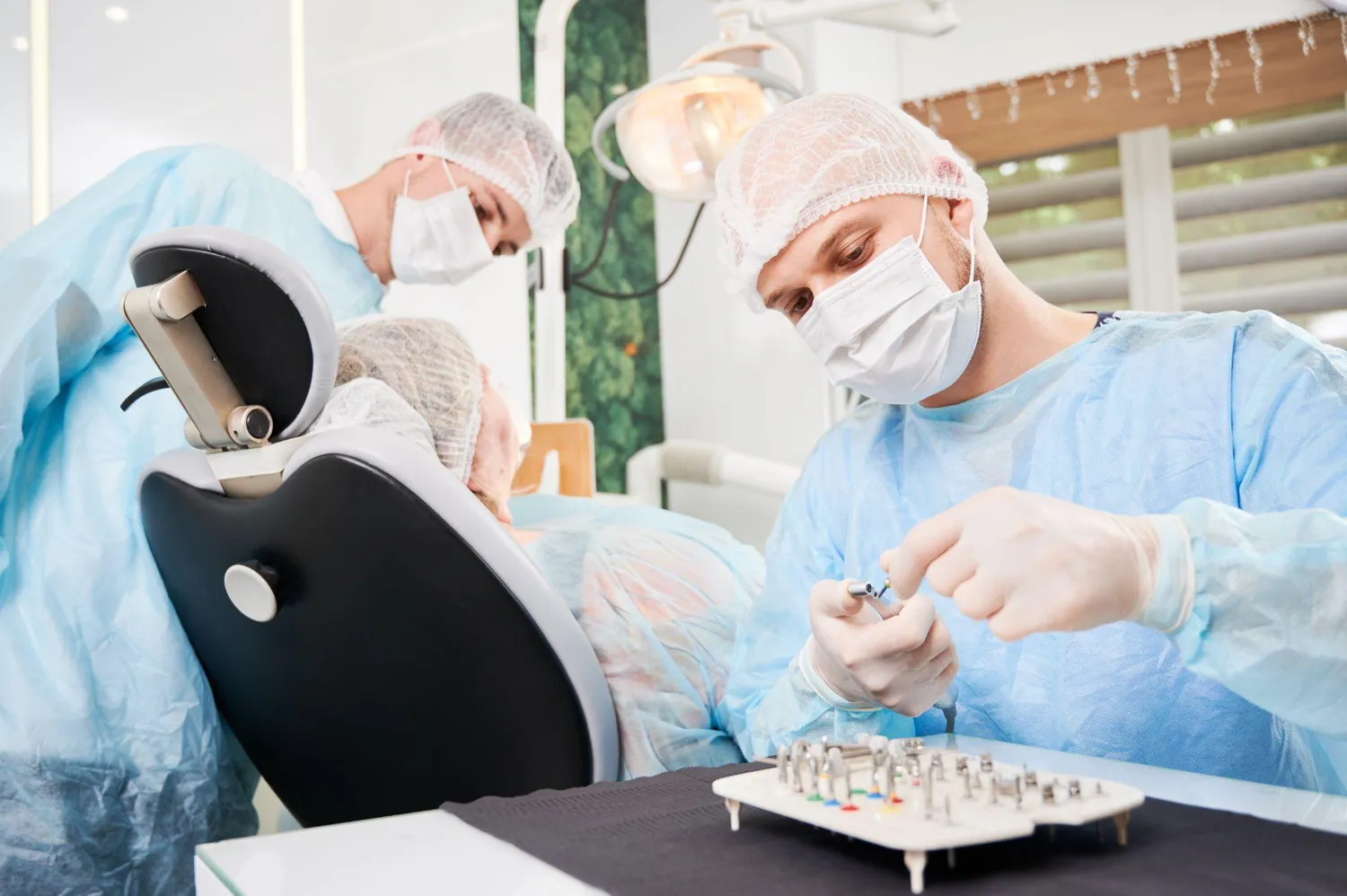
A healthy smile depends on more than the teeth people see when you speak or laugh. Each tooth also supports comfortable chewing, clear speech, and the natural structure of your mouth. Dental implants address gaps by replacing the supporting tooth structure as well as the visible crown. The treatment involves careful planning, surgical placement, healing, and a restoration designed for everyday function. Understanding how each stage works can make the process clearer and help set realistic expectations.
How Dental Implants Replace Missing Teeth
Dental implants replace teeth from the supporting structure upward rather than filling only visible gaps. Most systems combine an implant post, a connecting component, and a custom replacement tooth. Together, these components create stability while supporting natural-looking function during everyday activities. Understanding each component makes the entire implant process easier to follow.
The Implant Post Creates the Foundation
The implant post is a small fixture that a dentist or specialist places within the jawbone. Most modern posts use titanium because the body generally accepts this material well. Some implant systems use other biocompatible materials when specific clinical circumstances support their use. After placement, surrounding bone gradually develops a strong connection with the implant surface. This biological process creates the foundation needed to support a replacement tooth during chewing. Once healing progresses sufficiently, the dentist can begin preparing the implant for its final restoration.
The Abutment Connects the New Tooth
The abutment connects the implant beneath the gums to the visible restoration. Depending on treatment planning, a dentist may attach it during implant placement or after healing. The gum tissue must develop around this component while maintaining a healthy seal. Afterward, the dental team takes digital scans or impressions to design the replacement tooth. Its shape must work with the patient's bite, nearby teeth, and available space. Careful planning helps the final crown look natural while handling everyday chewing forces effectively.
Why Implants Become Stable in the Jaw
Dental implants rely on healing, not mechanical attachment alone, for long-term stability. The jawbone gradually forms direct contact with the implant through a process called osseointegration. Successful healing depends on bone quality, oral health, implant position, and individual health factors. Because this biological connection takes time, implant treatment often requires several appointments.
Osseointegration Builds Lasting Support
Osseointegration describes the process through which living bone bonds closely with an implant surface. Bone cells gradually develop around the implant after the dentist places it into the jaw. During this period, patients need to avoid forces that could interfere with early healing. The process commonly takes several months, although healing times vary by patient and treatment site. Once integration develops adequately, the implant can provide dependable support for a dental restoration. This connection distinguishes implants from removable tooth replacements that rest mainly on gums or nearby structures.
Healthy Bone Supports Implant Success
An implant needs enough healthy bone around it for secure placement and predictable healing. Tooth loss can cause bone in that area to shrink gradually over time. Gum disease, previous infections, injuries, and anatomy may also affect available bone volume. Dentists therefore use examinations and imaging to evaluate bone before recommending implant placement. Some patients need bone grafting to create better support before or during implant surgery. Treatment planning accounts for these differences rather than applying the same approach to every patient.
The Final Crown Restores the Tooth
After sufficient healing, the dental team can move toward completing the permanent replacement tooth. Digital scans or impressions capture the information needed to create a properly fitted restoration. The laboratory or dental team designs the crown to complement neighboring teeth and bite relationships. Its color, size, contours, and chewing surface all influence how naturally it fits the mouth. The dentist attaches the finished restoration and checks the bite for comfortable contact. Small adjustments may improve function before the patient begins using the implant-supported tooth normally.
Planning Treatment Before Implant Surgery
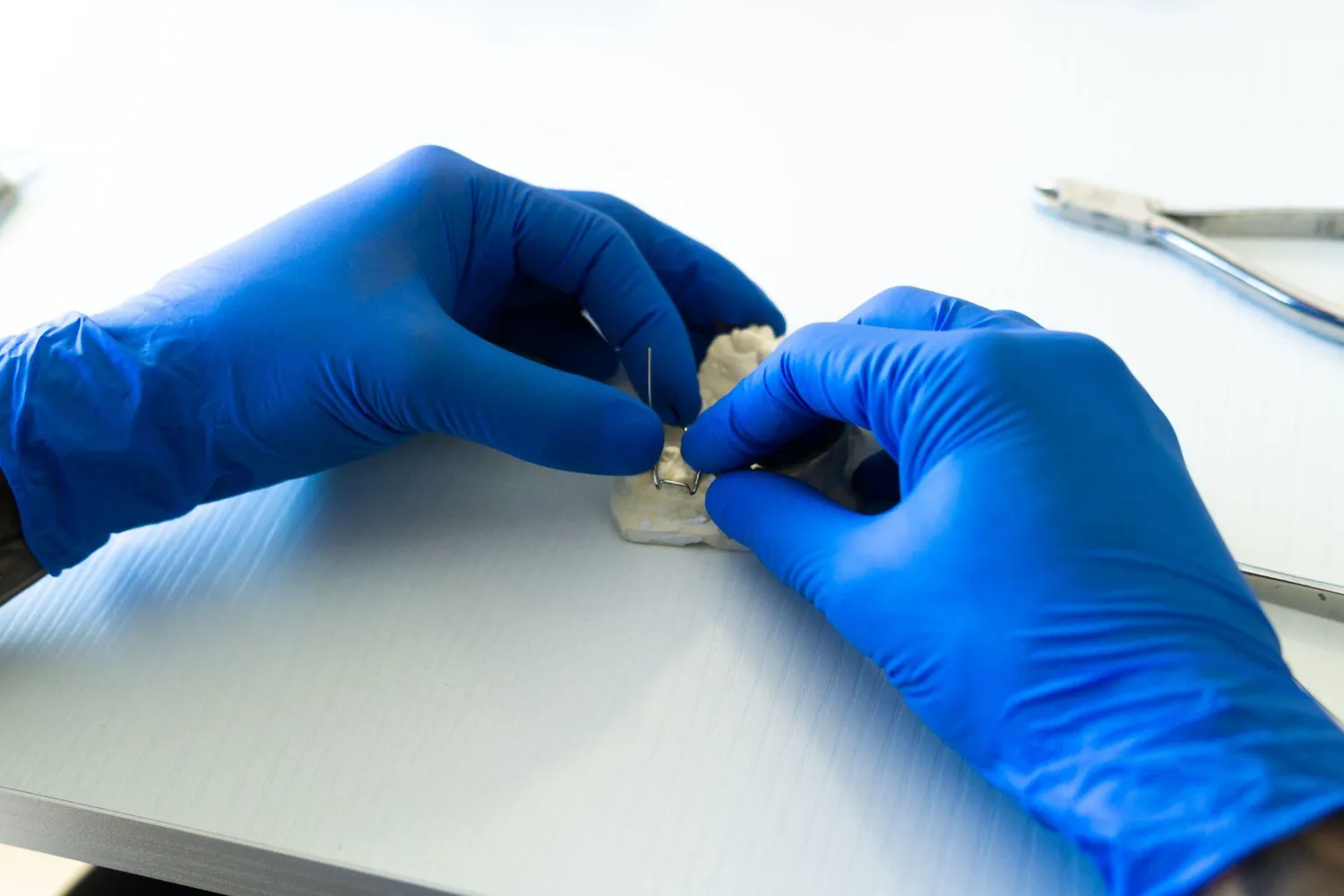
Implant treatment begins well before the implant post enters the jaw. Dentists first evaluate oral health, bone structure, bite relationships, and the proposed restoration. They also review health history and factors that could affect surgery or healing. This preparation helps the dental team build a treatment plan around each patient's clinical needs.
The Dental Exam Identifies Treatment Needs
The initial examination gives the dental team a detailed understanding of the mouth and the area around the missing tooth. Dentists examine the gums, remaining teeth, bite, and condition of the planned implant site. They may also check for decay, active gum disease, or infections requiring treatment first. Existing dental work can influence implant positioning and the design of the final restoration. The dentist also discusses expectations, possible alternatives, and factors affecting the treatment timeline. This conversation allows patients to understand both the procedure and their responsibilities during recovery.
Dental Imaging Guides Implant Placement
Dental imaging provides information that a visual examination alone cannot capture. X-rays can show bone levels, neighboring tooth roots, and other structures surrounding the treatment area. Three-dimensional imaging may provide additional detail when the clinical situation requires more precise planning. These images help the dentist evaluate available bone and determine an appropriate implant position. Placement must consider the future crown because the implant ultimately needs to support that restoration properly. Accurate planning can also help the dental team identify anatomical limitations before the procedure begins.
What Happens During Implant Placement
Implant placement is a surgical procedure, but patients typically receive local anesthesia for comfort. Additional sedation options may be available depending on the practice and the patient's individual needs. The dentist prepares the treatment area and positions the implant according to the planned location. Afterward, healing begins as the jaw and surrounding tissues recover from the procedure.
The Dentist Places the Implant Post
The dentist first numbs the treatment area so the patient should not feel sharp surgical pain. After accessing the bone, the dentist creates a carefully sized space for the implant fixture. The implant is then placed in the planned position within the jaw at a controlled depth. Depending on the case, the dentist may place stitches over or around the surgical area. Some patients receive a temporary restoration when their treatment conditions allow immediate temporary tooth replacement. However, temporary teeth must avoid excessive pressure while the implant develops its biological connection with bone.

Early Recovery Starts After Surgery
Mild swelling, tenderness, bruising, or minor bleeding can occur after dental implant placement. These effects usually become easier to manage as the surgical area begins healing. Dentists provide personalized instructions covering oral hygiene, food choices, medications, and activity during recovery. Softer foods may reduce pressure around the treatment site during the earliest healing period. Patients should avoid disturbing the surgical area while keeping the rest of their mouth clean. Persistent bleeding, worsening swelling, severe pain, or other concerning symptoms warrant contacting the dental office promptly.
Preparing for the Day of Surgery
Preparation instructions depend on the planned procedure, anesthesia, and any sedation used during treatment. The dental team may provide directions about eating, drinking, medications, and transportation before the appointment. Patients receiving certain forms of sedation may need someone to drive them home afterward. Comfortable clothing and a clear recovery schedule can also make the day easier to manage. Filling prescriptions beforehand may prevent unnecessary errands immediately after the implant procedure. Patients should follow their dentist's specific instructions rather than relying on general surgical advice.
What to Expect During Implant Healing
Healing continues after the initial surgical soreness has subsided. The implant still needs time to develop a strong biological connection with the surrounding jawbone. Patients may feel normal before the deeper healing process has fully finished. Following professional instructions during this stage can protect the implant while integration continues.
Healing Time Differs Between Patients
No single recovery timeline applies to every dental implant patient. Implant location, bone condition, surgical complexity, and overall health can influence healing speed. Bone grafting or additional procedures may also extend the time before placing the final restoration. Some treatment plans progress within several months, while more complex cases require considerably longer. Follow-up appointments allow the dental team to assess healing rather than rely only on elapsed time. Patients should therefore treat estimated timelines as informed projections rather than guaranteed completion dates.
The Final Crown Restores the Tooth
After sufficient healing, the dental team can move toward completing the permanent replacement tooth. Digital scans or impressions capture the information needed to create a properly fitted restoration. The laboratory or dental team designs the crown to complement neighboring teeth and bite relationships. Its color, size, contours, and chewing surface all influence how naturally it fits the mouth. The dentist attaches the finished restoration and checks the bite for comfortable contact. Small adjustments may improve function before the patient begins using the implant-supported tooth normally.
What Dental Implants Feel Like After Healing
A fully healed dental implant should feel stable and comfortable during normal daily activities. Patients can usually chew and speak without worrying about the replacement tooth shifting or slipping. However, an implant does not contain nerves like a natural tooth, so sensation feels slightly different. Pressure from chewing is still noticeable through the surrounding gums, bone, and neighboring teeth. Most patients gradually become accustomed to the implant as they use their restored tooth normally. Persistent discomfort, movement, or changes in the bite should prompt a visit to the dentist.
Find Out How Dental Implants Can Work for You
Dental implant treatment should reflect your oral health, goals, and jawbone condition. Waiting too long may allow changes that make future tooth replacement more complicated. A dental evaluation can show what treatment involves and which approach best suits your needs. Schedule a consultation to find out if dental implants can provide the lasting function you want.
Keep building your dental knowledge with practical insights from the Dentist of West Covina blog. Read more and make informed choices about your smile.
