Dental visits can feel overwhelming when you’re anxious, especially if you’re worried about pain, needles, or not knowing what will happen. If you’ve been searching for gentle dental care tips for anxious patients, you’re in the right place.
At Dentist of West Covina, we take things slow, explain each step in plain language, and focus on comfort-first care with modern tools and personalized plans.
Below, you’ll find what dental anxiety is, what can trigger it, and practical ways to stay calm before and during your appointment, plus simple at-home habits and FAQs to help you feel more in control.
What Is Dental Anxiety, And Why Does It Feel So Intense
Lots of people get nervous or even scared about going to the dentist. This fear can come from all sorts of places and show up in a bunch of different ways.
Knowing what causes dental anxiety, how to spot it, and the kinds of fears you might have can help you feel a bit more in control when you walk in for a visit. It’s a good first step.
Common Causes Of Fear At The Dentist
Maybe you’ve had dental pain in the past, even if it didn’t last long. Fear of needles, drills, or just the weird sounds in the office can pile on the stress.
Not knowing what will happen during your appointment can make everything feel worse. For kids, regular visits can actually reduce anxiety by making dental care feel routine.
Adults who had rough experiences as kids might carry that fear for years. Worrying about embarrassment or losing control also keeps some people away from the dentist.
Signs Of Dental Anxiety
Maybe your heart races, or your hands get sweaty before you even sit in the chair. Some folks feel dizzy, want to leave, or just cancel their appointments altogether.
Physical signs can include:
Tense muscles
Shallow breathing
Upset stomach
Feeling nervous about talking or sitting still in the chair is pretty common, too. If anxiety keeps you from scheduling appointments, it can take a toll on your dental health over time.
Spotting these signs early means you can start using gentle dental care tips for anxious patients to stay calm, especially with a supportive dental team in your corner.
Types Of Dental Phobias
Dental fears come in all shapes. Some folks fear pain more than anything. Others worry about choking or gagging during treatment.
There’s also the fear of losing control or just feeling trapped in the chair. Needle phobia is a big one, and even the idea of an injection can cause panic.
Others can’t stand the sounds or smells in a dental office. Figuring out your specific fear helps your dentist customize treatment to your comfort.
Communication And Trust-Building With Your Dentist
Getting comfortable with your dentist starts with an honest conversation, understanding how they work, and knowing what’s coming. Being open about your fears, picking the right dental team, and setting clear goals for your visit can really help build trust and ease anxiety.
How To Talk About Your Fears
Just say it. Tell your dentist what makes you nervous. Saying, “I’m afraid of the drill,” or “I get anxious in the chair,” gives them a chance to help you better.
Dentists want to know your worries so they can adjust care to fit you. Use simple signals, like raising your hand if you need a break. That small bit of control can make a huge difference.
Choosing A Compassionate Dental Team
Look for a dental office where the staff actually seems friendly and understands dental anxiety. A gentle team puts patients first and treats you with genuine kindness.
You’ll feel calmer when your provider takes time to explain things and doesn’t rush you through. Ask about their experience with anxious patients before you book.
Setting Expectations Before Your Visit
Before your appointment, ask what’s going to happen. Knowing each step ahead of time lowers surprises and stress. Request a slower pace or breaks if you need them. Write down your questions or concerns and bring them along.
Discuss your goals clearly so your dentist can make a plan that works for you. Clear communication up front builds trust and makes the day go smoother.
Gentle Dental Care Strategies For Patients
If you’re nervous about dental care, some easy steps can help you relax and make treatment feel less overwhelming. Using calming techniques, pain-aware methods, and a soothing environment can change the whole experience.
Relaxation Methods For The Dental Chair
Feeling tense in the chair? You’re not alone. Try slow, steady breathing to calm your mind and body.
Visualize a peaceful place or a favorite memory. Bring headphones and listen to calming music or a podcast to block out background noise. If you need a break, just ask. The team should be happy to pause or slow down so you can reset.
Pain-Aware Treatment Techniques
Modern dental tech offers a bunch of ways to keep your experience gentle and more comfortable. Dentists can use numbing gels and precise tools that help reduce sensitivity.
Laser dentistry and digital imaging often replace older, more invasive methods, so appointments can feel smoother. Your dentist should explain each step before starting so you’re not left guessing.
If you feel pain or pressure, speak up right away. They can adjust treatment to keep you comfortable and safe.
Calming Environment Adjustments
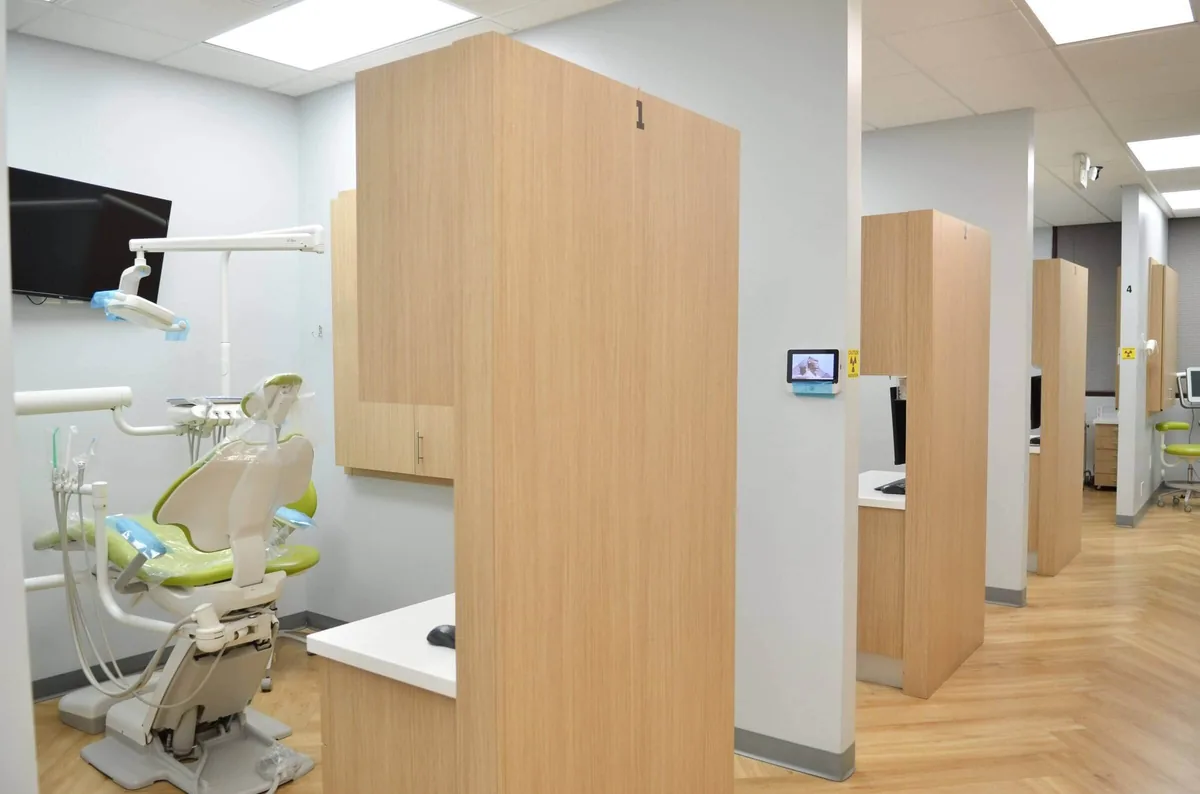
A peaceful space matters more than you’d think. Offices can use soft lighting and gentle background music to create a calm vibe.
Comfortable chairs and noise-canceling headphones help too. You can ask for little extras, like a weighted blanket or stress ball. These small changes support gentle dental care tips for anxious patients by making the room feel less intimidating.
Preparing For Your Appointment
Getting ready before your dental visit can really help ease your nerves. Pick the right time, bring things that make you comfortable, and try a few calming routines before you head in.
Scheduling Tips For Stress Reduction
Choose a time when you don’t feel rushed or tired. Early mornings or mid-mornings usually work well since you haven’t faced the day’s chaos yet.
If you can, book a day when you won’t need to run to other tasks right after. Let the receptionist know if you’re anxious. They might suggest quieter times or shorter appointments to make things easier. Planning ahead really does make a difference.
What To Bring For Comfort
Small comforts can make a surprising difference. Bring headphones with your favorite music or an audiobook to distract yourself.
A stress ball or soft toy can help too. Don’t forget any paperwork or insurance cards, just to avoid extra hassle at the front desk. Jot down questions or notes about your dental health. Being prepared helps your team give you better care in return.
Pre-Visit Routines That Help
Take a little time to relax before your appointment. Try some breathing exercises or gentle stretches to lower anxiety. Skip heavy caffeine or sugary snacks right before. It can make nerves worse. A light, healthy snack helps keep your energy steady.
A good night’s sleep beforehand never hurts. Small routines like these can support gentle dental care tips for anxious patients without adding pressure.
Home Dental Care Tips For Anxious Individuals
Taking care of your teeth at home can actually help reduce dental anxiety by making your mouth feel clean and healthy every day. Simple habits and the right tools make brushing and flossing easier and more comfortable.
These small changes can boost your confidence before your next visit. It’s not about being perfect; it’s about making things a little easier on yourself.
Easy Daily Oral Hygiene Practices
Start with gentle routines that fit your comfort level. Brush twice a day for two minutes with slow, calm strokes. Floss once a day to get rid of food and plaque between your teeth. If regular floss feels awkward, try floss picks or water flossers.
Use a mild mouthwash to reduce bacteria and freshen your breath. Alcohol-free options won’t burn, which is always a plus.
Building a short, consistent oral hygiene routine can help you feel more in control and less anxious about dental care. Keeping your smile healthy between visits lowers the chance of painful surprises later on.
Using Gentle Toothbrushes And Products
Pick a soft-bristled toothbrush to avoid irritating your gums. Electric toothbrushes with pressure sensors are a great choice.
Go for toothpaste made for sensitive teeth or a mild flavor if strong minty ones make you uneasy. Comfort is key when picking products.
If regular brushes feel awkward, try ones with smaller heads for gentle care. They reach tricky spots more comfortably and can reduce gagging or discomfort.
The right tools help you keep your mouth healthy in a way that feels easy and soothing. Your dentist can also suggest products tailored to your needs next time you go in.
A Calmer, More Comfortable Dental Experience Is Possible
Dental anxiety often comes from fear of pain, loss of control, or past experiences. With clear communication, gentle techniques, and small comfort-focused steps, dental visits can feel more manageable and less stressful.
Using gentle dental care tips for anxious patients helps you stay calm, understand what’s happening, and feel supported before and during your appointment. Feeling heard and respected makes a real difference.
Dentist of West Covina provides modern, comfort-first care with a patient-centered approach and flexible appointment times. When you’re ready, request an appointment or call our West Covina Office to take the next step at your own pace.
Frequently Asked Questions
What Are Some Effective Strategies To Help Reduce Dental Anxiety Before An Appointment?
Try deep breathing exercises to slow your heart rate. Listening to calming music on the way can help too. Book your visit for a time when you feel least rushed. Knowing what the appointment will involve, step by step, can boost your confidence.
How Can Dentists Make Their Office More Comfortable For Patients With Dental Phobia?
Dentists can create a warm, friendly environment with gentle lighting and soothing colors. Sedation options and modern tech can help make treatments feel faster and less stressful.
Having a compassionate team that explains each procedure clearly also helps ease nerves and build trust.
What Techniques Can Help Adults Overcome Their Fear Of The Dentist?
Take baby steps and start with short visits for cleanings. Being honest with your dentist about your fears lets them personalize your care.
Distraction tools like headphones or focusing on breathing during treatment can help reduce tension. Sometimes it’s about finding what works for you and sticking with it.
How Can I Prepare Myself Mentally To Be Brave For A Dental Visit?
Remind yourself why dental care matters for your health and confidence. Picture yourself walking in, feeling steady and a bit more in control than last time.
Set tiny goals, like staying calm for a couple of minutes at a time. Give yourself a small reward afterward so your brain connects dental visits with something positive.
What Are The Best Ways To Communicate My Dental Fears To My Dentist?
Try to be honest and specific about what makes you anxious. You don’t need fancy language, just tell them what’s up in your own words.
Ask questions about each step ahead of time. It’s your mouth, so you deserve to know what’s coming next.
Can You Suggest Any Relaxation Methods To Practice Before A Dental Procedure?
Try progressive muscle relaxation by tightening a few muscle groups and then letting them go. It can help release physical tension.
Meditation or mindfulness might help too. They can calm your mind, so you feel a bit more at ease before and even during your appointment.