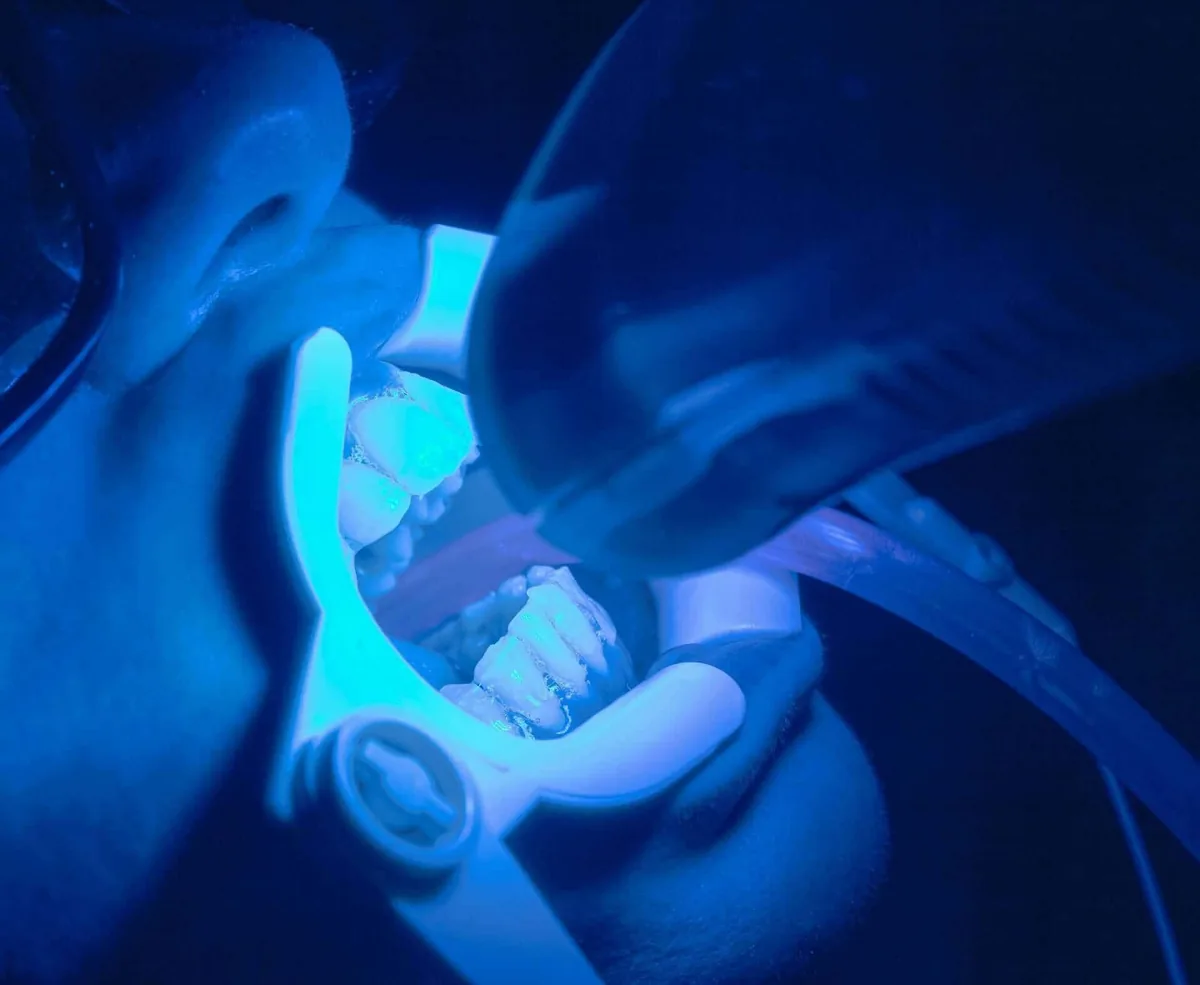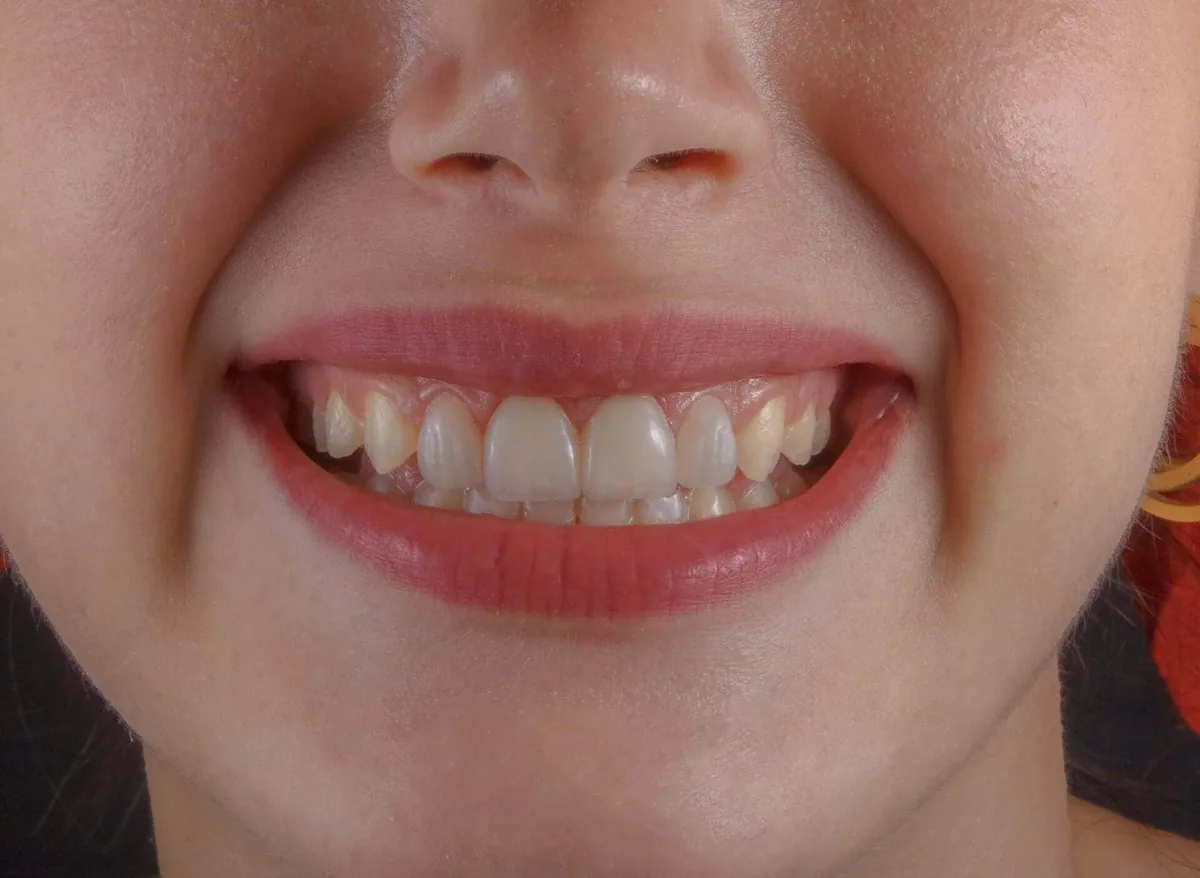
Foods and drinks that stain your teeth are often the everyday items you would least expect, not just wine and coffee, but things like sports drinks, tomato sauce, and balsamic vinegar. The staining builds up slowly, which is why it can catch you off guard even when you feel like you are doing everything right.
Once you know exactly what is working against your enamel, you can make smarter choices without giving up everything you enjoy. Some stains respond well to simple habits, while others need professional help to actually reverse.
This article covers the most common staining culprits, the daily habits that make things worse, and the options that actually work, from simple rinses to professional care.
The team at Dentist of West Covina helps patients understand these patterns every day, which is why the guidance here reflects real clinical experience, not just general tips. Keep reading to find the approach that fits your situation.
Why Some Foods And Drinks Leave A Bigger Mark
Not all staining works the same way, and the chemistry behind it determines whether your regular toothpaste can fix the problem or whether you need professional help. Some foods attack your enamel first to make staining worse, while others simply deposit color on the surface.
How Pigments, Acids, And Tannins Affect Enamel
Chromogens are the deeply colored pigments found in coffee, red wine, and berries. These molecules have a natural tendency to bind to tooth enamel, and they do it even more aggressively when acid has softened the surface first.
Tannins make this worse. Found in tea, red wine, and even some fruits, tannins act like a glue that helps pigments stick more firmly to enamel. That is why black tea can stain teeth even more than coffee in some cases, despite being lighter in color.
Acids from sodas, citrus, and vinegar etch tiny grooves into enamel. Those grooves give pigments more surface area to cling to, which is why acidic staining foods, like balsamic vinegar or tomato sauce, pack a double punch.
This tooth-staining process is often accelerated when you consume these items frequently throughout the day. When enamel is consistently weakened, teeth staining becomes much more difficult to prevent with regular brushing alone.
Why Surface Stains And Deeper Discoloration Are Not The Same
Surface stains, called extrinsic stains, sit on the outer layer of enamel. These respond to professional cleaning, whitening toothpaste, and in-office whitening treatments.
Intrinsic discoloration starts deeper, inside the tooth structure itself. This type develops from things like certain antibiotics taken during childhood, trauma to a tooth, or natural aging as enamel thins and the yellower dentin beneath shows through. Whitening products rarely touch intrinsic discoloration because the problem is not on the surface.
Knowing which type you are dealing with changes everything about how you treat it. A dentist can quickly tell the difference, and that evaluation shapes every recommendation that follows.
Everyday Culprits Hiding In Plain Sight
Some of the biggest staining offenders are items you consume multiple times a day without a second thought. Many common foods that stain your teeth are staples of a healthy diet, making them difficult to avoid entirely.
The combination of frequency and pigment intensity is what turns a small exposure into a visible change over time. Being mindful of these items helps you manage the long-term impact on your enamel.
Coffee, Tea, Red Wine, And Dark Sodas
Coffee contains both chromogens and tannins, which means every cup deposits color and helps it stick. Drinking one cup black gives your enamel a full pigment bath, and adding milk does lighten the effect slightly by diluting those chromogens.
Black tea is actually a stronger stainer than coffee in many cases because of its higher tannin concentration. Even herbal teas can cause staining with regular use, so switching from coffee to tea is not always the improvement people assume.
Red wine combines acid, tannins, and deep pigments in one drink, which is why it stains so quickly. Dark colas add both acid and artificial colorants to the mix, and the acid softens enamel even before the pigment has a chance to settle in.
Berries, Tomato Sauces, Curry, And Balsamic Vinegar
Blueberries, blackberries, and pomegranate seeds are rich in antioxidants and also extremely high in chromogens. The dark juice penetrates enamel fast, which is why rinsing with water right after eating makes a real difference.
Tomato sauce is acidic, vividly red, and sticky, a combination that lets it cling to teeth longer than most foods. Eating leafy greens like spinach or broccoli before a pasta dish creates a thin film on enamel that provides some protection.
Curry's deep yellow color comes from turmeric, one of the most potent natural pigments in food. Balsamic vinegar is similarly dark and adhesive, meaning it coats enamel and stays there unless you actively rinse it away.
Sports Drinks, Popsicles, And Artificially Colored Snacks
Sports drinks carry a dual threat: they are acidic enough to soften enamel and often contain artificial dyes that deposit color right into those softened surfaces. The acidity is the bigger issue here, because it sets up the conditions for every stain that follows.
Popsicles and artificially colored candies are easy to overlook because they feel like occasional treats. A tongue that turns blue or red from a popsicle is a clear sign that the same dye is making contact with your enamel.
Hard candies and chewing gums with artificial coloring also spend extended time in contact with your teeth, which increases the exposure window. The longer any pigmented substance stays against enamel, the more color it leaves behind.
Habits That Make Staining Better Or Worse
Your daily routine can either slow down staining or dramatically speed it up, and the difference often comes down to timing and frequency rather than any single food choice. Small adjustments to how and when you eat and drink can significantly change your results.
How Sipping, Snacking, And Skipping Water Add Up
Sipping coffee, tea, or soda slowly over an hour exposes your teeth to acid and pigments for far longer than drinking the same amount in 10 minutes. Every sip resets the acid exposure clock, which is why a commuter who nurses one coffee for ninety minutes often sees more staining than someone who drinks two cups quickly.
Frequent snacking on staining foods means your enamel never gets a full recovery window. Saliva naturally neutralizes acids and washes away pigments, but it needs time to do that work. Constant grazing removes that buffer.
Skipping water throughout the day is one of the easiest habits to overlook. Rinsing with water after meals dilutes pigments and acid before they can settle, and it costs nothing.
Brace-Friendly Habits That Help Reduce Uneven Staining
Patients in orthodontic treatment in West Covina have an extra reason to manage staining carefully. Brackets and wires can prevent the surfaces around them from whitening evenly, so poor habits during treatment can leave distinct marks once the braces come off. A children's dentist in West Covina, or a pediatric dentist, can evaluate and flag these risks before they become visible.
Early orthodontic treatment for kids is also a good time to build better habits, because the foundation you establish early carries forward. Orthodontic care for long-term function includes protecting enamel during treatment, not just correcting alignment concerns braces can address.
Using a straw for staining beverages, rinsing after meals, and brushing with a soft-bristled toothbrush around brackets are all brace-friendly habits that reduce the risk of uneven discoloration.
A Simple Daily Routine To Lower New Stains
You do not need to overhaul your diet completely to protect your smile. A consistent short routine makes the biggest impact.
Try this after meals and staining drinks:
Rinse with plain water for 30 seconds immediately after eating or drinking.
Wait at least 30 minutes before brushing after consuming anything acidic. Brushing too soon on softened enamel causes more harm than help.
Brush with a fluoride toothpaste for two full minutes, reaching every surface.
Floss once daily to remove pigment-trapping plaque from between teeth.
Use a straw with iced coffee, tea, and dark sodas to reduce direct contact with enamel.
Building this into your morning and evening takes about five minutes total and works with any diet, even one that includes the foods you enjoy most.
When At-Home Whitening Is Not The Best Fix
Whitening strips and toothpastes address surface stains, but they have clear limits. Using them on the wrong problem can waste months of effort without showing improvement. While some people use over-the-counter whitening trays, these often lack the custom fit needed for consistent results. Knowing when to step up to professional care makes your results more predictable and more lasting.
Signs You May Need A Dental Checkup First
If your teeth look gray or bluish rather than yellow, whitening products are unlikely to work because that discoloration is typically intrinsic, not surface-level. A dental checkup lets a dentist confirm what type of staining you have before you spend money on products that cannot reach the problem.
Sensitivity that flares up during at-home whitening is a signal to pause. Applying whitening agents to teeth with existing cracks, decay, or gum recession can worsen sensitivity and cause discomfort. A dental checkup in West Covina rules these issues out first.
Any tooth that looks noticeably darker than its neighbors should be evaluated by a dentist. Single-tooth darkening often points to an internal issue, like prior trauma or a nerve problem, not surface staining.
What Professional Cleaning And Deep Cleaning Can Change
A routine dental cleaning removes the tartar and plaque that trap pigments against your enamel. No amount of brushing at home removes hardened tartar, which means stains sitting on top of it stay visible until a hygienist scales them away.
When staining comes with swollen or receding gums, a deep dental cleaning in West Covina addresses the bacterial buildup below the gumline that plain polishing cannot reach. Periodontics focuses specifically on gum health, and treating gum issues first often improves the appearance of the teeth above them.
After a professional cleaning, whitening treatments work more effectively because the surface is clear. Professional teeth whitening provides a level of brightness that most home products cannot match.
In addition to in-office treatments, a dentist can provide custom whitening trays that offer a more precise application than store-bought versions. In-office teeth whitening also uses higher-concentration agents, giving you a faster, more controlled result.
Which Cosmetic Options Help When Whitening Falls Short
Intrinsic stains, tetracycline discoloration, and uneven pigment patterns often do not respond to whitening at all. Cosmetic dentistry for chipped or uneven teeth offers several paths forward that address appearance more directly.
Porcelain veneers cover the front surface of a tooth entirely, which means the underlying color is no longer visible. They also resist future staining more effectively than natural enamel, making them a long-term solution for patients who want a lasting change.
Dental bonding uses tooth-colored composite resin to cover stained areas on individual teeth. It is less expensive than veneers and works well for isolated spots. Composite fillings can also be matched to your natural tooth shade when replacing older, darkened restorations.
For patients who feel anxious about cosmetic procedures, comfort-first dental treatment and sedation dentistry make the process far less stressful. A family dentist in West Covina can coordinate all these options in one place, simplifying the experience.
When Stains Are Really A Sign To Get Help Fast
Some tooth discoloration is not a cosmetic issue at all. A tooth that suddenly changes color, or a stain accompanied by pain or swelling, can indicate an active problem that needs immediate attention.
Symptoms That Suggest Emergency Dental Care
Symptoms that suggest emergency dental care include a tooth that quickly turns dark gray or brown, pain when biting down, swelling in the gum near a discolored tooth, and sensitivity that does not go away on its own.
These signs indicate that something is happening inside the tooth or in the surrounding bone, not on the surface. Waiting to address them while trying whitening products delays treatment that can actually protect the tooth.
An emergency dentist in West Covina can evaluate these symptoms quickly and determine whether the issue is reversible or requires immediate intervention.
Pain, Infection, And Damage That Need More Than Whitening
Darkening of a single tooth after an injury often means the nerve inside is dying. This process creates internal staining that no external product can touch, and without treatment, the situation can progress to infection.
An abscess, which is an infection at the root of a tooth, sometimes causes visible swelling or a small bump on the gum near the affected tooth. This is a dental emergency because the infection can spread if left untreated.
Cracked teeth can cause a combination of sharp pain and localized discoloration. The crack allows bacteria to enter and can lead to decay or nerve damage that worsens quickly without professional care.
Treatments That May Protect The Tooth Before Appearance
A root canal removes infected or dying nerve tissue from inside the tooth, which stops the internal staining process and saves the tooth from extraction. After a root canal, the tooth can often be covered with a crown to restore both function and appearance.
Wisdom tooth removal becomes necessary when partially erupted wisdom teeth create pockets where bacteria accumulate and affect nearby teeth. In some cases, this bacterial buildup causes visible staining or decay on the neighboring molar that appears as discoloration.
Tooth extraction is reserved for teeth that cannot be saved, and it opens the door to replacement options like implants or bridges that restore the smile long-term. Acting early on pain or sudden color changes gives you the best chance of keeping the tooth and avoiding more complex treatment later.
Frequently Asked Questions
These questions come up often in practice, and the answers tend to surprise people because the reality is more specific than most general advice suggests.
Which foods and drinks stain teeth the most?
Red wine, black tea, coffee, and dark sodas rank among the strongest staining beverages because they combine tannins, acid, and deep pigments. For foods, blueberries, tomato sauce, curry, and balsamic vinegar are the biggest culprits due to their intense color and tendency to cling to enamel.
What are the biggest causes of yellow stains on teeth from food and drinks?
Tannins and chromogens are the two main compounds that cause yellow staining from food and drinks. Acid from sodas, coffee, and citrus makes the staining worse by softening enamel and allowing those pigments to penetrate more deeply.
How can I prevent coffee from staining my teeth?
Drink your coffee within a shorter window rather than sipping it slowly over an hour, then rinse with water immediately after. Adding a small amount of milk reduces the chromogen concentration, and brushing 30 minutes later, not right away, prevents brushing weakened enamel.
What can I eat and drink after teeth whitening to avoid new stains?
For 48 to 72 hours after whitening, avoid coffee, tea, red wine, berries, tomato sauce, and any dark or acidic beverages, as enamel pores remain open during this period and absorb pigments more readily. Stick to water, plain milk, white rice, chicken, and light-colored fruits during that window.
Do turmeric stains on teeth go away, or can they be permanent?
Turmeric stains are surface-level and technically removable, but they are stubborn because curcumin, the active compound in turmeric, binds strongly to enamel. A professional dental cleaning in West Covina is usually the most effective way to remove them when brushing alone does not clear the yellow tint.
Does green tea stain teeth, and how can I minimize it?
Green tea does stain teeth, but less aggressively than black tea because it contains fewer tannins and lighter pigments. Rinsing with water after drinking it and maintaining a consistent brushing routine keeps green tea staining minimal for most people.
Your Next Step Toward a Brighter Smile
Staining happens gradually, which means the changes you make now will show results over time. Knowing which foods and habits are working against you gives you a real advantage, because you can adjust without giving up everything you enjoy.
When habits are not enough, professional care fills the gap. A cleaning removes what brushing cannot, and a proper evaluation tells you whether whitening, veneers, or another approach is actually the right fit for your situation. Skipping that step often means treating the wrong problem.
Dentist of West Covina is ready to help you figure out exactly what your teeth need. Call us today at (626) 239-8978 or book your appointment online to get started with a personalized plan that fits your smile and your life.