
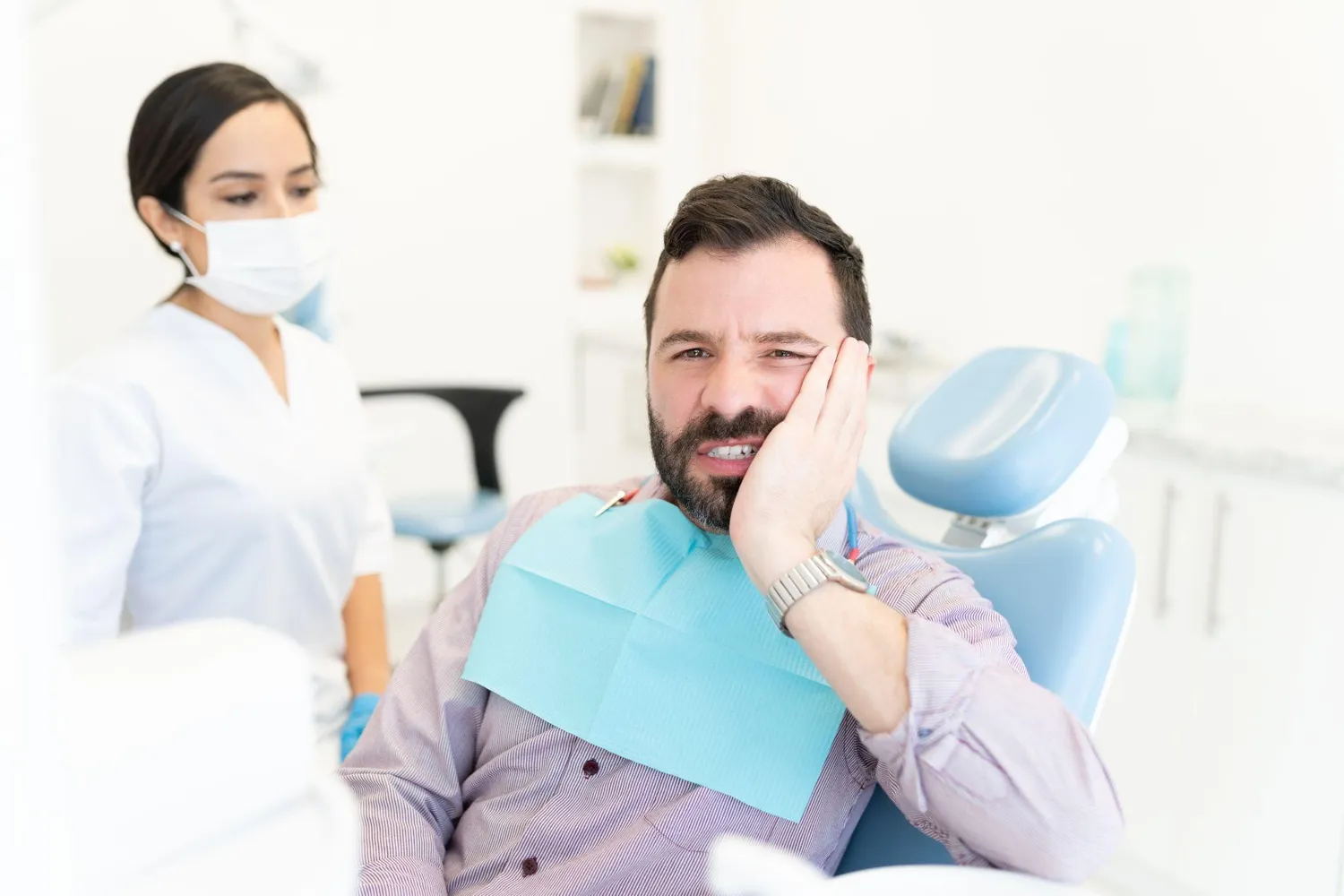
Dental pain can turn an ordinary day into a stressful situation without much warning. Some problems can wait, while others need professional dental care as soon as possible. Severe pain, uncontrolled bleeding, swelling, and dental injuries often signal an urgent problem. Knowing these warning signs helps you respond calmly and protect your oral health. Prompt treatment can also prevent a manageable dental problem from becoming more complicated.
Why Knowing When You Need Emergency Dentists Matters
Knowing when to contact emergency dentists can prevent a serious dental problem from getting worse. Certain symptoms require faster attention than a routine dental appointment can provide. Recognizing those warning signs helps you respond appropriately when pain, swelling, bleeding, or trauma occurs. Prompt care may reduce complications and improve the chances of preserving an affected tooth. It can also prevent infections or injuries from causing further damage to surrounding tissues. Knowing when to see an emergency dentist helps you get the right level of care without unnecessary delays.
Dental Issues That Call for Emergency Care
Some dental conditions can worsen quickly when treatment gets delayed. Recognizing the problem early helps protect damaged teeth and surrounding oral tissues. Symptoms such as severe pain, swelling, bleeding, or trauma often require prompt professional attention. The following dental problems may indicate that urgent care is needed.
Severe Tooth Pain
Intense tooth pain often signals a problem deeper than ordinary sensitivity or minor irritation. Pain may develop suddenly or worsen gradually over several days. Persistent discomfort can affect eating, sleeping, speaking, and normal daily activities. Understanding the source helps explain why an emergency dental visit may become necessary.
Persistent or Throbbing Toothaches
A toothache that refuses to settle deserves attention, especially when the pain becomes intense. Throbbing discomfort can develop from deep decay, inflammation, infection, or damage inside the tooth. Pain may also worsen when chewing or lying down at night. Over-the-counter pain relievers may provide temporary relief but cannot treat the underlying cause. An urgent dentist can examine the tooth and identify the source of the discomfort. Early treatment may preserve the tooth and reduce the chance of more extensive dental work.
Pain When Biting or Chewing
Sharp pain during chewing can indicate damage that may not appear obvious. A cracked tooth, deep cavity, loose filling, or inflamed nerve could cause discomfort. Continuing to chew on the affected side may increase pressure on damaged structures. Avoid hard foods until a dentist can examine the painful area. A dental professional may use imaging and bite tests to locate the problem. Treatment depends on the cause and may include restoration, stabilization, or other urgent care.
Dental Infections and Dangerous Swelling
Dental infections can spread beyond the original tooth when treatment gets delayed. Bacteria may enter through decay, cracks, gum pockets, or previous dental work. Swelling and pressure often develop as the infection progresses within surrounding tissues. Certain symptoms require rapid assessment because infections can become serious health concerns.
Tooth Abscesses and Pus Around Gums
A dental abscess forms when bacteria create an infected pocket near a tooth. Common signs include severe pain, gum swelling, tenderness, or an unpleasant taste. Some people also notice a small bump that drains fluid near the affected tooth. An abscess rarely resolves safely without professional dental treatment. Dentists may drain the infection and treat the damaged tooth when appropriate. Delaying care can allow bacteria to spread into nearby tissues and create further complications.
Facial Swelling With Dental Pain
Facial swelling combined with tooth pain deserves prompt attention from a dental professional. Swelling may appear around the cheek, jaw, gums, or beneath the lower jaw. Increasing swelling can suggest that an infection has moved beyond the affected tooth. Fever, weakness, or difficulty opening the mouth can indicate a more serious problem. Trouble breathing or swallowing requires immediate emergency medical attention, not waiting for dental care. Other significant swelling should receive urgent dental evaluation before the condition has time to worsen.
Knocked-Out and Displaced Adult Teeth
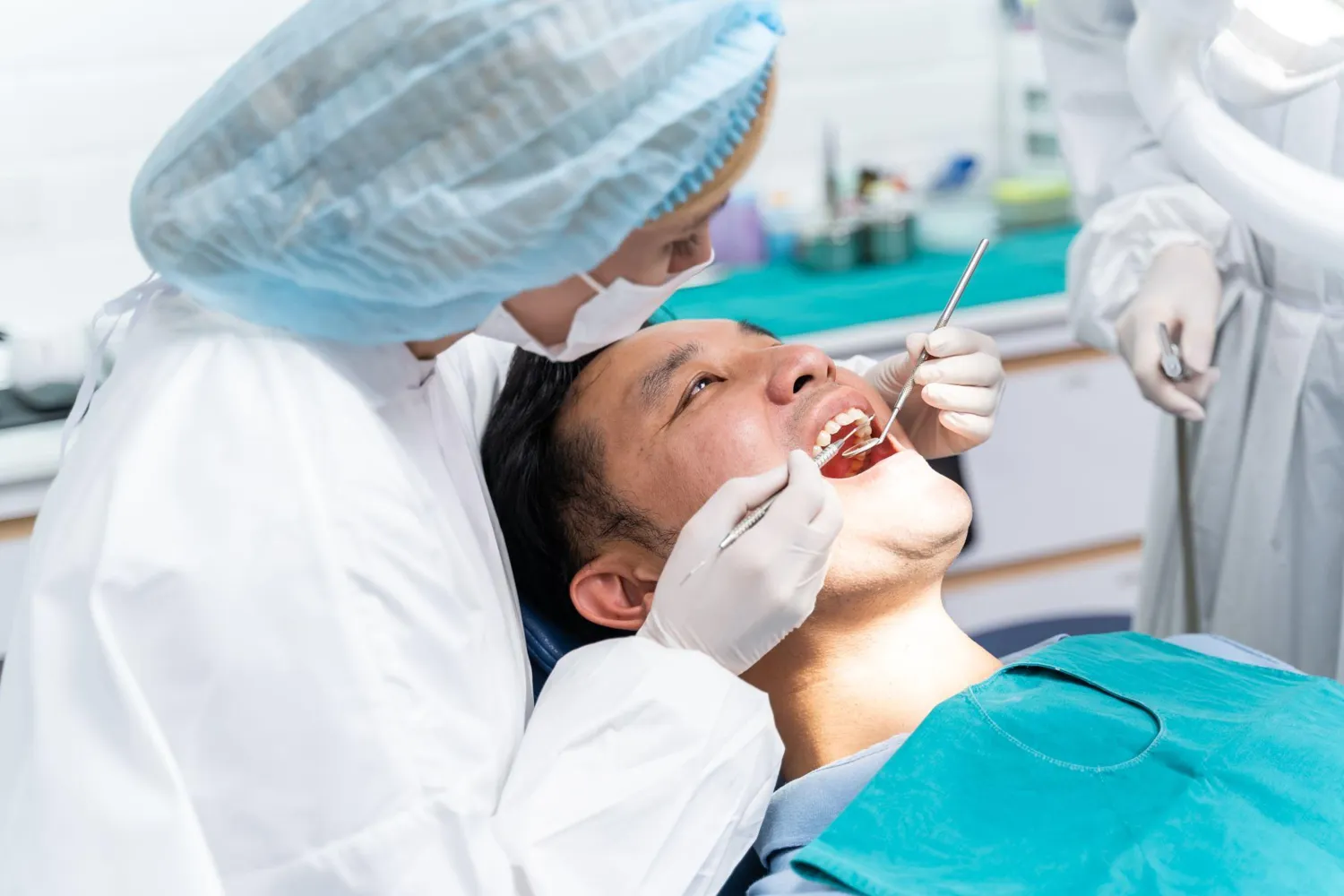
Dental injuries can happen during sports, falls, collisions, or everyday accidents. Some injuries affect only the tooth surface, while others completely disrupt its position. Quick action can influence the treatment options available after severe dental trauma. Knowing what to do immediately can protect both the tooth and surrounding tissues.
A Completely Knocked-Out Adult Tooth
A knocked-out permanent tooth requires immediate dental attention because time affects the chances of successful reimplantation. Pick up the tooth by its crown rather than touching the root surface. If dirty, gently rinse it without scrubbing or removing attached tissue. Place the tooth back into its socket if you can do so safely. Otherwise, keep it moist in milk or an appropriate tooth-preservation solution. Seek emergency dental treatment immediately because delays can reduce the chance of saving it.
A Tooth Pushed Out of Position
An impact can push a permanent tooth sideways, inward, outward, or deeper into its socket. The tooth may look crooked, shorter, longer, or noticeably different from neighboring teeth. Avoid forcing the displaced tooth back into position without professional guidance. Further pressure could damage the root, supporting bone, or nearby gum tissue. An emergency dental provider can assess the injury and reposition or stabilize the tooth when appropriate. Fast treatment can also help identify hidden damage that may not cause immediate symptoms.
Broken Teeth and Major Dental Cracks
Teeth can fracture after falls, impacts, grinding, or biting unexpectedly hard objects. Small surface chips may not always require same-day treatment, depending on their symptoms. Larger breaks can expose sensitive internal structures and cause significant discomfort. Urgent assessment becomes more important when pain, bleeding, or extensive damage accompanies the fracture.
Deep Cracks With Significant Pain
A deep tooth crack may cause sharp pain when biting or releasing pressure. Temperature changes can also trigger discomfort when the inner tooth becomes irritated. Cracks may extend beneath the visible surface, making their severity difficult to judge. Avoid chewing on the damaged tooth while arranging professional dental care. A dentist can determine whether bonding, a crown, root canal treatment, or extraction is appropriate. Earlier assessment may improve the chances of preserving a badly cracked tooth.
Broken Teeth With Exposed Inner Tissue
A major fracture can expose dentin or the sensitive pulp inside a tooth. The affected area may become extremely sensitive to air, pressure, temperature, and food. Rinse the mouth gently and keep any broken tooth fragments when possible. Avoid placing aspirin directly against the tooth or gum because it can irritate tissue. Covering a sharp edge temporarily with dental wax may reduce irritation before treatment. Emergency dental care can protect exposed structures and determine the best restorative approach.
Uncontrolled Bleeding and Mouth Injuries
Bleeding after a minor mouth injury often slows with gentle, continuous pressure. Persistent or heavy bleeding can signal more serious damage that needs professional evaluation. Injuries may involve the gums, tongue, lips, teeth, or supporting tissues. Urgent care becomes necessary when bleeding continues, or the wound appears severe.

Oral Bleeding That Will Not Stop
Persistent bleeding may follow an injury, dental procedure, or gum tissue damage. Apply firm pressure with clean gauze without repeatedly removing it to check the wound. Ongoing bleeding despite sustained pressure requires prompt professional assessment. Heavy blood loss, dizziness, or weakness may indicate a more serious medical situation. People taking blood-thinning medications should tell their treating dental or medical professional. Severe or uncontrollable bleeding warrants emergency medical care rather than waiting for a dental appointment.
Deep Cuts to the Lips, Tongue, or Gums
Falls and other accidents can cause cuts inside or around the mouth. Small wounds often heal naturally, but deep or widely separated cuts need evaluation. Rinse gently with clean water and apply pressure using sterile gauze when possible. Avoid repeatedly touching the wound, as it may restart bleeding or introduce bacteria. Severe cuts may require stitches or medical treatment, along with dental care for injured teeth. Seek immediate help when bleeding remains heavy, or the injury involves major facial trauma.
Lost or Damaged Dental Restorations
Crowns and fillings can loosen because of wear, decay, trauma, or biting pressure. Some restoration problems cause little discomfort, while others expose sensitive tooth structures. An exposed tooth can become painful and more vulnerable to further damage. Prompt dental attention can reduce discomfort and prevent a manageable problem from becoming more complicated.
Lost Crowns That Leave a Tooth Exposed
A missing crown can leave the underlying tooth sensitive and vulnerable during chewing. Keep the crown if it comes off because the dentist may want to examine it. Avoid chewing on that side until the tooth receives professional attention. Do not use household glue to reattach the crown because these products can damage oral tissues. Severe pain or a badly damaged underlying tooth may justify an urgent dental appointment. A dentist can determine whether the crown can be recemented or needs replacement.
Broken Fillings With Pain or Sharp Edges
A damaged filling can expose part of the tooth and create sensitivity. The remaining material may also develop sharp edges that irritate the tongue or cheek. Avoid hard or sticky foods that could remove additional filling material. Temporary dental filling products may offer short-term protection when used as directed. Increasing pain can suggest decay, a fracture, or irritation inside the affected tooth. An urgent dentist can assess the damage and recommend the appropriate restoration or treatment.
Problems After Recent Dental Treatment
Some tenderness after dental work can occur as tissues begin recovering. Pain should generally become more manageable rather than suddenly becoming severe or progressively worse. Unexpected bleeding, swelling, fever, or intense pain deserves attention from the treating dental office. Certain post-treatment problems may require an urgent examination instead of waiting for routine follow-up.
Severe Pain After a Tooth Extraction
Pain after an extraction should usually improve as the socket begins healing. Severe pain that develops or intensifies several days later can indicate dry socket. The discomfort may spread toward the ear, temple, jaw, or surrounding teeth. An unpleasant taste or odor can also accompany the problem. Contact the dental office promptly because professional treatment can relieve pain and protect the socket. Follow the dentist's aftercare instructions and avoid disturbing the healing area.
Bleeding That Continues After Dental Work
Mild oozing can occur after certain dental procedures, especially tooth extractions. Continuous heavy bleeding should not be treated as a normal part of recovery. Bite firmly on the recommended gauze for the period directed by the dental team. Avoid vigorous rinsing, spitting, smoking, or strenuous activity while the clot forms. Contact the dental provider if bleeding continues despite following the recommended aftercare steps. Seek emergency medical attention when bleeding becomes severe or causes dizziness, faintness, or weakness.
Braces and Dental Appliance Emergencies
Orthodontic appliances can occasionally break, loosen, or shift during treatment. Many problems feel uncomfortable but can wait for the orthodontist's next available appointment. Others can injure soft tissue or create a risk of swallowing loose components. The severity of the problem should guide how quickly you need professional care.
Broken Wires That Injure Oral Tissue
A broken orthodontic wire can repeatedly poke the cheek, tongue, or gum. Orthodontic wax may temporarily cover the sharp end and reduce irritation. Avoid cutting the wire unless an orthodontic professional specifically instructs you to do so. A deeply embedded wire or significant tissue injury requires prompt professional attention. Severe swelling or uncontrolled bleeding may require more immediate medical assessment. Contact the orthodontic office for instructions and arrange treatment based on the injury's severity.
Loose Appliances That Create Injury Risks
Loose brackets, retainers, or other appliances can move unexpectedly inside the mouth. Small components may also create swallowing or choking concerns if they detach completely. Remove a loose removable appliance when it's safe and straightforward to do so. Do not pull forcefully on fixed components that remain attached to wires or teeth. Contact the orthodontist or dentist promptly when an appliance causes pain or tissue damage. Breathing difficulty or suspected airway obstruction requires immediate emergency medical assistance.
Jaw Injuries
A strong impact can injure teeth and damage the jaw and facial structures. Jaw injuries may occur during falls, vehicle accidents, sports, or other physical trauma. Pain alone cannot determine whether the jaw has suffered a fracture or dislocation. Changes in movement, appearance, or bite can signal a more serious injury.
Signs of a Fractured or Dislocated Jaw
Jaw fractures and dislocations can cause severe pain, swelling, bruising, or difficulty moving the mouth. Some people notice numbness or find that their teeth no longer meet normally. Avoid repositioning the jaw yourself, as additional movement can worsen the injury. Support the jaw gently while seeking professional medical assessment as soon as possible. Major facial trauma, breathing difficulty, or heavy bleeding requires immediate emergency medical care. Dental treatment can follow once medical professionals address serious facial and jaw injuries.
Dental Trauma That Changes Your Bite
A sudden change in how the teeth meet can indicate damage beyond a chipped tooth. Trauma may move teeth, injure their supporting bone, or affect the jaw itself. Avoid repeatedly testing the bite because added pressure may aggravate damaged structures. Look for swelling, loose teeth, numbness, or difficulty opening and closing the mouth. A dentist can assess dental injuries, while suspected jaw fractures may require hospital-based evaluation. Prompt assessment helps determine which structures need stabilization, repair, or further treatment.
Get Emergency Dental Care Before Damage Spreads
Dental emergencies can become harder to treat when serious symptoms go unattended. Severe pain, swelling, bleeding, or trauma deserves professional attention before complications develop. Contact an emergency dentist promptly when symptoms disrupt eating, sleeping, or everyday activities. Timely care can relieve discomfort, limit further damage, and improve the chances of saving affected teeth.
Better dental decisions start with reliable information you can understand and use. Read the Dentist of West Covina blog for practical tips, treatment information, and everyday oral health guidance.
