

Dental implants can restore missing teeth, but the financial commitment often raises immediate questions. Prices vary because every treatment plan reflects different dental needs and restoration choices. A simple implant may cost far less than treatment involving grafting or several teeth. Understanding each charge makes estimates easier to compare and helps you avoid unexpected expenses. A closer look at each treatment stage reveals where the total investment actually goes.
What Determines Dental Implant Costs?
Dental implant pricing involves more than the small post placed inside the jaw. The final amount combines professional care, materials, diagnostics, surgery, and restorative work. Some patients need straightforward treatment, while others require additional procedures before implant placement. Understanding these cost drivers provides useful context before reviewing individual charges.
Number of Teeth Being Replaced
Replacing one tooth usually costs less than restoring several missing teeth with implants. However, costs do not always increase evenly with every additional missing tooth. Dentists may support a bridge with fewer implants than replacement teeth. Full-arch restorations can also use several strategically positioned implants to support one prosthesis. Treatment design therefore affects both the implant count and the final restoration expense. A detailed treatment plan should identify exactly how many implants the dentist recommends.
Implant Materials and Components
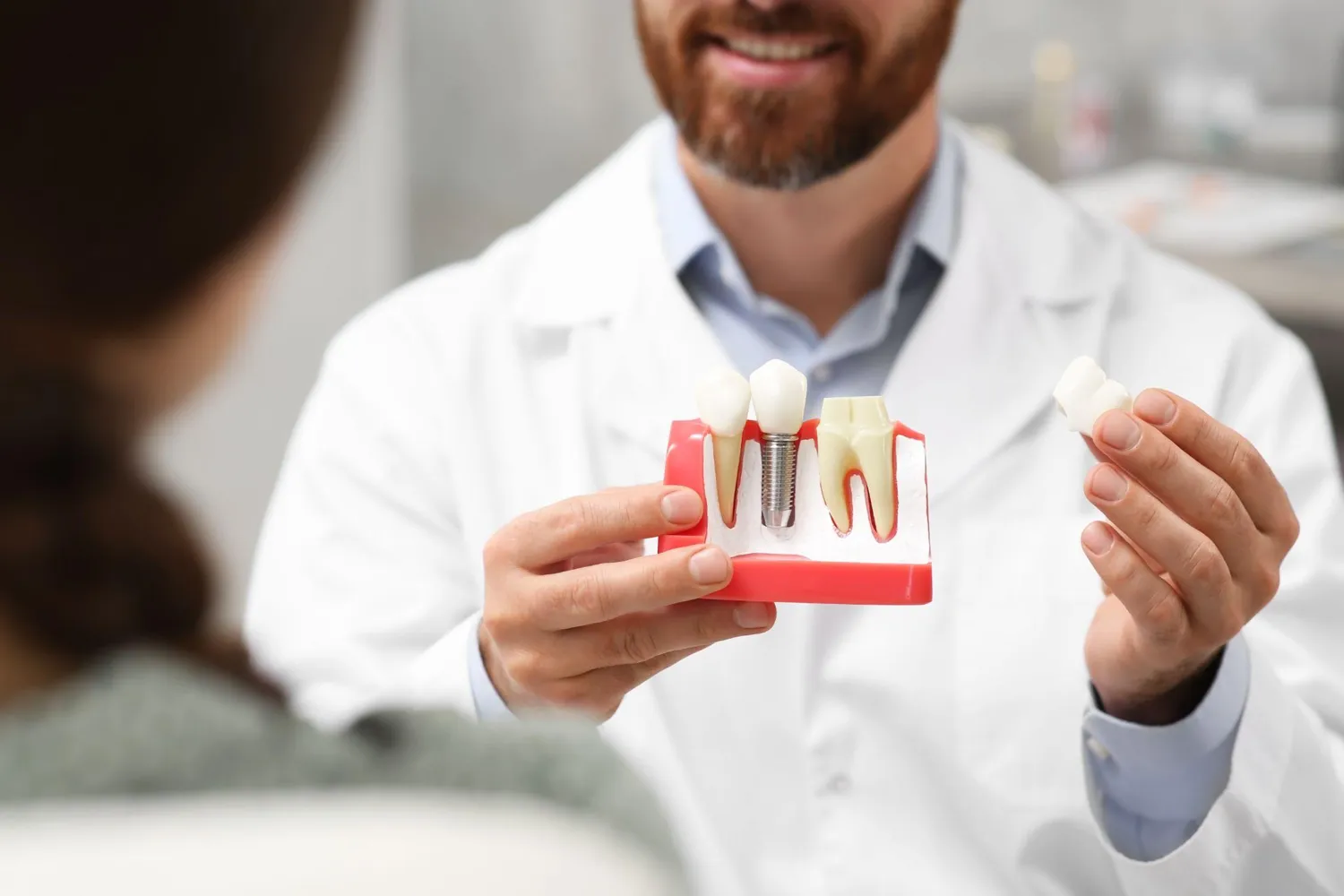
A dental implant restoration contains several components that contribute to the overall price. The implant post commonly uses titanium because it integrates reliably with healthy jawbone. Some systems use zirconia components for patients seeking certain metal-free treatment options. An abutment connects the implant body with the visible crown or prosthetic restoration. Crown materials also vary in price depending on strength, appearance, and laboratory requirements. These material differences can create noticeable variations between otherwise similar treatment estimates.
Breaking Down Dental Implant Costs
Dental implant expenses span several treatment stages, not a single procedure. Each stage can involve different clinical services, materials, and professional fees. Personal treatment needs also determine which additional procedures are included in the total. Understanding these cost layers makes it easier to see why implant estimates can vary.
Consultation and Diagnostic Fees
Treatment planning begins with an evaluation of the mouth, jawbone, and area of the missing tooth. Early appointments can involve separate charges for examinations and diagnostic imaging. These services help the dentist determine the treatment approach and identify additional procedures. Understanding these initial expenses makes the overall estimate easier to evaluate.
Initial Examination Fees
The first appointment usually includes an oral exam and a discussion of replacement options. The dentist checks the gums, neighboring teeth, bite, and the area around any missing teeth. Existing dental problems may require treatment before implant placement can begin. Some practices charge consultation fees separately, while others include them within treatment packages. Insurance coverage for examinations can also differ from coverage for later procedures. Patients should confirm exactly what the initial examination fee covers before comparing estimates.
X-Rays and 3D Imaging Fees
Dental imaging provides information that a visual examination cannot reveal on its own. Standard X-rays can show tooth roots, surrounding bone, and nearby dental structures. Many cases also require cone-beam computed tomography, commonly known as a CBCT scan. CBCT imaging provides detailed views of bone volume and important anatomical structures. Advanced imaging can increase preliminary expenses while supporting more accurate treatment planning. Patients should ask whether imaging is billed separately or included in the complete treatment estimate.

Tooth Removal and Preparation Fees
Some patients need additional dental work before the main procedure. Existing teeth may require removal, while inadequate bone can require surgical preparation. These services can add both time and expense to the treatment process. Identifying them during planning creates a more realistic estimate from the beginning.
Tooth Extraction Fees
A damaged or failing tooth may need removal before replacement can proceed. Extraction fees depend partly on the tooth's location and the complexity of removal. Straightforward extractions generally cost less than removing severely damaged or impacted teeth. Some patients can receive the replacement post during the same surgical appointment. Other cases require a healing period before the next treatment stage can begin. The written estimate should clarify whether extraction charges remain separate from other surgical fees.
Bone Grafting and Sinus Procedure Fees
Adequate bone provides the support needed for a stable foundation for a replacement tooth. Bone loss can follow tooth loss, infection, gum disease, or long-term denture use. A bone graft may rebuild areas that lack sufficient width or height. Upper back tooth replacement sometimes requires sinus augmentation when available bone remains limited. Graft size, materials, and surgical complexity can influence the additional treatment expense. Not every patient needs these procedures, so costs depend heavily on individual anatomy.
Surgical Placement Fees
The surgical stage often accounts for a substantial portion of the treatment estimate. During the procedure, the dentist positions the replacement post within the prepared jawbone. Professional expertise, clinical resources, materials, and treatment complexity influence the surgical charge. Sedation choices can also add separate expenses depending on the patient's needs.
Single Placement Fees
Replacing one missing tooth typically involves several charges across surgical and restorative stages. Some practices separate the post placement fee from later components and restoration costs. The surgical charge primarily covers positioning the fixture securely within the jawbone. Treatment complexity and the location of the missing tooth can influence professional fees. Areas with limited bone may require additional planning or supporting procedures before placement. Patients should compare complete treatment estimates instead of focusing on one advertised surgical price.
Sedation and Anesthesia Fees
Local anesthesia commonly manages discomfort during straightforward surgical placement procedures. Some patients choose additional sedation because of anxiety, treatment length, or surgical complexity. Options can include oral medication or intravenous sedation when clinically appropriate. Additional sedation may involve monitoring, medication, facility, or professional charges. More involved options generally increase expenses beyond the standard local anesthesia fee. Patients should discuss available choices and their costs before scheduling the procedure.
Healing and Follow-Up Fees
Treatment expenses can continue after the surgical appointment because healing requires professional monitoring. The replacement post needs time to integrate securely with the surrounding jawbone. Follow-up appointments allow the dentist to assess healing and address developing concerns. Temporary teeth and additional adjustments can also affect costs during this period.
Temporary Restoration Fees
Healing often takes several months, although individual treatment timelines can vary considerably. Some patients need temporary teeth while the surgical area heals and stabilizes. Temporary restorations can maintain appearance and basic function during the waiting period. Options range from removable appliances to more complex fixed provisional restorations. More sophisticated temporary solutions generally add more to the overall treatment expense. Patients should confirm whether provisional teeth are included in the original treatment estimate.
Follow-Up and Adjustment Fees
Postoperative appointments allow the dentist to monitor the treatment area throughout healing. The clinician may evaluate gum health, stability, bite alignment, and patient comfort. Temporary restorations sometimes require adjustments when they interfere with chewing or surrounding tissues. Routine postoperative appointments may already be included within the original surgical charge. Unexpected complications or additional procedures can result in separate fees under some practice policies. Patients should ask which follow-up services the quoted treatment amount includes.
Abutment and Final Restoration Fees
The surgical post alone does not create a complete replacement tooth above the gumline. Additional components connect that foundation to the visible restoration used for normal chewing. These later stages involve professional services, restorative materials, and specialized laboratory work. Together, their charges can make up a substantial portion of the complete treatment estimate.
Abutment Fees
The abutment connects the surgically placed fixture with the final visible restoration. Standard components may cost less than customized options designed for specific gum contours. Custom abutments can provide better positioning when appearance or alignment requires greater precision. Material selection can also influence laboratory charges and component costs. Some practices combine the abutment with restoration pricing, while others charge separately. Patients should review itemized estimates to confirm that this component appears in the quoted amount.
Crown and Restoration Fees
The crown forms the visible replacement tooth attached to the supporting abutment. Dentists design each restoration to fit the bite and complement surrounding natural teeth. Porcelain, zirconia, and other materials can carry different laboratory and professional charges. Front teeth may require additional customization for shape, shade, and natural-looking proportions. Laboratory quality and restoration complexity can further influence the final restorative expense. Before comparing dental providers, confirm that advertised surgical prices include the finished crown.
Costs Based on the Number of Teeth
The number of missing teeth directly changes the treatment approach and overall expense. Replacing one tooth requires different components than restoring several teeth or an entire arch. Dentists can sometimes use fewer supporting posts when several neighboring teeth need replacement. The final amount therefore depends on restoration design, materials, and treatment complexity.
Single-Tooth Replacement Fees
A single-tooth replacement generally includes surgical and restorative charges across several appointments. The treatment commonly requires one supporting post, an abutment, and a custom crown. Additional expenses may include imaging, extraction, grafting, or temporary restoration when needed. Crown materials and laboratory work can also influence the completed treatment price. Some providers bundle these services, while others charge for each stage separately. Patients should compare complete estimates rather than focusing only on the initial placement fee.
Multiple-Tooth Replacement Fees
Several neighboring missing teeth do not always require one supporting post for every tooth. Dentists can sometimes use an implant-supported bridge to replace multiple teeth efficiently. This approach may reduce the number of surgical placements needed for the restoration. However, bridge design, materials, laboratory work, and preparatory procedures still affect total expenses. Bone grafting or extractions can increase the amount when the treatment area needs preparation. A detailed estimate should separate surgical charges from bridge fabrication and restorative fees.
Full-Arch Restoration Fees
Full-arch treatment replaces most or all missing teeth along the upper or lower jaw. Several strategically positioned posts can support a larger fixed or removable dental restoration. Pricing depends on the number of placements, prosthetic materials, and surgical complexity involved. Temporary teeth can add expenses while the mouth heals before the final restoration. Some patients also require extractions, grafting, or other preparatory procedures before receiving permanent teeth. Complete estimates should identify each treatment stage rather than presenting one unexplained package price.
Evaluate Dental Implant Prices Before Treatment
Dental implant treatment deserves careful financial review before you commit to a provider. Request a detailed estimate and ask questions about fees that seem unclear or incomplete. Consider treatment quality, materials, professional experience, and long-term care alongside the quoted price. Understanding dental implant prices now can help you choose confidently and prevent costly surprises later.
Have another dental question after comparing implant costs? Head to the Dentist of West Covina blog for clear answers that can help shape your next conversation with your dentist.
