
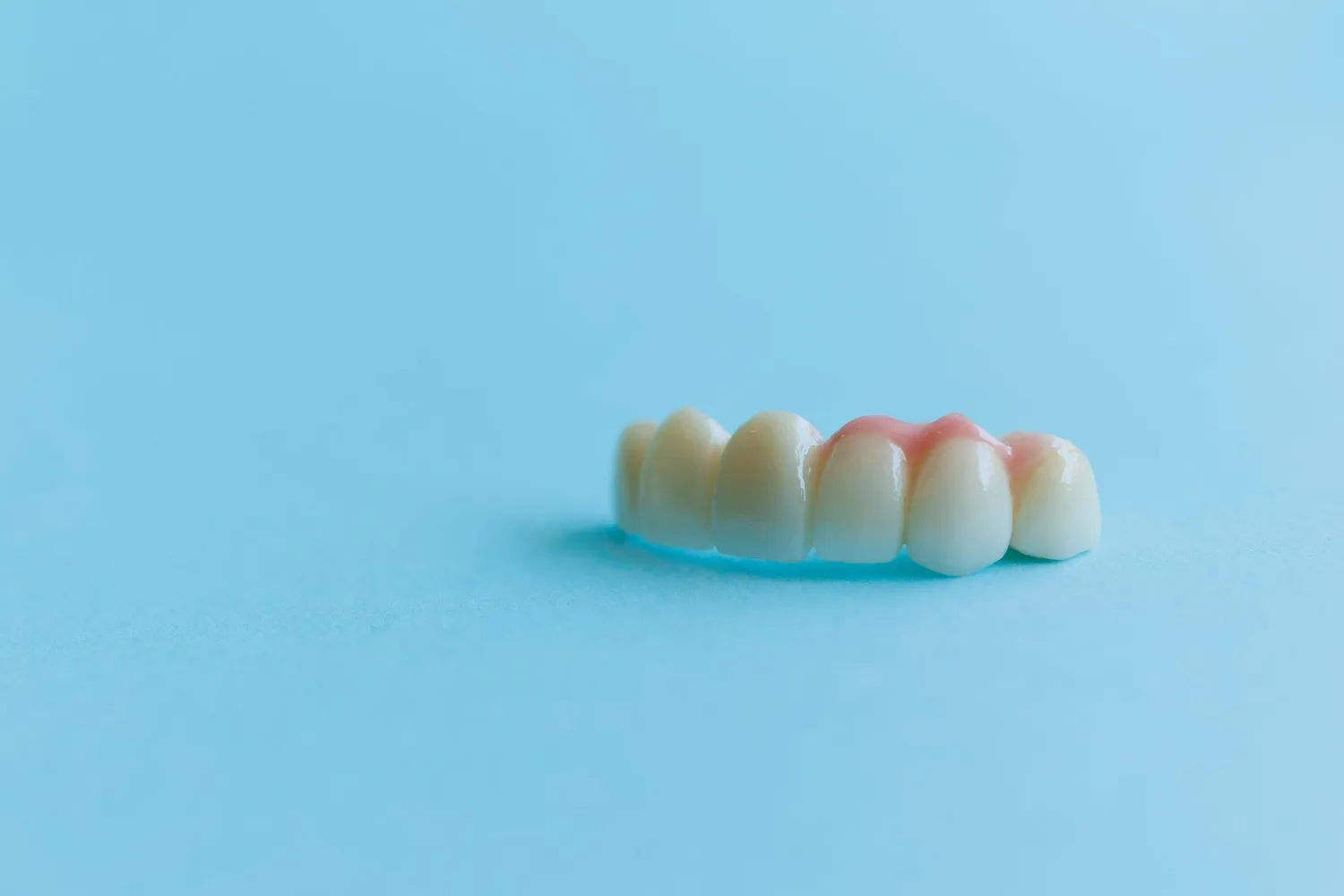
A complete smile supports comfortable eating, clear speech, and confidence during everyday interactions. When a gap develops, choosing the right replacement can quickly become an important decision. Dental bridges and implants restore that space using different approaches, materials, and support structures. Treatment time, cost, maintenance, and long-term oral health can influence which option fits better. Understanding these differences helps you discuss your choices with a dentist and make an informed decision.
Comparing Dental Bridges and Implants
Choosing a tooth replacement involves more than comparing appearance or initial cost. Bridges and implants differ in how they function and interact with surrounding oral structures. Those differences can influence treatment planning, daily care, comfort, and future dental needs. A closer comparison shows what separates these options and why those distinctions matter.
Tooth Support and Replacement Structure
Bridges and implants restore the same space through two distinct support approaches. A bridge connects the replacement tooth to natural teeth beside the open area. An implant anchors the restoration within the jaw instead of relying on neighboring teeth. These structural approaches influence preparation, oral tissues, cleaning, and future treatment considerations.
How a Dental Bridge Works
A traditional dental bridge fills a tooth gap with an artificial replacement called a pontic. Dental crowns placed over neighboring teeth usually hold that replacement securely in position. The dentist reshapes those supporting teeth so the crowns fit properly. A dental laboratory then creates the connected restoration using measurements from your mouth. Once cemented, the bridge remains fixed and does not come out during routine cleaning. Other bridge designs are available when surrounding teeth require a different approach.
How a Dental Implant Works
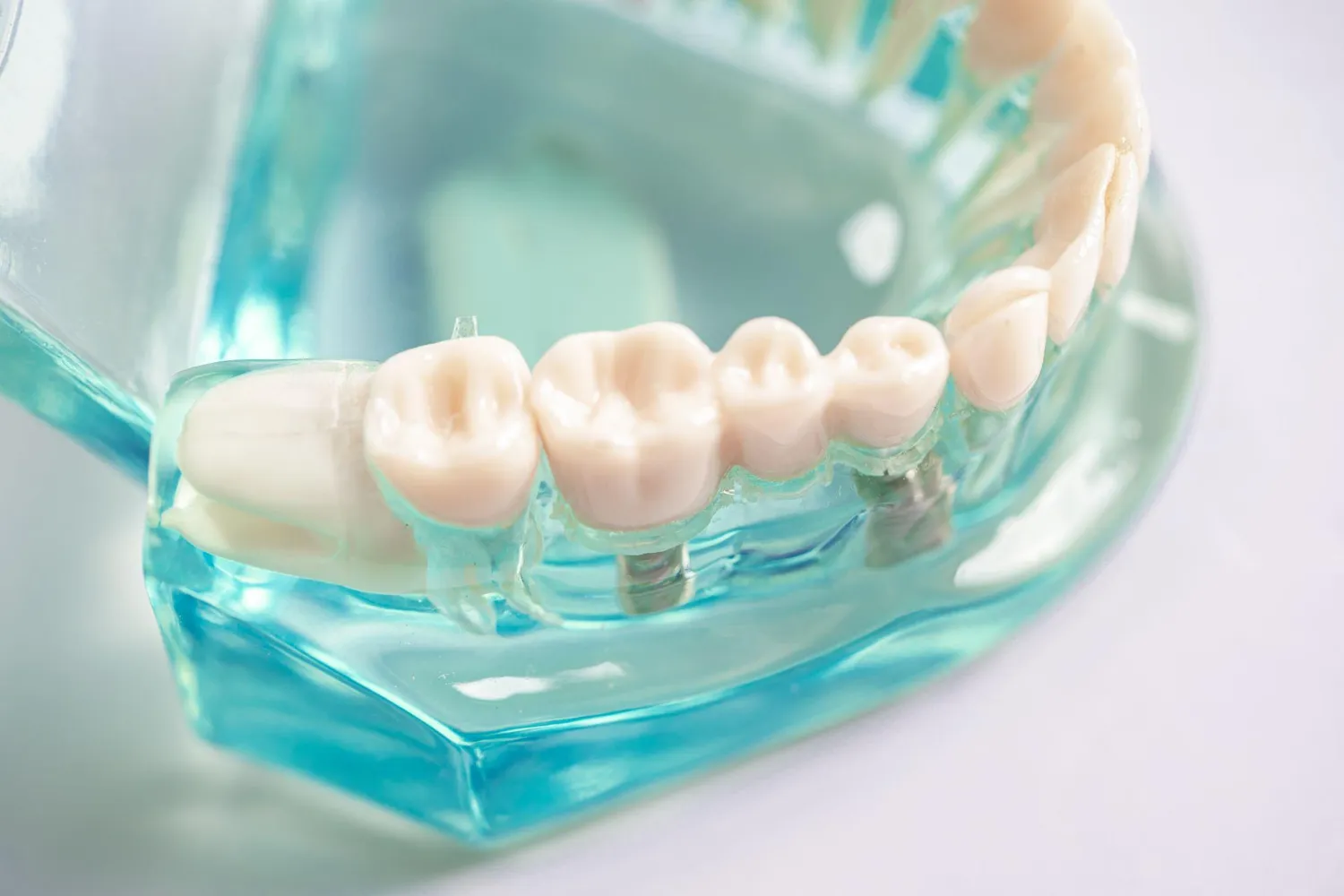
A dental implant replaces a tooth using a small post inserted into the jawbone. Most implant posts use titanium or another material suitable for long-term dental treatment. Bone gradually heals around the implant, creating a stable foundation for the restoration. An abutment connects the implanted post with the replacement crown above the gumline. The dentist then places a custom crown designed to complement surrounding natural teeth. Unlike a traditional bridge, a single implant usually leaves neighboring healthy teeth structurally unchanged.
Treatment Steps and Time to Completion
A bridge usually follows a shorter restorative process involving preparation and permanent placement. Implant treatment adds a surgical stage and a longer period for bone integration. Additional procedures can further extend the implant timeline when bone support needs improvement. These treatment pathways can influence how quickly patients receive their final replacement teeth.
What to Expect With Bridge Treatment
Bridge treatment typically starts with an examination of the gap and neighboring teeth. Your dentist checks whether those teeth can provide dependable support for the planned restoration. The supporting teeth are prepared before impressions or digital scans record their dimensions. A temporary restoration may protect the prepared teeth while technicians create the permanent bridge. During a later appointment, the dentist evaluates the bridge's shape, fit, appearance, and bite. Necessary adjustments can improve comfort before the dentist permanently secures the finished restoration.
What Implant Treatment Involves
Implant treatment generally begins with an evaluation of your gums, jawbone, bite, and medical history. Dental imaging helps the provider assess available bone and plan the implant's position. The dentist or specialist then surgically places the implant post within the jawbone. Healing usually takes several months as the implant integrates with surrounding bone. Some patients require bone grafting beforehand, which can extend the overall treatment schedule. After successful healing, an abutment and custom crown complete the visible replacement tooth.
Recovery Experience and Healing Time
Bridge treatment mainly involves adjustment around prepared teeth and the surrounding gum tissue. Implant treatment requires recovery from surgery followed by a longer internal healing process. Temporary discomfort can occur with either approach, although its cause and duration can vary. Recovery expectations may influence patients who prioritize convenience or want to avoid oral surgery.
Recovery After Getting a Bridge
Some patients experience temporary tooth or gum sensitivity after their supporting teeth are prepared. The temporary bridge may also feel unfamiliar until the permanent restoration replaces it. Mild sensitivity often improves as the mouth adjusts and irritated tissues settle. Patients should avoid damaging temporary restorations with unusually sticky or hard foods during this stage. The permanent bridge may require another brief adjustment period after placement. Persistent pain, unusual movement, or bite problems deserve prompt attention from the treating dentist.
Healing After Implant Placement
Implant placement creates a surgical site that needs time to heal before final restoration. Temporary swelling, tenderness, or minor bleeding can occur shortly after the procedure. Your treatment provider may recommend specific cleaning practices and temporary dietary changes during early healing. Following those directions helps protect the surgical area while surrounding tissues recover. The implant continues integrating with the jawbone beyond the initial recovery period. Unexpected swelling, worsening discomfort, or other concerning symptoms should be reported to your dental provider.
Upfront Cost and Long-Term Value
Bridges commonly involve a lower initial expense because treatment generally requires fewer clinical stages. Implants can cost more because surgery, components, imaging, and restorative work contribute to pricing. Insurance coverage can also affect how much patients pay for either treatment. Looking beyond the first estimate provides a clearer view of possible long-term expenses.
Why Dental Bridge Costs Can Vary
Bridge costs depend partly on the restoration design and number of teeth involved. Material selection also affects pricing because restorative materials have different laboratory and clinical costs. Additional dental work can increase expenses when supporting teeth require treatment before bridge preparation. Dental insurance may cover part of bridge treatment depending on individual plan terms. Coverage percentages, annual maximums, deductibles, and waiting periods can significantly affect your out-of-pocket costs. A written treatment estimate can clarify anticipated charges before you commit to the procedure.
Why Implant Costs May Be Higher
Implant treatment includes several components that contribute to its higher initial cost. Imaging, implant placement, the abutment, and the final crown may each carry a separate charge. Bone grafting can add another expense when existing bone cannot adequately support the planned implant. Dental insurance coverage varies widely, making benefit verification worthwhile before treatment begins. Higher upfront costs may provide reasonable long-term value when an implant performs well for years. Your treatment provider can explain expected charges based on the procedures required for your mouth.
Effects on Teeth, Bone, and Gum Tissue
A bridge gains support from natural teeth, which changes how neighboring structures handle chewing forces. An implant transfers those forces into the jaw through its implanted foundation. These approaches also affect how dentists prepare surrounding teeth and manage available bone. The condition of nearby teeth, gums, and bone can therefore influence treatment recommendations.
How Bridges Affect Nearby Teeth
Traditional bridges depend on neighboring teeth to support the artificial tooth between them. Preparing those teeth requires removing some enamel to create enough room for crowns. This treatment approach can be practical when supporting teeth already need substantial restorative work. Healthy neighboring teeth, however, still require preparation when supporting a conventional bridge. Those teeth also absorb forces from the replacement tooth during everyday biting and chewing. Regular examinations help dentists monitor supporting teeth, crown margins, gums, and the bridge itself.
How Implants Interact With Jawbone
Dental implants receive support directly from the jawbone, rather than relying on neighboring teeth. This design allows adjacent natural teeth to remain independent from the replacement restoration. Normal chewing transfers pressure through the implant into the surrounding jawbone. That stimulation may help maintain bone around a successfully integrated implant. However, implant placement requires suitable bone volume and healthy tissues for dependable support. Clinical examination and imaging help determine whether those conditions exist at the proposed treatment site.
Daily Cleaning and Maintenance Needs
A bridge requires cleaning around connected teeth and underneath its artificial tooth. An implant needs careful plaque removal around the crown and surrounding gum tissue. Neither restoration eliminates the need for brushing, interdental cleaning, or professional dental visits. Their designs create different areas that require extra attention during daily care.
Cleaning Around a Dental Bridge
A fixed bridge requires particular attention beneath its artificial tooth and around supporting crowns. Standard brushing reaches many surfaces but cannot fully clean underneath the connected replacement tooth. Floss threaders or specialized floss can reach spaces that ordinary flossing may miss. Some patients use interdental brushes or water flossers when those tools suit their restoration. Consistent cleaning helps protect the gums and supporting natural teeth from plaque accumulation. Professional cleanings also allow the dental team to examine difficult areas around the bridge.
Caring for a Dental Implant
An implant crown can feel similar to a natural tooth during everyday brushing and chewing. However, the gums and tissues around the implant still need careful plaque removal. Patients should brush around the crown and consistently clean the spaces between neighboring teeth. Dentists may recommend floss, interdental brushes, or other cleaning tools for specific implant areas. Regular checkups allow the dental team to examine surrounding gums, implant stability, and bite forces. Good daily hygiene combined with professional maintenance supports healthier conditions around the restoration.
Appearance, Chewing, and Everyday Feel
Both restorations can look natural, but their designs create different relationships with surrounding teeth. A bridge joins multiple dental units, while an implant can replace one tooth independently. Their support methods also distribute chewing pressure through different oral structures. Cosmetic priorities and everyday comfort can help shape the treatment decision.
Comparing the Natural Appearance
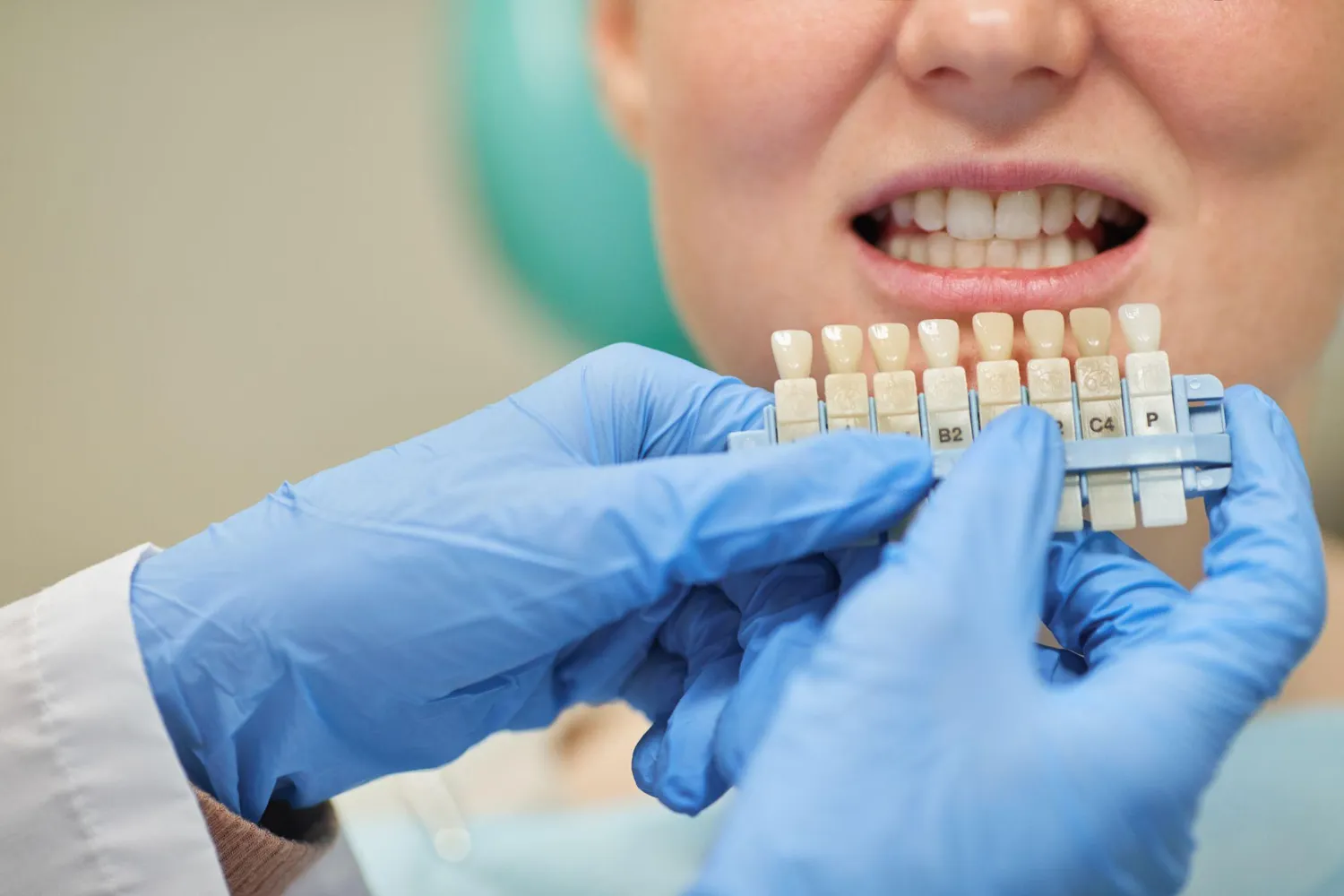
Modern dental bridges can closely match the shape and shade of surrounding natural teeth. Laboratories use detailed measurements and shade information to design a restoration that matches the patient's smile. Implant crowns can also create natural-looking results because they replace individual teeth independently. Gum shape, available space, tooth position, and bone levels can influence the final appearance of either restoration. Front teeth often require careful planning because small differences become more noticeable when smiling. Discussing cosmetic priorities beforehand gives your dental team clearer information for planning realistic results.
Chewing and Speaking After Treatment
Both treatment options can restore useful chewing function after losing a natural tooth—a bridge transfers biting pressure through the natural teeth supporting its connected restoration. An implant sends chewing forces through its foundation and into the surrounding jaw. Patients need to adjust to the new placement. Replacing an absent tooth may also help when the open space interferes with certain speech sounds. Ongoing discomfort or noticeable bite changes should be evaluated professionally rather than accepted as normal.
Expected Lifespan and Future Dental Work
A bridge's longevity depends partly on the health of the natural teeth supporting it. An implant depends more heavily on healthy bone and gum tissue around its foundation. Both restorations can eventually require repair, replacement, or additional dental treatment. Their long-term performance also depends on hygiene, bite forces, habits, and regular professional care.
Expected Lifespan of a Dental Bridge
A dental bridge can function for many years with suitable home care and professional maintenance. Its longevity depends partly on the condition of the natural teeth supporting it. Tooth decay or gum disease around those teeth can weaken the bridge's foundation. Grinding and unusually heavy biting forces may place additional strain on supporting teeth and materials. Sometimes damage can be repaired, while more extensive problems may require replacement of the restoration. Regular dental visits can detect early changes before they develop into larger treatment concerns.
How Long Dental Implants Can Last
Dental implants can provide long-term replacement when surrounding bone and gums remain healthy. The crown attached to an implant may eventually need replacement because restorative materials wear down with everyday use. Problems can also develop when inflammation damages the tissues supporting an otherwise stable implant. Smoking, certain medical conditions, poor hygiene, and excessive bite forces may affect treatment outcomes. Routine professional monitoring helps identify changes involving the implant, crown, gums, or surrounding bone. Patients should consider implant maintenance an ongoing responsibility rather than a one-time procedure.
Candidacy and Treatment Suitability
Bridge treatment depends heavily on neighboring teeth that can provide adequate structural support. Implant treatment instead requires suitable jawbone, healthy tissues, and a more complex surgical procedure. Medical history and personal preferences can also make one approach more practical than another. A clinical evaluation helps connect those factors with the restoration best suited to each patient.
When a Dental Bridge May Fit Better
A bridge may appeal to patients wanting fixed tooth replacement without undergoing implant surgery. It may also suit someone whose neighboring teeth already require crowns or considerable restoration. Certain medical or anatomical circumstances can make implant treatment less appropriate for some patients. People seeking a shorter overall treatment schedule may consider a bridge when clinically suitable. However, support must be strong enough to handle the additional demands of the restoration. Your dentist can evaluate those teeth and explain how their condition affects expected bridge performance.
When a Dental Implant May Be More Suitable
An implant may suit patients wanting replacement without preparing otherwise healthy neighboring teeth. Suitable jawbone and healthy oral tissues generally provide better conditions for implant treatment. Patients should also be able to undergo surgery and complete the healing required before treatment finishes. Some people prefer implants because the restoration functions independently rather than connecting with adjacent teeth. Medical history, medications, smoking habits, and bone conditions can still influence implant candidacy. A complete evaluation determines whether implant treatment reasonably matches your oral and general health circumstances.
Determine Which Tooth Replacement Fits You
The right replacement should protect more than the appearance of your smile. A dental evaluation can reveal which treatment better suits your teeth, bone, budget, and priorities. Addressing the space sooner may also reduce changes that could complicate future dental care. Schedule a consultation and choose a replacement designed around your long-term oral health.
Good dental decisions start with useful information. Continue reading the Dentist of West Covina blog for clear guidance on treatments, prevention, and everyday oral health.
